
Nutritional Yeast Wholesale: Finding the Right Supplier for Your Needs
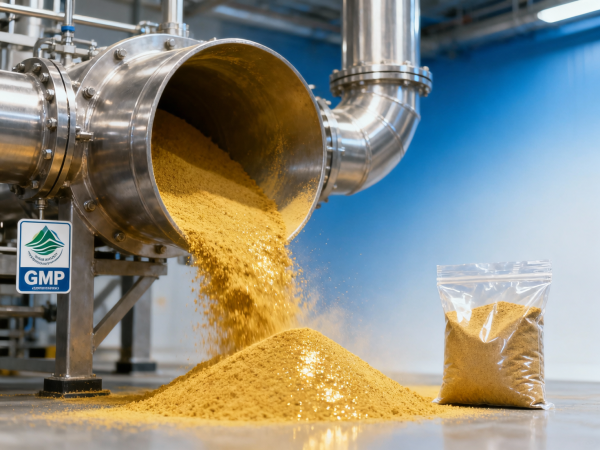
Nutritional Yeast Wholesale: Key Considerations for Industrial Buyers
Sourcing premium nutritional yeast wholesale requires a supplier that meets stringent quality, safety, and scalability demands. AgriChem Chronicle provides expert insights for procurement professionals, technical evaluators, and decision-makers navigating bulk ingredients like agar agar powder, kelp powder, and organic sea moss. Discover how to identify suppliers compliant with GMP, FDA, and international standards while optimizing supply chain transparency for your nutritional yeast and specialty ingredient needs.
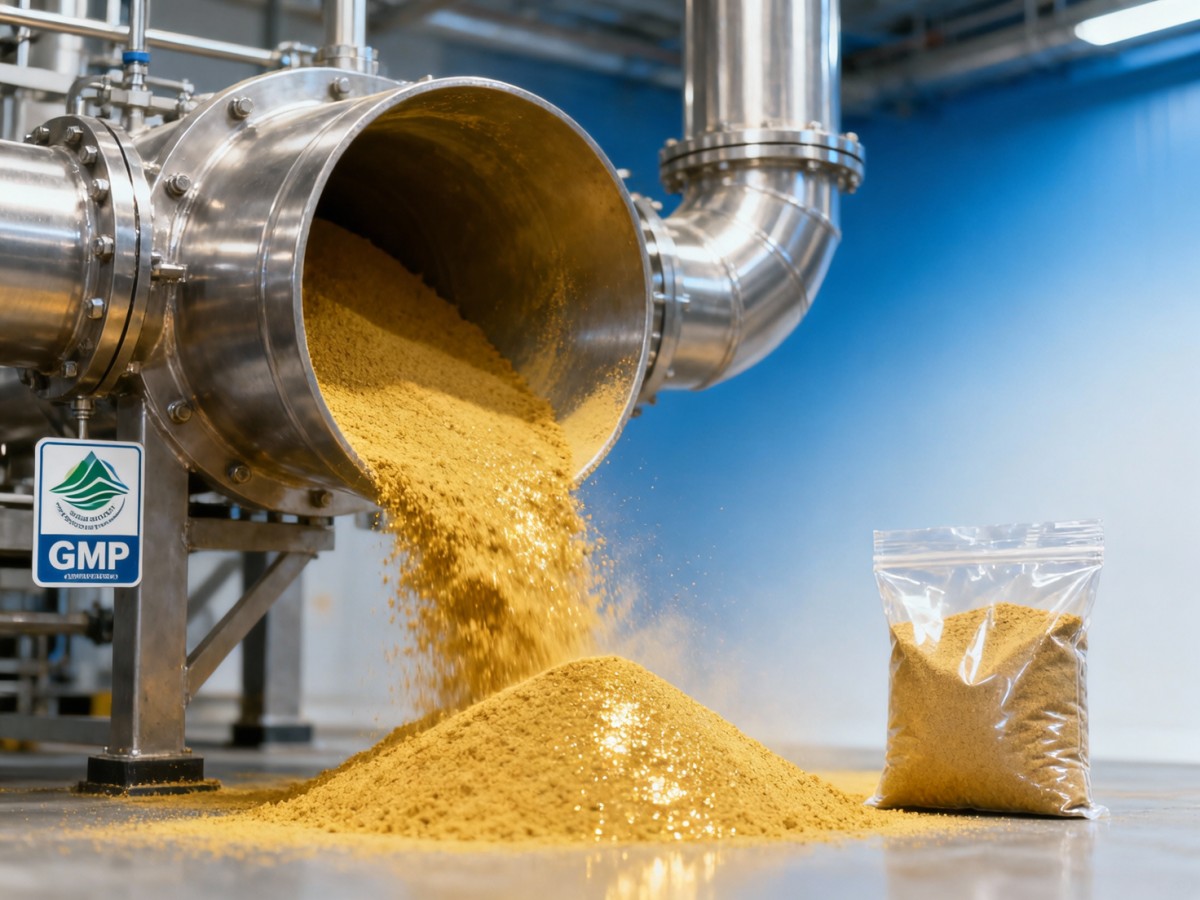
Quality Benchmarks for Industrial-Grade Nutritional Yeast
When procuring nutritional yeast at commercial scale (typically 500kg+ per shipment), buyers must verify these critical quality parameters:
Leading manufacturers should provide third-party Certificates of Analysis (CoA) with each batch, including heavy metal screening (lead <0.5ppm, arsenic <0.1ppm) and microbial counts (total plate count <10,000 CFU/g).
Certification Requirements by Market
- North America: FDA 21 CFR 111, NSF/ANSI 173
- EU: Novel Food Regulation (EU) 2015/2283
- Organic: USDA/NOP, EU 834/2007 (minimum 95% organic ingredients)
- Kosher/Halal: Requires dedicated production lines
Supply Chain Evaluation Framework
For procurement teams evaluating nutritional yeast suppliers, these 5 factors determine long-term partnership viability:
Audit Checklist for Supplier Visits
When conducting on-site assessments (recommended for orders exceeding 5MT/month), verify these operational aspects:
- Fermentation tanks with automated pH/temperature controls (±0.2°C accuracy)
- Drying systems preserving ≥90% nutrient integrity (spray drying preferred)
- Dedicated packaging lines preventing cross-contamination
- Stable raw material sourcing (molasses/glucose suppliers with 3+ year contracts)
Cost Optimization Strategies
While nutritional yeast wholesale prices typically range $8-$15/kg depending on specifications, these approaches maximize value:
Bulk Purchasing Considerations
- Tiered Pricing: 5-10% discounts for 1-5MT orders, 10-15% for 5+MT
- Seasonal Buying: Q2-Q3 often sees 7-12% price advantages
- Contract Terms: Annual agreements with quarterly deliveries reduce spot market exposure
Logistics Cost Factors
Transportation accounts for 15-25% of total landed costs. Key variables include:
- Container optimization (20ft fits 12-14MT, 40ft 24-26MT)
- Moisture-proof packaging (3-layer foil bags with oxygen absorbers)
- Incoterms selection (FOB vs CIF differences of $0.30-$0.80/kg)
Emerging Market Trends
The global nutritional yeast market (projected CAGR of 12.3% through 2028) shows these procurement-relevant developments:
Innovations in Production
- Strain Optimization: New Saccharomyces cerevisiae variants yield 18-22% more protein
- Waste Stream Utilization: 30% of manufacturers now use agricultural byproducts as feedstock
- Automation: Smart fermentation reduces batch variability by 40-60%
Regulatory Shifts
Upcoming changes affecting 2024-2025 procurement:
- EU fortification limits for B vitamins (expected 15% reduction allowed levels)
- USDA organic compliance requiring blockchain traceability by 2025
- China's new import testing protocols for yeast-derived products
Implementation Roadmap
For enterprises transitioning to new nutritional yeast suppliers, this phased approach minimizes risk:
- Specification Alignment (2-4 weeks): Confirm technical parameters with R&D and QA teams
- Supplier Shortlisting (3-6 weeks): RFQ process with 3-5 qualified candidates
- Sample Validation (4-8 weeks): Pilot testing with 50-100kg batches
- Contract Negotiation (2-3 weeks): Price benchmarking, quality clauses, force majeure terms
- Phased Rollout (6-12 months): Initial 25% volume commitment with quarterly reviews
Conclusion & Next Steps
Selecting the right nutritional yeast wholesale partner requires balancing technical specifications, regulatory compliance, and supply chain resilience. By implementing the frameworks and checklists provided, procurement teams can systematically evaluate suppliers against industry benchmarks.
For customized nutritional yeast sourcing strategies tailored to your production volumes and market requirements, consult AgriChem Chronicle's ingredient procurement specialists. Our network of vetted suppliers meets the most stringent standards for food, supplement, and feed applications.
Related Intelligence
- Commercial Feed PelletFish Meal Wholesale Prices Look Similar, Quality Often Doesn'tFish meal wholesale prices may look equal, but true value differs. Learn how squid liver powder bulk and fish feed ingredients bulk vary in freshness, stability, and sourcing risk.
- Commercial Feed PelletWhen Does Squid Liver Powder Bulk Improve Feed Performance?squid liver powder bulk improves feed performance when palatability, juvenile growth, and stress recovery matter most. Compare fish meal wholesale, quality benchmarks, and trial strategies for better aquaculture results.
- Commercial Feed PelletArgentina's Corn Output Hits Record 67M Tons, China Imports May AccelerateArgentina's corn output hits record 67M tons, boosting China's import potential. Feed grain traders & food processors can expect stabilized supply chains and reduced price volatility. Key insights for strategic procurement.
The Morning Broadsheet
Daily chemical briefings, market shifts, and peer-reviewed summaries delivered to your terminal.
