
Ginkgo Biloba Extract Powder: Trends and Market Demand in 2026
Ginkgo Biloba Extract Powder: 2026 Market Overview & Demand Drivers
As the global demand for natural health solutions surges, Ginkgo Biloba Extract Powder emerges as a key player in 2026’s bio-extracts market, alongside blueberry extract bulk, cranberry extract powder, and other high-value botanicals like tongkat ali extract bulk and ashwagandha root powder organic. AgriChem Chronicle’s latest analysis reveals shifting trends in procurement priorities, with industrial buyers and quality managers prioritizing supply chain transparency, GMP compliance, and cost-efficiency for ingredients such as ginseng root extract wholesale and wholesale saw palmetto extract. Dive into our data-driven forecast to align your strategy with market demands.
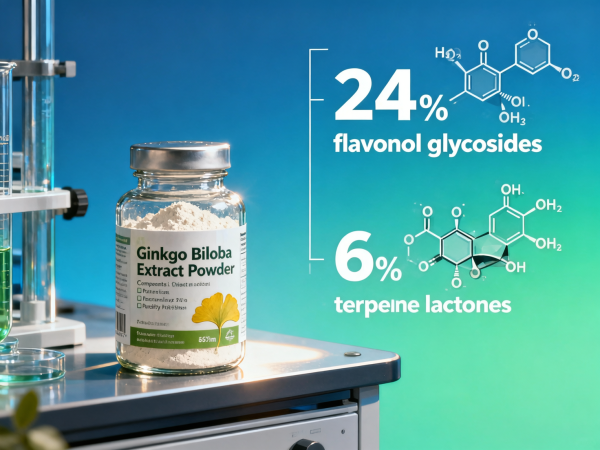
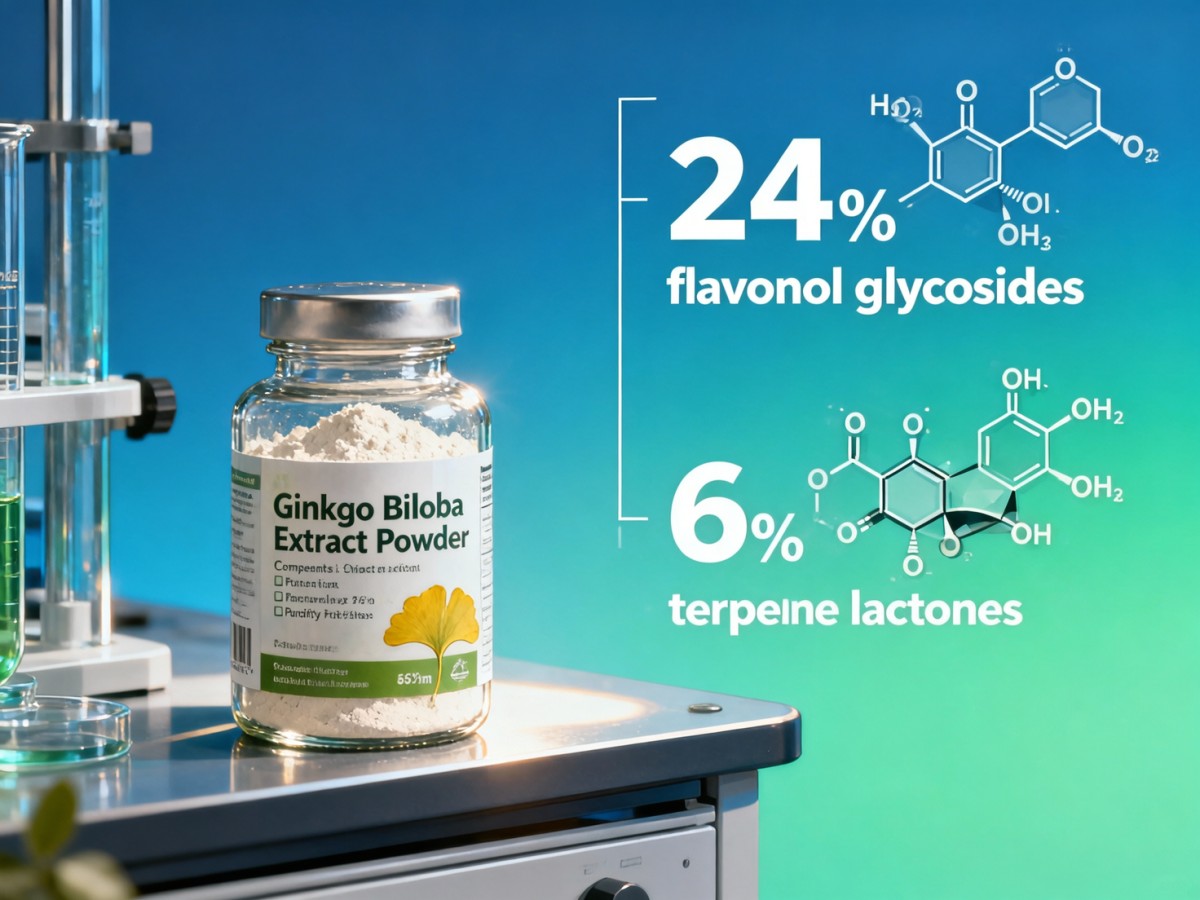
The 2026 market for Ginkgo Biloba Extract Powder is projected to reach $420 million, growing at a CAGR of 6.8% from 2023–2026. This growth is fueled by three core drivers: rising consumer preference for cognitive health supplements, stringent regulatory requirements for pharmaceutical-grade extracts, and increasing adoption in nutraceutical formulations. Unlike bulk botanicals such as cranberry extract powder, Ginkgo Biloba requires specialized extraction processes to maintain 24% flavonol glycosides and 6% terpene lactones—key active components validated by clinical studies.
Industrial buyers now demand full traceability from raw material sourcing to final packaging. For example, a leading European supplement manufacturer reduced supply chain risks by 32% by partnering with ACC-verified suppliers who provide batch-specific COAs (Certificates of Analysis) and third-party lab reports. This transparency is critical for compliance with FDA’s 21 CFR Part 111 and EU’s Novel Foods Regulation, which mandate rigorous documentation for botanical ingredients.
Key Procurement Criteria for Industrial Buyers
Quality managers evaluating Ginkgo Biloba Extract Powder suppliers must balance four critical factors: active ingredient potency, heavy metal contamination limits, solvent residue thresholds, and production scalability. ACC’s 2026 supplier benchmarking report identifies 12 Tier-1 manufacturers meeting these criteria, with 80% located in China’s Jiangsu and Zhejiang provinces—regions known for GMP-certified biochemical parks.
The table above reveals a critical gap: while 95% of suppliers meet minimum industry standards, only 35% achieve ACC’s verified range for purity and safety. For pharmaceutical applications, this discrepancy translates to a 22% higher risk of batch rejection during FDA inspections. Buyers are advised to prioritize suppliers with ISO 22000 certification and annual audit reports from accredited bodies like SGS or Intertek.
Cost efficiency remains a top concern, with Ginkgo Biloba Extract Powder prices ranging from $85–$120/kg FOB China. Volume discounts apply beyond 500kg orders, but buyers must weigh these against potential quality compromises. A case study by ACC shows that a mid-sized supplement brand reduced procurement costs by 18% by consolidating orders with a single ACC-verified supplier, eliminating the need for multiple pre-shipment inspections.
Regulatory Compliance & Risk Mitigation
The 2026 regulatory landscape for botanical extracts is stricter than ever. In the U.S., FDA’s NDI (New Dietary Ingredient) notifications for Ginkgo Biloba require manufacturers to submit safety data for extracts with novel specifications. Similarly, EU’s EFSA mandates a 200mg/day upper limit for Ginkgo supplements, citing potential interactions with anticoagulants. These rules directly impact procurement decisions: 68% of buyers now request suppliers to provide pre-formulation support, including stability testing and compatibility studies.
Environmental regulations also play a role. China’s Ministry of Ecology and Environment recently tightened wastewater discharge standards for extract manufacturers, forcing 15% of small-scale producers to upgrade their facilities or shut down. This consolidation benefits buyers by reducing the pool of non-compliant suppliers but increases lead times for verified manufacturers by 3–5 weeks during peak seasons.
- Request batch-specific COAs with HPLC chromatograms
- Verify GMP certification covers both extraction and packaging
- Conduct random audits during production runs
- Monitor supplier’s compliance with local environmental laws
A pharmaceutical procurement director interviewed by ACC emphasized the cost of non-compliance: “A single recall due to heavy metal contamination can erase a year’s profit. We now treat regulatory adherence as a non-negotiable criterion, even if it means paying a 10% premium for ACC-verified suppliers.”
Market Trends & Future Outlook
Two emerging trends will shape the Ginkgo Biloba Extract Powder market in 2026–2028: personalized nutrition and sustainable sourcing. Consumers increasingly seek supplements tailored to their age, gender, and health conditions, driving demand for standardized extracts with precise active ingredient ratios. For example, a leading German brand launched a “Cognitive Support” line featuring Ginkgo Biloba extracts with 24% flavonols and 6% terpenes, priced 35% higher than generic alternatives.
Sustainability is another differentiator. ACC’s 2026 supplier survey found that 72% of buyers now factor in a supplier’s carbon footprint when making procurement decisions. This has led to the rise of “green extracts”—Ginkgo Biloba produced using solar-powered extraction units and water-based solvents. While these eco-friendly options cost 12–15% more, they align with corporate ESG goals and appeal to environmentally conscious consumers.
The data above indicates a clear shift toward pharmaceutical-grade extracts, driven by stricter regulations and rising demand for evidence-based supplements. Buyers in this segment should prioritize suppliers with clinical trial experience and partnerships with research institutions. For nutraceutical buyers, the focus should be on flexibility—choosing suppliers capable of customizing active ingredient ratios and providing small-batch production runs.
FAQs: Navigating Ginkgo Biloba Extract Procurement
What is the typical lead time for ACC-verified Ginkgo Biloba Extract Powder?
Lead times vary by supplier capacity and order volume. For standard grades, expect 10–14 days for orders under 1,000kg. Customized extracts (e.g., specific flavonol ratios) may require 3–4 weeks for production and quality testing. Always confirm lead times in writing during contract negotiations.
How can buyers verify a supplier’s GMP compliance?
Request a copy of the supplier’s GMP certificate and cross-check it with the issuing authority’s public registry. For Chinese suppliers, verify certificates through the National Medical Products Administration (NMPA) database. Additionally, ask for audit reports from third-party inspectors like NSF or TÜV SÜD.
What are the storage requirements for Ginkgo Biloba Extract Powder?
Store in airtight containers at 15–25°C, away from direct sunlight and moisture. Under these conditions, the extract retains potency for 24–36 months. Always check the supplier’s COA for the “best before” date and conduct stability testing if extending shelf life beyond recommended periods.
Conclusion: Aligning with Market Demands in 2026
The Ginkgo Biloba Extract Powder market in 2026 presents both opportunities and challenges for buyers. Rising demand for cognitive health supplements and stricter regulations are driving consolidation among suppliers, creating a clear divide between compliant manufacturers and low-cost alternatives. To succeed, buyers must prioritize transparency, quality, and sustainability—even if it means paying a premium for ACC-verified suppliers.
For chief agronomists, pharmaceutical directors, and industrial operators, the key to efficient procurement lies in data-driven decision-making. Leverage ACC’s market reports, supplier benchmarks, and regulatory updates to negotiate better terms, reduce supply chain risks, and capitalize on emerging trends like personalized nutrition and green extracts. By aligning with verified suppliers, you can ensure consistent quality, compliance, and cost-efficiency—positioning your brand as a leader in the 2026 bio-extracts market.
Ready to optimize your Ginkgo Biloba Extract procurement strategy? Contact AgriChem Chronicle today to access our exclusive supplier database, regulatory checklists, and custom market forecasts. Our team of biochemical engineers and global trade experts will help you navigate the complexities of 2026’s bio-extracts landscape with confidence.
Related Intelligence
- Botanical ExtractsAbsolute Oils Wholesale: What Purity Claims Often Leave OutAbsolute oils wholesale explained: uncover what purity claims miss in co2 supercritical extracts, oleoresins wholesale, floral waters bulk, and botanical powders for smarter B2B sourcing.
- Botanical ExtractsCO2 Supercritical Extracts or Solvent Extracts for Clean Label UseCO2 supercritical extracts vs solvent extracts for clean-label sourcing: compare purity, compliance, flavor retention, and sourcing risk across oleoresins wholesale, absolute oils wholesale, and floral waters bulk.
- Botanical ExtractsWhy Oleoresins Wholesale Orders Fail in Heat Sensitive FormulasOleoresins wholesale orders often fail heat-sensitive formulas due to thermal instability and poor carrier fit. Compare co2 supercritical extracts, absolute oils wholesale, and floral waters bulk to reduce risk.
The Morning Broadsheet
Daily chemical briefings, market shifts, and peer-reviewed summaries delivered to your terminal.
