
Grass Forage Chopper Output Drops for Reasons Often Missed
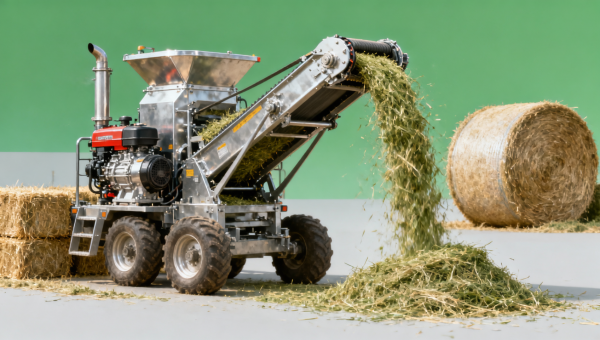
When a grass forage chopper starts losing output, the cause is often traced to obvious wear, yet many hidden factors go unchecked. From feed consistency and blade balance to power matching with agricultural diesel engines and upstream handling by square baler machine or round baler machine systems, overlooked details can quietly erode efficiency, forage quality, and operating margins.
Why forage chopper output drops even when the machine seems mechanically sound
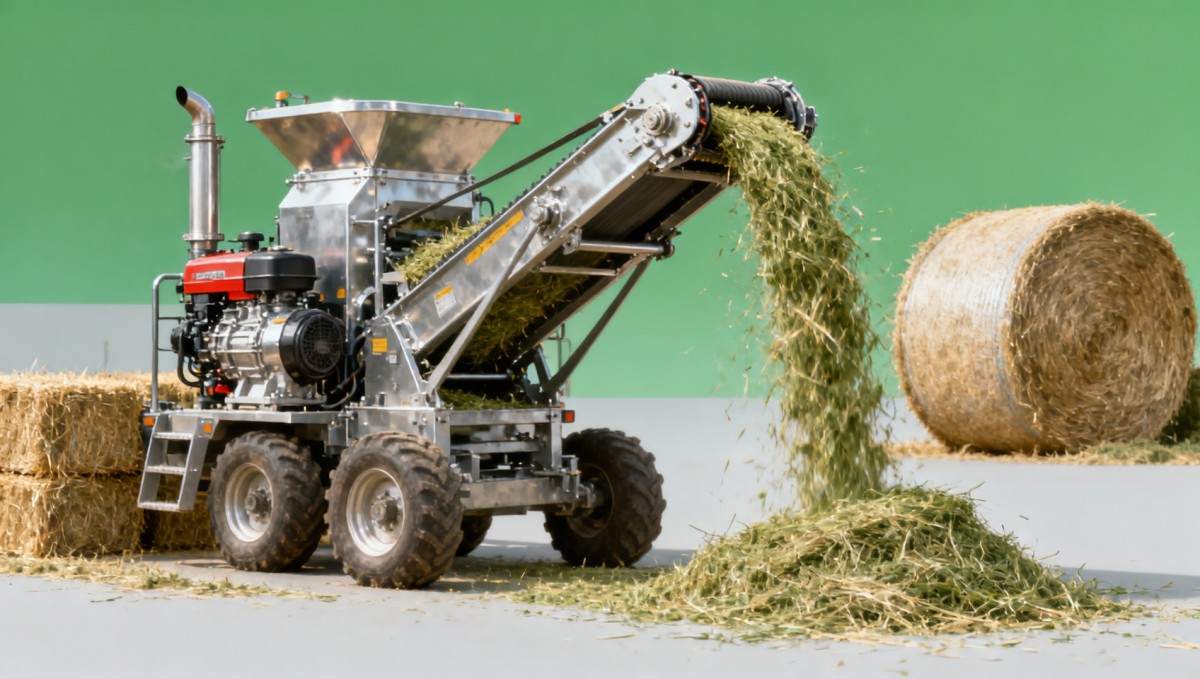
A grass forage chopper can lose throughput without any dramatic breakdown. In many operations, the machine still runs, the knives still cut, and the engine still starts on schedule, yet daily tonnage slips over 2–6 weeks. For information researchers and technical evaluators, this pattern matters because output loss is often caused by system imbalance rather than a single failed part.
The first overlooked factor is feed uniformity. When windrow density varies, bale moisture swings beyond a practical range, or pre-processing by a square baler machine creates inconsistent flake density, the forage chopper sees irregular loading. That produces unstable cutting resistance, fluctuating engine demand, and uneven particle size. In a plant or farm setting, even a 10%–15% variation in incoming material can show up as lower effective hourly output.
The second hidden issue is power matching. Many teams focus on rated horsepower alone, but a forage chopper performs best when torque reserve, governor response, and transmission condition are aligned with crop type and feed rate. A machine paired with an agricultural diesel engine that is technically adequate on paper may still underperform during peak load transitions, especially in wet grass, mixed stalk forage, or high-density silage preparation.
The third issue is process interaction. Feed and grain processing systems are rarely isolated. Upstream baling, transport compaction, storage dwell time, and operator feeding rhythm all influence output. For procurement staff and project managers, this means the chopper should not be judged as a standalone asset. It should be reviewed as one node in a 3-stage chain: material preparation, size reduction, and downstream handling.
Hidden causes that are often missed during routine inspections
Routine checks often cover knives, belts, and bearings, but miss cumulative issues that reduce capacity gradually. These include rotor imbalance from uneven sharpening, inlet restriction caused by partial buildup, air flow decline in discharge channels, and drive slippage that only appears under full crop load. Quality and safety managers should pay attention because these conditions can increase heat, vibration, and contamination risk before they trigger a visible failure.
- Inconsistent moisture bands, commonly seen when forage sits 12–48 hours longer than planned before chopping.
- Knife edge geometry drifting after repeated manual grinding without balance verification.
- Feeding surges caused by irregular bale breakup from round baler machine output.
- Engine response lag under variable load due to poor fuel delivery, governor tuning, or oversized feeding expectation.
For industrial buyers, these are not minor maintenance details. They affect throughput forecasts, labor planning, diesel consumption, and final forage specification. ACC’s editorial perspective is especially useful here because machinery performance should be interpreted alongside upstream raw material behavior and downstream processing economics, not just machine brochure claims.
What technical teams should measure before blaming knives, screens, or engine power
Before replacing major parts, technical assessment teams should work through a structured diagnosis. In most facilities, 5 core indicators provide a faster answer than isolated visual inspection: feed consistency, moisture range, rotor balance, actual load curve, and discharge efficiency. These checks can typically be completed within 1 shift to 2 shifts, depending on plant layout and available instrumentation.
A practical mistake is to compare current output against nominal catalog capacity. Real operating capacity depends on crop type, target cut length, moisture condition, and how the material was compacted upstream. A forage chopper processing loose-cut grass behaves differently from one processing compressed bales that came from a square baler machine or mixed-density rolls from a round baler machine.
The table below helps procurement teams and engineering managers identify where performance loss is likely to originate. It is especially relevant during supplier discussions, acceptance checks, and retrofit planning because it separates visible symptoms from root causes that affect commercial output.
This diagnostic framework shows why output loss should be treated as a process problem first and a spare-parts problem second. For finance approvers, that distinction matters because unplanned replacement of knives, screens, or even engines can raise maintenance spend without restoring actual throughput if the root issue sits upstream or in system matching.
Three measurement priorities that improve decision quality
1. Material condition over a full operating window
Record moisture variation, bale density pattern, and visible contamination for at least 30 minutes to 2 hours. A short spot check is rarely enough. What appears to be a chopper performance issue may actually reflect incoming material inconsistency caused by harvest timing, storage compression, or mixed-lot handling.
2. Power response under transient load
Do not rely on nameplate engine power. Review load behavior during surge feeding, especially if the forage chopper is driven by an agricultural diesel engine working close to its practical band. In real field-to-processing conditions, torque stability during 5–20 second load peaks often matters more than nominal horsepower.
3. Discharge and cut-size stability
Monitor whether chopped material clears at a consistent rate and whether target cut length remains stable across shifts. Output reduction frequently begins when discharge resistance grows or when knife setup creates more fines and recirculation. That lowers effective capacity even if the feeder appears to be moving continuously.
How upstream baling and engine matching change real forage chopper productivity
Many purchasing decisions underestimate the impact of upstream machinery on forage chopper performance. A square baler machine usually delivers more regular package geometry, which can support more predictable feeding after breakup. A round baler machine may offer logistical advantages in the field, but if roll density varies widely, the chopper can experience alternating high and low resistance during feeding.
This does not mean one baling route is always better. The right choice depends on storage method, labor setup, transport distance, and how quickly material moves from field to processing. For project leaders evaluating a 2-machine or 3-machine line, the key question is not simply machine compatibility. It is whether the full line maintains a stable material profile from harvest to chopping.
Engine matching deserves the same system-level view. A forage chopper paired with an agricultural diesel engine should be assessed on torque reserve, cooling margin, service access, and fuel quality tolerance. In many agricultural and primary processing environments, engines face dust, variable load, and long duty cycles of 6–10 hours. Those conditions expose weak matching quickly.
The comparison below gives distributors, dealers, and procurement teams a practical view of how upstream format and power selection influence chopping stability, maintenance rhythm, and operator workload.
For buyers in feed and grain processing, this comparison highlights a common commercial trap: paying for higher rated capacity while accepting an upstream format or power package that prevents the chopper from reaching it. ACC’s cross-sector analysis is valuable because it connects machinery selection with raw material handling, plant economics, and procurement risk.
A practical 4-step review for project teams
- Map the line from field packaging to final discharge and identify where density, moisture, or feeding rhythm changes.
- Check whether engine selection covers peak demand, not only average demand, across a normal 6–10 hour run.
- Confirm maintenance intervals and balancing methods for knives, rotor, belts, and bearings.
- Recalculate cost per ton using actual throughput, downtime, and fuel use instead of brochure output values.
This review helps business evaluators and finance teams make more reliable investment decisions. It also improves supplier conversations because the discussion moves from general claims to measurable conditions, practical constraints, and line-level results.
What procurement, quality, and finance teams should ask before approving a solution
A forage chopper purchase or retrofit should not be approved on output rating alone. Procurement teams need a decision framework that covers technical fit, compliance expectations, operating cost, and support response. In regulated or export-oriented operations, documentation quality also matters because machinery choice can influence traceability, maintenance records, and process control consistency.
For quality and safety managers, the discussion should include guarding, maintenance access, contamination control, and operational repeatability. For finance approvers, the most useful comparison is often total operating value over 12–36 months rather than the lowest acquisition quote. A lower-price package may consume more diesel, require more frequent downtime, or create forage quality variability that affects downstream value.
The checklist below is designed for B2B buyers, distributors, and engineering leads who need a structured basis for comparing suppliers, internal retrofit proposals, or expansion plans.
Five questions that should be answered before purchase approval
- What is the expected feed format: loose forage, square bale breakup, or round bale breakup, and how stable is that format across seasons?
- What is the realistic operating window for moisture, target cut length, and hourly throughput under normal and peak conditions?
- How is the agricultural diesel engine matched to transient load, cooling demand, and service availability in the target region?
- What maintenance interval is expected for knives, belts, and bearings, and can those tasks be completed within planned shutdown windows?
- Which documents will support acceptance, training, spare parts planning, and any relevant environmental or operational compliance review?
These questions help reduce a common procurement error: buying a technically capable machine that does not fit the actual operating ecosystem. In primary industries, equipment performance is shaped by seasonality, labor skill, fuel quality, and raw material variability. A robust supplier discussion should therefore cover implementation reality, not just factory specifications.
Common misconceptions that delay corrective action
If the knives are sharp, output should be normal
Sharp knives are necessary, but not sufficient. Rotor balance, feed regularity, discharge efficiency, and engine response can all limit throughput even with fresh cutting edges. This is why output decline often survives a basic maintenance cycle.
A larger engine automatically solves a forage chopper bottleneck
Oversizing power may mask the symptom without fixing the cause. If choking starts at the inlet, if feed density remains erratic, or if downstream evacuation is weak, added horsepower can increase cost without increasing net tons per hour.
Nominal capacity is close to daily delivered capacity
In real operations, planned pauses, material inconsistency, moisture changes, and operator adjustments reduce net output. Buyers should ask for realistic operating ranges and duty assumptions rather than relying on a single headline number.
Frequently asked questions and why specialized industry intelligence improves decisions
The questions below reflect common search intent from technical reviewers, sourcing teams, and distribution partners evaluating forage chopper performance issues. They also show why specialized industry analysis matters. In sectors where machinery, raw materials, and compliance requirements overlap, fragmented information leads to expensive misjudgment.
How do I know whether output loss is caused by the forage chopper or by upstream handling?
Compare throughput over at least 3 conditions: loose feed, uniformly prepared square-bale feed, and the current live process. If output improves materially under controlled feed, the bottleneck is likely upstream or in feeding rhythm. Also compare moisture consistency and density variation across a 1-shift period. If the material profile swings widely, the chopper may simply be revealing a line problem.
What operating data should be collected before requesting quotations or retrofit proposals?
Collect at minimum 6 items: current hourly throughput, moisture range, target particle size, feed format, engine type, and downtime pattern. Add maintenance interval and fuel consumption if possible. Suppliers and evaluators can make better recommendations when the request is based on actual duty conditions instead of a general statement that the machine is “underperforming.”
Are there compliance issues to consider when selecting or upgrading a system?
Yes, although the exact requirement depends on region and application. Buyers should consider machine safety guarding, maintenance documentation, emissions and engine rules where applicable, and any site-level environmental or process control obligations. In broader industrial supply chains, alignment with accepted operating standards and traceable maintenance practice can be as important as nominal machine capacity.
How long does a realistic evaluation and purchasing cycle usually take?
A focused technical review may take 7–15 days if operating data is already available. A broader procurement cycle covering comparison, budget approval, and implementation planning often takes 2–6 weeks. If line integration, custom feeding arrangements, or multi-site approval is involved, the timeline may extend further. Early collection of process data usually shortens decision time significantly.
Why does ACC matter for buyers evaluating forage chopper output problems?
AgriChem Chronicle is positioned for decision-makers who need more than isolated equipment commentary. Its editorial focus bridges agricultural and forestry machinery, feed and grain processing, biochemical production environments, and international trade realities. That matters because machinery selection increasingly sits inside a larger framework of regulated supply chains, technical validation, and commercially accountable procurement.
For institutional buyers, OEMs, distributors, and industrial operators, ACC offers a professional environment where validated manufacturing capability, technical whitepapers, and application-specific analysis can be interpreted together. This supports more disciplined supplier screening, clearer specification building, and better alignment between engineering needs and purchasing decisions.
Why choose us for technical evaluation support and next-step consultation
If your grass forage chopper output is falling and the cause remains unclear, the most efficient next step is a structured review rather than another round of isolated part replacement. Through AgriChem Chronicle’s industry-centered framework, you can evaluate machinery performance in context: upstream baling method, agricultural diesel engine matching, feed and grain processing requirements, and the procurement risks hidden behind nominal capacity figures.
We are especially relevant to information researchers, technical evaluators, procurement officers, finance approvers, quality teams, project managers, and channel partners who need decision-ready insight instead of general equipment descriptions. Our coverage is built for industrial buyers operating across agriculture, biochemical value chains, and primary processing sectors where technical accuracy and supply-chain transparency both matter.
You can contact us to discuss specific decision points, including parameter confirmation for a forage chopper line, comparison between square baler machine and round baler machine feeding routes, agricultural diesel engine matching, expected maintenance interval, delivery-cycle planning, documentation needs, and quotation-stage technical clarification. If your project requires a tailored evaluation path, we can also help frame the key data points your team should collect before supplier engagement.
For organizations preparing a sourcing review, expansion project, or channel recommendation, a focused consultation can shorten internal debate and improve approval quality. Share your current throughput range, feed format, moisture variability, engine setup, and target output window, and the next discussion can move directly to fit assessment, risk screening, and practical option comparison.
Related Intelligence
- Commercial Feed PelletAksu Cotton Mills at Full Capacity; Cottonseed Protein Export Stability RisesAksu cotton mills hit 100% capacity; cottonseed protein exports surge with Thailand & Saudi FDA approvals—99.2% delivery reliability drives feed ingredient buyers’ interest.
- Commercial Feed PelletGrass Forage Chopper Blade Wear Is Costlier Than It LooksGrass forage chopper blade wear drives hidden costs in fuel, downtime, and silage quality. Compare square baler machine, round baler machine, and wrapper options for smarter ROI.
- Commercial Feed PelletGrass Forage Chopper Output Drops for Reasons Often MissedGrass forage chopper output drops for overlooked reasons. Learn how agricultural diesel engines, square baler machine and round baler machine setups affect efficiency, quality, and cost.
The Morning Broadsheet
Daily chemical briefings, market shifts, and peer-reviewed summaries delivered to your terminal.
