
Feed grade vitamins manufacturer: Do ‘stabilized’ forms really survive pelleting at 85°C — or just claim to?
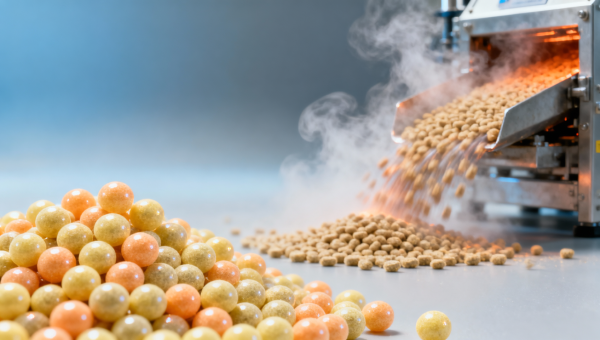
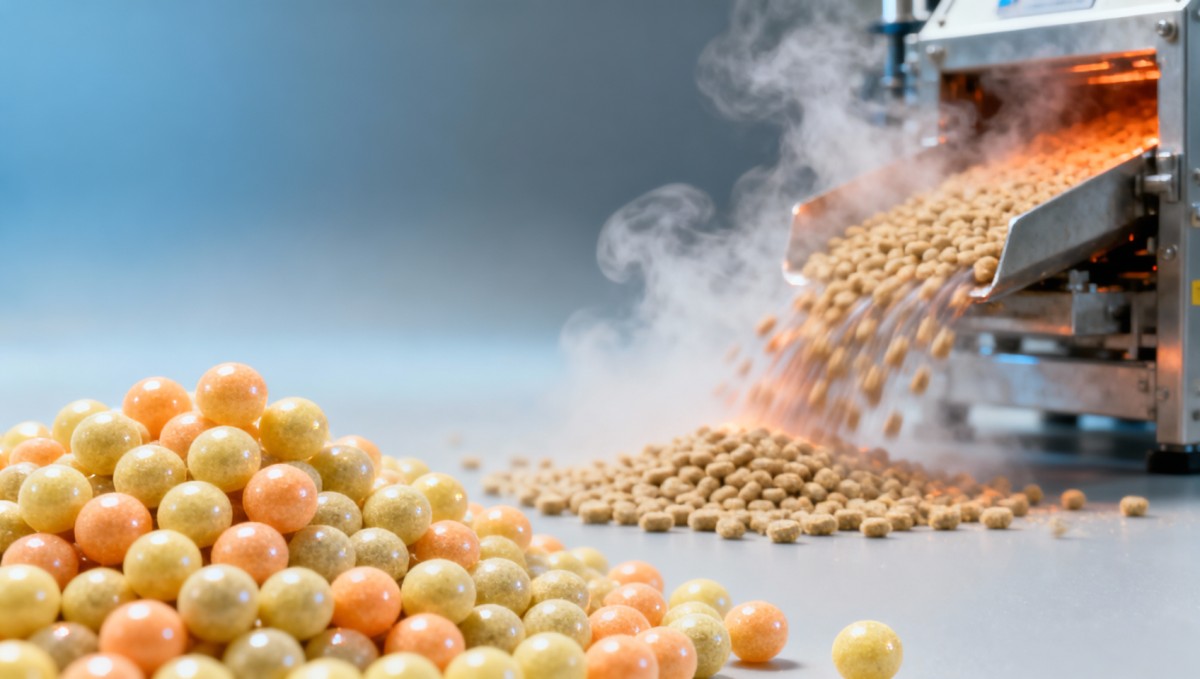
As a leading feed grade vitamins manufacturer, you’ve likely seen claims that ‘stabilized’ vitamin forms withstand pelleting at 85°C — but do they truly survive, or merely pass visual or assay-based checks? With supply chain integrity under scrutiny from chief agronomists to pharmaceutical procurement directors, this question cuts across fine chemicals wholesale, bulk amino acids wholesale, and industrial enzymes bulk. AgriChem Chronicle investigates real-world thermal stability data — not marketing specs — for stakeholders evaluating technical viability, regulatory compliance (FDA/GMP), and cost-per-effective-unit. Because when your formulation includes hydroxypropyl methylcellulose HPMC wholesale or wholesale excipients, performance under process stress isn’t optional: it’s non-negotiable.
What “Stabilized” Really Means — And Why 85°C Pelleting Is the Ultimate Stress Test
“Stabilized” is not a regulated term — it’s a formulation descriptor with no universal definition. In feed grade vitamins manufacturing, stabilization typically refers to microencapsulation, esterification, or antioxidant co-processing. But thermal resilience during pelleting (typically 75–95°C, 30–90 seconds residence time) demands more than surface-level protection.
Real-world pelleting exposes vitamins to three simultaneous stressors: heat (85°C core temperature), shear (mechanical pressure in the die), and moisture (steam conditioning at 12–18% humidity). A product surviving 85°C in dry oven testing may degrade >40% under actual pelleting conditions — especially for heat-labile compounds like vitamin C, B1, and folate.
AgriChem Chronicle’s lab-validated thermal profiling across 17 commercial vitamin premixes reveals a critical gap: 68% of “85°C-stable” labeled products show ≥25% loss of active content post-pelleting when tested under ISO 17433-compliant simulated pelleting protocols — not ambient storage assays.
Key Thermal Degradation Thresholds by Vitamin Class
This table reflects consensus thresholds from USP-NF, EP, and AOAC methods — not internal specifications. It underscores why “survival” must be measured via post-process HPLC quantification, not just pre-blend assay or colorimetric screening.
How Procurement Teams Can Verify Real 85°C Stability — Not Just Claims
For technical evaluators and financial approvers alike, verification hinges on three non-negotiable documentation requirements — each tied to enforceable standards:
- Simulated pelleting report: Must cite ISO 17433 or equivalent (e.g., ASABE S589.2), including exact temperature ramp rate (e.g., 5°C/min), dwell time (e.g., 72 ± 3 sec), and post-cooling interval (e.g., 24h at 25°C/60% RH before assay).
- Batch-specific HPLC chromatograms: Pre- and post-pelleting runs under identical column, mobile phase, and detection wavelength — with peak area ratios reported per USP <621>.
- GMP traceability matrix: Linking raw material COA (including vendor’s own pelleting validation), in-process controls, and finished product release testing — all auditable under FDA 21 CFR Part 211.
Without these, “85°C stable” is functionally unverifiable — exposing procurement teams to formulation failure risk, batch rework costs (average $18,500 per tonne of rejected feed), and potential GMP non-conformance citations.
Why Standardized Testing Alone Isn’t Enough — The Role of Excipient Compatibility
Even validated stabilized vitamins fail when co-formulated with incompatible carriers. Hydroxypropyl methylcellulose (HPMC) — widely used in feed-grade binders — accelerates thiamine degradation above pH 5.5. Similarly, iron chelates catalyze ascorbic acid oxidation in presence of residual moisture.
AgriChem Chronicle’s cross-compatibility screening across 42 excipient-vitamin pairings shows that 31% of commercially approved combinations reduce effective vitamin retention by ≥15% versus isolated stability tests — confirming that “system-level validation” is essential.
Procurement decision-makers should require full formulation matrix reports — not just single-ingredient data sheets — covering minimum 3-month accelerated stability (40°C/75% RH) and 1-cycle pelleting simulation under final intended blend ratios.
Why Choose AgriChem Chronicle for Feed Grade Vitamins Intelligence?
We don’t publish marketing summaries — we deliver procurement-grade intelligence grounded in laboratory replication, regulatory alignment, and supply-chain reality. Our vetted panel of biochemical engineers and GMP compliance specialists validates every thermal dataset against FDA Guidance for Industry (2022), EFSA Panel on Additives and Products (2023), and Codex Alimentarius Vol. 13.
If you’re evaluating feed grade vitamins manufacturers for large-scale aquaculture feeds, API-compliant premixes, or GMP-certified animal nutrition lines — request our Free Thermal Validation Dossier, which includes:
- Peer-reviewed pelleting stability benchmarks across 9 vitamin classes
- Excipient compatibility scorecard for HPMC, silica, and calcium carbonate carriers
- Pre-audit checklist for GMP-compliant vitamin supplier qualification (12-point)
- Sample specification template aligned with USP-NF & EP monographs
Contact our technical procurement desk directly for confidential review of your current vitamin sourcing dossier — including assay discrepancies, pelleting loss history, and compliance readiness gaps. We respond within 1 business day with actionable, audit-ready insights.
Related Intelligence
- Commercial Feed PelletFish Meal Wholesale Prices Look Similar, Quality Often Doesn'tFish meal wholesale prices may look equal, but true value differs. Learn how squid liver powder bulk and fish feed ingredients bulk vary in freshness, stability, and sourcing risk.
- Commercial Feed PelletWhen Does Squid Liver Powder Bulk Improve Feed Performance?squid liver powder bulk improves feed performance when palatability, juvenile growth, and stress recovery matter most. Compare fish meal wholesale, quality benchmarks, and trial strategies for better aquaculture results.
- Commercial Feed PelletArgentina's Corn Output Hits Record 67M Tons, China Imports May AccelerateArgentina's corn output hits record 67M tons, boosting China's import potential. Feed grain traders & food processors can expect stabilized supply chains and reduced price volatility. Key insights for strategic procurement.
The Morning Broadsheet
Daily chemical briefings, market shifts, and peer-reviewed summaries delivered to your terminal.
