
China to Upgrade Mandatory Standard for Commercial Feed Pellets in 2026
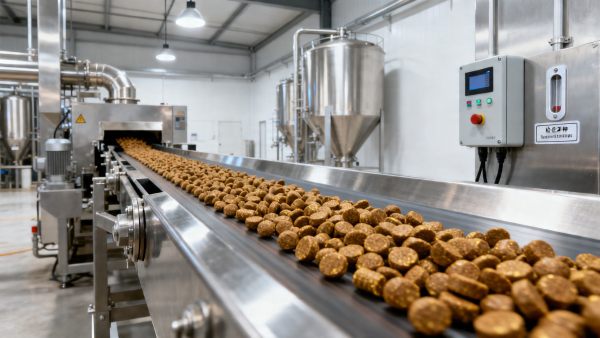
On April 12, 2026, the State Administration for Market Regulation (SAMR) launched the 2026 Standard Enhancement Special Action, announcing an accelerated revision of the mandatory national standard for Commercial Feed Pellets. This update directly impacts feed manufacturers, exporters, raw material suppliers, and livestock producers—particularly those engaged in ruminant nutrition, international trade, and quality assurance systems.
Event Overview
On April 12, 2026, the State Administration for Market Regulation deployed the 2026 Standard Enhancement Special Action. As part of this initiative, the mandatory national standard for Commercial Feed Pellets will be revised. Key updates include: (1) newly introduced mycotoxin control requirements across the entire production chain; (2) migration limits for microplastics in ruminant feed; and (3) durability grading criteria for export-oriented pellet products. The revised standard is scheduled for release in Q4 2026 and mandatory implementation from Q2 2027.
Industries Affected by the Revision
Feed Manufacturing Enterprises
Manufacturers producing commercial feed pellets—especially those supplying ruminant feed or exporting pellets—will face direct compliance obligations. The new mycotoxin process controls require documented monitoring at raw material intake, mixing, pelleting, and storage stages. Microplastic migration limits imply stricter supplier qualification for binders, coatings, and packaging materials. Durability grading introduces objective testing protocols (e.g., PDI—Pellet Durability Index) that may necessitate equipment recalibration or process adjustments.
Export-Oriented Trading Companies
Firms handling cross-border feed shipments must align product specifications with the upcoming durability grading system before Q2 2027. Buyers in regulated markets (e.g., EU, ASEAN, GCC) may begin requesting pre-compliance documentation as early as late 2026. Contract terms referencing ‘pellet integrity’ or ‘dust content’ may require renegotiation to reflect the new grading tiers.
Raw Material & Additive Suppliers
Suppliers of grain, protein meals, binders, mold inhibitors, and pelleting aids must prepare for enhanced traceability and test-reporting expectations. Mycotoxin control expansion implies demand for certified low-mycotoxin lots and batch-level analytical data—not just end-product testing. Microplastic migration limits may trigger scrutiny of polymer-based additives, lubricants, and anti-caking agents used in pelleting lines.
Quality Assurance & Third-Party Testing Providers
Laboratories and certification bodies will need to validate and accredit methods for microplastic quantification in feed matrices and durability grading under standardized conditions (e.g., tumbling time, sieve aperture). Capacity planning for increased sample volume—especially for pre-shipment verification—should begin ahead of Q4 2026.
What Enterprises and Practitioners Should Monitor and Do Now
Track official draft release and public consultation timelines
The revised standard is expected to enter public consultation after Q3 2026. Enterprises should subscribe to SAMR’s official announcements and monitor the National Standardization Management Committee’s website for draft GB documents. Early review of draft clauses—especially definitions of ‘microplastic’, ‘migration’, and durability test parameters—is critical for technical feedback submission.
Map current product portfolios against the three new requirement categories
Companies should conduct internal gap assessments: (1) identify which feed lines lack documented mycotoxin monitoring points; (2) flag ruminant formulations containing polymer-derived ingredients; (3) benchmark existing pellet durability test results against likely grading thresholds (e.g., PDI ≥90% for Grade A). Prioritize high-volume or export-bound SKUs first.
Distinguish between policy signal and operational readiness
While mandatory enforcement begins in Q2 2027, regulatory inspections may reference the new standard earlier during routine audits—especially for enterprises applying for export registration or GMP+ certification. Compliance should not be deferred until the enforcement date; instead, treat Q4 2026 (draft release) as the effective starting point for process alignment.
Initiate supplier engagement and internal protocol updates
Update procurement specifications to require mycotoxin certificates from grain and oilseed suppliers. Review pelleting line maintenance logs for potential microplastic shedding sources (e.g., worn polymer bushings, conveyor belts). Revise internal QA checklists to include durability sampling frequency and reporting formats aligned with anticipated national lab guidelines.
Editorial Perspective / Industry Observation
From an industry perspective, this revision signals a structural shift—from end-product conformity to process-integrated safety management in compound feed manufacturing. It is more than a technical update; it reflects tightening interagency coordination between SAMR, the Ministry of Agriculture and Rural Affairs, and customs authorities on food-chain resilience and green trade barriers. Analysis来看, the inclusion of microplastic migration limits suggests anticipatory alignment with emerging EU and OECD frameworks on environmental contaminants in animal feed—though no bilateral harmonization is confirmed. Observation来看, the durability grading requirement appears designed to reduce post-production losses and improve feed efficiency metrics, indirectly supporting national livestock productivity targets. Current more appropriate interpretation is that this is a regulatory signal with phased operational impact—not yet a binding constraint, but one requiring staged preparation across R&D, procurement, and quality functions.
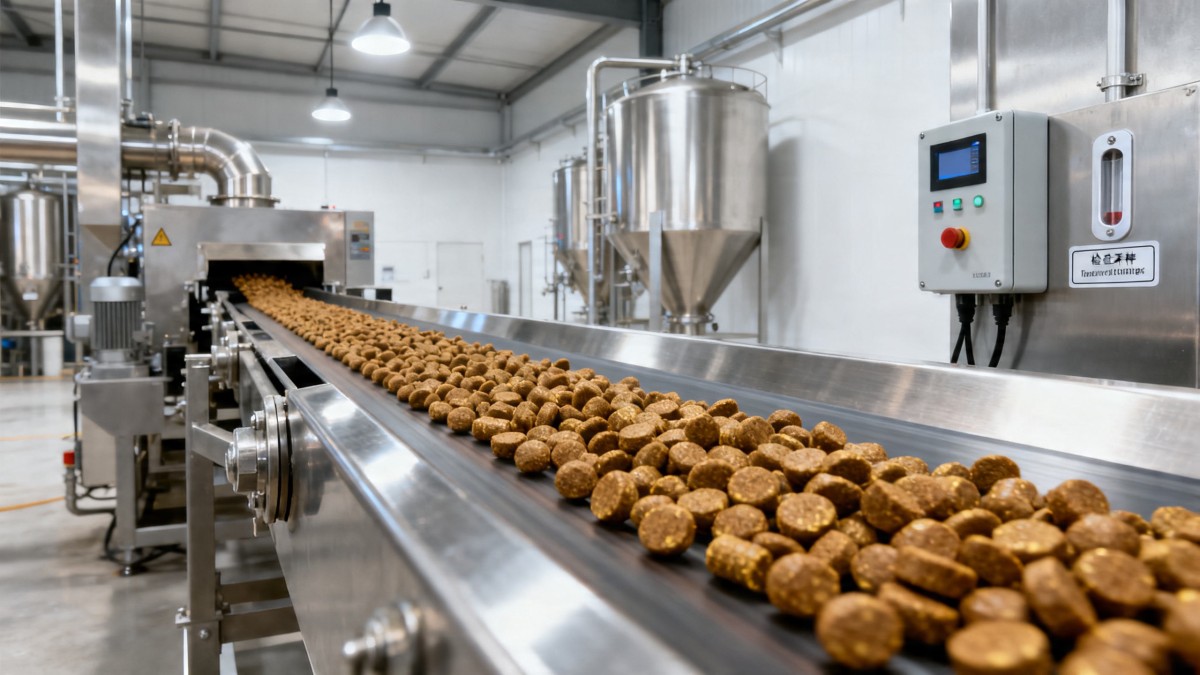
In summary, the 2026 Commercial Feed Pellet standard revision marks a milestone in China’s feed quality governance framework—not merely updating limits, but embedding preventive controls across the value chain. Its significance lies less in immediate disruption and more in how it reshapes long-term investment priorities: from equipment capacity to data traceability, from supplier audits to cross-functional compliance ownership. For stakeholders, it is best understood not as a deadline-driven compliance task, but as a catalyst for systemic quality infrastructure development.
Source: State Administration for Market Regulation (SAMR), 2026 Standard Enhancement Special Action Announcement (April 12, 2026).
Note: Draft text of the revised standard, detailed test methodologies, and official durability grading definitions remain pending public release and are subject to observation.
Related Intelligence
- Commercial Feed PelletChina to Upgrade Mandatory Standard for Commercial Feed Pellets in 2026China's 2026 Commercial Feed Pellets mandatory standard upgrade introduces mycotoxin controls, microplastic limits & durability grading—key for exporters, manufacturers & QA teams. Act now to align.
- Commercial Feed PelletU.S.-Iran Strait of Hormuz Tensions Push Feed Pellet Freight Rates Up 8.3%U.S.-Iran Strait of Hormuz tensions spike feed pellet freight rates by 8.3%. Discover how exporters, importers & logistics providers can mitigate risk and adapt fast.
- Commercial Feed PelletVertical Feed Mixer Machine: What Size Do You Need?Vertical feed mixer machine sizing guide: compare batch capacity, daily output, and formula needs. Ideal for horizontal ribbon blender feed buyers, cattle feed processing plant planners, and animal feed mixers wholesale sourcing.
The Morning Broadsheet
Daily chemical briefings, market shifts, and peer-reviewed summaries delivered to your terminal.
