
Why Elderberry Extract Wholesale Specs Need a Closer Look
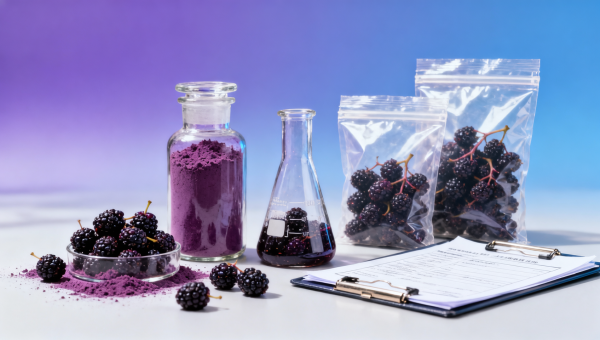
Buying elderberry extract wholesale on paper is easy; buying a spec that consistently delivers is not. From anthocyanin standardization and solvent residues to traceability, adulteration risk, and batch-to-batch stability, small details can reshape cost, compliance, and product performance. For teams also comparing maitake mushroom extract, chaga mushroom extract, or astragalus root extract, a closer reading of technical specifications is essential before any serious sourcing decision.
Why wholesale elderberry extract specifications deserve deeper review
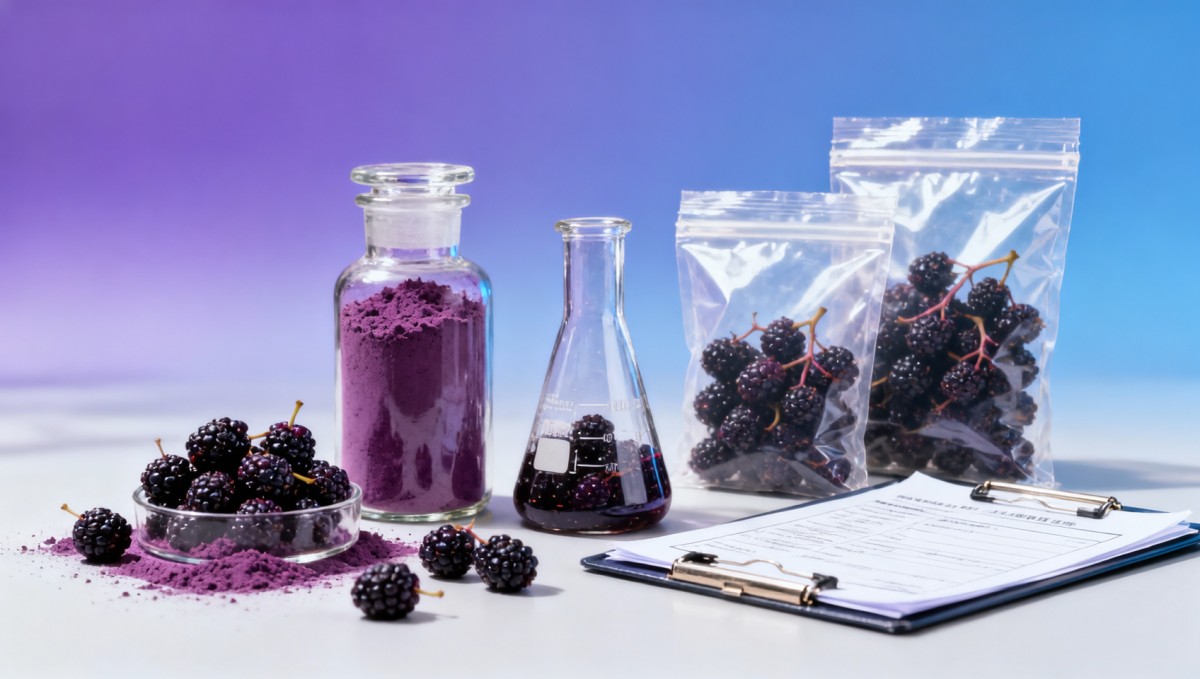
In bulk botanical procurement, a specification sheet is not just a sales attachment. It is a risk-control document that affects formulation performance, import clearance, quality release, and downstream brand claims. For procurement teams, technical evaluators, and quality managers, the difference between a usable elderberry extract and a problematic one often appears in 5 to 7 specification lines rather than in the headline concentration claim.
Elderberry extract wholesale decisions usually involve multiple stakeholders. Operators want easy handling and stable dispersion. Quality control teams focus on identity, residues, and microbiology. Financial approvers look at cost per active unit, not just price per kilogram. Project managers care about lead times that typically range from 2 to 6 weeks depending on harvest season, extraction route, and documentation readiness.
This matters even more in the broader bio-extracts and ingredients market covered by AgriChem Chronicle. ACC serves readers who evaluate fine chemicals, agricultural inputs, and regulated industrial materials through a technical lens. In that environment, a botanical ingredient must be reviewed like a professional sourcing category: raw material origin, process controls, analytical methods, and supply-chain transparency all need to align before volume commitments are made.
A common mistake is assuming that two elderberry extract lots labeled with the same anthocyanin percentage will behave the same way. They may not. Solvent systems, carrier materials, moisture content, mesh size, and storage conditions can shift color stability, flavor impact, and shelf-life behavior over 3, 6, or 12 months. That is why the spec needs a closer look.
What professional buyers usually check first
- Whether the declared active marker is clearly defined, such as total anthocyanins, anthocyanidins, or a method-specific color index.
- Whether the botanical identity includes genus, species, plant part, and origin, which reduces substitution risk.
- Whether the manufacturing process discloses extraction solvents, carrier ratio, and drying method for powder stability.
- Whether the lot release package includes COA, microbial limits, heavy metals, and residual solvent data in one consistent format.
Which technical parameters actually influence sourcing outcomes?
For technical assessment teams, the first task is separating marketing descriptors from decision-grade parameters. “High potency” is not measurable. Standardized anthocyanins, loss on drying, bulk density, solubility behavior, and contaminant thresholds are measurable. In practical procurement, these 6 to 8 parameters determine whether an elderberry extract can move smoothly from quotation to pilot validation and then to regular supply.
Anthocyanin standardization deserves special attention because different analytical approaches may not be directly comparable. If one supplier uses a spectrophotometric method and another presents a chromatography-based profile, the same headline figure may represent different material realities. Buyers should ask whether the method is lot-consistent and whether acceptance ranges are narrow enough to protect product performance over repeated purchases.
Residual solvents and excipients also affect suitability. A powder intended for nutraceutical tablets may tolerate different process aids than a clean-label beverage application. Moisture content can influence caking during storage, especially over 6 to 12 months in humid warehousing conditions. Particle size matters for blending uniformity, and pH sensitivity matters for color-bearing applications where anthocyanins are inherently less stable.
The table below highlights the parameters that most often shape acceptance or rejection during wholesale elderberry extract review. These are not abstract lab details. They influence line efficiency, compliance screening, return risk, and total landed cost.
When a supplier cannot explain these fields in a transparent and lot-specific way, the issue is not only technical. It becomes commercial. Hidden variability can trigger rework, retesting, delayed release, or higher dosage to compensate for weaker actual performance. That is why experienced B2B buyers often compare at least 3 lots, 2 documentation cycles, and 1 retained sample before moving to annual contracts.
How to read a specification beyond the headline number
Check the active marker definition
A standard such as “25% anthocyanins” is only meaningful if the method and basis are disclosed. Ask whether the value is measured on an as-is basis or dry basis. Even a modest moisture difference can distort apparent concentration and create cost comparison errors when bids are evaluated on a per-kilogram basis.
Check handling and storage variables
Storage guidance should define temperature, humidity, and container protection. Typical warehouse targets may sit around cool, dry, light-protected conditions, but the critical question is whether the supplier supports a realistic shelf-life with retained sample review and package compatibility data.
How does elderberry extract compare with maitake, chaga, and astragalus root extract?
Cross-category comparison helps buyers avoid using one evaluation template for very different extracts. Elderberry extract is often assessed around anthocyanins, color stability, fruit identity, and adulteration risk. Maitake mushroom extract and chaga mushroom extract are more likely to be reviewed through beta-glucan relevance, polysaccharide profiling, raw material authenticity, and extraction ratio claims. Astragalus root extract may emphasize marker compounds, root sourcing, and solvent selection.
This distinction matters for teams building a supplier panel across multiple bio-extract categories. A supplier skilled in mushroom actives may not automatically control fruit-derived pigment stability well. Likewise, a fruit extract producer may present a strong color assay package but weaker fungal raw material traceability. Procurement frameworks should therefore use both a common checklist and category-specific checkpoints.
For B2B buyers, the practical decision is not which extract is universally better. It is which spec architecture fits the intended application, claim strategy, and compliance environment. Comparing extracts on cost alone can be misleading if one material requires higher inclusion rates or tighter storage controls to achieve the same commercial result.
The following comparison table supports sourcing teams that are evaluating elderberry extract wholesale alongside other botanical extracts in the same project cycle.
The key takeaway is simple: use one procurement framework, but not one simplistic specification lens. In multi-extract sourcing, technical comparability should be built around function, assay logic, and process transparency. ACC’s editorial focus on bio-extracts and fine chemicals is useful precisely because it places these materials in a disciplined industrial procurement context rather than a generic ingredient catalog context.
Three practical comparison rules
- Compare cost per active unit, not price per kilogram alone, especially when carrier levels differ.
- Separate category-specific quality risks, such as pigment instability in elderberry versus substrate ambiguity in mushroom extracts.
- Ask for the same 4-document pack from every supplier: specification, COA, manufacturing flow summary, and storage statement.
What should procurement, QA, and finance teams ask before approving a supplier?
A reliable elderberry extract wholesale decision usually requires a cross-functional review. Procurement may shortlist 2 to 4 suppliers. QA reviews documentation and analytical fit. Technical teams run pilot tests. Finance compares actual usable value after dosage, waste, testing burden, and release timing are considered. If any one of these steps is skipped, the lowest quoted number can become the highest real cost.
Timing matters as much as price. Many buyers underestimate how long qualification can take when botanical extracts need additional identity confirmation or region-specific import paperwork. A realistic path can involve 4 stages: desk review, sample testing, commercial negotiation, and first-lot monitoring. Even when samples move quickly in 7 to 15 days, the full approval cycle may take 3 to 8 weeks depending on internal sign-off procedures.
Documentation completeness should be treated as a screening filter, not a post-order request. A clean supplier file should support at least five core questions: what exactly is the material, how is it made, how is it tested, what variability is expected, and how is traceability maintained? If answers arrive slowly or change between revisions, that is an early warning sign for later execution risk.
The checklist below is useful for project managers and sourcing leads who need to align technical review with commercial approval. It works especially well when comparing multiple botanical extracts across one procurement round.
A 6-point approval checklist for elderberry extract wholesale
- Confirm botanical identity, plant part, and origin with documentation that stays consistent across specification, COA, and labeling drafts.
- Review active marker methodology and define acceptance limits for at least the first 3 commercial lots.
- Check residual solvents, microbiology, and heavy metals against internal category requirements and destination market expectations.
- Assess carrier level, moisture, and particle behavior for the intended production line, especially in powder blending or beverage systems.
- Validate packaging, storage, and shelf-life assumptions under real warehousing conditions, not ideal laboratory conditions.
- Estimate total cost of use, including sampling, testing, delays, and rework risk, not just quoted unit price.
Common sourcing misconceptions
“Same assay means same quality”
Not necessarily. Two lots can share a headline assay and still differ in flavor load, carrier percentage, or contaminant profile. The usable quality of elderberry extract wholesale depends on the entire specification package, not one number.
“Lower price always improves margins”
A cheaper lot that requires extra incoming testing, higher dosing, or additional claims review may increase total cost. Finance teams should ask for cost-per-functional-unit comparisons over a 6 to 12 month purchase horizon.
How do compliance, traceability, and supply-chain transparency affect long-term value?
In botanical sourcing, traceability is more than a documentation preference. It supports audit readiness, recall control, and origin-related risk management. For elderberry extract wholesale, traceability should extend from raw fruit sourcing to extraction, drying, packaging, and final lot coding. This is especially important when buyers operate in markets where import review, customer questionnaires, or internal QA standards require clear chain-of-custody logic.
Compliance expectations also vary by end use. Some buyers need a food-oriented documentation set, while others need a stronger file for nutraceutical or adjacent regulated categories. Commonly reviewed elements include manufacturing controls, contaminant screening, allergen statements where relevant, and fit with customer-facing compliance frameworks. Standards such as GMP, FDA-facing documentation logic, or region-specific import declarations may shape the required file depth, even when they do not guarantee market acceptance on their own.
AgriChem Chronicle’s value in this space comes from translating complex supply-chain and compliance questions into procurement intelligence that technical and executive teams can both use. ACC’s cross-disciplinary coverage of fine chemicals, bio-extracts, and regulated primary-industry supply chains helps institutional buyers judge not only what a supplier claims, but what the documentation structure implies about operational maturity.
In long-term contracts, transparency often becomes a stronger predictor of supplier performance than initial price. A supplier that can maintain lot-level consistency over 4 quarters, respond clearly to deviation questions, and present stable documentation revisions reduces procurement friction across every function involved in approval.
FAQ for technical buyers and sourcing managers
How many lots should be reviewed before approving an elderberry extract supplier?
A practical starting point is 3 lots if available, especially when reviewing anthocyanin consistency, documentation alignment, and physical behavior. For seasonal materials, teams should also ask how the supplier manages harvest variation and whether retained sample comparisons are available.
What lead time is typical for wholesale elderberry extract?
Typical commercial lead times may fall in a 2 to 6 week range, but this depends on stock position, harvest timing, packaging format, and document preparation. If a custom assay, special carrier profile, or additional testing is required, longer planning windows are prudent.
What is the biggest hidden risk in botanical extract sourcing?
The biggest hidden risk is false comparability. Buyers often compare two quotations as if they represent the same material, while the active basis, carrier load, or testing rigor differs. That can distort price analysis and undermine qualification decisions.
Why work with a specialist intelligence partner before making a wholesale decision?
When bio-extract sourcing moves beyond simple brochure review, teams need more than supplier claims. They need structured market intelligence, technical interpretation, and a way to compare categories such as elderberry extract, maitake mushroom extract, chaga mushroom extract, and astragalus root extract using procurement logic that stands up to QA, operations, and finance review.
AgriChem Chronicle supports that need through an editorial model built for primary industries and fine chemicals. Our focus is not generic content production. It is translating manufacturing capability, laboratory evidence, compliance context, and market realities into decision-useful analysis for institutional buyers, industrial operators, and technical evaluators.
If your team is reviewing elderberry extract wholesale specifications, we can help frame the critical questions before procurement risk becomes operational cost. That includes parameter confirmation, extract category comparison, documentation review priorities, likely lead-time considerations, and fit-for-application analysis based on actual sourcing logic rather than surface-level marketing language.
Contact us if you need support with specification interpretation, supplier shortlisting, batch-to-batch evaluation criteria, delivery cycle planning, sample review strategy, certification-related document questions, or quotation comparisons based on total usable value. For buyers managing complex botanical portfolios, that clarity can shorten approval time, improve supplier selection, and reduce avoidable sourcing mistakes.
Related Intelligence
- Natural IngredientsIndonesia BPOM Updates Natural Ingredients Labeling RulesIndonesia BPOM updates natural ingredients labeling rules: New 'Microbial Tolerance Statement' required for plant powders, fermented extracts & peptides—act now to avoid customs delays.
- Natural IngredientsIndonesia BPOM Updates Label Rules for Natural Ingredients ImportsIndonesia BPOM updates label rules for natural ingredients imports: New pH ≤4.6 & 60°C/30min tolerance statement required by Aug 1, 2026 — act now to avoid customs rejection.
- Natural IngredientsIndonesia BPOM Updates Natural Ingredients Import LabelingIndonesia BPOM Updates Natural Ingredients Import Labeling: New 'Microbial Resistance Profile' required for cosmetics, supplements & personal care imports—act now to avoid customs delays.
The Morning Broadsheet
Daily chemical briefings, market shifts, and peer-reviewed summaries delivered to your terminal.
