
Vanilla Bean Extract Bulk: Which Grade Fits Premium Products?
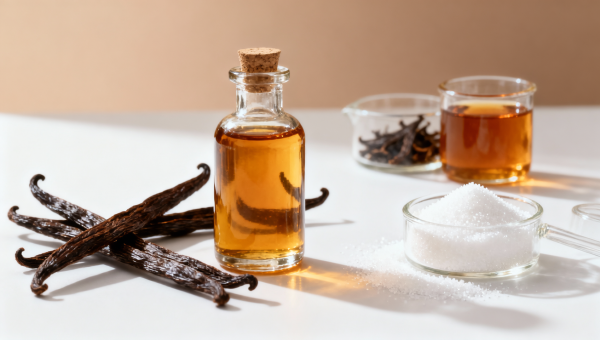
For buyers developing premium foods, beverages, nutraceuticals, or fragrance systems, choosing the right vanilla bean extract bulk grade affects flavor integrity, compliance, and cost efficiency. This article explains how different specifications align with premium product goals while comparing sourcing considerations alongside adjacent ingredients such as stevia extract wholesale, erythritol powder bulk, and other natural flavors manufacturer solutions.
In bulk procurement, vanilla is rarely a simple flavor purchase. It is a technical ingredient decision that influences label claims, formulation stability, sensory consistency, and landed cost across multiple SKUs. For procurement teams, formulators, quality managers, and commercial decision-makers, the key question is not just whether a supplier offers vanilla bean extract bulk, but which grade fits the intended premium positioning without introducing avoidable compliance or margin risk.
The market now includes pure extracts, concentrated extracts, single-fold and multi-fold formats, alcohol-based and alcohol-free systems, and variants designed for food, dietary supplements, cosmetics, and fragrance applications. Understanding these distinctions helps buyers compare premium natural flavor systems on practical terms: extract strength, source traceability, regulatory fit, shelf life, and batch-to-batch variation.
Understanding Vanilla Bean Extract Bulk Grades in Premium Applications
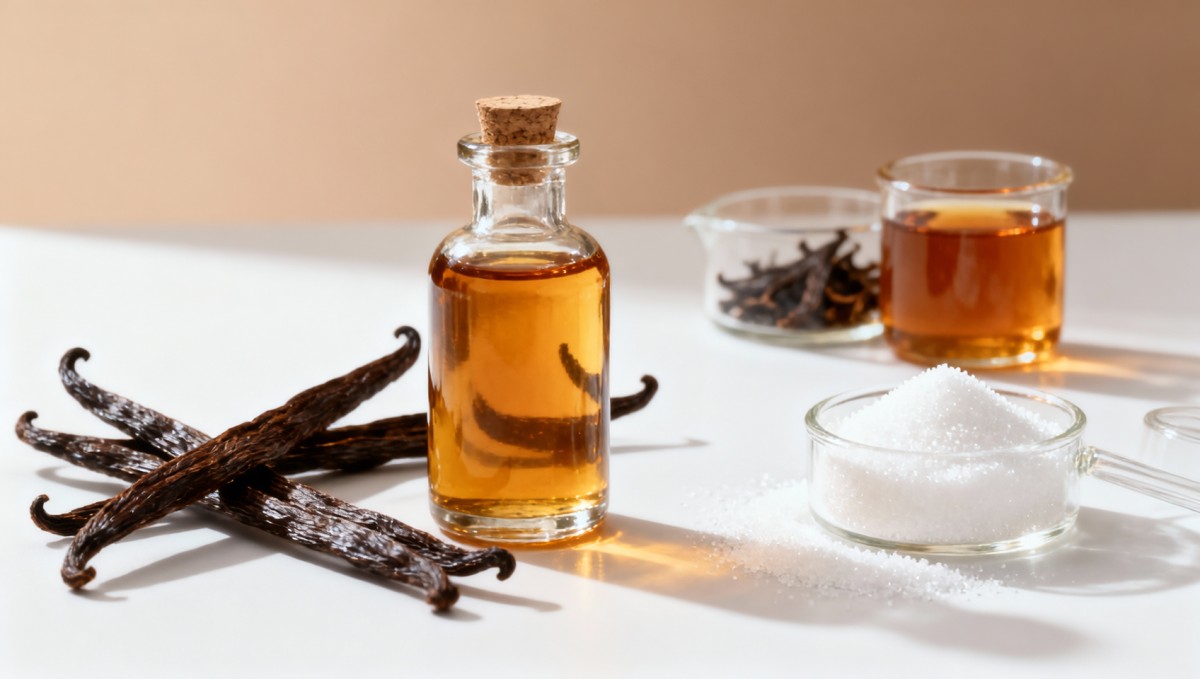
Vanilla bean extract bulk is commonly differentiated by extraction strength, raw material origin, solvent system, and intended use category. In commercial trade, buyers often encounter single-fold, double-fold, and higher concentration grades. A single-fold extract is typically formulated to deliver the standard flavor intensity expected in conventional food use, while double-fold or 3-fold grades provide stronger aroma impact in lower dosing volumes.
For premium products, grade selection matters because dosage economics do not always favor the lowest unit price. A lower-strength extract may require 2 to 3 times the usage level in an ice cream base, RTD beverage, or nutrition blend. That affects both cost-in-use and process design, especially when alcohol content, water activity, or solids balance must stay within a narrow formulation window.
Another critical distinction is whether the product is labeled as pure vanilla extract, natural vanilla extract, vanilla flavor extract, or a compounded vanilla system. These terms may sound similar in sales presentations, but they can carry different implications for ingredient declarations, regional market claims, and premium brand storytelling. Procurement and regulatory teams should request product specifications, solvent details, and allergen statements before comparing offers.
In premium categories, origin also plays a commercial role. Madagascar, Uganda, Papua New Guinea, and Indonesia each contribute beans with different sensory characteristics. While origin alone does not guarantee quality, it can influence sweetness perception, woody notes, smoky character, and consumer-facing brand positioning. A fragrance developer may prioritize warm balsamic depth, while a nutraceutical manufacturer may prefer a cleaner, lighter profile that does not mask botanical actives.
Core grade variables buyers should verify
- Extract strength, often discussed as 1-fold, 2-fold, or higher concentration systems.
- Vanillin content or sensory intensity range, where applicable in technical documentation.
- Solvent base, such as water-alcohol extraction or alcohol-free carrier systems.
- Application fit across bakery, dairy, beverage, supplement, and fragrance formulations.
- Shelf-life expectations, commonly 12 to 24 months under recommended storage.
The table below outlines how common commercial grades map to premium product development needs. It is not a substitute for a supplier specification sheet, but it provides a practical selection framework for early-stage sourcing and technical evaluation.
The main takeaway is that premium positioning usually requires aligning grade with both formulation constraints and brand claims. In many cases, a double-fold vanilla bean extract bulk format offers the best balance between sensory depth and production efficiency, but that choice should be validated against dosage trials, labeling requirements, and target market regulations.
How to Match Grade Selection to Product Category, Label Strategy, and Process Conditions
A premium vanilla decision should begin with end-use conditions rather than supplier catalogs. A bakery manufacturer running batches at 180°C to 200°C has different needs from a cold-fill beverage producer or a softgel nutraceutical processor. Heat exposure, pH range, fat content, sweetness profile, and storage duration all influence how vanilla notes perform after processing and during shelf life.
Label strategy is equally important. If the goal is a short and recognizable ingredient panel, buyers may prefer pure or natural vanilla extract systems over blended flavor solutions. However, if the formula includes high-intensity sweeteners such as stevia extract wholesale inputs, the vanilla system may need additional profile engineering to soften bitterness, round off metallic notes, and maintain sweetness perception across 6 to 12 months of commercial shelf life.
In reduced-sugar or sugar-free products, vanilla often works in combination with erythritol powder bulk and other sweetener systems to improve mouthfeel perception. Here, extract grade selection affects more than aroma. It can determine whether the finished product tastes creamy and premium or thin and cooling. A stronger fold is not automatically better; over-concentrated vanilla can create sharp top notes in beverages or an overly dark flavor tone in delicate dairy systems.
For fragrance and personal care applications, alcohol level and color are frequently reviewed alongside odor character. A dark extract may be acceptable in amber-toned fragrance blends but problematic in pale emulsions or transparent systems. Buyers should define 4 to 6 decision criteria before issuing RFQs: sensory target, dosage limit, solvent compatibility, appearance tolerance, documentation requirements, and annual volume forecast.
Application-specific selection logic
Food and beverage systems
In ice cream, bakery creams, and premium beverages, buyers often compare a 1-fold versus 2-fold vanilla bean extract bulk grade based on dose, not only on drum price. A product used at 0.2% may outperform a lower-cost option used at 0.5%, especially when freight, storage, and tank turnover are included in total cost.
Nutraceutical and wellness formulations
Protein powders, liquid supplements, and botanical blends require vanilla systems that mask harsh notes without creating sediment or instability. In these applications, pH between 3.5 and 7.0, protein interaction, and sweetener synergy should be tested over at least 8 to 12 weeks of stability screening.
Fragrance and specialty aroma use
Fragrance developers may prioritize a specific olfactory profile over food-style label language. Here, the right grade is often the one that delivers consistent warm, creamy, or resinous notes at controlled use levels while remaining stable in the chosen carrier system.
The table below provides a practical category-by-category guide for aligning vanilla grade with premium product goals and adjacent ingredient choices.
This comparison shows that the right vanilla bean extract bulk grade depends on formulation architecture, not just flavor preference. The strongest sourcing outcomes usually come from cross-functional review involving R&D, procurement, quality, and regulatory teams before commercial scale-up begins.
Procurement Criteria: What Technical and Commercial Buyers Should Audit Before Ordering
Premium ingredient buying requires a structured qualification process. Vanilla bean extract bulk can vary significantly in aroma strength, color, solvent ratio, and documentation quality across suppliers. A disciplined sourcing workflow reduces the risk of approving a sample that performs well in a bench test but fails during full-scale production or import clearance.
At minimum, buyers should review 5 document groups: specification sheet, certificate of analysis, allergen statement, traceability declaration, and storage guidance. For multinational distribution, additional documentation may include country-of-origin statements, residual solvent information, heavy metal screening where relevant, and confirmation of compliance with destination-market food or cosmetic rules.
Commercial terms also deserve technical scrutiny. A low quoted price can hide higher cost through stronger MOQ, longer lead time, or inconsistent lot availability. For many buyers, realistic lead times range from 2 to 6 weeks depending on origin, extraction format, and whether stock is held regionally. If your production cycle runs monthly or biweekly, supply timing can matter as much as extract strength.
Packaging format affects handling and quality retention. Common options include 5 kg, 25 kg, and 180 kg containers. Smaller packs may support pilot runs and lower contamination risk after opening, while drums improve cost efficiency for regular industrial consumption. The optimal choice depends on monthly usage, line sanitation frequency, and whether the material is transferred into day tanks or used directly in batch preparation.
A practical supplier audit checklist
- Confirm grade definition and use rate assumptions, not just product name.
- Request 2 to 3 recent lot COAs to assess normal variability.
- Review packaging, storage, and transport conditions for export routes.
- Check whether annual volume commitments affect price breaks or allocation priority.
- Run pilot validation in the actual finished matrix, not only in water or syrup.
The following table helps procurement teams compare supplier offers beyond headline cost. It is particularly useful when vanilla is part of a broader sourcing program that also includes stevia extract wholesale, erythritol powder bulk, or other natural flavors manufacturer portfolios.
The strongest buying decisions usually come from combining sensory testing with commercial modeling. A supplier that provides reliable paperwork, realistic lead times, and stable lot performance can deliver more value than a marginally cheaper option that creates approval delays or inconsistent flavor outcomes.
Common Risks, Misunderstandings, and Quality Control Priorities
One common mistake is assuming all natural vanilla solutions are interchangeable. In practice, two samples may appear similar in a simple aroma test but behave differently after heating, homogenization, sweetener interaction, or 90-day storage. Premium product developers should evaluate performance in the final matrix, at target pH and processing temperature, before approving commercial purchase volumes.
Another misunderstanding is to over-prioritize concentration without considering sensory balance. A 2-fold or 3-fold vanilla bean extract bulk grade can reduce dosing, but it may also intensify dark, woody, or smoky notes that are desirable in one application and distracting in another. For premium yogurts, protein beverages, or delicate fragrance accords, cleaner and more rounded is often more valuable than simply stronger.
Quality control teams should also monitor storage and handling discipline. Even a well-produced extract can degrade if exposed to heat, air, or repeated contamination after opening. Typical storage guidance may recommend a cool, dry environment and tightly sealed containers, with internal use windows set after first opening based on plant conditions. In larger sites, 30-day to 60-day internal handling rules are common for liquid flavor management.
Where vanilla is sourced alongside sweeteners and adjacent natural ingredients, compatibility testing becomes especially important. A system containing stevia extract wholesale inputs, erythritol powder bulk, and botanical actives can create layered taste issues that are not visible from single-ingredient specifications. Cross-functional validation reduces rework, product launch delays, and consumer complaints tied to flavor drift.
Risk points buyers should not ignore
- Approving a sample without reviewing at least one production-lot COA.
- Comparing suppliers on price per kg instead of cost per finished batch.
- Ignoring solvent compatibility in low-alcohol or alcohol-free systems.
- Overlooking color impact in light beverages, creams, or transparent products.
- Skipping accelerated and real-time stability checks before scale-up.
FAQ: How do buyers decide between standard and premium grades?
Start with the product promise. If the item is sold on artisanal taste, clean labeling, or premium aroma character, standard commodity-grade vanilla may not support the target perception. A premium grade is typically justified when the formula needs stronger sensory authenticity, lower use levels, tighter documentation, or better compatibility with premium sweetener and flavor systems.
FAQ: What is a realistic commercial trial process?
A sound process often includes 3 steps: bench screening, pilot production, and first commercial run review. For each step, teams should document dosage, sensory performance, appearance, process behavior, and storage response over a defined period such as 4, 8, or 12 weeks depending on the product category.
FAQ: When should buyers involve finance and executive decision-makers?
Executive review is usually warranted when annual volume is high, supplier qualification requires long-term contracts, or the ingredient affects flagship product positioning. In those cases, a total-cost model covering dosage, freight, testing, inventory, and quality risk provides a stronger approval basis than simple unit pricing.
Building a Smarter Bulk Sourcing Strategy Across Vanilla and Adjacent Natural Ingredients
Vanilla rarely stands alone in premium formulation strategy. Buyers often source it as part of a wider natural ingredients program that includes sweetness modulation, botanical masking, and clean-label flavor design. That is why procurement teams increasingly compare vanilla bean extract bulk supply options alongside stevia extract wholesale channels, erythritol powder bulk contracts, and broader natural flavors manufacturer capabilities.
This portfolio view offers 3 advantages. First, it improves sensory integration because vanilla can be selected with the sweetener system in mind. Second, it streamlines vendor management by reducing fragmented qualification work. Third, it supports stronger negotiation on logistics, safety stock, and annual volume planning. For multi-SKU producers, this can reduce administrative complexity while improving supply continuity.
A practical sourcing strategy usually includes quarterly forecast reviews, secondary supplier mapping, and a defined protocol for lot approval. Companies launching premium products in multiple regions may also benefit from harmonized specification templates so technical, QA, and procurement teams evaluate the same criteria across ingredients. This is especially useful when one production site handles beverages, supplements, and flavor bases under the same purchasing structure.
For distributors, OEMs, and industrial brand owners, the right vanilla grade is therefore part of a larger commercial architecture. It should support product performance, documentation readiness, and cost discipline at the same time. Organizations that treat vanilla as a strategic ingredient, rather than a generic flavor line item, are usually better positioned to protect premium brand value and launch products with fewer reformulation cycles.
Action framework for buyers
- Define the premium target: sensory profile, label claim, and price band.
- Shortlist 2 to 4 suppliers based on grade fit and documentation readiness.
- Run application trials with adjacent ingredients, especially sweeteners and botanicals.
- Model cost-in-use, lead time, and inventory exposure before approval.
- Finalize a sourcing plan with QA release criteria and requalification timing.
Selecting the right vanilla bean extract bulk grade is ultimately a balancing exercise across flavor authenticity, process fit, compliance confidence, and commercial discipline. For premium foods, beverages, nutraceuticals, and fragrance systems, the best choice is the grade that performs consistently in the intended matrix and supports long-term sourcing reliability.
If your team is comparing vanilla grades, evaluating natural flavor systems, or aligning vanilla with stevia extract wholesale and erythritol powder bulk sourcing, now is the right time to build a more structured qualification framework. Contact us to discuss product details, request a tailored sourcing perspective, or explore more solutions for premium ingredient selection and supply planning.
Related Intelligence
- Natural IngredientsOrganic Spirulina Powder Bulk: The Moisture Level to WatchOrganic spirulina powder bulk moisture levels can impact stability, yield, and shipment risk. Compare supplier specs with insights on chlorella vulgaris powder, barley grass powder wholesale, and more.
- Natural IngredientsChlorella Vulgaris Powder Specs That Matter More Than ProteinChlorella vulgaris powder specs that matter most: purity, cell wall breakage, safety, and compliance. Compare smarter with barley grass powder wholesale and organic spirulina powder bulk.
- Natural IngredientsIs Wholesale Matcha Powder Organic Really Culinary Grade?Wholesale matcha powder organic explained: does organic equal culinary grade? Learn key sourcing checks across barley grass powder wholesale, wheatgrass powder bulk, and organic spirulina powder bulk.
The Morning Broadsheet
Daily chemical briefings, market shifts, and peer-reviewed summaries delivered to your terminal.
