
Shiitake Mushroom Powder vs Extract for Product Formulas
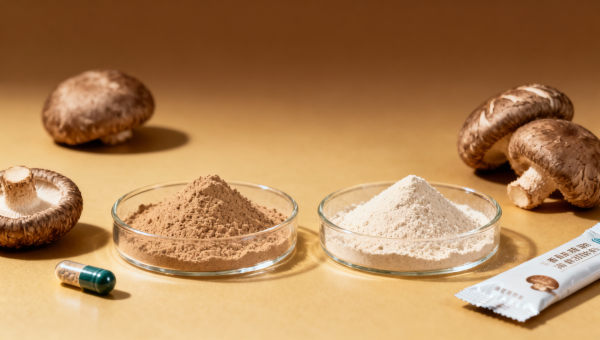
Choosing between shiitake mushroom powder and extract can significantly affect solubility, potency, label claims, and cost in commercial formulations. For R&D teams, buyers, and quality managers comparing maitake mushroom extract, chaga mushroom extract, cordyceps extract wholesale options, lion's mane mushroom powder, and reishi mushroom extract bulk, understanding processing differences is essential for making compliant, performance-driven ingredient decisions.
In commercial ingredient sourcing, the choice is rarely cosmetic. It influences active compound concentration, batch consistency, filtration behavior, finished dosage form, and even whether a formula can support a “mushroom extract” claim on the label. For procurement teams managing multi-product botanical portfolios, the distinction also affects landed cost, MOQ planning, and supplier qualification steps.
This article examines shiitake mushroom powder versus extract from a formulation, operations, and purchasing perspective. It is designed for technical evaluators, quality managers, project leads, finance approvers, and enterprise buyers who need practical criteria rather than generic marketing language.
How Shiitake Mushroom Powder and Extract Differ at the Processing Level
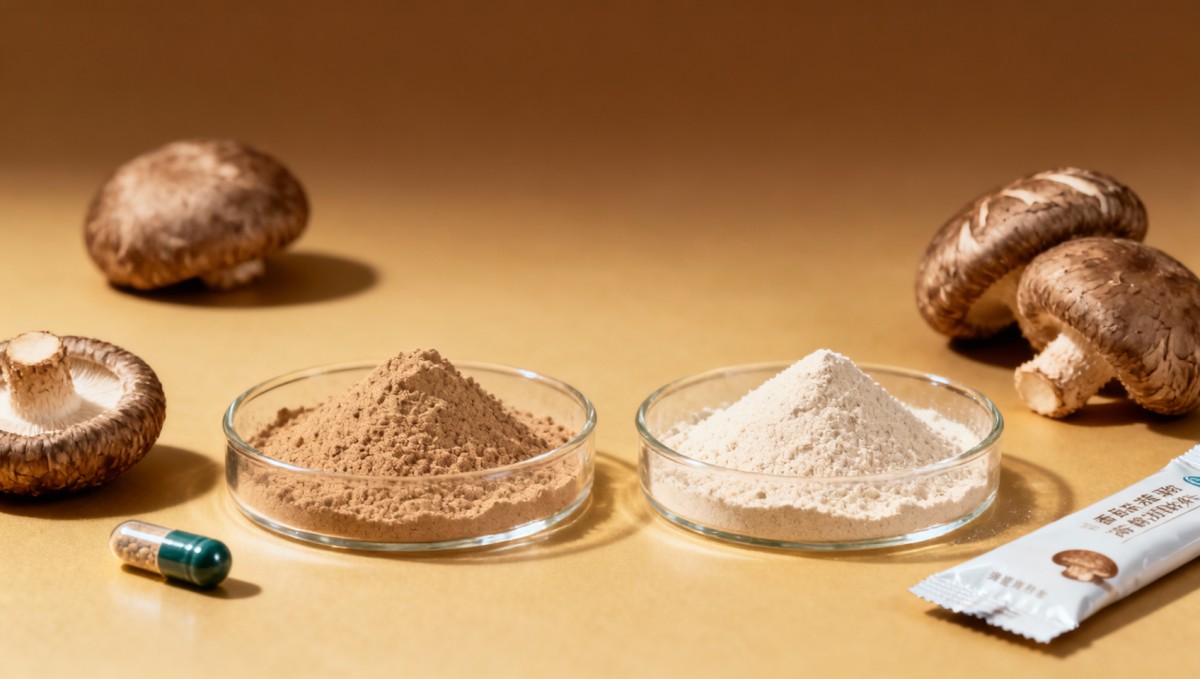
Shiitake mushroom powder is typically produced by drying the fruiting body and milling it into a fine particulate ingredient. Depending on the target application, mesh size may range from 60 to 200 mesh. This format preserves the whole-material profile, including fiber and insoluble solids, but it does not selectively concentrate bioactive fractions in the way an extract does.
Shiitake mushroom extract, by contrast, usually starts with water extraction or dual-stage processing, followed by concentration and spray drying. The result is a more standardized ingredient designed for higher dispersibility and stronger active content claims. In practical terms, a 10:1 extract is not just “stronger” in a casual sense; it usually reflects a processing ratio that reduces bulk while increasing the concentration of soluble fractions.
For formulators, this difference matters immediately. Powder tends to contribute body, opacity, and sediment, especially in beverages, sachets, and suspension formats. Extract is generally preferred when the formulation requires cleaner dispersion, lower usage rates, or a more controlled active marker specification. In capsule and tablet systems, both can work, but excipient balance often changes because extract density and hygroscopicity may differ from powder.
Quality teams should also note that raw material identity testing, microbial control, and heavy metal review can present different risk profiles. Powder often contains more total solids and fiber load, while extract manufacturing introduces process variables such as extraction temperature, concentration time, and carrier use. These factors should be reviewed during supplier approval and incoming QC.
Key technical distinctions buyers should confirm
- Raw material basis: fruiting body only, mycelium, or blended substrate-derived material.
- Processing type: simple milling, hot-water extraction, or multi-step concentration.
- Specification points: beta-glucans, polysaccharides, moisture, ash, particle size, and bulk density.
- Functional behavior: solubility, sedimentation rate within 5–30 minutes, and flavor intensity.
- Commercial terms: MOQ, lead time often ranging from 2–6 weeks, and documentation package depth.
The table below summarizes the most relevant formulation differences for industrial users comparing powder and extract for functional foods, supplements, and premix systems.
For most beverage, stick pack, and high-potency capsule programs, extract is operationally easier to standardize. For whole-food positioning, cost-sensitive dry blends, or products where visible mushroom material is acceptable, powder can remain the better commercial option.
Formulation Impact: Solubility, Potency, Sensory Load, and Label Claims
Formulators usually feel the difference between powder and extract in four areas within the first development round: solubility, active loading, taste profile, and label architecture. In a powdered beverage base, for example, shiitake mushroom powder can create visible settling after 3–10 minutes if no suspension system is used. Extract, especially finer spray-dried material, usually produces a more stable dispersion, though full clarity should not be assumed.
Potency is another decisive variable. If the commercial target is a concentrated daily serving in a 500 mg capsule or a 2 g stick pack with multiple actives, extract offers more room in the formula. Powder may consume too much space, especially when combined with lion's mane mushroom powder, reishi mushroom extract bulk inputs, or other adaptogenic components that already compete for fill weight.
Sensory impact should not be underestimated. Powder often carries a stronger earthy note and heavier mouthfeel because insoluble fractions remain in the matrix. Extract can still be bitter or umami-forward, but usage rates are usually lower. This matters when flavor systems must stay below a specific cost threshold or when sugar reduction targets leave less room to mask off-notes.
Label claims require a disciplined review of what the ingredient actually is. A whole mushroom powder and a standardized extract support different communication strategies. If a buyer assumes a powder can be marketed as an extract, or if an extract ratio is used without confirming assay methodology, the business may face claim inconsistency across markets with different import and labeling rules.
When powder is usually the better fit
- Whole-food supplement concepts where authenticity matters more than concentrated actives.
- Dry soup, seasoning, broth, and culinary premix systems that welcome mushroom body and texture.
- Products with inclusion rates above 1–3 g where bulk addition is acceptable.
When extract is usually the better fit
- Capsules, tablets, and sachets with strict fill limits and multi-ingredient competition.
- RTM, instant beverage, and shot formulas requiring cleaner dispersion and lower sediment.
- Premium formulas that need extract-based positioning or stronger standardization language.
The next comparison matrix can help technical and commercial teams align around finished-product constraints before requesting samples from multiple suppliers.
In practice, many successful commercial formulas use a hybrid approach. A developer may combine shiitake extract for concentration with lion's mane mushroom powder for broader whole-food storytelling, provided the analytical and labeling framework stays consistent across the blend.
Supplier Evaluation, Quality Control, and Documentation Requirements
Ingredient buyers should not evaluate shiitake mushroom powder and extract on price per kilogram alone. The more useful comparison is cost per functional serving, supported by documentation quality and process transparency. A lower-cost powder may become more expensive at the formula level if it requires a 4x higher use rate, increases flavor masking costs, or complicates line cleaning due to particulate load.
Quality control teams should request a structured dossier before approval. At minimum, this usually includes specification sheet, certificate of analysis, microbiological limits, heavy metals, allergen statement, solvent statement where relevant, country of origin, and storage conditions. For extract materials, it is also important to confirm whether carriers such as maltodextrin are present and at what approximate percentage.
Batch-to-batch consistency is especially important for institutions sourcing not only shiitake but also maitake mushroom extract, chaga mushroom extract, cordyceps extract wholesale inputs, and reishi mushroom extract bulk across a shared product line. If each supplier uses different assay methods for polysaccharides or beta-glucans, cross-product benchmarking becomes unreliable. Procurement and QC should therefore align on a common analytical review template.
Commercially, lead time and MOQ can vary widely. Common ranges in the botanical ingredient trade may run from 25 kg pilot orders to 500 kg production MOQs, with replenishment cycles of 2–8 weeks depending on seasonality, drying capacity, and extraction schedules. Finance approvers should assess not only unit pricing but also inventory carrying costs, shelf-life risk, and import clearance complexity.
A practical 6-point approval checklist
- Verify material identity and whether the product is fruiting body powder, mycelial biomass, or true extract.
- Review active specifications and the laboratory method used for each claimed value.
- Check microbiological and heavy metal limits against your target market requirements.
- Confirm excipients, carriers, anti-caking agents, and moisture range, ideally below a controlled threshold such as 8% where applicable.
- Test performance in the final dosage form instead of relying only on supplier bench data.
- Align procurement terms with realistic safety stock, usually 1.5–2 production cycles for strategic SKUs.
Common sourcing mistake
A frequent error is comparing a low-cost powder against a standardized extract without recalculating equivalent use levels. Another is accepting a generic “polysaccharides” claim without clarifying whether the assay distinguishes beta-glucans from starch-linked fractions. Both mistakes can distort value analysis and create avoidable compliance questions later.
Choosing the Right Format by Application Scenario
Application-first thinking is the safest route for cross-functional teams. A capsule manufacturer, a beverage brand, and a feed-adjacent functional premix operator may all purchase shiitake ingredients, but their success criteria differ. In one case, capsule fill efficiency and assay repeatability matter most; in another, dispersion and flavor masking dominate; in a third, cost per ton and process flow behavior drive the decision.
For dry beverage systems, extract is often preferred because it reduces visible sediment and allows a stronger actives story in 5–15 g serving formats. Powder can still work in latte-style beverages where suspension is expected, but it may require gums, lecithin, or agitation instructions. This affects both formulation complexity and packaging communication.
For capsules and tablets, extract usually supports a cleaner bill of materials. A two-capsule daily dose may offer only 800–1,200 mg of total fill capacity once excipients are included. In that space, powder may limit room for complementary ingredients such as reishi, chaga, or lion's mane. Extract helps preserve design flexibility while supporting premium positioning.
For culinary, savory, and broader food-manufacturing contexts, powder can be commercially efficient and sensorially appropriate. Here, visible mushroom character is not necessarily a defect. It can actually reinforce authenticity in soups, seasoning bases, and protein-rich dry blends, provided microbial controls and moisture management are robust.
Application guidance table
The following framework helps project managers and technical buyers connect product format to operational requirements before final RFQ issuance.
A disciplined application review often prevents expensive reformulation later. Testing 2–3 candidate materials in the actual matrix is usually more valuable than reviewing dozens of generic sales sheets.
Implementation Strategy, Risk Control, and Procurement Recommendations
Once the preferred format is identified, the next priority is implementation discipline. For commercial launches, a practical workflow often includes 5 stages: specification alignment, lab sample screening, pilot run validation, documentation closure, and production booking. Compressing these stages may save 1–2 weeks initially, but it can increase the risk of failed dispersibility, inconsistent sensory performance, or documentation gaps at the point of customer or regulator review.
Risk control should focus on the mismatch between supplier claims and finished-product realities. An extract that performs well in water at bench scale may behave differently in a protein-rich or mineral-heavy system. A powder that appears economical in theory may require additional anti-caking control, higher flavor loads, or more frequent equipment cleaning. These indirect costs should be included in total cost of ownership.
Procurement teams should also segment mushroom ingredients by strategic importance. Core inputs with repeat annual demand often justify supplier dual-sourcing, annual quality review, and safety stock planning. Lower-volume development ingredients may be managed with tighter purchase windows to reduce aged inventory exposure. Shelf life commonly ranges from 24 to 36 months under controlled storage, but real usable life depends on moisture protection and packaging integrity after opening.
For enterprise decision-makers and finance approvers, the right question is not simply whether powder or extract is cheaper. The more strategic question is which format reduces risk, supports the target claim structure, and performs reliably at scale. In many B2B programs, the winning decision is the one that lowers reformulation events, QC exceptions, and customer complaint exposure over the next 12–24 months.
Recommended implementation sequence
- Define the finished format, target serving size, and required claim architecture.
- Shortlist 2–4 suppliers with matching documentation depth and processing transparency.
- Run application tests for solubility, taste, color, and fill behavior under real production conditions.
- Confirm specification, commercial terms, lead time, and change-control expectations in writing.
- Approve with an internal review involving R&D, QC, procurement, operations, and finance.
FAQ: Is powder always more economical than extract?
Not necessarily. Powder may have a lower price per kilogram, but extract can be more economical per effective serving if it reduces use rate by 2x to 5x, cuts flavor correction costs, or improves manufacturing efficiency.
FAQ: What should buyers check first in a shiitake extract?
Start with the extract basis, assay method, carrier content, and intended use performance. Then confirm microbiological limits, heavy metals, moisture, and documentation adequacy for the destination market.
FAQ: Can one supplier standard work across shiitake, maitake, chaga, cordyceps, lion's mane, and reishi?
Yes, but only if your internal review template is standardized. Using the same approval structure across all mushroom ingredients improves comparability, supplier governance, and long-term purchasing efficiency.
Shiitake mushroom powder and extract each have a valid place in commercial formulas, but they solve different technical and business problems. Powder generally supports whole-material positioning and cost-sensitive bulk applications, while extract is better suited to concentrated dosing, cleaner dispersion, and tighter claim management. The right selection depends on use level, dosage form, quality documentation, and total cost of ownership rather than headline price alone.
For ingredient developers, procurement managers, and quality teams navigating broader mushroom portfolios that include maitake mushroom extract, chaga mushroom extract, cordyceps extract wholesale supply, lion's mane mushroom powder, and reishi mushroom extract bulk, a structured evaluation process will reduce risk and accelerate commercialization. To discuss sourcing criteria, formulation fit, or documentation expectations for your next project, contact us to get a tailored solution and review the most suitable ingredient pathway for your product line.
Related Intelligence
- Natural IngredientsIndonesia BPOM Updates Natural Ingredients Labeling RulesIndonesia BPOM updates natural ingredients labeling rules: New 'Microbial Tolerance Statement' required for plant powders, fermented extracts & peptides—act now to avoid customs delays.
- Natural IngredientsIndonesia BPOM Updates Label Rules for Natural Ingredients ImportsIndonesia BPOM updates label rules for natural ingredients imports: New pH ≤4.6 & 60°C/30min tolerance statement required by Aug 1, 2026 — act now to avoid customs rejection.
- Natural IngredientsIndonesia BPOM Updates Natural Ingredients Import LabelingIndonesia BPOM Updates Natural Ingredients Import Labeling: New 'Microbial Resistance Profile' required for cosmetics, supplements & personal care imports—act now to avoid customs delays.
The Morning Broadsheet
Daily chemical briefings, market shifts, and peer-reviewed summaries delivered to your terminal.
