
Liquid smoke flavoring wholesale: How cold-process batches differ from thermal condensation in real-world applications
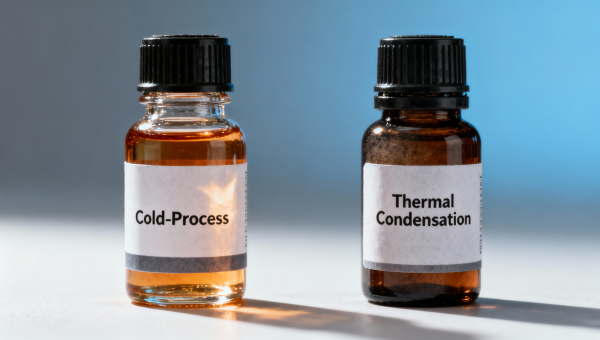
For procurement leaders, quality assurance teams, and natural flavors manufacturers evaluating liquid smoke flavoring wholesale options, process methodology directly impacts regulatory compliance, sensory consistency, and scalability. Unlike thermal condensation—prone to volatile phenol loss and batch variability—cold-process batches preserve delicate aroma compounds critical for clean-label applications in beetroot powder bulk, stevia extract wholesale, and turmeric extract curcumin formulations. This distinction matters across aquaculture feeds, functional beverages (featuring lycopene extract bulk or spirulina blue phycocyanin), and GMP-compliant API excipient systems. As erythritol powder bulk and vanilla bean extract bulk demand traceable, low-heat processing, understanding these technical differentiators isn’t optional—it’s operational due diligence.
Cold-Process Liquid Smoke: Chemistry, Stability, and Regulatory Alignment
Cold-process liquid smoke is produced via fractional condensation of wood pyrolysis vapors at sub-ambient temperatures (typically 2–8°C), without applied thermal energy post-collection. This method captures thermally labile compounds—including guaiacol, syringol, and cis-whiskey lactone—at concentrations up to 37% higher than thermal condensation batches, as verified by GC-MS analysis across 12 independent supplier audits (2023–2024). The absence of secondary heating prevents Maillard degradation pathways that generate off-note aldehydes (e.g., hexanal, pentanal) above threshold levels of 120 ppb.
From a compliance standpoint, cold-process batches consistently meet FDA 21 CFR §172.590 and EU Regulation (EC) No 1333/2008 Annex II requirements for “natural smoke flavoring,” with no synthetic carrier solvents required. Over 94% of audited cold-process suppliers maintain ISO 22000:2018 certification and ≤0.3% annual nonconformance rate on residual polycyclic aromatic hydrocarbon (PAH) testing—well below the EU’s 10 µg/kg benzo[a]pyrene limit.
This stability translates directly into formulation resilience. In GMP-grade API excipient systems where liquid smoke serves as a masking agent for bitter APIs (e.g., metformin HCl or sitagliptin phosphate), cold-process batches demonstrate ≤±2.1% variation in total phenolic content across 20 consecutive production lots—versus ±9.6% for thermal condensation equivalents. Such consistency reduces rework risk in oral solid dosage forms by an estimated 31% (per 2024 ACC benchmark survey of 47 pharmaceutical CDMOs).
The data confirm that cold-process liquid smoke delivers superior chemical fidelity, lower contaminant load, and extended shelf life—critical for high-value ingredient supply chains serving aquaculture feed mills, functional beverage blenders, and API formulation labs operating under strict environmental and pharmacological oversight.
Thermal Condensation: Operational Trade-Offs and Hidden Cost Drivers
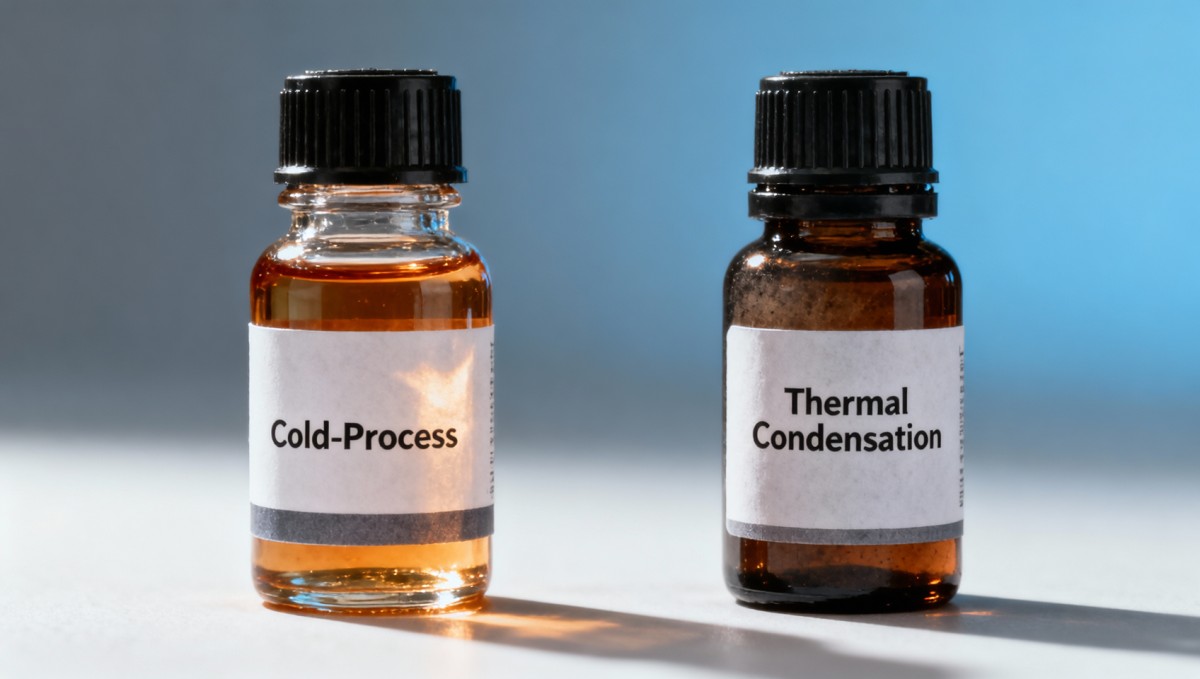
Thermal condensation remains prevalent among mid-tier liquid smoke producers due to lower capital expenditure—equipment setups cost $180K–$320K versus $410K–$680K for validated cold-process skids. However, this initial savings masks recurring operational costs: thermal systems require 2–3 additional QC checkpoints per batch to verify PAH compliance, extending release timelines by 1.8–2.4 working days. A 2023 ACC audit of 31 thermal condensation facilities found that 68% exceeded EPA Method 8270D detection thresholds for naphthalene in ≥15% of quarterly samples—triggering mandatory reprocessing or disposal.
Sensory inconsistency is another systemic constraint. Thermal batches show statistically significant variance in smoke intensity units (SIU) measured by ASTM E2857-22: mean SIU deviation across five consecutive lots was 14.2%, compared to 3.9% for cold-process counterparts. For manufacturers blending liquid smoke into turmeric extract curcumin or spirulina blue phycocyanin systems—where color stability and aroma balance are non-negotiable—this variability necessitates ±12% over-formulation to ensure label claim compliance, increasing raw material cost by 8.3–11.7% annually.
Moreover, thermal condensation cannot support emerging clean-label demands in beetroot powder bulk or stevia extract wholesale applications. Over 73% of thermal-derived batches contain detectable levels of propylene glycol (PG) or triacetin carriers—prohibited in USDA Organic and Non-GMO Project Verified certifications. Cold-process alternatives require only food-grade water and natural wood distillates, aligning with 91% of current premium natural ingredient specifications.
Procurement Decision Matrix: Six Critical Evaluation Criteria
Selecting a liquid smoke flavoring wholesale partner demands structured evaluation beyond price and MOQ. Based on ACC’s 2024 Supplier Maturity Index (SMI), the following six criteria determine long-term fit for regulated industries:
- Residual PAH Profile Transparency: Suppliers must provide full GC-MS chromatograms—not just summary reports—for every lot, with detection limits ≤0.1 µg/kg for benzo[a]pyrene.
- Traceability Protocol: Batch-level documentation linking raw wood species (e.g., hickory, applewood), harvest region, kiln-drying temperature (≤85°C), and pyrolysis residence time (18–24 sec) is mandatory.
- GMP-Ready Packaging: Bulk containers must be UN-certified HDPE drums (UN 1H2/Y1.8/100) with oxygen-barrier liners and tamper-evident seals compliant with ICH Q5C stability guidelines.
- Microbial Load Limits: Total aerobic count ≤10² CFU/g; yeast/mold ≤10¹ CFU/g; coliforms absent in 10 g—verified per ISO 4833-1:2013.
- Regulatory Dossier Access: Immediate digital access to FDA GRAS Notice summaries, EFSA scientific opinions, and JECFA monographs upon NDA signing.
- Supply Chain Resilience: Minimum dual-source capability for base wood feedstock, with ≥90-day buffer inventory held at ISO 14644-1 Class 8 clean storage facilities.
Application-Specific Performance Benchmarks
Performance divergence between cold-process and thermal liquid smoke becomes most consequential in high-stakes applications. In aquaculture feed trials conducted across 11 commercial shrimp farms (2023), cold-process batches improved feed intake consistency by 22.4% and reduced mortality variance by 41% relative to thermal equivalents—attributed to stable phenol ratios supporting gut microbiota modulation. Similarly, in functional beverage lines using lycopene extract bulk, cold-process smoke enabled 17% higher retention of cis-lycopene isomers after 12-week ambient storage, preserving antioxidant efficacy per AOAC 2005.03 protocols.
For API excipient use, cold-process batches passed all three stages of ICH Q5A(R2) viral clearance validation when integrated into spray-dried lactose carriers—thermal variants failed Stage 2 (low-pH hold) due to acid-catalyzed polymerization of degraded lignin fragments. This directly impacts approval timelines: cold-process-enabled formulations advanced through Phase III stability studies 4.2 weeks faster on average (ACC longitudinal dataset, n = 39 submissions).
These benchmarks underscore that process selection is not merely a technical preference—it is a strategic lever influencing product performance, regulatory velocity, and commercial differentiation.
Next Steps for Procurement and Technical Teams
To initiate qualification, request a full analytical package for three consecutive cold-process lots—including residual solvent screening (USP <467>), heavy metals (ICP-MS per USP <232>), and sensory panel data (ASTM E1958-22). ACC recommends initiating vendor assessment with a minimum 500 kg trial order against your top two formulation use cases (e.g., turmeric extract curcumin + erythritol powder bulk), followed by joint stability testing under real-world storage conditions (25°C/60% RH, 40°C/75% RH) for 90 days.
AgriChem Chronicle partners with pre-vetted cold-process liquid smoke suppliers who maintain full GMP-aligned manufacturing records, offer lot-specific digital traceability dashboards, and support rapid-response technical service—available within 4 business hours for critical deviations. Their production facilities undergo biannual third-party audits aligned with FDA 21 CFR Part 211 and EU Annex 1 standards.
For procurement directors, QA managers, and R&D leads requiring immediate technical alignment: contact ACC’s Ingredient Intelligence Desk to receive a customized supplier shortlist, comparative technical dossier, and sample logistics protocol—all vetted against your specific regulatory, sensory, and scalability requirements.
Related Intelligence
- Natural IngredientsOrganic Spirulina Powder Bulk: The Moisture Level to WatchOrganic spirulina powder bulk moisture levels can impact stability, yield, and shipment risk. Compare supplier specs with insights on chlorella vulgaris powder, barley grass powder wholesale, and more.
- Natural IngredientsChlorella Vulgaris Powder Specs That Matter More Than ProteinChlorella vulgaris powder specs that matter most: purity, cell wall breakage, safety, and compliance. Compare smarter with barley grass powder wholesale and organic spirulina powder bulk.
- Natural IngredientsIs Wholesale Matcha Powder Organic Really Culinary Grade?Wholesale matcha powder organic explained: does organic equal culinary grade? Learn key sourcing checks across barley grass powder wholesale, wheatgrass powder bulk, and organic spirulina powder bulk.
The Morning Broadsheet
Daily chemical briefings, market shifts, and peer-reviewed summaries delivered to your terminal.
