
Japan's April 2026 Food Price Hike: Industry Impacts and Responses
Introduction
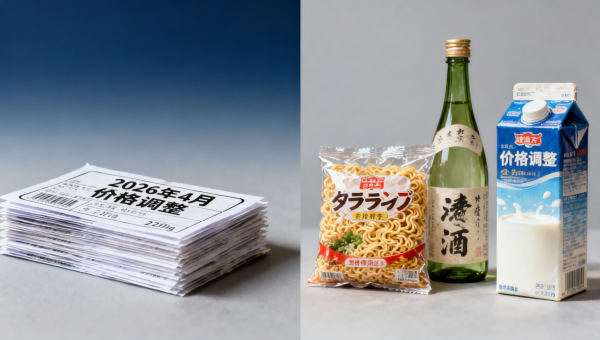
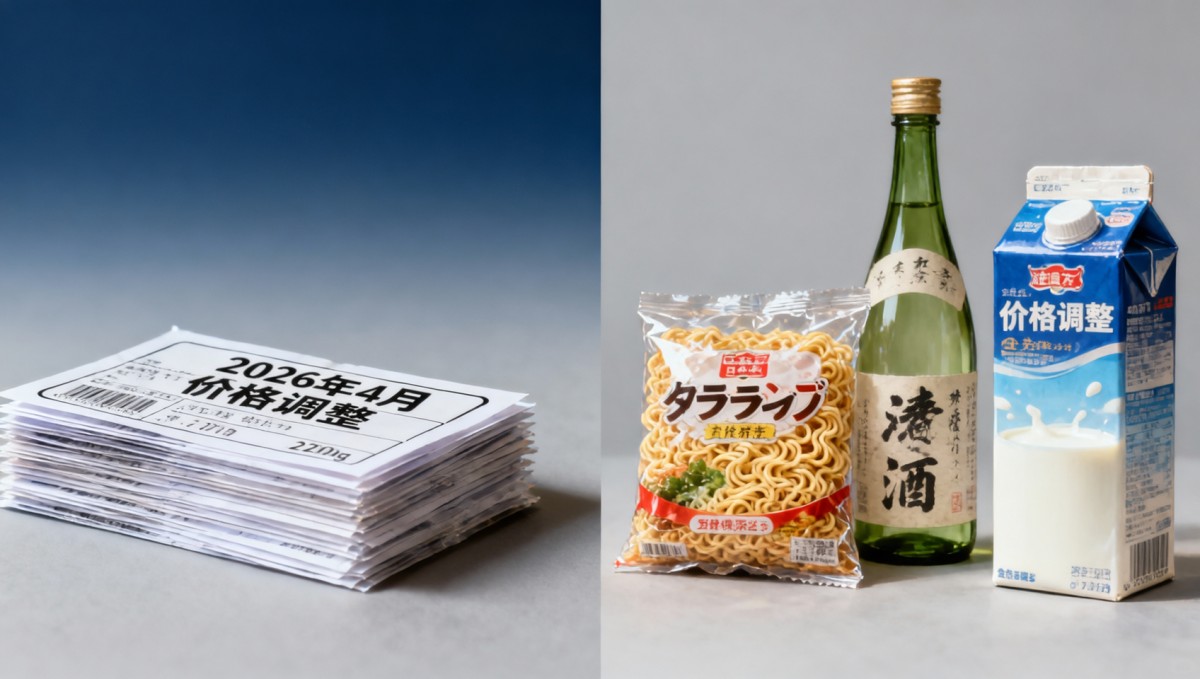
Japan is set to witness a significant price increase for over 2,500 food items starting April 2026, driven by rising import costs and a weak yen. The hike, affecting staples like instant noodles (up to 11%), alcoholic beverages (20%), and dairy products, is prompting importers to reassess supply chains, with a focus on cost-effective alternatives from China and Southeast Asia. This development is critical for food manufacturers, traders, and logistics providers navigating global supply chain disruptions.
Event Overview
According to Japan's Teikoku Databank, 2,516 food products will see price adjustments in April 2026. Confirmed categories include instant noodles, sauces, dairy, alcohol, and cooking oils. The primary drivers are increased raw material import expenses and prolonged yen depreciation. Importers are actively evaluating OEM partnerships for freeze-dried vegetables, composite seasonings, and ready-to-eat rice/noodle products in alternative markets.
Impact on Key Industries
1. Food Importers & Traders
Directly affected by currency fluctuations and sourcing costs, importers face margin compression. Many are accelerating negotiations with non-traditional suppliers, particularly for shelf-stable ingredients where China and Southeast Asia offer competitive pricing.
2. Food Manufacturers
Processors relying on imported ingredients must recalibrate formulations or absorb costs. The instant noodle sector—where prices rise up to 11%—may see accelerated adoption of local substitutes for wheat flour and palm oil.
3. Logistics & Cold Chain Providers
Demand shifts toward alternative supply routes could increase volumes for China-Japan and ASEAN-Japan freight corridors, especially for temperature-controlled shipments of substitute ingredients.
Strategic Priorities for Businesses
1. Supply Chain Diversification
Importers should verify OEM capabilities in secondary sourcing regions, particularly for products like compound seasonings where Southeast Asian producers have scaled rapidly.
2. Contractual Risk Management
Renegotiate pricing terms with Japanese buyers to include currency adjustment clauses, especially for alcoholic beverage exporters facing 20% hikes.
3. Inventory Planning
Distributors may need to adjust Q1 2026 procurement cycles to mitigate April price surges, particularly for oils and dairy with long lead times.
Industry Perspective
Analysis suggests this isn't an isolated event but part of Japan's structural adjustment to global inflation. The concentrated price revisions signal sustained pressure on food import dependency. Key observations: 1) The 11% instant noodle increase reflects wheat and palm oil volatility; 2) Alcohol's steep hike underscores Japan's reliance on imported spirits and brewing ingredients; 3) OEM evaluations indicate a potential long-term supply chain reconfiguration beyond temporary cost mitigation.
Conclusion
This pricing wave highlights Japan's vulnerability to currency-driven food inflation, with ripple effects across Asian supply networks. Businesses should treat it as both an operational challenge and a strategic prompt to build resilient multi-source procurement systems. The coming months will test how effectively importers can execute alternative sourcing without compromising quality standards.
Source
Teikoku Databank (Japan), April 2026 survey data. Ongoing monitoring required for: 1) Actual April 2026 price implementation rates; 2) Japanese government response measures; 3) Confirmed OEM transitions by major importers.
Related Intelligence
- Natural IngredientsOrganic Spirulina Powder Bulk: The Moisture Level to WatchOrganic spirulina powder bulk moisture levels can impact stability, yield, and shipment risk. Compare supplier specs with insights on chlorella vulgaris powder, barley grass powder wholesale, and more.
- Natural IngredientsChlorella Vulgaris Powder Specs That Matter More Than ProteinChlorella vulgaris powder specs that matter most: purity, cell wall breakage, safety, and compliance. Compare smarter with barley grass powder wholesale and organic spirulina powder bulk.
- Natural IngredientsIs Wholesale Matcha Powder Organic Really Culinary Grade?Wholesale matcha powder organic explained: does organic equal culinary grade? Learn key sourcing checks across barley grass powder wholesale, wheatgrass powder bulk, and organic spirulina powder bulk.
The Morning Broadsheet
Daily chemical briefings, market shifts, and peer-reviewed summaries delivered to your terminal.
