
Is rice protein powder organic worth the cost?
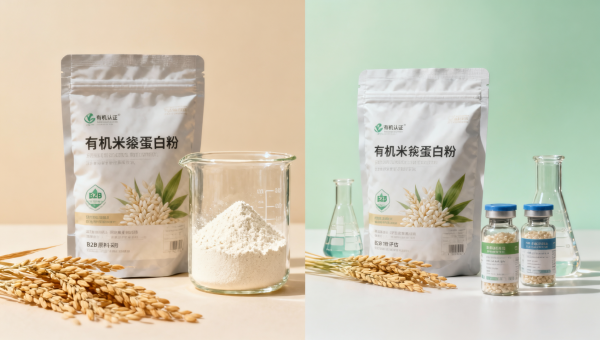
As buyers compare nutrition ingredients at scale, one question keeps surfacing: is rice protein powder organic truly worth the premium? For procurement teams, formulators, and quality managers weighing rice protein powder organic against pea protein isolate powder, whey protein concentrate wholesale, or isolated soy protein bulk, the answer depends on cost structure, certification value, application performance, and supply-chain reliability.
In B2B ingredient sourcing, the premium attached to organic rice protein is rarely justified by label appeal alone. It must support a measurable commercial outcome, whether that means easier market access, stronger clean-label positioning, reduced allergen complexity, or better alignment with brand and regulatory requirements. For finance teams, the issue is margin protection. For operations and QA teams, it is consistency, documentation, and audit readiness.
The practical question is not whether rice protein powder organic costs more, because it usually does. The real question is where that extra cost creates value across procurement, formulation, production, and sales. In many categories, the answer varies by application format, target consumer, batch size, regional certification expectations, and supplier transparency.
This article examines where the premium makes sense, where it does not, and how buyers can compare rice protein powder organic with mainstream alternatives using a decision framework built for industrial purchasing, private-label manufacturing, and ingredient risk control.
Why Organic Rice Protein Commands a Premium
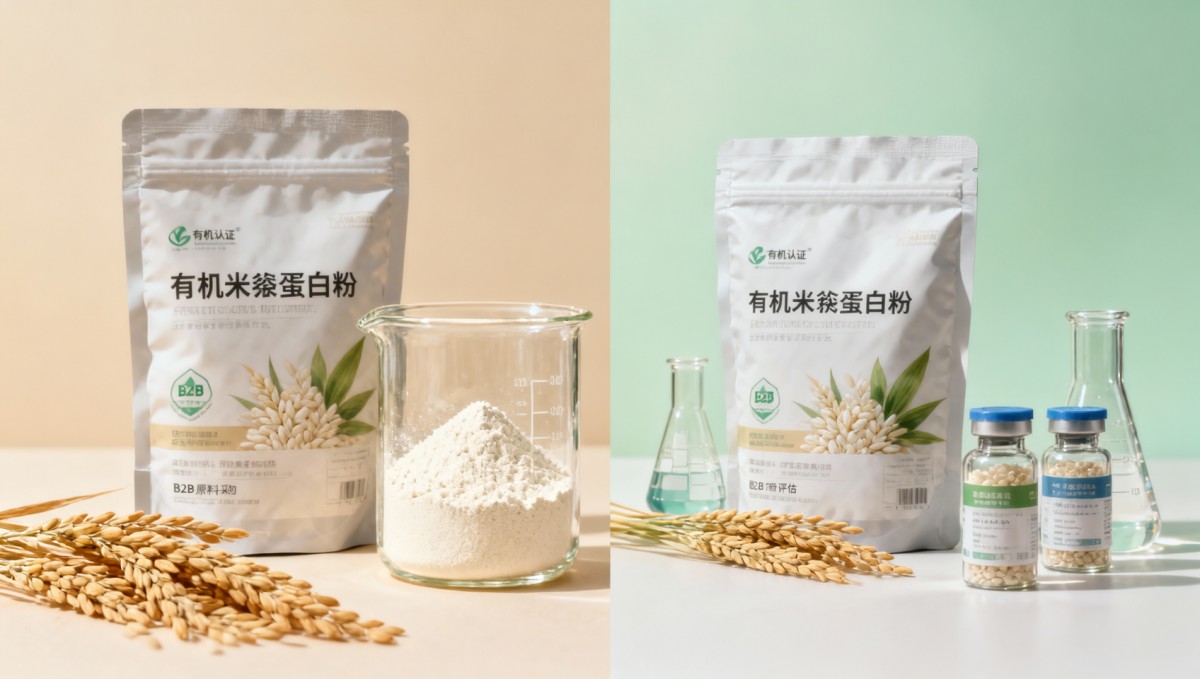
Rice protein powder organic typically carries a higher landed cost than conventional rice protein because the price reflects more than the raw crop. Organic farming inputs, certified processing, segregation during storage, and traceability documentation all add cost layers. In many supply chains, the premium can range from 15% to 40%, although actual spreads depend on harvest conditions, origin, MOQ, and protein concentration.
That premium also reflects operational constraints. Organic material often requires tighter lot separation, dedicated cleaning procedures, and more careful transport handling to avoid contamination with non-organic materials. For processors running multiple plant proteins, these controls may increase downtime or reduce throughput by small but meaningful margins over a 4- to 12-week production cycle.
For buyers in food, sports nutrition, meal replacement, or specialist health products, the higher cost may still be commercially rational if it opens access to channels where organic claims directly influence listing decisions. In some retail and export programs, organic certification is not a bonus feature but a baseline requirement for entry.
The following comparison shows why the premium should be evaluated across the full sourcing and commercialization chain rather than at invoice price alone.
The key takeaway is simple: the premium is structurally real, not arbitrary. Buyers should therefore test whether that cost supports pricing power, faster approvals, lower allergen complexity, or stronger customer acceptance. If none of those outcomes matter in the target application, organic may be difficult to justify.
Where the premium usually comes from
In most tenders, four cost elements matter most:
- Certified crop supply, which can be more seasonally constrained than conventional volume.
- Protein standardization, especially if the specification targets 70% to 80% protein with controlled moisture and microbiological limits.
- Certification maintenance and audit support, including chain-of-custody records.
- Smaller production flexibility, since organic runs may not be scheduled as frequently as standard plant protein runs.
How It Compares with Pea, Whey, and Soy in Real Purchasing Scenarios
Buyers rarely assess rice protein powder organic in isolation. In practice, they compare it against pea protein isolate powder for plant-based positioning, whey protein concentrate wholesale for cost-efficient protein delivery, and isolated soy protein bulk for established functionality and pricing. Each ingredient solves a different problem, so value must be judged by use case rather than headline price per kilogram.
Rice protein is often selected when brands want a hypoallergenic plant profile, mild sensory performance, and compatibility with vegan or dairy-free claims. It can work well in powders, bars, dry blends, and selected beverage systems, but texture and dispersibility depend heavily on particle size, protein content, and processing method. Pea may deliver stronger amino acid positioning in some formulations, while whey can offer easier solubility and lower cost per functional gram in performance nutrition.
Soy remains highly economical in many industrial settings, especially when bulk protein delivery is the primary objective. However, soy may face labeling, allergen, or market acceptance limitations in certain channels. For that reason, rice protein powder organic can outperform lower-cost alternatives when customer requirements prioritize organic status, allergen management, or simpler brand messaging.
A structured comparison is more useful than broad claims. The table below reflects common purchasing considerations used by product development, procurement, and finance teams.
For industrial buyers, the lowest cost source is not always the lowest cost option after reformulation, labeling changes, market fit, and approval time are included. A 12% ingredient saving can be offset quickly if it causes a 6- to 8-week delay in launch or forces a redesign of claims and packaging.
Decision filters that matter most
When organic rice protein is more likely to win
- Products sold through premium retail, natural health, or export channels where organic claims affect acceptance.
- Formulas targeting dairy-free, soy-free, or reduced-allergen positioning.
- Private-label programs requiring certified documentation across every lot.
When an alternative may be more economical
- High-volume applications where protein cost per serving is the dominant KPI.
- Products with limited shelf differentiation, such as entry-level bulk powders.
- Applications where functional solubility matters more than certification value.
What Procurement, QA, and Finance Should Verify Before Paying More
Before approving a premium ingredient, teams should validate three things: specification fit, certification validity, and supply continuity. Rice protein powder organic may look acceptable on a brochure, but B2B purchasing decisions should be anchored in batch-level documents, not marketing copy. At minimum, buyers should request current certificates, a recent COA, microbiological standards, heavy metal limits, and allergen statements.
Quality managers should also check whether the supplier can maintain consistency across at least 2 to 3 consecutive lots. Protein percentage, moisture, bulk density, taste profile, and mesh distribution can all affect line behavior. Small variations that seem minor on paper can change mixing time, sedimentation, or finished-product mouthfeel in a commercial run.
Finance approvers should request a total-cost view rather than a simple quote comparison. The premium only makes business sense when it supports a higher selling price, stronger market access, lower risk of customer rejection, or reduced reformulation expense. If the ingredient adds 20% at raw material level but supports only a 3% uplift in finished-product pricing, the business case may be weak unless it reduces risk elsewhere.
The checklist below can help cross-functional teams decide whether a premium organic protein is commercially justified.
In most industrial tenders, acceptable lead times for specialty proteins fall in the 2- to 6-week range, but certified organic volume may need longer planning in peak demand periods. Buyers who wait until final packaging approval to secure supply often face avoidable price pressure or shipment gaps.
A practical 5-step buying process
- Define target application and required claims before requesting samples.
- Screen suppliers for certification, lot traceability, and minimum annual capacity.
- Run bench and pilot testing on at least 2 lots, not just one reference sample.
- Model full cost, including dosage, waste, reformulation, and documentation burden.
- Approve commercial supply only after QA, procurement, and finance review the same data set.
Best-Fit Applications, Common Mistakes, and ROI Logic
Rice protein powder organic tends to make the most sense in premium powders, clean-label nutrition blends, plant-based meal support products, and formulations designed for consumers avoiding dairy or soy. It can also be attractive in markets where ingredient stories matter, such as specialist wellness, organic retail, and export-oriented private label. In these cases, certification can strengthen both product positioning and distributor confidence.
The most common mistake is assuming the organic premium automatically translates into shelf advantage. If the final customer neither recognizes nor pays for the claim, the added cost may weaken competitiveness. Another common error is focusing on protein percentage alone. Sensory behavior, color, odor, hydration, and compatibility with sweeteners or flavors can influence performance just as much as the analytical specification.
Another risk appears in underestimating supply-chain documentation. If a distributor, contract manufacturer, and brand owner each require different certificate formats, approval can take 7 to 15 business days longer than expected. That delay can matter more than the ingredient premium itself when launch calendars are fixed.
A disciplined ROI logic should connect ingredient premium to one or more commercial outcomes. These typically include stronger channel access, reduced allergen risk, simplified claims, fewer objections from quality teams, or better pricing integrity in premium SKUs.
Typical signs the premium is worth it
- The brand can sustain a finished-product price premium of 8% to 20% in its target market.
- Organic status is required by distributors, retail programs, or export buyers.
- The business wants to avoid dairy and soy while keeping label language straightforward.
- The formula uses a moderate inclusion rate, limiting total cost impact per serving.
Typical signs it may not be worth it
- The product competes mainly on lowest shelf price or tender price.
- End users do not value organic claims in the category.
- The formulation requires functionality that another protein delivers more efficiently.
- Forecast volume is too unstable to support reliable certified sourcing.
FAQ for Industrial Buyers and Formulators
How should buyers compare rice protein powder organic quotes?
Compare at least 6 items side by side: protein content, moisture, microbiological limits, certification validity, MOQ, and lead time. A lower price may reflect lower protein standardization, weaker documentation, or slower availability. Always compare on delivered commercial specification, not on headline price alone.
What lead time is typical for organic rice protein supply?
For stocked programs, 2 to 4 weeks may be realistic. For larger custom or certified-volume orders, 4 to 8 weeks is more prudent, especially when booking multiple containers or coordinating contract manufacturing. Buyers should confirm whether the quoted lead time applies to samples, first commercial lot, or repeat orders.
Is organic rice protein always better than pea protein isolate powder?
No. It is better only when the formulation and market reward its strengths. Pea protein isolate powder may be more cost-effective for mainstream plant-protein blends, while rice protein powder organic can be stronger where hypoallergenic positioning, mild taste profile, and certified organic status matter more than lowest cost.
What should QA teams test before commercial approval?
At minimum, verify identity, protein content, moisture, micro profile, heavy metal compliance, allergen statement, and sensory consistency. If the product is used in beverage or powder systems, run application tests on dispersibility and texture across at least 2 pilot batches. That small upfront effort can prevent expensive batch rejection later.
For most B2B buyers, rice protein powder organic is worth the cost only when it delivers measurable business value beyond the ingredient line item. That value may come from certification-led market access, cleaner product positioning, lower allergen complexity, or more credible premium placement. Where those advantages are absent, lower-cost proteins may be the more rational choice.
A strong buying decision should connect specification, certification, functionality, lead time, and margin logic in one framework. If your team is evaluating organic rice protein against pea, whey, or soy for industrial production, procurement planning, or private-label development, now is the right time to align technical review with commercial goals. Contact us to discuss sourcing criteria, compare application fit, and get a more tailored ingredient evaluation for your next project.
Related Intelligence
- Natural IngredientsIndonesia BPOM Updates Label Rules for Natural Ingredients ImportsIndonesia BPOM updates label rules for natural ingredients imports: New pH ≤4.6 & 60°C/30min tolerance statement required by Aug 1, 2026 — act now to avoid customs rejection.
- Natural IngredientsIndonesia BPOM Updates Natural Ingredients Import LabelingIndonesia BPOM Updates Natural Ingredients Import Labeling: New 'Microbial Resistance Profile' required for cosmetics, supplements & personal care imports—act now to avoid customs delays.
- Natural IngredientsWholesale inulin powder: common sourcing pitfallsWholesale inulin powder sourcing guide: avoid costly pitfalls in chicory root fiber bulk, fructooligosaccharides FOS wholesale, and adjacent ingredients. Learn smarter supplier checks.
The Morning Broadsheet
Daily chemical briefings, market shifts, and peer-reviewed summaries delivered to your terminal.
