
Who should use organic rice protein powder?
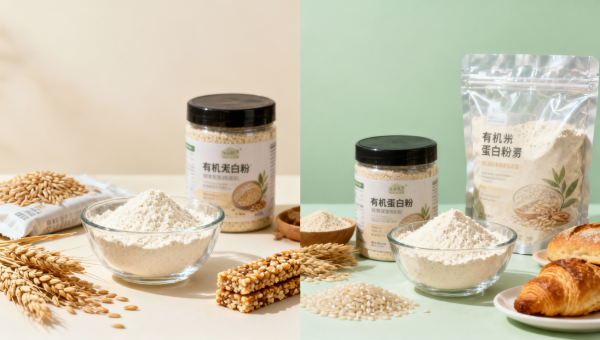
Organic rice protein powder is ideal for formulators, buyers, and health-focused users seeking a clean-label, plant-based protein with broad application potential. Compared with pea protein isolate powder, isolated soy protein bulk, or whey protein concentrate wholesale options, rice protein powder organic stands out for its digestibility, allergen-friendly profile, and formulation versatility in nutrition, food, and industrial ingredient sourcing.
For B2B buyers and technical teams, the real question is not whether organic rice protein powder is trending, but who should use it, in which formats, and under what sourcing conditions. In regulated ingredient markets, selection depends on protein content, sensory performance, certification needs, contaminant controls, and downstream application fit. These factors matter just as much to a product developer as they do to procurement, QA, finance, and distribution teams.
This article examines the user groups, commercial use cases, selection criteria, and supply-side checkpoints that make organic rice protein powder a practical option across food, nutrition, feed-adjacent innovation, and ingredient distribution channels. The goal is to help decision-makers reduce reformulation risk, compare alternatives more clearly, and align purchasing decisions with product performance and compliance requirements.
Who benefits most from organic rice protein powder
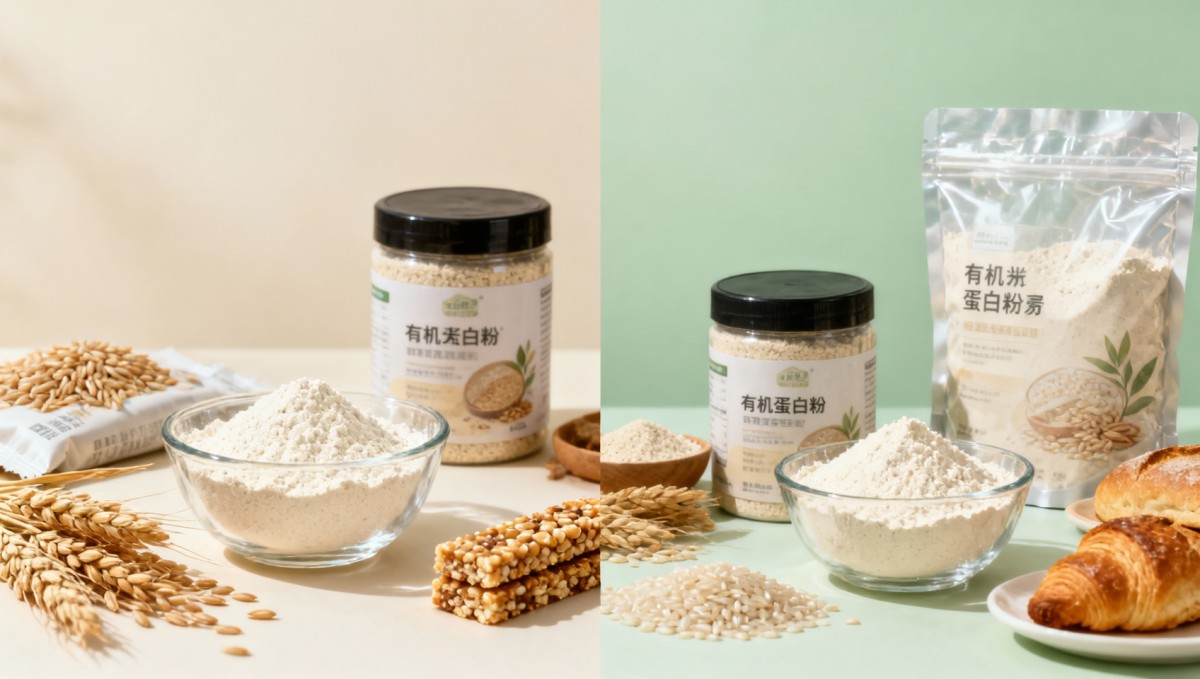
Organic rice protein powder is especially relevant for companies and users that need a plant-based protein with a relatively neutral allergen profile and broad formulation flexibility. In many commercial settings, it is selected when soy is excluded, dairy is undesirable, or pea protein creates flavor, color, or digestive limitations. Typical protein specifications in the market range from 70% to 85%, depending on processing method and intended use.
Formulators in sports nutrition, healthy snacks, meal replacements, and functional beverages often use rice protein powder organic when they need a cleaner label or a milder positioning for end consumers. It is also useful in blends, where 20% to 50% of the total protein system may come from rice protein to improve labeling strategy, amino acid balance, or mouthfeel control. In powder mixes, the lower allergen concern can simplify product portfolio planning across multiple SKUs.
Procurement teams benefit when they need an alternative to isolated soy protein bulk or whey protein concentrate wholesale options that may face regional labeling restrictions, vegan positioning limits, or variable customer acceptance. Organic rice protein powder can also support premium product lines where organic certification, non-dairy claims, and plant-based sourcing are part of the commercial strategy. For finance and approval teams, this often translates into higher ingredient cost per kilogram, but potentially stronger margin positioning at the finished-product level.
QA managers and safety personnel also have a clear reason to evaluate this ingredient. In routine risk reviews, they look at microbiological limits, heavy metals, pesticide residues, moisture, and batch consistency. Because rice-derived ingredients can attract extra scrutiny for arsenic management, qualified supply partners should provide a defined test plan per batch or per lot group, especially when shipment volume exceeds 1 to 5 metric tons per order.
Distributors and regional agents should consider organic rice protein powder when serving buyers who want a versatile plant protein without the strong taste that sometimes limits pea protein adoption. In multi-country distribution, one ingredient that can serve bakery, beverage, powder blends, and nutrition applications reduces inventory complexity. That matters when warehouse turnover targets are set at 45 to 90 days and portfolio rationalization is a priority.
Core user groups in commercial purchasing
- Product formulators developing vegan powders, bars, cereals, baked goods, and RTM drink bases.
- Procurement managers comparing organic rice protein powder against pea, soy, and whey on cost, claims, and availability.
- Quality and regulatory teams reviewing certificates, contaminant limits, and export documentation.
- Brand owners and enterprise decision-makers seeking premium positioning in clean-label categories.
- Distributors building plant-protein portfolios for food manufacturers, contract packers, and regional health brands.
Why the ingredient is often shortlisted
The shortlist decision usually comes down to 4 commercial advantages: label compatibility, digestibility perception, broad application range, and blend potential. While rice protein may not always be the lowest-cost protein source, it often performs well where brand risk, consumer sensitivity, and export labeling complexity outweigh simple raw material price comparison.
How organic rice protein compares with pea, soy, and whey in B2B use
Buyers rarely evaluate organic rice protein powder in isolation. It is usually reviewed against pea protein isolate powder, isolated soy protein bulk, and whey protein concentrate wholesale supply, because these four options cover a large share of commercial protein applications. The decision depends on whether the final product needs vegan positioning, low allergen exposure, emulsification support, cost efficiency, or faster sensory acceptance.
Pea protein is widely used and often cost-competitive, but its earthy notes can require more flavor masking in powders and beverages. Soy protein offers strong functional performance and attractive economics at scale, yet it may conflict with non-soy claims or consumer preferences in certain export markets. Whey remains effective in nutrition products, but it does not fit vegan, dairy-free, or some shelf-stable positioning needs. Organic rice protein powder enters the decision when flexibility and clean-label strategy are decisive factors.
In practical formulation work, no single protein is universally superior. A beverage system with 8% to 12% protein may prioritize suspension and taste. A nutrition bar may focus on texture over a 6- to 9-month shelf life. A dry blend may need a specific mesh size, moisture below 8%, and stable bulk density to maintain packing efficiency. This is why procurement should compare product fit, not just price per metric ton.
Functional and commercial comparison
The following table highlights how buyers typically compare mainstream protein options in industrial sourcing and formulation review.
The key conclusion is that organic rice protein powder is not simply a substitute; it is often a strategic ingredient for formulations where brand claims and user tolerance matter as much as protein percentage. In many portfolios, it performs best as either a premium standalone protein or part of a 2- or 3-protein system.
Typical blend logic used by formulators
- Use rice protein as the primary plant base when organic and low-allergen positioning are essential.
- Blend with pea protein at ratios such as 30:70 or 40:60 to balance taste and amino acid targets.
- Run pilot testing over 2 to 4 weeks for sedimentation, flavor masking, and texture stability before full-scale PO approval.
Which applications and industries should prioritize this ingredient
Organic rice protein powder is most attractive in sectors where clean labeling, vegan demand, and export-friendly formulation are growing purchasing priorities. These include nutritional supplements, healthy food manufacturing, plant-based convenience products, and ingredient distribution into private-label channels. It also fits innovation pipelines where R&D teams want a low-complexity protein platform that can be tested across several product categories within one quarter.
For operators, the ingredient is especially useful in dry mix production, sachet filling, bar processing, and bakery fortification. In these environments, batch handling, flowability, and moisture control affect performance as much as nutrition claims. A protein powder with stable particle behavior can reduce hopper bridging, improve fill-weight consistency, and lower rework rates during production campaigns of 500 kg to 5 metric tons.
Distributors should also note its cross-segment value. One stock-keeping ingredient can serve sports nutrition brands, healthy beverage developers, bakery premix customers, and clean-label snack manufacturers. This broad reach can justify stocking decisions even when unit price is above commodity soy. The stronger the distributor’s technical sales support, the easier it becomes to position rice protein on performance rather than only on price.
Application matrix for commercial buyers
The table below shows where organic rice protein powder is typically strongest and what each user group should check before buying.
For most industrial users, the best fit is not determined by marketing language but by pilot performance, specification stability, and documentation quality. Teams that screen those three factors early usually reduce failed trial costs and shorten approval cycles.
Industries that should evaluate it first
- Brands launching organic or vegan protein SKUs within 1 to 2 product cycles.
- Contract manufacturers serving multiple customers with different allergen and claim requirements.
- Export-focused food companies selling into regions with strong demand for plant-based and dairy-free products.
- Ingredient traders building a premium bio-extracts and nutrition portfolio for institutional buyers.
What procurement, QA, and finance teams should verify before purchase
A successful purchase decision starts with a tighter specification sheet than many buyers initially request. Organic rice protein powder should be evaluated across at least 6 checkpoints: protein content, moisture, microbiological status, heavy metal testing, organic documentation, and sensory consistency. For large-volume orders, buyers should also confirm packaging format, pallet configuration, lead time, and lot traceability before finalizing payment terms.
QA and safety managers need special attention to contaminant management. Because rice-based raw materials can trigger additional scrutiny, it is prudent to ask for recent lab results covering arsenic and other relevant heavy metals, along with the sampling frequency used by the supplier. In many professional buying processes, at least 1 composite sample per lot or per defined production batch is reviewed before release.
Finance approvers should not assess value based only on price per kilogram. A lower-cost protein that increases flavor masking cost, rework, label complexity, or consumer rejection may have a weaker total-cost position. By contrast, organic rice protein powder may justify a premium if it reduces SKU fragmentation, shortens market approval in clean-label segments, or raises finished-product pricing flexibility by 10% to 25% in premium channels.
Project managers should also check delivery predictability. Typical lead times may range from 2 to 8 weeks depending on origin, organic certification chain, packaging type, and order volume. If the launch window is fixed, buyers should confirm whether safety stock, partial shipment, or split-lot delivery is available. This is particularly important for distributors and OEM buyers who synchronize multiple ingredients across a single production schedule.
Practical procurement checklist
- Request a full specification sheet with protein, moisture, microbiology, and heavy metal parameters.
- Verify organic status and batch traceability documents before supplier approval.
- Obtain a retained sample or pilot lot for 2 to 4 weeks of formulation testing.
- Review packaging options such as 20 kg or 25 kg bags and storage requirements.
- Confirm MOQ, lead time, and incoterms to avoid delays in approval or release.
- Align QA, procurement, and finance on pass/fail criteria before issuing the PO.
Common buying mistakes
The most frequent mistakes are approving on paper specifications alone, underestimating sensory impact, and failing to define contaminant thresholds before commercial shipment. Another common issue is comparing organic rice protein powder with whey or soy only on headline protein percentage, while ignoring labeling fit and downstream reformulation cost. Strong procurement teams use cross-functional review rather than single-department approval.
Implementation, formulation, and supply planning tips for long-term use
Once a company decides that organic rice protein powder fits its portfolio, execution matters. A practical implementation plan usually has 3 stages: lab screening, pilot production, and supply validation. The first stage checks taste, texture, and compatibility at bench scale. The second confirms processing behavior in actual equipment. The third validates documentation, packaging integrity, and replenishment reliability over at least 2 consecutive orders.
Formulators should define the target dose early. In protein powders, inclusion rates may be much higher than in bakery or cereal systems. In bars and baked goods, smaller additions may still support claim strategy without creating processing problems. Teams should watch for hydration behavior, flavor carry-through, and color change during 7-, 14-, and 30-day checks where relevant. These staged reviews often prevent expensive commercial corrections later.
Supply planning is equally important. Distributors and manufacturers should align forecast volume with realistic procurement windows. If monthly usage is 3 metric tons and lead time is 6 weeks, a reorder trigger based on only 2 weeks of stock may be too risky. Safety stock policies should reflect not only usage rate but also certification renewal cycles, seasonal availability, and shipping disruption risk.
From a commercial standpoint, long-term users gain the most when they treat organic rice protein powder as part of a documented ingredient strategy rather than a one-time substitute. That means approved alternates, repeat-test frequency, and supplier scorecards should be established. Even a simple quarterly review can reveal whether consistency, cost, and service levels are still aligned with the original business case.
Suggested implementation workflow
- Stage 1: Screen 2 to 3 suppliers on documents and retained samples.
- Stage 2: Run bench tests for flavor, texture, and dispersion in target applications.
- Stage 3: Conduct pilot production and assess fill weight, process flow, and batch uniformity.
- Stage 4: Approve commercial lot only after QA and procurement sign-off.
- Stage 5: Monitor first 90 days of supply for variance, complaint rate, and on-time delivery.
FAQ for buyers and technical teams
Is organic rice protein powder suitable for single-source protein products?
Yes, especially in premium vegan powders and clean-label nutrition products. However, many brands still blend it with pea or other proteins to optimize taste, texture, and amino acid positioning. Single-source use is most practical when the brand strategy values simplicity over lowest unit cost.
What order size is typical in B2B trade?
That varies by supplier and region, but trial orders may begin at sample level or a few bags, while commercial orders often start from several hundred kilograms up to full container volumes. Buyers should match MOQ to actual validation stage rather than overbuying before pilot completion.
How long does qualification usually take?
A basic qualification cycle can take 2 to 4 weeks if the application is simple and documents are complete. Multi-SKU or export-focused validation may require 4 to 8 weeks, especially when sensory trials, shelf-life checks, and regulatory review are all involved.
What is the main risk if documentation is weak?
The main risk is not only shipment delay but also rejected batches, relabeling cost, or failed customer audits. For rice-derived proteins, incomplete contaminant records create a preventable exposure for QA and brand owners. Documentation quality is therefore a commercial control point, not just a paperwork issue.
Organic rice protein powder is best suited to formulators, buyers, distributors, and decision-makers who need a plant-based protein that supports clean-label positioning, broad application flexibility, and lower allergen complexity than many conventional alternatives. It becomes especially valuable when the purchase decision must balance technical performance, documentation quality, portfolio strategy, and long-term supply reliability.
For organizations evaluating protein ingredients across nutrition, food manufacturing, and industrial sourcing channels, the strongest results come from comparing application fit, compliance readiness, and total commercial value rather than only raw material price. If you are reviewing organic rice protein powder for a new formulation, portfolio upgrade, or distribution program, now is the right time to request technical details, compare supplier options, and obtain a tailored sourcing plan. Contact us to discuss product specifications, qualification steps, and solution options for your market.
Related Intelligence
- Natural IngredientsIndonesia BPOM Updates Label Rules for Natural Ingredients ImportsIndonesia BPOM updates label rules for natural ingredients imports: New pH ≤4.6 & 60°C/30min tolerance statement required by Aug 1, 2026 — act now to avoid customs rejection.
- Natural IngredientsIndonesia BPOM Updates Natural Ingredients Import LabelingIndonesia BPOM Updates Natural Ingredients Import Labeling: New 'Microbial Resistance Profile' required for cosmetics, supplements & personal care imports—act now to avoid customs delays.
- Natural IngredientsXylitol sweetener wholesale for gum or tablets?Xylitol sweetener wholesale for gum or tablets? Compare grades, sourcing, and compliance, plus fructooligosaccharides fos wholesale, wholesale inulin powder, and monk fruit extract mogroside.
The Morning Broadsheet
Daily chemical briefings, market shifts, and peer-reviewed summaries delivered to your terminal.
