
Indonesia BPOM Adds 3 Chinese Mushroom Extracts to Restricted Import List
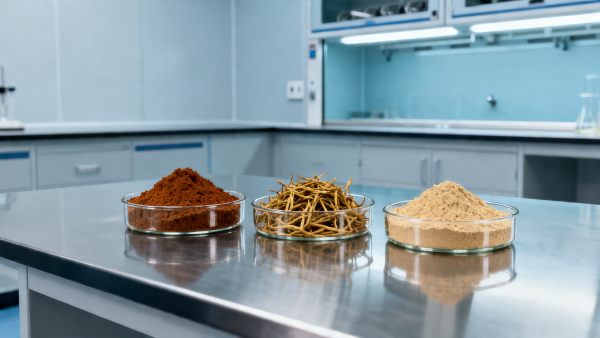
On April 18, 2026, Indonesia’s National Agency of Drug and Food Control (BPOM) issued an urgent regulatory update requiring GMP+AOAC dual certification for three Chinese-sourced natural ingredients — Ganoderma lucidum spore powder, Cordyceps militaris extract, and Hericium erinaceus polysaccharide. This change directly impacts exporters, ingredient suppliers, and functional food manufacturers engaged in the Indonesia natural ingredients trade.
Event Overview
On April 18, 2026, BPOM published Emergency Notice No. HK.01.07/B/3212/2026. Effective June 1, 2026, imports of Ganoderma lucidum spore powder, Cordyceps militaris extract, and Hericium erinaceus polysaccharide into Indonesia must be accompanied by two documents: (1) a GMP compliance statement issued by a CNAS-accredited laboratory in China, and (2) an analytical report based on AOAC Official Method 2022.05. Prior to this notice, no such dual certification was mandatory.
Which Subsectors Are Affected
Direct Exporters & Trading Companies
These entities face immediate operational impact: shipments after June 1, 2026 will be rejected without both certifications. The requirement introduces new documentation lead times, third-party lab coordination, and potential delays at Indonesian customs clearance.
Raw Material Sourcing & Procurement Firms
Firms sourcing these three mushroom extracts from Chinese manufacturers must now verify upstream supplier capability to generate CNAS-recognized GMP statements and AOAC 2022.05 test reports. Supplier qualification processes must be updated to include formal verification of CNAS accreditation scope and AOAC method validation status.
Contract Manufacturers & Finished Product Formulators
Companies incorporating these ingredients into dietary supplements, functional foods, or cosmetics for the Indonesian market must reassess bill-of-materials compliance. Ingredient-level certification is now a prerequisite for finished product registration under BPOM’s existing health supplement or natural product frameworks.
Supply Chain & Regulatory Support Providers
Logistics partners, customs brokers, and regulatory consultants serving China–Indonesia natural ingredient trade must adapt documentation checklists and pre-clearance review protocols. The dual-certification requirement adds a new verification layer beyond standard BPOM import license (IZIN IMPOR) and product notification (NOTIFIKASI).
What Relevant Businesses Should Focus On Now
Monitor official BPOM guidance updates
BPOM Notice No. HK.01.07/B/3212/2026 is an emergency issuance; further clarifications—such as accepted CNAS lab lists, AOAC method implementation timelines, or transitional arrangements—are pending. Stakeholders should subscribe to BPOM’s official notifications and track updates via the BPOM e-Regulatory Portal.
Verify current supplier capacity for dual certification
Not all Chinese CNAS-accredited labs are authorized to issue GMP compliance statements for natural ingredients, nor do all offer AOAC Official Method 2022.05 testing. Exporters should request documented evidence—not just declarations—from suppliers confirming both capabilities before placing new orders.
Distinguish between policy signal and enforceable requirement
This notice establishes a mandatory compliance threshold effective June 1, 2026. It is not advisory or voluntary. However, enforcement consistency—especially for small-batch or low-value consignments—may evolve during initial implementation. Businesses should treat the requirement as binding while observing early customs feedback.
Adjust procurement and shipment scheduling
AOAC 2022.05 testing requires sample submission, method-specific preparation, and analytical turnaround time. GMP statements may require facility audit records or process documentation. Allow minimum 10–14 business days for full certification package generation per batch, and align with shipping windows accordingly.
Editorial Observation / Industry Perspective
From industry perspective, this notice signals BPOM’s increasing focus on traceability and analytical rigor for high-profile natural ingredients—particularly those with bioactive claims and established use in traditional medicine. Analysis来看, it reflects a broader regional trend toward harmonizing natural product regulation with international standards (e.g., AOAC), rather than introducing wholly novel requirements. Current more appropriate interpretation is that this is a targeted risk-based measure—not a broad-based restriction—but one that sets a precedent for future expansions to other botanicals or markets in ASEAN. Continued monitoring is warranted because BPOM has historically followed such emergency notices with formal regulation revisions within 6–12 months.
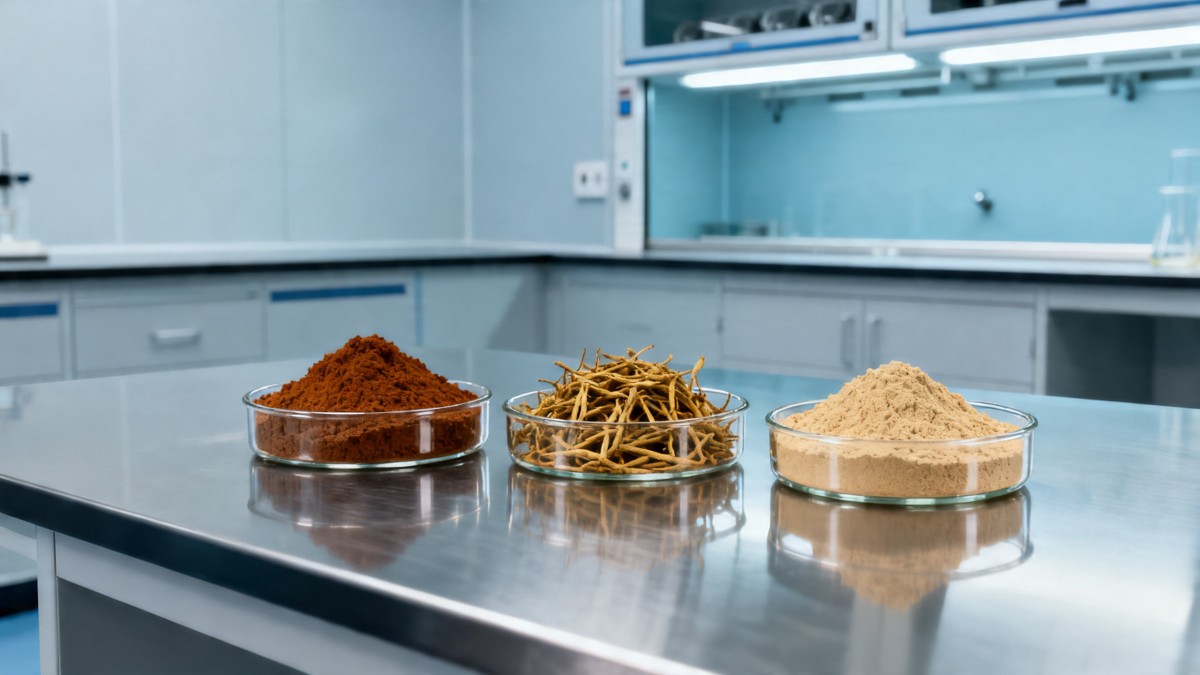
Indonesia’s BPOM Emergency Notice No. HK.01.07/B/3212/2026 is the sole confirmed source. No additional regulatory documents, FAQs, or implementation guidelines have been publicly released as of April 2026. Stakeholders should treat the notice as operative but remain alert for subsequent official clarifications.
Related Intelligence
- Natural IngredientsIndonesia BPOM Adds 3 Chinese Mushroom Extracts to Restricted Import ListIndonesia BPOM restricts 3 Chinese mushroom extracts—Ganoderma, Cordyceps & Lion’s Mane—requiring GMP+AOAC certification from June 2026. Act now to avoid shipment rejections!
- Natural IngredientsIndonesia BPOM Tightens Natural Ingredients Import RulesIndonesia BPOM tightens natural ingredients import rules: MRA-accredited lab reports for heavy metals, pesticides & mycotoxins now mandatory from May 1, 2026 — act now to avoid shipment delays.
- Natural IngredientsOrganic Spirulina Powder Bulk: The Moisture Level to WatchOrganic spirulina powder bulk moisture levels can impact stability, yield, and shipment risk. Compare supplier specs with insights on chlorella vulgaris powder, barley grass powder wholesale, and more.
The Morning Broadsheet
Daily chemical briefings, market shifts, and peer-reviewed summaries delivered to your terminal.
