
How to Choose the Best Agar Agar Powder for Your Food Business
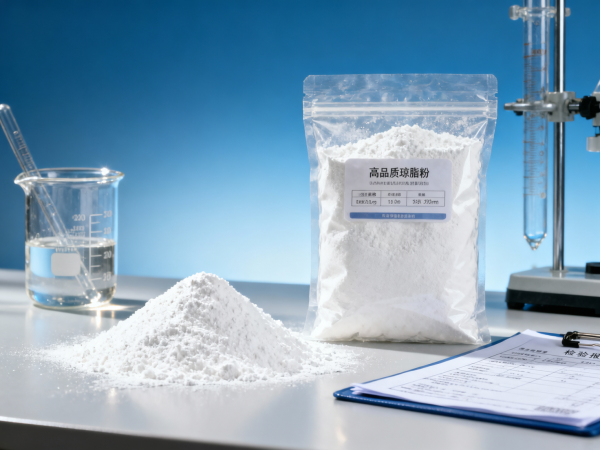
Key Technical Specifications for Food-Grade Agar Agar Powder
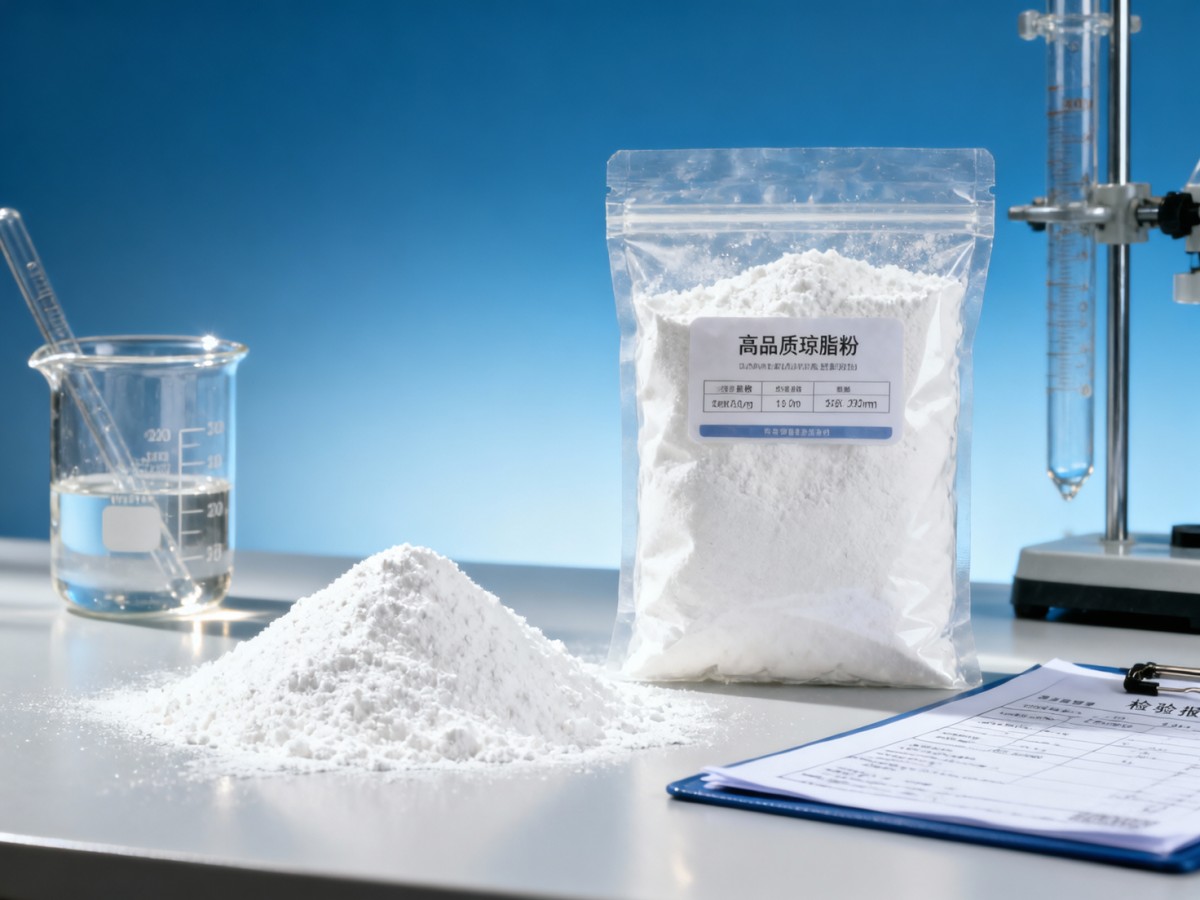
Commercial food manufacturers require agar agar powder that meets stringent functional and safety parameters. Unlike retail-grade products, industrial applications demand precise gel strength (typically 600-1200 g/cm²), pH stability (5.5-8.0), and particle size distribution (80-120 mesh). These specifications directly impact production efficiency and final product texture.
Leading manufacturers optimize these parameters based on application requirements. For example, dairy alternatives require 900-1100 g/cm² gel strength for optimal mouthfeel, while confectionery products may tolerate 600-800 g/cm² for faster setting times.
Supply Chain Considerations for Bulk Purchases
Procurement teams must evaluate suppliers against four critical supply chain metrics: batch consistency (±5% gel strength variation), lead time stability (typically 4-6 weeks for international shipments), documentation completeness (including Certificate of Analysis and Origin), and crisis response protocols.
The global agar agar market faces seasonal fluctuations in raw material (Gracilaria/Gelidium seaweed) availability, with Q2-Q3 being peak harvesting periods in primary producing regions like Indonesia and Morocco. Strategic buyers maintain 8-12 weeks of safety stock to mitigate supply disruptions.
Certification Requirements by Market
- EU: EC No 231/2012 compliance, Halal/Kosher optional
- US: FDA 21 CFR 184.1115, GRAS Notice 000231
- Japan: JAS Organic Certification for clean-label products
- China: GB 1886.239-2016 with heavy metal testing
Cost-Performance Optimization Strategies
Food technologists can achieve 15-30% cost savings through strategic agar agar blending without compromising functionality. Common approaches include:
For operations producing over 5 metric tons monthly, direct contracts with seaweed processors (rather than hydrocolloid distributors) can yield additional 8-12% savings through elimination of middleman margins.
Implementation & Quality Control Protocols
Successful integration of agar agar powder requires standardized testing at three critical stages:
- Incoming Inspection: Verify moisture content (≤12%), particle size distribution, and absence of off-odors
- Process Validation: Test gel formation time (typically 30-45 seconds at 1% concentration) and thermal reversibility
- Finished Product: Monitor texture stability over 60-90 day shelf life under accelerated aging conditions
Modern food plants utilize rapid viscosity analyzers (RVA) and texture profile analyzers (TPA) to quantify these parameters within 15-20 minutes per batch, compared to traditional 4-6 hour methods.
Strategic Sourcing Recommendations
When evaluating suppliers for commercial agar agar powder, prioritize partners demonstrating:
- Vertical integration with seaweed cultivation operations
- ISO 22000 or FSSC 22000 certified processing facilities
- Minimum 3-year track record serving food manufacturers
- Technical support for application development
For manufacturers requiring 10+ metric tons annually, consider establishing joint development agreements with suppliers to customize powder characteristics like dissolution temperature (85-95°C optimal range) or syneresis rates.
Emerging Industry Trends
The agar agar market is shifting toward:
- Organic-certified production (growing at 12% CAGR)
- Customized blends for vegan meat applications
- Blockchain-enabled traceability systems
To optimize your agar agar procurement strategy and access verified supplier profiles, request our comprehensive Hydrocolloid Sourcing Guide tailored for food manufacturing executives.
Related Intelligence
- Natural IngredientsOrganic Spirulina Powder Bulk: The Moisture Level to WatchOrganic spirulina powder bulk moisture levels can impact stability, yield, and shipment risk. Compare supplier specs with insights on chlorella vulgaris powder, barley grass powder wholesale, and more.
- Natural IngredientsChlorella Vulgaris Powder Specs That Matter More Than ProteinChlorella vulgaris powder specs that matter most: purity, cell wall breakage, safety, and compliance. Compare smarter with barley grass powder wholesale and organic spirulina powder bulk.
- Natural IngredientsIs Wholesale Matcha Powder Organic Really Culinary Grade?Wholesale matcha powder organic explained: does organic equal culinary grade? Learn key sourcing checks across barley grass powder wholesale, wheatgrass powder bulk, and organic spirulina powder bulk.
The Morning Broadsheet
Daily chemical briefings, market shifts, and peer-reviewed summaries delivered to your terminal.
