
Bulk isolated soy protein for drinks or bars?
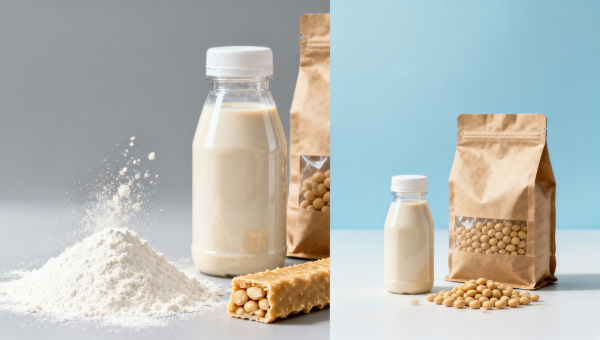
Choosing isolated soy protein bulk for drinks or bars depends on texture, solubility, labeling goals, and cost control. For buyers comparing pea protein isolate powder, rice protein powder organic, or whey protein concentrate wholesale, soy remains a practical benchmark for protein density and formulation versatility. This guide helps procurement teams, formulators, and quality managers evaluate application fit, processing demands, and supply-chain considerations with greater confidence.
In B2B formulation, the decision is rarely about protein percentage alone. Beverage manufacturers need fast dispersion, low grit, and flavor masking efficiency across batch sizes from 500 kg to 5 metric tons. Nutrition bar producers, by contrast, often care more about water binding, dough handling, extrusion stability, and shelf-life control over 6–12 months.
For procurement teams, isolated soy protein bulk also sits at the intersection of margin pressure and technical risk. A lower unit price can be offset by poor hydration, sedimentation, allergen labeling constraints, or inconsistent lot performance. That is why application-specific evaluation matters more than generic specification sheets.
Application fit: why drinks and bars require different soy protein behavior
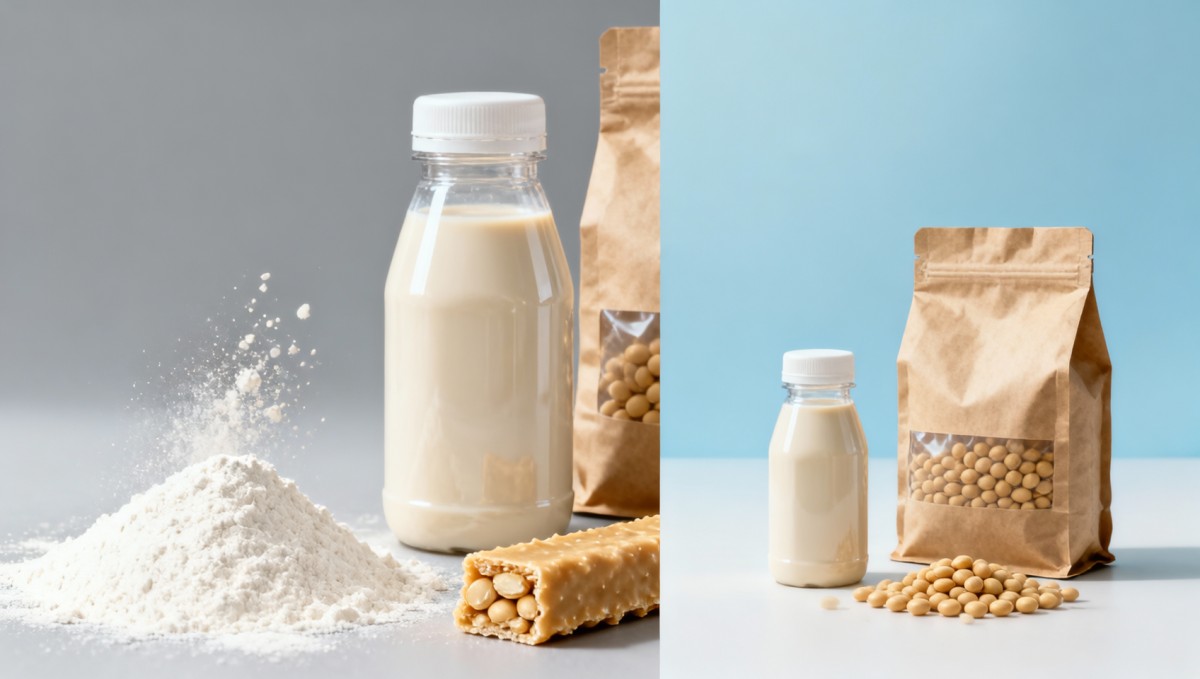
Isolated soy protein is typically selected when formulators want high protein density, often around 85%–90% protein on a dry basis, with relatively controlled fat and carbohydrate levels. Yet the same bulk ingredient may perform very differently in a ready-to-mix beverage versus a high-protein snack bar. The key variables are particle size, dispersibility, emulsification behavior, and hydration rate.
In drinks, the priority is usually smooth mouthfeel and stable suspension. A soy isolate that hydrates within 30–90 seconds under moderate shear can reduce processing time and minimize visible sediment. Beverage operators also watch pH tolerance, especially in formulations around pH 3.5–4.5 for acidic protein drinks or pH 6.5–7.0 for neutral dairy-alternative blends.
In bars, solubility is less critical than structure. Manufacturers often want a protein that contributes to chewiness without making the bar overly dense or brittle after 8–16 weeks of storage. Soy isolate can support texture retention, but the right grade must match the syrup system, humectant level, and target water activity, which commonly falls between 0.45 and 0.65.
A practical purchasing mistake is assuming one standard isolate can serve both lines equally well. In reality, a beverage-grade isolate may create a softer, less manageable dough in bars, while a bar-oriented grade may leave visible particles or a chalkier mouthfeel in drinks. Cross-functional trials between procurement, R&D, and quality teams are usually more cost-effective than post-launch corrections.
Core technical differences by end use
The table below helps buyers compare how isolated soy protein bulk is typically evaluated for beverages and bars. It is not a universal specification, but it reflects common decision criteria used in industrial food and ingredient sourcing.
The main takeaway is straightforward: drinks reward dispersibility and sensory control, while bars reward structural functionality. Buyers comparing soy with pea protein isolate powder or rice protein powder organic should judge each option by process fit, not just by headline protein content.
Short checklist for first-stage screening
- For drinks, ask for dispersibility data, sediment behavior over 24–48 hours, and flavor profile under your target sweetener system.
- For bars, request dough handling notes, moisture interaction guidance, and texture change observations after 4, 8, and 12 weeks.
- For both, confirm allergen labeling, microbiological limits, packaging format, and standard lead time, which often ranges from 2–6 weeks depending on region and volume.
Selection criteria for procurement, quality, and finance teams
A good bulk soy protein decision balances technical function with commercial practicality. Procurement may focus on price per kilogram, but total formulation economics depend on usage rate, rework risk, waste, and production efficiency. A soy isolate that costs 5% more may still reduce total batch cost if it lowers flavor masking expense or reduces off-spec output.
Quality managers need tighter visibility into moisture, microbiology, particle behavior, and batch consistency. A specification sheet should be reviewed alongside certificate of analysis routines, packaging integrity, and traceability expectations. In regulated or export-oriented operations, supplier responsiveness within 24–48 hours for deviations or documentation requests can be as important as the initial price quote.
Finance approvers usually want predictability. That means understanding MOQ, freight impact, storage conditions, and shelf-life. A lower-priced bulk offer may be unattractive if it requires container-scale commitments, raises inventory carrying cost, or shortens remaining shelf-life on arrival to less than 9 months.
Distributors and project managers should also evaluate supply resilience. If the ingredient supports multiple product lines, dual-source planning becomes relevant. Standardizing one soy isolate across only compatible SKUs can simplify audits and inventory, but forcing a single grade into every application often creates downstream quality losses.
A practical B2B evaluation framework
The following table outlines six decision dimensions that frequently matter when sourcing isolated soy protein bulk for industrial beverage and bar production. It can be used in supplier scorecards or internal approval workflows.
For most industrial buyers, the most effective approval sequence includes 4 steps: lab screening, pilot validation, documentation review, and commercial negotiation. This structure reduces the chance that a technically acceptable sample becomes a procurement problem later due to inconsistent paperwork, packaging, or delivery performance.
Common purchasing errors to avoid
- Selecting by price per ton without calculating actual usage efficiency in the finished formula.
- Approving a sample lot without reviewing 2–3 subsequent production lots for consistency.
- Ignoring logistics details such as humidity exposure, inner liner quality, or pallet damage risk during long-haul transit.
Formulation and processing considerations in drinks and bars
Processing conditions can determine whether isolated soy protein bulk performs as expected. In drinks, mixing order is especially important. Adding soy isolate too quickly into cold water under low shear often creates fisheyes and incomplete hydration. Many plants achieve better results when powder is introduced gradually, then held for 10–20 minutes before final homogenization or heat treatment.
Temperature also changes behavior. Some beverage systems hydrate more efficiently at 20°C–35°C, while excessive heat early in mixing can intensify protein aggregation or flavor perception. If the formula contains minerals, fibers, or hydrocolloids, the sequence of addition should be tested carefully because the interaction may increase viscosity before full dispersion occurs.
In bars, the challenge is usually moisture migration and texture drift. Soy isolate can strengthen protein content, but if combined with high levels of polyols or syrups, the bar may become too firm after 30–60 days. If water activity is too high, microbial risk rises; if it is too low, the bar may crack during cutting or packaging.
Operators should run controlled shelf-life trials at ambient and elevated conditions, such as 25°C and 35°C, over at least 8–12 weeks. That helps identify whether the protein system supports the intended chew, softness, and appearance under real distribution conditions. This is particularly important for contract manufacturers serving multiple brands with different label and sensory requirements.
Typical process questions to validate before scale-up
- Does the soy isolate fully disperse under your current mixer speed and batch size, or does it require higher shear equipment?
- At what inclusion rate does flavor masking become necessary, especially above 6%–10% protein contribution in ready-to-drink systems?
- How does the protein interact with fibers, cocoa, vitamins, minerals, or fat systems during 30, 60, and 90 days of storage?
- Can the production line maintain consistent dough viscosity or bar density at commercial throughput, not only at pilot scale?
Comparing soy with other bulk proteins in practical use
When buyers compare isolated soy protein bulk with pea protein isolate powder, rice protein powder organic, or whey protein concentrate wholesale, the decision should reflect formulation trade-offs. Soy often offers a strong middle ground on protein density, cost, and functionality, but its fit depends on product positioning, allergen policy, and target consumers.
Pea protein may support allergen strategies but can present stronger earthy notes. Rice protein may assist certain labeling goals, yet it can be less functional alone in some beverage systems. Whey can perform well in texture and flavor, but it may not align with plant-based positioning or heat stability targets in every formula. For many procurement teams, soy remains the benchmark ingredient against which all alternatives are economically measured.
Supply chain transparency, compliance, and quality control priorities
For institutional buyers, ingredient approval now extends beyond technical performance. Supply chain transparency matters because protein ingredients move through multiple points: raw material sourcing, processing, packaging, warehousing, inland freight, and export handling. Each stage affects risk exposure, especially when annual volumes rise above 50–100 tons or when multiple countries are involved.
Quality teams should verify routine documentation before contracting. This usually includes product specification, allergen declaration, microbiological limits, country of origin, packaging description, and lot traceability. If the ingredient will be used in regulated or export-sensitive categories, document turnaround time should be defined clearly, ideally within 1–2 business days for standard requests.
Storage and transport conditions also deserve attention. Although isolated soy protein bulk is shelf-stable compared with many liquid ingredients, it still needs dry handling and protected packaging. Warehouses commonly target cool, dry conditions, and buyers should monitor residual shelf-life on arrival rather than only total stated shelf-life from date of manufacture.
Distributors and procurement managers should ask how deviations are handled. If a lot fails a moisture or microbiological check, what is the response time, replacement path, and claim documentation process? A supplier with a clear corrective action workflow can reduce project disruption far more effectively than one offering only a lower nominal price.
Quality and supply checkpoints for ongoing purchase programs
The table below summarizes a practical control structure for repeat purchases. It is useful for manufacturers, importers, and distributors that want a more disciplined supplier management routine.
This kind of checkpoint system helps convert a commodity purchase into a controlled ingredient program. For businesses scaling distribution or launching new formulations, that discipline reduces hidden costs tied to delays, quality claims, and reformulation cycles.
Risk signals buyers should not ignore
- Large price gaps with unclear explanation of functional or packaging differences.
- Inconsistent sample appearance or odor across two or more test lots.
- Slow response on traceability, allergen, or specification questions during qualification.
FAQ for industrial buyers evaluating bulk soy protein
How do I know if isolated soy protein bulk is better for drinks than bars?
Ask for application-specific samples, not just a standard sales sample. In beverages, assess dispersion time, sediment after 24–72 hours, and flavor impact at the target inclusion level. In bars, test dough workability, cutting behavior, and texture shift over at least 8 weeks. If the supplier cannot provide differentiated guidance, the grade may be too generic for commercial-scale optimization.
What MOQ and lead time are common in bulk purchasing?
Typical MOQ can range from a few sample bags for trials to pallet quantities or container loads for regular supply. Lead time often falls between 2 and 6 weeks, depending on stock position, region, and documentation requirements. Buyers should confirm whether the quoted lead time refers to production readiness, port departure, or delivery to site.
What should quality teams prioritize during approval?
Focus on three layers: specification compliance, functional consistency, and document reliability. A protein ingredient can meet numeric specs yet still underperform in mixing or shelf-life. For that reason, quality approval should combine laboratory checks with process trials and document review, especially for allergen handling and traceability.
Is soy still competitive when compared with pea, rice, or whey?
In many commercial formulas, yes. Soy often remains competitive because it combines high protein concentration, relatively broad functionality, and familiar industrial handling. However, the better option depends on labeling strategy, allergen policy, flavor profile, and target price point. The most reliable comparison is a side-by-side trial using the same process conditions and finished product targets.
For drinks, isolated soy protein bulk should be selected for dispersibility, mouthfeel, and suspension control. For bars, it should be chosen for dough behavior, chew profile, and storage stability. The strongest sourcing decisions come from matching technical performance to commercial realities such as MOQ, lead time, documentation readiness, and repeatability across lots.
AgriChem Chronicle supports industrial buyers, formulators, and decision-makers with sector-focused analysis that connects ingredient functionality with procurement discipline. If you are comparing soy against pea, rice, or whey in a beverage or bar program, now is the right time to align technical testing with supply-chain evaluation. Contact us to discuss sourcing criteria, request a tailored comparison framework, or explore more ingredient intelligence for your next project.
Related Intelligence
- Natural IngredientsIndonesia BPOM Updates Label Rules for Natural Ingredients ImportsIndonesia BPOM updates label rules for natural ingredients imports: New pH ≤4.6 & 60°C/30min tolerance statement required by Aug 1, 2026 — act now to avoid customs rejection.
- Natural IngredientsIndonesia BPOM Updates Natural Ingredients Import LabelingIndonesia BPOM Updates Natural Ingredients Import Labeling: New 'Microbial Resistance Profile' required for cosmetics, supplements & personal care imports—act now to avoid customs delays.
- Natural IngredientsWholesale inulin powder vs FOS: which fits better?Wholesale inulin powder vs fructooligosaccharides FOS wholesale: compare chicory root fiber bulk benefits, solubility, texture, tolerance, and B2B application fit to choose smarter.
The Morning Broadsheet
Daily chemical briefings, market shifts, and peer-reviewed summaries delivered to your terminal.
