
Barley Grass Powder Wholesale: Why Color and Taste Vary by Batch
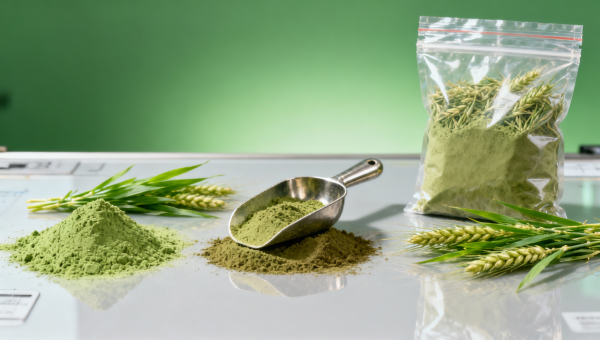
In barley grass powder wholesale, batch-to-batch differences in color and taste are not always defects—they often reflect harvest timing, drying methods, origin, and quality control standards. For buyers comparing wheatgrass powder bulk, wholesale matcha powder organic, or chlorella vulgaris powder, understanding these variations is essential for accurate technical evaluation, supplier selection, and consistent product positioning.
For procurement teams, formulators, distributors, and quality managers, visual uniformity is only one part of the decision. A darker green powder may indicate younger harvest and gentler drying, while a lighter green lot may still be compliant, safe, and functionally suitable for tablets, beverages, capsules, or feed blends. Taste variation follows the same logic: sweetness, grassy intensity, bitterness, and marine-like notes can shift within normal agricultural ranges.
In wholesale transactions, these differences affect product claims, sensory consistency, reformulation costs, customer acceptance, and even inventory planning. The key question is not whether every batch looks identical, but whether the supplier defines acceptable ranges, documents process controls, and aligns lot characteristics with the buyer’s intended end use.
Why barley grass powder color and taste change from batch to batch
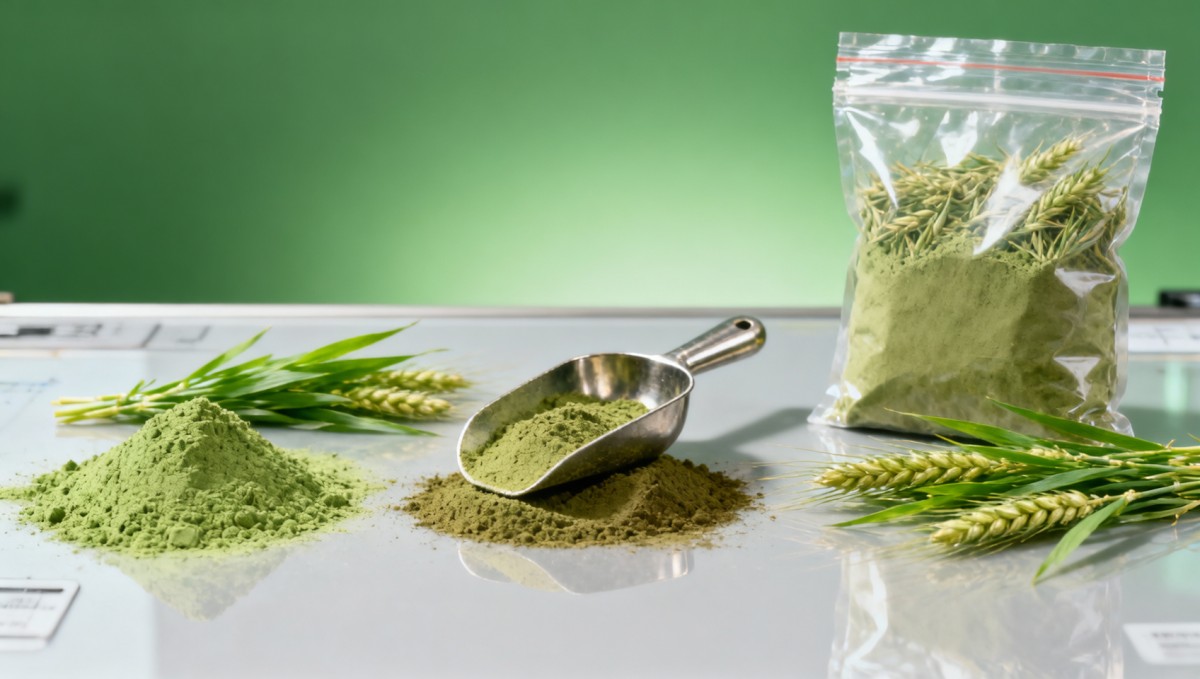
Barley grass powder is an agricultural extract, not a fully synthetic ingredient. Its appearance and flavor are naturally influenced by field conditions, harvest window, processing temperature, and storage time. In commercial practice, even well-managed production may show measurable variation across 2 to 4 harvest cycles per year, especially when raw material is sourced from more than one farm zone.
Harvest timing is one of the biggest variables. Younger barley grass, often cut at around 15 to 25 cm height, usually produces a brighter green powder with a fresher, sweeter grassy note. More mature grass may yield a slightly duller tone and stronger vegetal taste because fiber content increases and sugar-to-chlorophyll balance changes during plant growth.
Drying method also matters. Low-temperature air drying can better preserve green pigments and mild flavor, while higher heat may reduce moisture faster but can shift color toward olive green and create a more toasted or bitter note. In many facilities, the practical drying target is below 8% moisture, but the route used to reach that target influences sensory results.
Key production factors behind sensory variation
Origin affects mineral profile, rainfall exposure, sun intensity, and soil nitrogen, all of which can subtly change pigment concentration and taste. A batch grown in a cooler season may not match one harvested during a hotter 30-day period, even if both pass microbiological and heavy metal checks. Buyers evaluating barley grass powder wholesale should therefore request specification ranges, not rely only on sample memory.
- Harvest stage: younger grass often gives brighter color and milder taste.
- Drying temperature: lower-temperature processing generally preserves chlorophyll better.
- Grinding fineness: 80–200 mesh can alter mouthfeel and flavor release.
- Storage conditions: light, oxygen, and humidity exposure may gradually fade color.
A common mistake is to judge quality from color alone. In some buyer segments, deep green is treated as automatically superior, yet a very dark batch may simply be linked to cultivar, season, or dehydration profile. Technical assessment should combine sensory checks with moisture, ash, microbiology, and contaminant testing before a purchasing conclusion is made.
How buyers should evaluate batch differences in wholesale trade
A workable evaluation system separates normal agricultural variability from genuine quality risk. For most B2B buyers, the first step is to define acceptable ranges across four dimensions: color, taste, analytical values, and safety compliance. This approach reduces disputes during repeat orders and helps finance and project teams approve lots faster.
Instead of requesting “same as previous batch,” buyers should specify measurable controls. Examples include moisture at or below 8%, total plate count within the agreed internal threshold, mesh range such as 100–150 mesh, and sensory descriptors like “fresh grassy, no burnt note, mild bitterness acceptable.” These criteria are far easier to audit than subjective language.
Practical evaluation framework for procurement and QC
The following table shows how technical and commercial teams can classify batch variation during sourcing, incoming inspection, and supplier qualification. It is especially useful when comparing barley grass powder wholesale lots with wheatgrass powder bulk or chlorella vulgaris powder, where natural pigment and flavor variation are also common.
The key conclusion is that acceptable variation should be pre-defined by application. A lot suitable for capsules may not be the best fit for premium beverage blends, even if both meet basic safety and composition requirements. Functional fit is often more valuable than visual uniformity.
Four questions buyers should ask suppliers
- What is the approved sensory range across the last 3 to 5 production lots?
- Which drying method and temperature band were used for this batch?
- Is the raw material from one origin or mixed origin within the same shipment?
- What documents support microbiological, heavy metal, and pesticide compliance?
When these questions are answered clearly, technical evaluators, procurement teams, and approval managers can distinguish routine variation from poor process control. That distinction is central to reducing rejected shipments, rework costs, and delays in product launch schedules.
Comparing barley grass powder with wheatgrass, matcha, and chlorella in bulk sourcing
Cross-category comparison is useful because many buyers review several green powders in the same sourcing cycle. However, expectations must be adjusted. Wholesale matcha powder organic is processed from tea leaves and often faces stricter visual consistency expectations. Chlorella vulgaris powder has a much stronger marine profile. Wheatgrass powder bulk may show variation similar to barley grass but often differs in sweetness, fiber feel, and color tone.
This means a procurement benchmark suitable for matcha may be unrealistic for barley grass powder wholesale. If a buyer imports specifications from one category to another without modification, they may reject acceptable lots or overpay for unnecessary uniformity. Product category logic should always guide specification design.
Category-level sourcing differences
The table below highlights common distinctions among four bulk green powders. The values are practical ranges used for purchasing discussions rather than fixed universal standards, and they should be validated against the buyer’s final application, market positioning, and regulatory obligations.
The main takeaway is that direct color comparison across categories can be misleading. Each green powder has its own normal sensory envelope. Buyers should align specifications with the ingredient type, processing pathway, and intended dosage format rather than force one universal visual standard across all bulk powders.
When cross-category benchmarking helps
Cross-category benchmarking is most useful when teams are deciding between beverage-grade and capsule-grade materials, or when distributors want a portfolio strategy covering 3 to 4 green powder segments. It becomes less useful when a product brief requires highly specific flavor masking or premium visual identity.
Quality control, storage, and documentation that reduce commercial risk
Batch variation becomes a risk only when it is undocumented, unmanaged, or inconsistent with the declared specification. Strong suppliers reduce this risk through incoming raw material checks, in-process controls, final lot release testing, and clear retention sample practices. For buyers, documentation quality is often as important as the powder itself.
At minimum, commercial buyers should expect a certificate of analysis, microbiological results, and declarations relevant to heavy metals and pesticide management. Where the destination market requires it, teams may also review allergen, irradiation, solvent, or organic-related declarations. Review cycles of 6 to 12 months are common for approved supplier reassessment.
Storage and handling factors that alter perception after shipment
Some apparent batch differences are created after production, not during it. If powder is stored in warm, humid conditions for several weeks, the color can fade and flavor can flatten. Warehouses targeting below 25°C and controlled humidity generally maintain product appearance better than uncontrolled environments. Packaging barrier quality also makes a visible difference over time.
- Use sealed, food-grade inner liners with low oxygen exposure during packing.
- Avoid repeated opening of multi-kilogram bags during sampling or partial use.
- Apply FIFO or FEFO logic to reduce age-related color drift.
- Document sampling date, lot code, and warehouse conditions for traceability.
For project managers and safety officers, the practical goal is to build a chain of evidence from farm lot to finished goods release. That chain shortens dispute resolution time, supports customer audits, and helps explain why one lot is slightly different while still commercially acceptable.
A five-step risk control workflow
- Approve a written specification with measurable sensory and analytical limits.
- Confirm pre-shipment sample or retained sample against that specification.
- Verify shipping and storage conditions during the 7–30 day logistics window.
- Perform incoming inspection on appearance, odor, moisture, and documents.
- Record deviations and trend them across at least 3 consecutive lots.
This workflow supports not only quality teams but also business evaluators and financial approvers, because it reduces the likelihood of hidden losses from rejected inventory, relabeling, or delayed production runs.
FAQ for technical teams, buyers, and distributors
How much color variation is normal in barley grass powder wholesale?
A reasonable amount of variation is normal, especially across seasons, origins, and drying conditions. Bright green, medium green, and olive green may all fall within an acceptable range if the lot meets the agreed sensory profile, moisture target, and safety criteria. What matters is whether the supplier defines and documents the acceptable range in advance.
Does stronger taste mean higher quality?
Not necessarily. Stronger taste may result from maturity, concentration effects during drying, or varietal differences rather than superior functionality. In some product formats, such as ready-to-mix beverages, a milder profile is commercially preferable because it lowers flavor-masking cost and improves consumer acceptance.
What should distributors check before committing to repeat orders?
Distributors should review at least 3 areas: lot-to-lot consistency, documentation completeness, and packaging stability. Ask for multiple batch references if possible, confirm lead times such as 2–6 weeks depending on origin and season, and verify whether the supplier can reserve the same production window for recurring demand.
Which specification points matter most for beverage versus capsule use?
For beverages, color tone, odor, suspended appearance, and bitterness threshold usually carry more weight. For capsules or tablets, mesh, flowability, bulk density, and moisture control often become more important. The same barley grass powder wholesale lot may perform differently depending on whether the final format is a direct-consumption drink, a blend, or a solid dosage product.
Batch-to-batch differences in barley grass powder are best understood as a sourcing and specification issue, not merely a visual defect issue. Buyers who define measurable ranges, compare category-specific norms, and verify storage and process controls are far more likely to secure consistent product performance and avoid avoidable disputes.
For organizations evaluating barley grass powder wholesale, wheatgrass powder bulk, wholesale matcha powder organic, or chlorella vulgaris powder, a disciplined review process supports better supplier qualification, sharper product positioning, and more reliable procurement outcomes. To discuss bulk ingredient selection, sensory specification design, or supplier evaluation criteria, contact us to get a tailored sourcing framework and more detailed technical guidance.
Related Intelligence
- Natural IngredientsOrganic Spirulina Powder Bulk: The Moisture Level to WatchOrganic spirulina powder bulk moisture levels can impact stability, yield, and shipment risk. Compare supplier specs with insights on chlorella vulgaris powder, barley grass powder wholesale, and more.
- Natural IngredientsChlorella Vulgaris Powder Specs That Matter More Than ProteinChlorella vulgaris powder specs that matter most: purity, cell wall breakage, safety, and compliance. Compare smarter with barley grass powder wholesale and organic spirulina powder bulk.
- Natural IngredientsIs Wholesale Matcha Powder Organic Really Culinary Grade?Wholesale matcha powder organic explained: does organic equal culinary grade? Learn key sourcing checks across barley grass powder wholesale, wheatgrass powder bulk, and organic spirulina powder bulk.
The Morning Broadsheet
Daily chemical briefings, market shifts, and peer-reviewed summaries delivered to your terminal.
