
Are bio ingredients worth using in commercial feed?
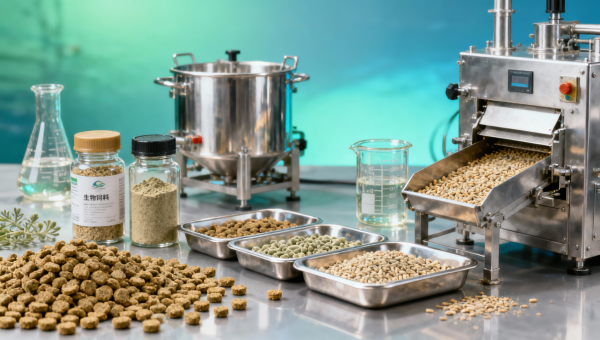
Are Bio Ingredients truly worth the premium in commercial feed? For buyers and operators across aquaculture production, industrial milling, and pharmaceutical processing, the answer depends on performance, compliance, and traceability. This article uses Peer Analysis to examine Feed Ingredients, aquaculture products, and aquaculture equipment through the lens of FDA Standards and evolving Aquaculture Tech.
When do bio ingredients create real value in commercial feed?
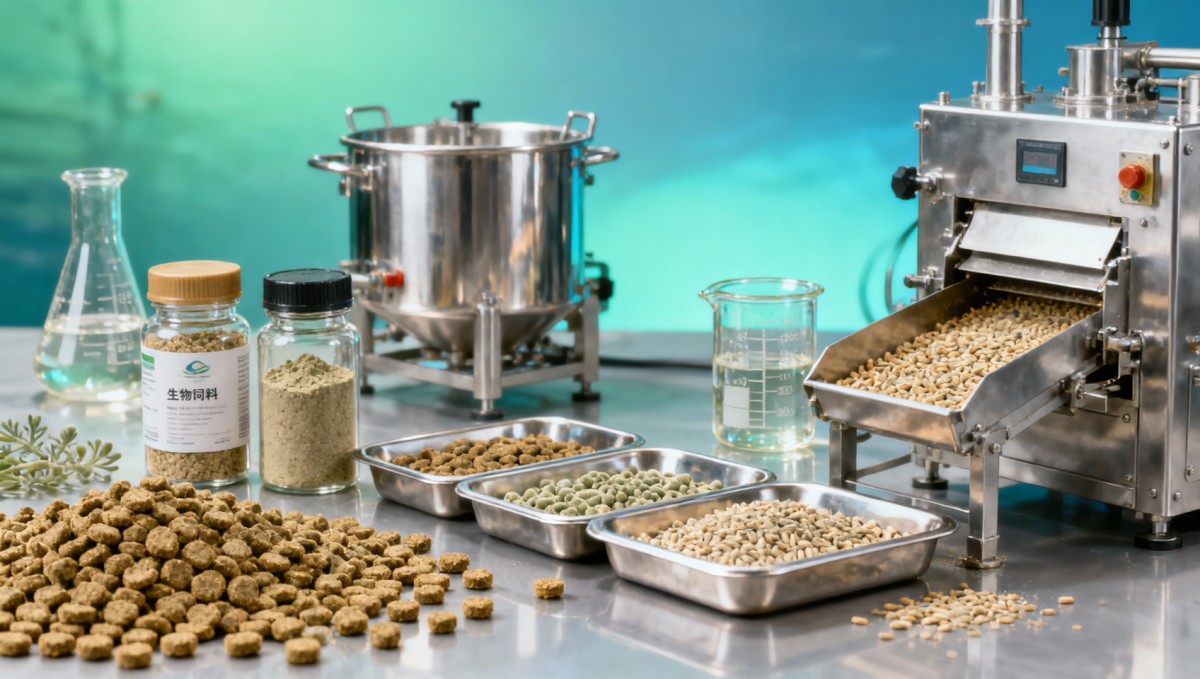
In commercial feed, bio ingredients usually refer to biologically derived functional inputs such as probiotics, enzymes, yeast derivatives, organic acids, plant extracts, fermentation metabolites, and selected bio-extracts used to support digestion, feed efficiency, animal resilience, or raw material flexibility. They are not automatically worth using simply because they sound more advanced. Their value depends on whether they solve a measurable production problem within 1–3 feeding cycles or across a full production season.
For information researchers, the first question is not technical novelty but decision relevance. Does a bio ingredient reduce formulation risk when soybean meal quality shifts? Can it stabilize gut performance under higher stocking density? Will it help maintain output when antibiotic use is restricted or when feed ingredients face tighter residue review? These are practical questions tied to procurement, compliance, and operating margins.
For operators and project managers, performance must be visible on the plant floor or at farm level. A biological additive that needs strict humidity control, narrow processing conditions, or inconsistent dosing support may fail in real use even if lab data looks promising. In feed & grain processing, a viable solution must tolerate common production windows, often including conditioning, pelleting, storage, and transport over 2–8 weeks.
For finance approvers, the premium only makes sense when it improves the cost-per-unit of output rather than just increasing formula cost. That means evaluating not only purchase price per ton, but also effects on feed conversion, mortality risk, intake consistency, reject rates, and batch-to-batch variability. A bio ingredient becomes commercially justified when it contributes to predictable operational control, not just technical optimism.
Three conditions that usually justify the premium
- The ingredient addresses a clear bottleneck, such as digestibility loss, water stability issues in aquaculture feed, or reduced performance from variable raw materials.
- Its inclusion can be verified through 3 core indicators: technical stability, traceable sourcing, and consistent usage instructions across plants or farms.
- The supplier can support compliance review, documentation checks, and practical implementation rather than offering only broad marketing claims.
How do bio ingredients compare with conventional feed additives?
The strongest procurement decisions come from comparison, not assumption. Conventional additives often remain attractive because they are familiar, easier to source, and simpler to cost into standard formulations. Bio ingredients, however, may offer better adaptability where feed inputs fluctuate or where aquaculture tech systems require tighter control over animal health, water conditions, and residue management. The better option depends on the use case.
In aquaculture production, the comparison is especially important. Fish and shrimp systems can react quickly to feed changes, and operators often need results within 2–6 weeks. A biological solution that supports digestive stability or nutrient availability may be more valuable than a lower-cost conventional additive if it reduces performance swings during temperature changes, stress events, or raw material substitution.
The table below summarizes a practical comparison framework for decision-makers evaluating bio ingredients against conventional options in commercial feed. It is intended for procurement teams, QC staff, and operations leaders who need a balanced view rather than a single-variable price comparison.
This comparison shows why many commercial buyers should not ask whether bio ingredients are better in absolute terms. The better question is whether they outperform conventional choices under the exact feed ingredients, species, processing conditions, and compliance requirements involved. That distinction matters across aquaculture products, livestock feed, and even adjacent processing sectors where documentation and residue risk shape the final decision.
Where comparison often goes wrong
A common mistake is comparing only inclusion cost per ton. A more complete model should include at least 5 checks: supplier consistency, heat stability, storage sensitivity, documentation quality, and expected outcome timing. If a team skips these checks, the product may look economical on paper yet become expensive after reformulation delays, extra quality testing, or disappointing field performance.
Another mistake is applying a result from one species or one facility directly to another. Shrimp feed, fish feed, poultry feed, and specialty processing applications each have different process stress and biological response patterns. What works in a mash system may behave differently after pelleting. What works in one water temperature band, such as 20°C–28°C, may not translate cleanly to a colder production environment.
What should procurement and QA teams check before buying?
Commercial feed procurement cannot rely on brochure claims. Buyers, quality managers, and safety personnel need a screening framework that links supplier statements to plant reality. In most industrial feed settings, there are 4 decision layers: technical fit, compliance fit, supply fit, and commercial fit. A product that passes only one or two of these layers may still create avoidable risk.
Technical fit covers the practical basics. Can the bio ingredient remain functional through the intended process route? Is it suited to mash, crumble, extrusion, or pellet feed? Does the supplier state recommended storage conditions, typical shelf-life windows, and compatible inclusion ranges? A vague answer here is a warning sign, especially when production lines run continuously for 8–16 hours and hold inventory for several weeks.
Compliance fit matters even more when products cross borders or enter regulated aquaculture chains. Buyers should ask how the ingredient is described in technical documents, whether the source and manufacturing route are traceable, and what quality records are available. Where FDA Standards or other market-specific rules are relevant, teams should confirm labeling implications, documentation depth, and whether the ingredient triggers extra review in the target market.
Supply fit and commercial fit often decide whether a trial can scale into routine procurement. A promising input is less useful if lead times are unstable, minimum order quantities are too high, or batch documentation changes from shipment to shipment. In practical terms, procurement should test whether the supplier can support both pilot use and repeat ordering over 2–4 quarters, not just one initial sale.
A practical supplier review checklist
- Request a specification sheet with active parameters, storage guidance, recommended use range, and handling precautions.
- Check whether traceability documents cover source material, production batch references, and quality release records.
- Confirm typical lead time, order flexibility, and whether samples or pilot volumes are available for controlled evaluation.
- Ask how the ingredient performs under actual processing stress, not only under laboratory conditions.
Key evaluation points by stakeholder
Researchers usually focus on mode of action and documentation quality. Operators care about mixing behavior, dusting, odor, and storage stability. Finance teams look for budget impact and payback logic over one season or one annual procurement cycle. QA teams want consistency, paperwork clarity, and reduced compliance ambiguity. Bringing these viewpoints together early can shorten decision time by several weeks.
How do cost, implementation, and alternatives affect the decision?
Cost is where many commercial feed decisions become distorted. A bio ingredient often carries a visible unit premium, but the economic question is broader. Does it allow reformulation with more variable feed ingredients? Does it reduce dependence on a higher-cost input? Can it lower operational disruptions, mortality exposure, or inconsistency in output? If the answer is yes, the premium may be commercially rational even when the ingredient itself is not the cheapest option.
Implementation also has a cost. A product requiring special storage, narrow dosing, or a separate micro-dosing system may create hidden expenses. Teams should calculate not just ingredient cost per metric ton, but the 3-part implementation burden: process changes, staff training, and verification testing. In some feed mills, these secondary costs outweigh the additive cost during the first 30–90 days of rollout.
Alternatives should be considered honestly. In some cases, a change in base formulation, raw material sourcing, pellet durability control, or aquaculture equipment settings may solve the same problem at lower cost. In other cases, a bio ingredient is the more practical option because it avoids major reformulation or equipment downtime. The right answer depends on whether the problem is nutritional, process-related, environmental, or compliance-driven.
The table below helps decision-makers compare these paths without reducing the issue to a simple price debate. It is especially useful for project leads and finance approvers evaluating whether to trial a bio ingredient, stay with a conventional additive, or change the process instead.
This table shows why bio ingredients should be evaluated as part of a system decision. In commercial feed, the lowest-cost component is not always the lowest-cost solution. The most effective path is often the one that balances ingredient performance, implementation burden, compliance readiness, and repeatability across multiple batches or facilities.
A simple 4-step trial process
- Define one target outcome, such as digestibility support, pellet performance, or stress resilience in aquaculture products.
- Run a limited commercial trial over one clear period, often 2–6 weeks depending on species and production schedule.
- Measure technical and commercial indicators together, including feed handling behavior and cost impact.
- Decide whether to scale, modify, or discontinue based on documented results rather than anecdotal feedback.
What standards, traceability, and risk controls matter most?
In today’s feed and aquaculture markets, compliance is no longer a separate department issue. It directly affects sourcing speed, import acceptance, customer confidence, and internal approval. For bio ingredients, the central questions are clear labeling, manufacturing transparency, batch control, and suitability for the destination market. These points matter whether a company serves feed mills, aquaculture operators, ingredient distributors, or integrated production groups.
Where FDA Standards, GMP-oriented manufacturing practices, or market-specific environmental expectations apply, documentation quality becomes part of commercial risk management. A product may look technically suitable, but if the specification sheet is incomplete or the batch support package is inconsistent, procurement teams may face delays of 7–15 days or longer during internal review. That affects launch schedules and creates friction between sourcing, QA, and operations.
Traceability should cover more than a certificate file. Teams should understand the source category, processing route, storage recommendations, and any key points that influence stability or regulatory interpretation. In cross-border supply chains, these records help project managers explain why one supplier can move through approval smoothly while another becomes stuck in repeated document clarification.
AgriChem Chronicle is especially relevant here because many buying teams need more than isolated product notes. They need cross-disciplinary intelligence linking feed ingredients, bio-extracts & ingredients, aquaculture tech, machinery realities, and trade compliance. That wider context helps companies avoid costly blind spots when evaluating whether a bio ingredient is commercially viable in regulated and performance-sensitive sectors.
Risk points often overlooked during approval
- Assuming a technically functional ingredient is automatically acceptable in every export or domestic market.
- Relying on generic certificates without checking whether they match the shipped batch and intended application.
- Ignoring storage and handling conditions that can affect stability during 4–12 weeks of warehousing or transport.
- Failing to align procurement, QC, and operations on one acceptance checklist before the first shipment arrives.
A practical decision rule
If a supplier cannot clearly explain what the ingredient is, how it behaves in process, what documentation supports it, and how repeat supply will be maintained over multiple quarters, the product is not yet ready for serious commercial adoption. This rule may seem strict, but it saves time and protects downstream execution.
FAQ and next-step guidance for commercial feed buyers
The final decision on bio ingredients is rarely yes or no in general terms. It is usually yes for specific production goals, no for poorly matched formulations, and maybe for cases that need controlled trials. The questions below reflect what procurement teams, operators, and decision-makers most often need answered before moving forward.
Which commercial feed operations benefit most from bio ingredients?
They tend to offer the most value in operations facing raw material variability, regulatory pressure, intensive aquaculture conditions, or quality consistency challenges. Examples include fish and shrimp feed programs, specialty livestock nutrition, and integrated production systems that need tighter control over both biological performance and documentation. They are less compelling where formulations are stable, low-cost, and minimally regulated.
How long does a meaningful evaluation usually take?
A screening review of documents may take 7–15 days. A plant or farm trial often needs 2–6 weeks, depending on species, production cycle, and target outcome. A full commercial decision may take 1–2 procurement cycles if finance, QA, and operations all require signoff. Faster decisions are possible, but only when the documentation package and operational fit are already clear.
What is the most common buying mistake?
The most common mistake is buying a bio ingredient to solve a problem that is actually caused by process settings, inconsistent feed ingredients, or storage conditions. The second is overvaluing marketing language and undervaluing traceability, handling requirements, and measurable use-case fit. A disciplined review prevents both errors.
Why work with AgriChem Chronicle before making a sourcing decision?
Because commercial feed decisions now sit at the intersection of technical performance, compliance, market intelligence, and supply chain transparency. AgriChem Chronicle brings these factors into one decision framework through peer-level analysis across feed & grain processing, bio-extracts & ingredients, aquaculture products, aquaculture equipment, and fine chemicals. That perspective is useful when your internal teams need more than isolated supplier claims.
Why choose us for feed ingredient intelligence and sourcing evaluation?
We help commercial buyers and technical teams move from uncertainty to a structured decision. You can consult with us on parameter confirmation, ingredient selection logic, expected delivery windows, documentation readiness, application fit in aquaculture tech systems, and comparison of bio ingredients against conventional alternatives. We also support discussions around sample evaluation, specification review, compliance checkpoints, and quotation communication for more informed procurement planning.
If your team is comparing feed ingredients for aquaculture products, industrial milling, or regulated processing chains, contact AgriChem Chronicle with your target application, formulation constraints, and approval requirements. A useful starting brief includes 4 items: intended species or process, current formulation challenge, required documentation level, and expected timeline for trial or purchase. With that information, the next conversation becomes faster, more technical, and more commercially relevant.
Related Intelligence
- Natural IngredientsEU CBAM Carbon Tariff Enters Enforcement Phase for Natural IngredientsEU CBAM Carbon Tariff enforcement starts Jan 2026 for natural ingredients — plant extracts & flavors must report verified carbon footprints to clear EU customs. Act now!
- Natural IngredientsIndonesia BPOM Tightens Import Rules for 3 Mushroom ExtractsIndonesia BPOM tightens import rules for Ganoderma lucidum, Grifola frondosa & Hericium erinaceus extracts — GMP + AOAC validation now mandatory from June 1, 2026. Act now!
- Natural IngredientsKonjac Glucomannan Powder: What Affects Quality?Konjac glucomannan powder quality explained: compare purity, viscosity, moisture, and supplier consistency with locust bean gum wholesale, guar gum powder bulk, and carrageenan gum wholesale.
The Morning Broadsheet
Daily chemical briefings, market shifts, and peer-reviewed summaries delivered to your terminal.
