

The Authority in Global Agricultural Chemistry & Bio-Resources
APVMA Expands Fast-Track Pathway for Fermentation-Derived Food Grade Enzymes in Australia
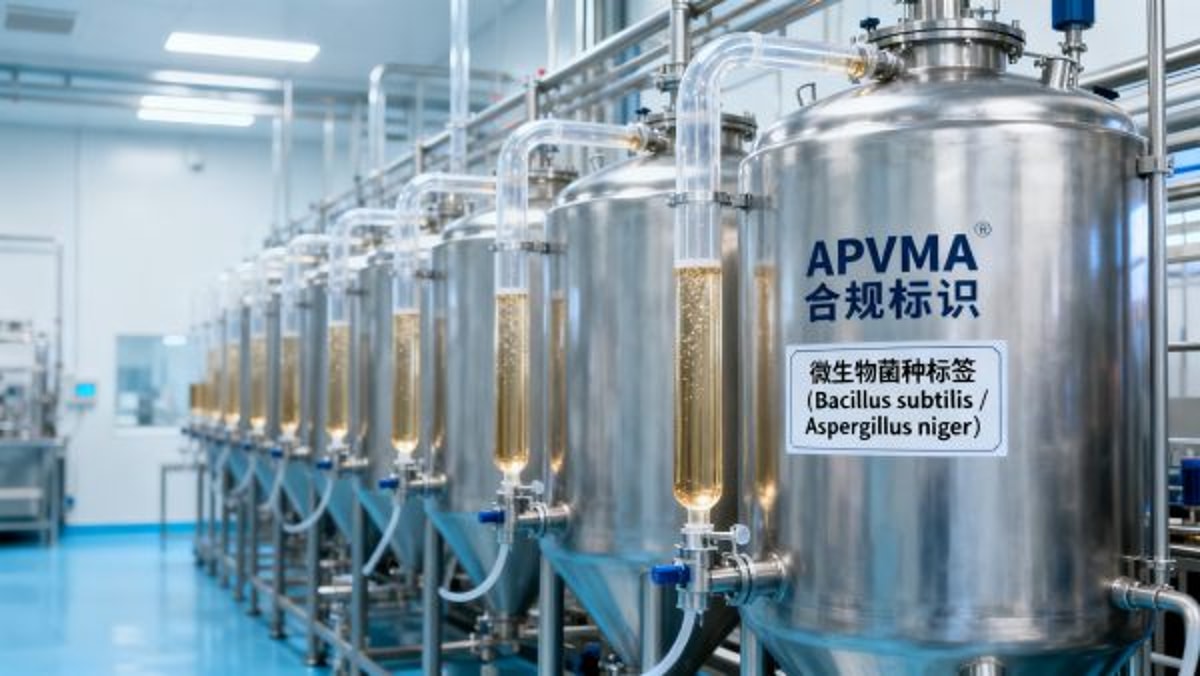
On 29 April 2026, the Australian Pesticides and Veterinary Medicines Authority (APVMA) updated its Guidance for Registration of Food Grade Enzymes, extending the fast-track assessment pathway to food grade enzymes produced via microbial fermentation—including those derived from Bacillus subtilis and Aspergillus niger. The change reduces average registration time from 18 months to within 6 months. This update is particularly relevant for food ingredient suppliers, enzyme manufacturers, feed additive producers, and regulatory affairs professionals operating in or targeting the Australia–New Zealand (ANZ) market.
Event Overview
On 29 April 2026, the APVMA published an updated version of its Guidance for Registration of Food Grade Enzymes. The revision explicitly includes enzymes manufactured through microbial fermentation processes under the existing ‘fast-track’ evaluation pathway. No further procedural changes, fee adjustments, or eligibility criteria beyond this scope were announced in the publicly available guidance document.
Industries Affected by This Update
Enzyme Manufacturing Enterprises (Fermentation-Based)
Manufacturers producing food grade enzymes via controlled microbial fermentation—especially those using strains such as Bacillus subtilis or Aspergillus niger—are directly affected. The shortened timeline applies only to applications meeting all current fast-track requirements, including full compliance with food safety and purity specifications.
Export-Oriented Biotech & Ingredient Suppliers (Especially from China)
Chinese enzyme producers holding both ISO 22000 and GMP certifications may experience accelerated market access into ANZ food processing and animal feed sectors. The policy does not waive technical or documentation requirements but compresses review duration for eligible submissions.
Regulatory Affairs & Compliance Service Providers
Firms supporting international registrations must now verify whether client enzyme products qualify under the expanded fermentation-source definition—and ensure alignment between manufacturing records, strain documentation, and APVMA’s updated interpretation of ‘food grade’ purity and safety evidence.
What Relevant Enterprises or Practitioners Should Focus On Now
Monitor official implementation details and application templates
The APVMA has not yet released revised application forms or clarified whether pre-submission consultations are recommended for fermentation-derived enzymes. Enterprises should track updates on the APVMA website and confirm whether legacy submissions require amendment to invoke the fast-track pathway.
Verify alignment of existing certifications and production records
ISO 22000 and GMP certification status alone do not guarantee eligibility. Applicants must ensure their fermentation process descriptions, strain traceability, residual solvent limits, and impurity profiles meet APVMA’s specific food-grade enzyme standards—not just general food safety benchmarks.
Distinguish between policy signal and operational readiness
This update reflects a procedural refinement—not a new regulatory category. It does not imply automatic approval, reduced data requirements, or retroactive application. Enterprises should treat it as a timeline optimization opportunity contingent on strict adherence to existing technical thresholds.
Prepare documentation packages with ANZ-specific emphasis
Applications must include fermentation-specific evidence: strain identification methodology, batch consistency data, endotoxin and mycotoxin screening (where applicable), and confirmation that no prohibited antimicrobials were used during culture. Early engagement with APVMA’s technical reviewers is advisable for complex cases.
Editorial Perspective / Industry Observation
Observably, this update signals APVMA’s intent to streamline oversight for well-characterized, low-risk biocatalysts without lowering scientific or safety expectations. Analysis shows the move aligns with broader global trends—such as EFSA’s enzyme evaluation frameworks and Health Canada’s recent guidance updates—toward risk-proportionate assessment pathways for established fermentation platforms. However, it remains a procedural adjustment rather than a substantive deregulation. From an industry perspective, the value lies not in immediate market entry, but in improved predictability for planning registration timelines and resource allocation across multiple jurisdictions.
Current more appropriate understanding is that this is a targeted efficiency measure—not a broad market-opening initiative. Its practical impact depends entirely on how consistently applicants meet the narrow technical prerequisites already defined in prior guidance.
Conclusion: This update improves registration efficiency for a defined subset of food grade enzymes but does not alter eligibility fundamentals. For affected enterprises, it reinforces the importance of robust, auditable fermentation process controls and precise regulatory positioning—not speed alone—as the foundation for successful ANZ market access.
Information Source: Australian Pesticides and Veterinary Medicines Authority (APVMA), Guidance for Registration of Food Grade Enzymes, updated 29 April 2026. Note: Ongoing observation is required regarding issuance of updated application checklists, clarifications on strain documentation standards, and any future alignment with New Zealand’s regulatory approach (MPI).
Related Intelligence
- Food Grade EnzymesGeneral Mills Wanchai Dock Food Safety Innovation at Global SummitGeneral Mills Wanchai Dock food safety innovation—blockchain traceability, AI-HACCP alerts & real-time cold-chain telemetry—verified under FDA FSMA Section 204. A benchmark for exporters.
- Food Grade EnzymesAPVMA Expands Fast-Track Pathway for Fermentation-Derived Food Grade Enzymes in AustraliaAPVMA fast-track pathway now covers fermentation-derived food grade enzymes—cutting registration to 6 months. Key for enzyme manufacturers, ANZ exporters & regulatory teams.
- Food Grade EnzymesWhen industrial enzymes bulk pricing stops saving moneyIndustrial enzymes bulk deals can backfire when storage loss, potency drift, logistics, and compliance costs erase discounts. Learn how to compare true procurement value before you buy.
The Morning Broadsheet
Daily chemical briefings, market shifts, and peer-reviewed summaries delivered to your terminal.
