
The Authority in Global Agricultural Chemistry & Bio-Resources
ANVISA New Rule: Botanical Extracts Import Traceability to Tier-2 Suppliers
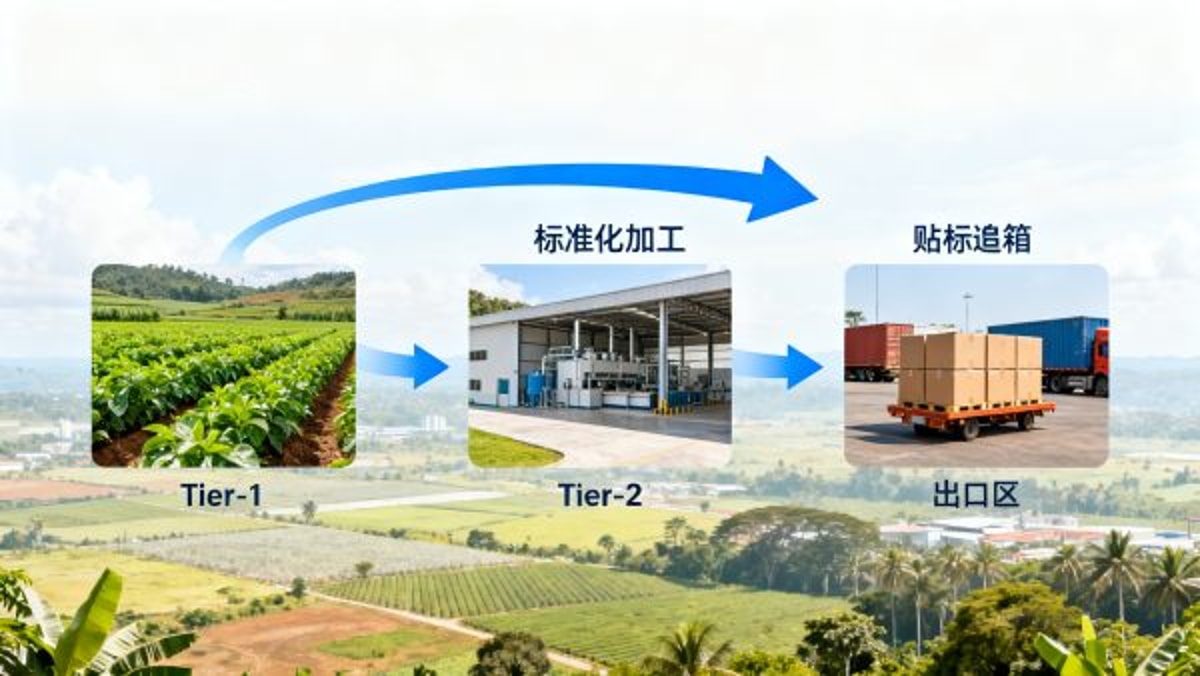
Starting 1 July 2026, Brazil’s National Health Surveillance Agency (ANVISA) will require full supply chain traceability for all imported botanical extracts — extending documentation obligations to second-tier suppliers (harvesting and primary processing entities). This regulatory shift directly affects exporters, importers, and supply chain service providers engaged in the botanical ingredients trade with Brazil, particularly those based in China and other major sourcing regions.
Event Overview
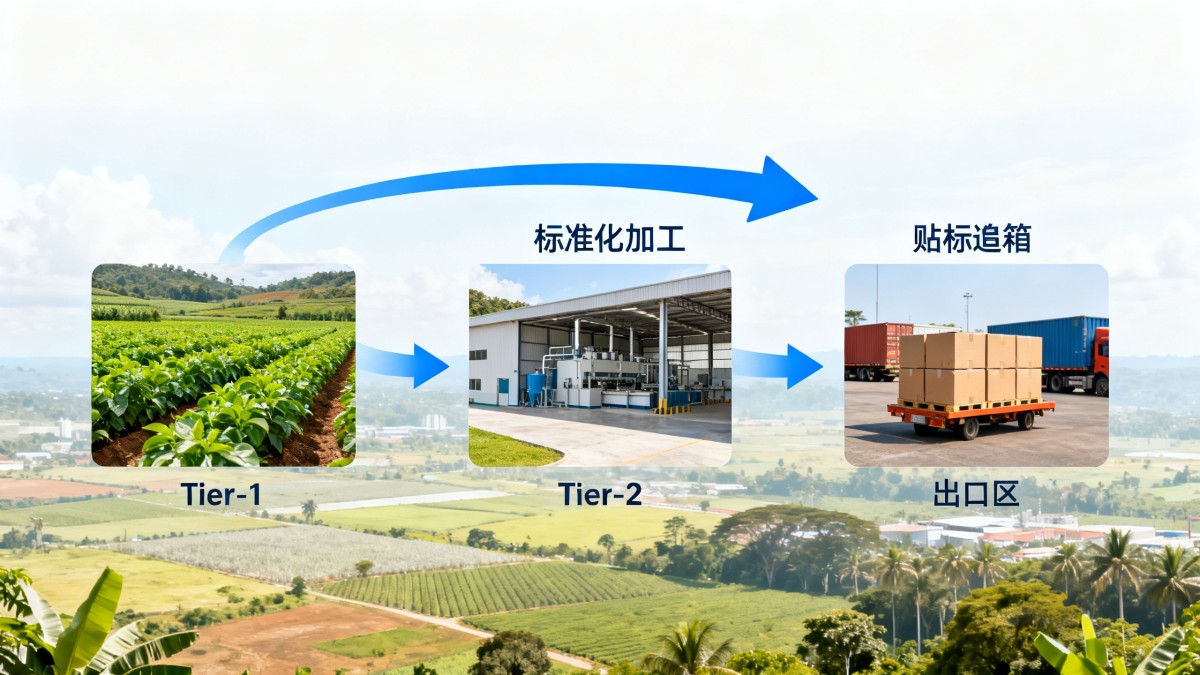
On 30 April 2026, ANVISA published Resolution RDC No. 22/2026, mandating that all import declarations for botanical extracts submitted on or after 1 July 2026 must include verified traceability documentation covering both the cultivation site (Tier-1) and the harvesting/primary processing entity (Tier-2). Required documents include Good Agricultural and Collection Practice (GACP) compliance statements and third-party audit reports from both tiers. The regulation is effective as of 1 July 2026; no transitional period is specified in the publicly released text.
Which Subsectors Are Affected
Direct trading enterprises: Exporters handling end-to-end shipments of botanical extracts to Brazil will now bear responsibility for collecting, verifying, and submitting Tier-1 and Tier-2 documentation. This increases pre-shipment administrative burden and may delay customs clearance due to document scrutiny.
Raw material procurement enterprises: Companies sourcing raw botanicals from farms or wild collection sites must ensure upstream partners maintain GACP-aligned practices and retain auditable records — even if those partners do not previously export to regulated markets.
Processing manufacturers: Entities performing extraction, drying, or standardization must now function as documented Tier-2 suppliers — requiring internal process documentation, staff training on GACP-relevant aspects (e.g., harvest timing, drying conditions), and readiness for third-party audits.
Supply chain service providers: Logistics, customs brokerage, and regulatory compliance firms supporting botanical extract imports into Brazil will need updated verification protocols and checklist templates aligned with RDC No. 22/2026 — especially for validating GACP statements and audit report scope.
What Relevant Enterprises or Practitioners Should Focus On — And How to Respond
Monitor official ANVISA guidance updates closely
ANVISA has not yet published detailed implementation guidelines, templates, or accepted audit standards for Tier-2 GACP verification. Enterprises should track announcements via the ANVISA website and official gazettes, especially for clarifications on acceptable audit bodies and minimum audit scope requirements.
Prioritize high-volume or high-risk botanical categories for documentation readiness
Analysis shows that extracts with established regulatory history in Brazil — such as Ginkgo biloba, Camellia sinensis, and Uncaria tomentosa — are more likely to face immediate scrutiny. Firms should triage their product portfolio and allocate verification resources accordingly.
Distinguish between policy issuance and operational enforcement timelines
Observably, ANVISA’s past regulatory rollouts have included informal grace periods during initial enforcement phases. However, RDC No. 22/2026 states no formal transition period. Enterprises should treat 1 July 2026 as a hard deadline for submission readiness — while remaining alert to any subsequent notices indicating phased implementation.
Initiate supplier engagement and documentation gap assessments now
From the industry perspective, most Tier-1 and Tier-2 suppliers outside Brazil currently lack GACP-aligned documentation systems. Exporters should begin mapping current supplier capabilities, identifying gaps, and initiating capacity-building discussions — including shared cost models for third-party audits — well ahead of Q2 2026.
Editorial Perspective / Industry Observation
This requirement is better understood as a structural signal than an isolated compliance update. It reflects ANVISA’s broader move toward harmonizing botanical ingredient oversight with international frameworks like WHO GACP and EFSA guidance — emphasizing origin integrity over end-product testing alone. Current enforcement capacity and audit infrastructure for Tier-2 entities remain unconfirmed; therefore, consistent application across product categories and origins is not yet guaranteed. The rule’s practical impact will depend less on the regulation itself and more on how rigorously ANVISA’s regional offices apply verification checks post-July 2026.
Conclusion
ANVISA’s new traceability mandate marks a step toward stricter origin accountability for botanical extracts entering Brazil — shifting verification responsibility upstream and increasing documentation complexity for exporters and their supply partners. It does not represent a market access ban, but rather a procedural elevation requiring advance coordination across multiple tiers. For stakeholders, the current priority is not speculation about future revisions, but concrete preparation: mapping supply chains, assessing GACP alignment at Tier-1 and Tier-2 levels, and aligning internal processes with the 1 July 2026 effective date.
Information Sources
Main source: ANVISA Resolution RDC No. 22/2026, published 30 April 2026.
Note: Implementation details — including accepted audit standards, template formats, and enforcement protocols — remain pending official clarification and are subject to ongoing observation.
Related Intelligence
- Botanical ExtractsZhiAnHua GNA Launches LingMou Global Compliance Monitoring System for Botanical ExtractsLingMou Global Compliance Monitoring System by ZhiAnHua GNA tracks real-time regulatory & AI-platform terminology risk for botanical extracts—empowering smarter, proactive compliance.
- Botanical ExtractsANVISA New Rule: Botanical Extracts Import Traceability to Tier-2 SuppliersANVISA new rule mandates botanical extracts import traceability to Tier-2 suppliers from 1 July 2026 — act now to ensure GACP compliance and avoid Brazil customs delays.
- Botanical ExtractsWhy Bio-Extracts for pharmaceutical applications need tighter specsBio-Extracts for pharmaceutical applications need tighter specs to reduce batch risk, strengthen GMP/FDA compliance, and improve supplier confidence—see the key controls buyers should verify.
The Morning Broadsheet
Daily chemical briefings, market shifts, and peer-reviewed summaries delivered to your terminal.
