
Stevia Extract Wholesale Prices Vary More Than Expected
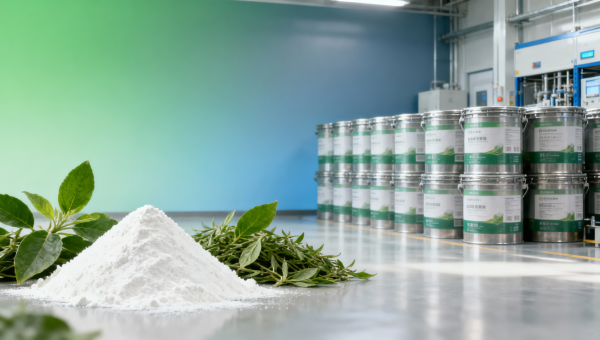
Stevia extract wholesale prices are shifting more sharply than many buyers expect, driven by origin quality, purification standards, contract volume, and broader ingredient market linkages. For procurement teams comparing erythritol powder bulk, vanilla bean extract bulk, turmeric extract curcumin, or beetroot powder bulk, understanding these pricing gaps is essential to controlling cost, compliance, and supply continuity.
In the broader bio-extracts and ingredients market, price movement is rarely explained by one variable alone. A quotation for stevia extract can differ by 15% to 40% between suppliers offering seemingly similar specifications, and the reasons often sit in process detail, documentation quality, and risk allocation rather than in the headline purity figure. That makes price benchmarking far more technical than many first-time buyers assume.
For technical evaluators, procurement managers, quality teams, distributors, and financial approvers, the key issue is not simply where to find a lower number per kilogram. The practical question is how to interpret price variance in a way that protects formulation performance, regulatory alignment, delivery reliability, and total landed cost over 3-month, 6-month, or annual purchasing cycles.
Why Stevia Extract Wholesale Prices Show Wide Market Gaps
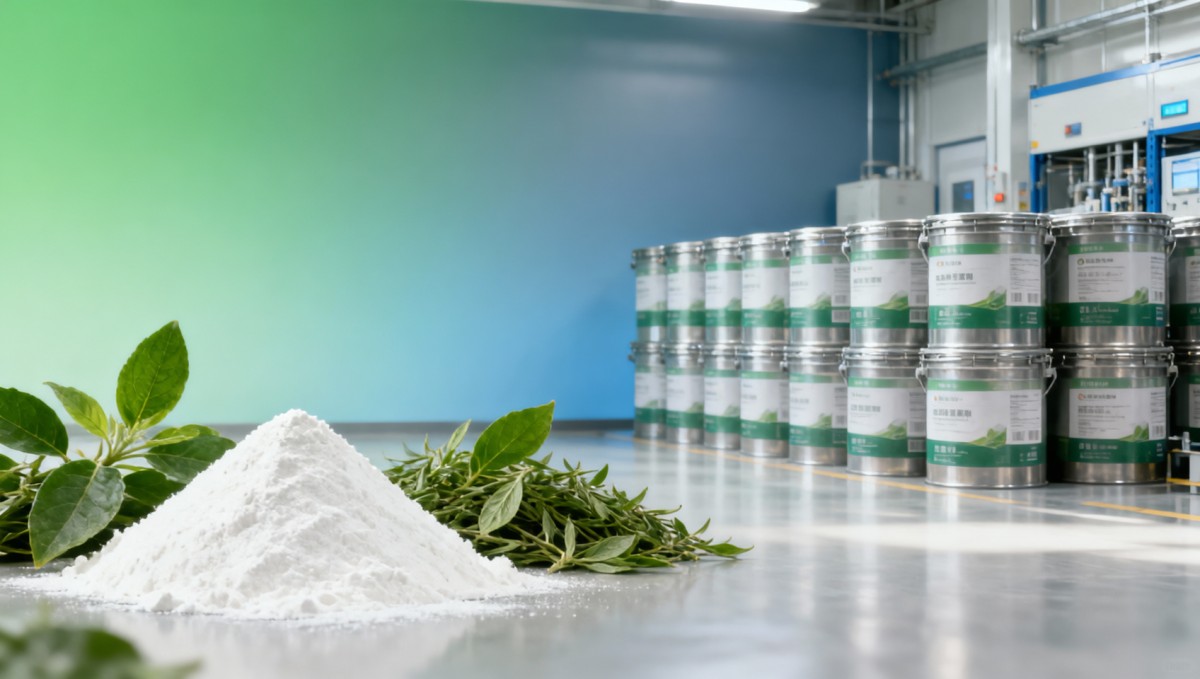
Stevia extract is not a single uniform commodity. Wholesale prices vary because the market includes different glycoside profiles, purification pathways, taste performance levels, and origin-specific agricultural inputs. A basic RA60 or mixed glycoside grade may serve some food and beverage applications, while higher-end RA97 or Reb M-oriented solutions usually command a premium due to more complex separation, lower yield, or additional blending steps.
Origin also matters more than many buyers expect. Leaf quality, harvest handling, drying consistency, and extraction efficiency can differ significantly between producing regions. If one supplier sources from a stable contract farming base and another buys opportunistically on the spot market, the second supplier may initially quote lower prices but expose buyers to greater batch fluctuation, seasonal inconsistency, or longer replenishment cycles ranging from 4 to 10 weeks.
Processing standards create another layer of price spread. Two products with the same stated purity may still differ in solvent control, heavy metal management, microbial control, residual pesticide screening, and sensory consistency. In regulated supply chains, these hidden quality costs often reappear later through re-testing, delayed approval, reformulation work, or claims negotiation.
Price variance is often linked to specification depth
A procurement team reviewing only purity percentage may miss at least 5 practical cost drivers: sweetness profile, bitterness masking behavior, moisture range, documentation package, and lot-to-lot stability. In commercial use, especially for beverage, nutrition, or tabletop sweetener manufacturing, those factors can change effective usage rates by 3% to 12%, which directly affects formulation economics.
The table below shows how common specification variables influence wholesale stevia extract pricing in business-to-business transactions.
The key takeaway is that wholesale price dispersion is often rational, not random. A lower quote may reflect real efficiency, but it may also signal a narrower quality system, less traceability, or a specification that works only in limited end uses. Buyers who map price against functional and compliance requirements usually make better decisions than those who compare per-kilogram cost alone.
How Buyers Should Compare Stevia with Adjacent Ingredient Categories
Many procurement teams do not evaluate stevia extract in isolation. They compare it with erythritol powder bulk, vanilla bean extract bulk, turmeric extract curcumin, and beetroot powder bulk because these categories compete for budget, warehouse space, formulation attention, and supplier qualification resources. Each category has a different cost structure, but the procurement logic has useful overlaps.
For example, erythritol powder bulk is influenced heavily by fermentation feedstock, crystal size, and anti-caking performance. Vanilla bean extract bulk has a strong agricultural and origin premium, often tied to harvest volatility and extraction concentration. Turmeric extract curcumin is sensitive to assay level, solvent system, and color stability, while beetroot powder bulk is shaped by nitrate profile, color intensity, carrier ratio, and hygroscopic behavior.
Stevia extract sits at the intersection of these patterns. Like vanilla, origin and agricultural handling matter. Like curcumin, purity and extraction technology matter. Like erythritol, application economics matter because usage rate can change total formula cost. Like beetroot powder, physical stability and processing compatibility can create hidden losses in storage or production.
Cross-category comparison helps control budget risk
A useful purchasing framework is to compare ingredients across 4 common dimensions: specification clarity, cost-in-use, supply stability, and documentation burden. This prevents a team from over-focusing on the invoice price of one ingredient while underestimating qualification cost or production inefficiency elsewhere in the portfolio.
The table below provides a practical cross-category view for teams evaluating multiple plant-derived or specialty ingredients in parallel.
This comparison shows why buyers should normalize their evaluation method across ingredient categories. If qualification time takes 2 to 6 weeks, and a rejected batch can interrupt production for 7 to 14 days, the true purchasing priority becomes reliability plus fitness for purpose, not only the headline price difference.
- Use the same scorecard for all ingredients under review so finance, QA, and operations compare like for like.
- Model cost-in-use, not just price per kg, especially where sweetness intensity or extract concentration changes dosage.
- Flag categories with higher agricultural volatility and build dual-source plans earlier in the sourcing cycle.
Technical and Commercial Factors That Should Be in Every RFQ
An effective RFQ for stevia extract should combine technical, regulatory, and commercial fields. Too many sourcing teams request only purity and price, then spend another 10 to 20 business days clarifying documents, packaging, lead times, and acceptance tolerances. That delay weakens negotiation leverage and slows internal approval.
Specification fields that reduce rework
At minimum, the RFQ should define glycoside profile, target application, moisture limits, microbial parameters, heavy metal thresholds, carrier or excipient status if applicable, and preferred pack size such as 20 kg, 25 kg, or fiber drum format. If the ingredient is for beverage systems, request sensory notes or application guidance because bitterness and lingering sweetness can alter reformulation cost.
Commercial fields that change total landed cost
Commercially, include MOQ, payment terms, Incoterms, production lead time, sample lead time, shelf life, and whether the price is fixed for 30, 60, or 90 days. For international procurement, freight mode can add meaningful variance. Air shipment may solve a short-term shortage, but sea freight is often the only viable option for recurring volumes above 500 kg due to cost efficiency.
The following checklist captures the most practical RFQ items for procurement and technical review teams.
- Confirm exact grade and intended end use, such as beverage, nutraceutical, tabletop, or blended sweetener system.
- Request a current COA, specification sheet, and traceability statement for recent production lots.
- Ask for routine testing scope covering microbial load, heavy metals, solvent residues, and pesticide-related controls where relevant.
- Define standard packaging and palletization to estimate warehouse handling and transport cost.
- State annual demand range, for example 1 to 3 metric tons, to unlock contract pricing rather than spot rates.
For project managers and financial approvers, a disciplined RFQ format also improves comparability. When every supplier answers the same 12 to 15 fields, procurement can identify whether a low price reflects genuine efficiency, shorter documentation support, or broader tolerance bands. That turns sourcing from a reactive quote collection exercise into a controlled decision process.
Common Risks Behind Low Quotes and How to Control Them
A low stevia extract wholesale price is not automatically a problem, but it should trigger structured verification. In practice, the riskiest quotes often look attractive because they omit one of three things: specification granularity, documentation depth, or supply assurance. Those omissions usually surface only after trial failure, QA rejection, or delayed customs clearance.
One frequent issue is mismatch between the quoted grade and the actual performance needed in formulation. A buyer may accept a lower-cost high-purity grade expecting direct substitution, only to find a noticeable aftertaste in the finished product. The downstream impact can exceed the initial savings if reformulation takes 2 to 4 weeks and requires additional pilot runs.
Risk signals procurement teams should not ignore
Another risk area is compliance paperwork. If a supplier cannot provide updated lot-specific documents, shipping labels aligned with local import rules, or clear origin disclosure, the purchase may stall in quality review or border inspection. For buyers in regulated sectors, that delay can affect production schedules, customer deliveries, and budget forecasting.
The table below summarizes common warning signs and corresponding control measures.
Good risk control does not require over-engineering every purchase. It requires matching the level of control to the business consequence. If the ingredient is critical to flavor, sweetness, or a regulated label claim, stronger approval steps are justified. If the material is lower-risk and used in blended systems, the review can be lighter, but it should still be documented.
- Set pre-approval criteria for sensory, analytical, and documentation review before commercial release.
- Keep at least 2 approved suppliers for strategic ingredients where possible.
- Review landed cost quarterly, not just at annual contract renewal, because freight and input markets can shift quickly.
A Practical Buying Strategy for Procurement, QA, and Finance Teams
The most effective buying strategy for stevia extract combines quarterly market review with application-based qualification and structured supplier segmentation. Rather than treating all offers as interchangeable, buyers should separate suppliers into at least 3 tiers: approved strategic partners, qualified secondary sources, and developmental options for future cost optimization.
For recurring volumes, annual agreements can reduce exposure to short-term price spikes, but they should be balanced with index review clauses or scheduled renegotiation windows every 90 to 180 days. This is especially relevant when teams are also buying erythritol powder bulk, vanilla bean extract bulk, turmeric extract curcumin, or beetroot powder bulk, because ingredient portfolios often react differently to agricultural and processing cost changes.
Recommended internal workflow
A cross-functional workflow helps prevent late-stage objections. Technical teams should confirm application fit, QA should review documentation and test plans, procurement should negotiate supply terms, and finance should assess payment exposure and inventory carrying cost. When these steps happen in sequence rather than in isolation, approval time can often be reduced from 4 weeks to around 2 weeks for repeat purchases.
Five-step sourcing model
- Define use case and minimum technical specification.
- Collect comparable RFQs from at least 3 suppliers.
- Run sample validation and document review in parallel.
- Negotiate volume bands, lead time commitments, and quality responsibility.
- Monitor first 2 to 3 deliveries for consistency before scaling up.
This model gives distributors, agents, and project managers a workable path when moving from inquiry to recurring procurement. It also helps enterprise decision-makers justify supplier selection with a documented commercial and technical rationale, which is useful for audits, internal governance, and budget control.
For organizations tracking multiple extract categories, the broader lesson is clear: stevia extract wholesale prices vary more than expected because the market rewards precise specification, stable processing, and transparent supply chains. Buyers who understand that structure are better positioned to secure reliable supply without paying for unnecessary premium features.
FAQ for Industrial Buyers Evaluating Stevia Extract
How much stevia extract should be sourced under contract versus spot purchase?
A common approach is to place 60% to 80% of forecast demand under contract and leave the remaining 20% to 40% flexible. This helps buyers stabilize pricing and supply while retaining room to test alternative suppliers or respond to market changes. The right ratio depends on demand predictability, storage capacity, and lead time tolerance.
What is a reasonable lead time for commercial stevia extract orders?
For standard grades already in circulation, lead time may fall within 7 to 21 days depending on inventory position and shipping mode. For larger orders, customized blends, or tightly controlled documentation requirements, 3 to 6 weeks is more realistic. Buyers should always confirm whether the quoted lead time refers to production completion or delivered arrival.
Which teams should approve a new stevia supplier?
At minimum, procurement, QA, and the application or formulation team should be involved. In larger organizations, finance, regulatory affairs, and operations may also need to review the decision. This cross-functional involvement reduces the risk that a low-price purchase later fails due to missing documentation, poor sensory fit, or unfavorable payment and inventory terms.
How can buyers compare stevia extract with erythritol powder bulk or other ingredients more accurately?
Use a weighted scorecard rather than a price-only comparison. Typical scoring can assign 30% to technical fit, 25% to compliance and documentation, 25% to total landed cost, and 20% to supply reliability. This method works well across stevia extract, vanilla bean extract bulk, turmeric extract curcumin, beetroot powder bulk, and similar industrial ingredients.
For companies operating in complex agricultural, biochemical, and primary processing supply chains, better purchasing outcomes start with better market interpretation. Stevia extract pricing should be evaluated through specification, application fit, documentation depth, and contract structure, especially when adjacent ingredients compete for the same sourcing budget and risk tolerance.
AgriChem Chronicle supports industrial buyers, technical reviewers, and decision-makers with market-focused analysis that helps connect price signals to operational reality. If your team is reviewing extract sourcing options, benchmarking suppliers, or building a more defensible procurement framework, contact us to discuss your requirements, request tailored insight, or explore more solution-focused market coverage.
Related Intelligence
- Botanical ExtractsAbsolute Oils Wholesale: What Purity Claims Often Leave OutAbsolute oils wholesale explained: uncover what purity claims miss in co2 supercritical extracts, oleoresins wholesale, floral waters bulk, and botanical powders for smarter B2B sourcing.
- Botanical ExtractsCO2 Supercritical Extracts or Solvent Extracts for Clean Label UseCO2 supercritical extracts vs solvent extracts for clean-label sourcing: compare purity, compliance, flavor retention, and sourcing risk across oleoresins wholesale, absolute oils wholesale, and floral waters bulk.
- Botanical ExtractsWhy Oleoresins Wholesale Orders Fail in Heat Sensitive FormulasOleoresins wholesale orders often fail heat-sensitive formulas due to thermal instability and poor carrier fit. Compare co2 supercritical extracts, absolute oils wholesale, and floral waters bulk to reduce risk.
The Morning Broadsheet
Daily chemical briefings, market shifts, and peer-reviewed summaries delivered to your terminal.
