
Indonesia BPOM Tightens Botanical Extracts Import Rules
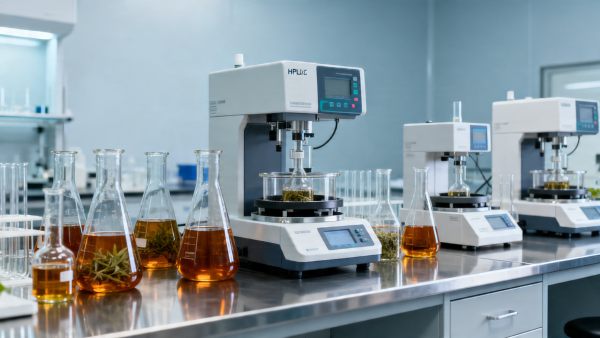
Indonesia’s National Agency of Drug and Food Control (BPOM) has introduced stricter import requirements for botanical extracts used in dietary supplements and functional foods, effective 1 June 2026. The update—issued on 19 April 2026—directly impacts exporters, suppliers, and manufacturers engaged with the Indonesian market, particularly those based in China and other major botanical ingredient-sourcing countries.
Event Overview
On 19 April 2026, BPOM urgently revised its Technical Guidelines for Import of Natural Plant Extracts. Under the revision, all botanical extracts intended for dietary supplements and functional foods entering Indonesia must hold both: (1) a GMP certificate issued by an agency recognized by China’s National Medical Products Administration (NMPA) or the China National Certification and Accreditation Administration (CNCA); and (2) an AOAC International Official Methods of Analysis (OMA) validation report. The regulation takes effect on 1 June 2026, with a transition period of only 42 days.
Which Subsectors Are Affected
Direct Exporters & Trading Companies
Exporters shipping botanical extracts from China to Indonesia will face immediate documentation compliance checks at customs and BPOM pre-market review stages. Failure to submit both GMP and AOAC validation documents will result in shipment rejection or indefinite suspension of product registration.
Raw Material Sourcing & Procurement Firms
Firms procuring botanical extracts from Chinese manufacturers must now verify upstream certification status before purchase. GMP certificates issued by non-NMPA/CNCA-recognized bodies—and AOAC reports not tied to the exact extract batch or analytical parameter—will not satisfy the requirement.
Contract Manufacturers & Formulators
Manufacturers producing finished products (e.g., capsules, powders) for Indonesian brands must ensure incoming extracts meet the dual-certification standard prior to formulation. This affects raw material specifications, supplier qualification protocols, and internal quality agreements.
Supply Chain & Regulatory Support Providers
Third-party regulatory consultants, testing labs, and logistics agents supporting Indonesia-bound botanical shipments must update service offerings to include AOAC method verification coordination and NMPA/CNCA-aligned GMP audit support—neither of which were previously mandatory for this product category.
What Relevant Enterprises or Practitioners Should Focus On Now
Monitor official BPOM communications for implementation clarifications
BPOM has not yet published detailed guidance on acceptable AOAC report scope (e.g., required analytes, matrix applicability), nor clarified whether legacy registrations under previous guidelines will be grandfathered. Stakeholders should track BPOM’s official portal and registered notifications for updates ahead of 1 June.
Verify current inventory and upcoming shipments against dual-certification criteria
Companies with scheduled deliveries between 1–31 May 2026 should confirm whether existing GMP certificates are issued by NMPA/CNCA-recognized bodies and whether AOAC reports cover the specific extract type, concentration, and claimed active constituent—per BPOM’s stated technical scope.
Distinguish between policy signal and operational readiness
Analysis来看, the 42-day transition window suggests BPOM prioritizes rapid enforcement over phased capacity building. This implies that acceptance of submissions will depend strictly on documentary completeness—not on good-faith efforts or pending certifications.
Initiate cross-functional alignment on procurement, QA, and regulatory timelines
Procurement teams should coordinate with QA and regulatory departments to map current supplier capabilities, identify gaps in AOAC reporting or GMP recognition, and adjust order lead times accordingly—especially where retesting or re-auditing is needed.
Editorial Perspective / Industry Observation
From industry角度看, this revision signals a structural shift in BPOM’s approach to natural ingredient safety assurance—not merely an incremental tightening. Requiring AOAC validation alongside GMP reflects a move toward standardized, internationally benchmarked analytical rigor, rather than reliance solely on facility-level quality systems. Observation来看, it also indicates growing convergence between BPOM’s expectations and those of more mature markets like the US and EU—though without formal mutual recognition frameworks in place. Current更值得关注的是 whether this requirement will extend to other natural ingredient categories (e.g., fermented botanicals, algae extracts) in subsequent revisions.
Conclusion
This regulation marks a concrete step toward higher evidentiary thresholds for botanical ingredients in Indonesia’s regulated health product space. It is neither a temporary administrative adjustment nor a broad-based market barrier—but a targeted, enforceable standard with clear documentation prerequisites. It is更适合理解为 a compliance inflection point requiring precise, near-term action—not a strategic trend to monitor over months.
Information Sources
Main source: Indonesia BPOM’s revised Technical Guidelines for Import of Natural Plant Extracts, issued 19 April 2026.
Note: Details regarding AOAC report scope, grandfathering provisions, and list of NMPA/CNCA-recognized certifiers remain pending official clarification and are subject to ongoing observation.
Related Intelligence
- Botanical ExtractsIndonesia BPOM Tightens Botanical Extracts Import RulesBotanical extracts import to Indonesia now requires BPOM-compliant GMP + AOAC validation—act before the 1 June 2026 deadline!
- Botanical ExtractsChinese PLM Systems Accelerate Green Transition in Coatings IndustryChinese PLM systems drive green innovation in coatings—enabling botanical extracts like menthol & rosmarinic acid to meet EU EcoLabel and GREENGUARD Gold standards.
- Botanical ExtractsFDA Sets New Toxin Thresholds for 4 Chinese Botanical ExtractsFDA sets strict 0.1 ppb toxin thresholds for echinacea, kudzu, ginkgo & monk fruit extracts — critical for U.S. supplement importers and suppliers.
The Morning Broadsheet
Daily chemical briefings, market shifts, and peer-reviewed summaries delivered to your terminal.
