
The Authority in Global Agricultural Chemistry & Bio-Resources
FDA Mandates Batch-Level Blockchain Traceability for Botanical Extracts
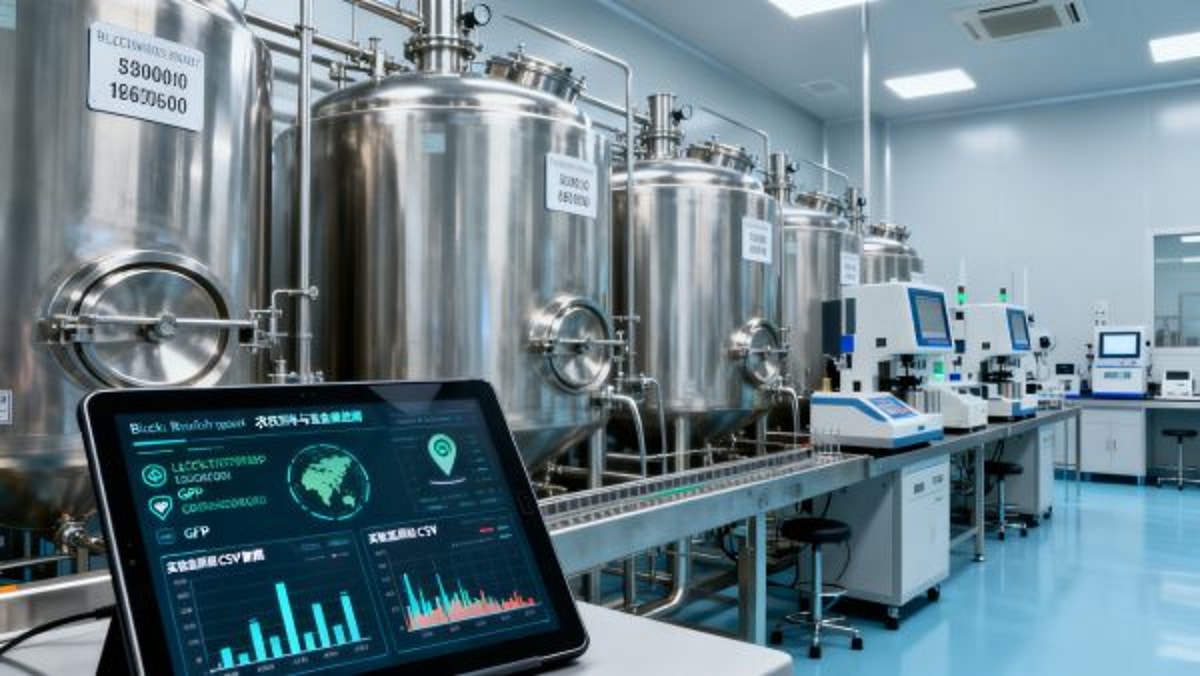
FDA has upgraded traceability requirements for imported botanical extracts, mandating batch-level electronic submission of pesticide residue and heavy metal test data to its CDER blockchain platform—effective July 1, 2026. Exporters and importers of plant-based dietary supplement ingredients, particularly those in China and other major sourcing regions, must now prepare for systemic operational adjustments across testing, documentation, and digital integration.
Event Overview
On May 6, 2024, the U.S. Food and Drug Administration (FDA) issued the Guidance for Enhanced Traceability of Botanical Ingredients in Dietary Supplements. The guidance requires that, starting July 1, 2026, all importers of botanical extracts into the United States must upload original analytical data—including pesticide residues (including glyphosate) and heavy metals (Pb, Cd, As, Hg)—to the FDA-CDER blockchain platform. Each submission must be linked to GPS coordinates of the harvest site and a timestamp of initial processing. Chinese export enterprises have 60 days from the guidance’s issuance to complete system integration or appoint an FDA-authorized third-party agent with verified credentials.
Industries Affected by This Requirement
Direct Trading Enterprises
Companies engaged in cross-border trade of botanical extracts—as exporters, importers, or contract traders—face direct compliance obligations. Under the new rule, they become legally responsible for ensuring data authenticity, timeliness, and technical interoperability with the FDA-CDER platform. Non-compliance may result in shipment refusal, increased examination frequency, or loss of importer eligibility.
Raw Material Sourcing Enterprises
Firms procuring herbs or plant materials from farms or cooperatives must now ensure traceability extends to the field level. GPS-tagged harvest location data and verifiable time-of-processing records must be captured at origin—a shift from traditional paper-based farm logs or aggregated lot documentation. This increases coordination burden with upstream growers and necessitates standardized data collection protocols.
Extraction & Manufacturing Facilities
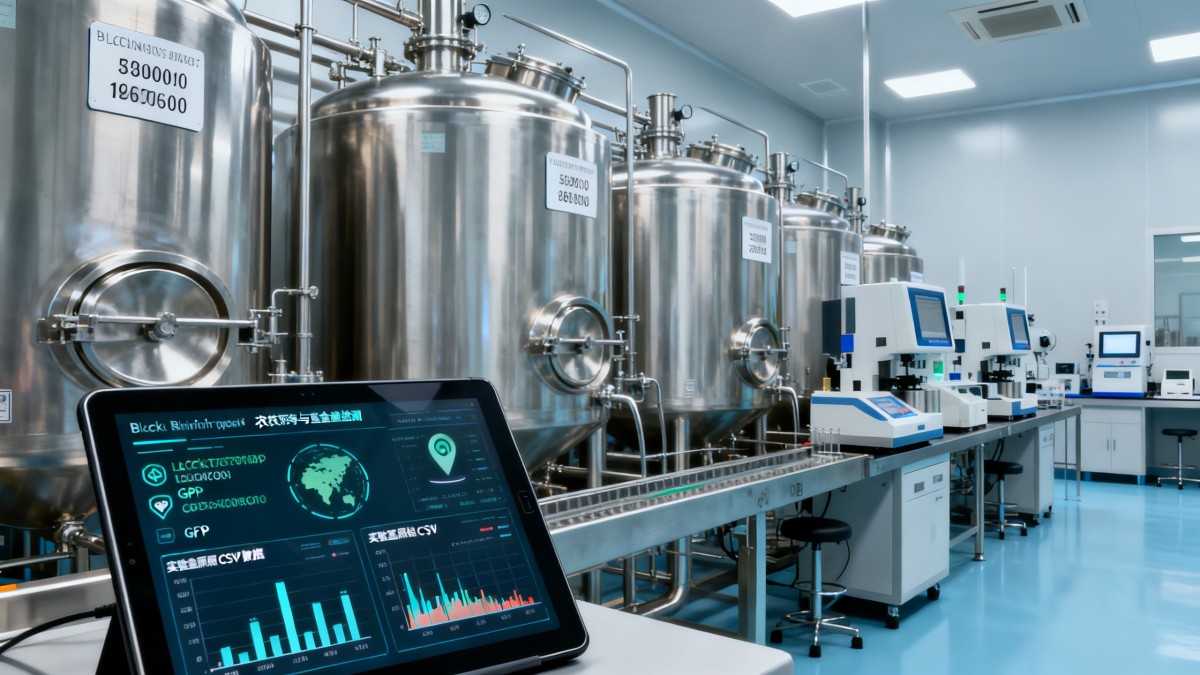
Contract manufacturers and toll processors handling botanical extractions must align internal quality control workflows with the new reporting cadence. Testing labs must generate machine-readable raw output (e.g., instrument CSV files), not just summary certificates. Timestamped processing records must be retained in sync with lab reports—and both must be digitally bound to a unique batch identifier before upload.
Supply Chain Service Providers
Third-party logistics providers, customs brokers, and certification bodies supporting botanical exports will need to verify whether their clients maintain valid FDA-CDER access credentials and whether submitted data packages meet structural validation rules (e.g., required metadata fields, file formats, cryptographic signing). Their role shifts toward pre-submission data integrity checks—not just document forwarding.
Key Focus Areas and Immediate Actions for Stakeholders
Monitor official implementation updates and technical specifications
The FDA-CDER blockchain platform remains under development; final API documentation, data schema, authentication methods, and error-handling protocols have not yet been published. Stakeholders should track FDA’s CDER Botanical Guidance webpage and subscribe to Federal Register notices for version-controlled updates ahead of the July 2026 deadline.
Identify high-risk product categories and priority markets
Botanical extracts with historically elevated non-compliance rates—such as turmeric, ashwagandha, ginseng, and green tea—may face earlier scrutiny. Firms exporting primarily to U.S. dietary supplement brands with rigorous vendor qualification programs should prioritize readiness, as those customers may impose internal deadlines ahead of FDA enforcement.
Distinguish policy signal from operational reality
This is a regulatory mandate—not a voluntary pilot. Unlike prior FDA guidance documents, this requirement carries explicit enforcement triggers tied to entry review and admissibility decisions. However, phased enforcement (e.g., risk-based targeting vs. universal scanning) remains unconfirmed; stakeholders should treat the rule as binding but assess operational rollout in alignment with FDA’s stated risk-prioritization framework.
Initiate technical onboarding or agency delegation now
Chinese exporters must either integrate internal systems with FDA-CDER’s interface—or formally engage an FDA-registered U.S. agent authorized to submit on their behalf. Given the 60-day window from May 6, 2024, for such arrangements, delays in legal representation, system configuration, or lab data standardization could jeopardize shipments scheduled for mid-2026 onward.
Editorial Perspective / Industry Observation
Observably, this requirement signals a structural shift from outcome-based oversight (e.g., end-product testing) to process-integrated traceability—embedding verification into the supply chain’s earliest stages. Analysis shows the FDA is treating botanical extracts not as generic commodities, but as high-variability inputs requiring granular provenance assurance. While the rule does not yet define penalties for incomplete uploads or timestamp mismatches, its linkage of GPS, lab data, and processing time strongly implies future use in root-cause investigations and targeted recalls. From an industry perspective, this is less a one-time compliance task and more an inflection point in how botanical ingredient integrity is technically defined and audited globally.
Conclusion
This regulation marks a formal escalation in the FDA’s expectations for transparency and data fidelity in botanical ingredient supply chains. It does not introduce new safety thresholds—but enforces stricter, immutable linkage between physical batches and their digital evidence trail. For stakeholders, it is best understood not as an isolated administrative change, but as a foundational step toward real-time, source-to-shelf accountability in the dietary supplement sector.
Information Sources
Main source: U.S. FDA Center for Drug Evaluation and Research (CDER), Guidance for Enhanced Traceability of Botanical Ingredients in Dietary Supplements, issued May 6, 2024. Implementation date: July 1, 2026. Technical specifications for the FDA-CDER blockchain platform remain pending and are subject to further notice.
Related Intelligence
- Botanical ExtractsFDA Mandates Batch-Level Blockchain Traceability for Botanical ExtractsFDA mandates batch-level blockchain traceability for botanical extracts—learn how pesticide & heavy metal data, GPS harvest tags, and CDER compliance impact your supply chain by July 2026.
- Botanical ExtractsFDA Updates Import Alert for Botanical Extracts (May 2026)FDA's May 2026 botanical extracts import alert mandates traceability—ICP-MS, GPS farm data & harvest weather. Act now to avoid detention.
- Botanical Extracts38th Firefly Comic Con Features Agri-Tech IP Zone & Botanical Extracts Cross-Border MarketingAgri-Tech IP Zone & botanical extracts take center stage at 38th Firefly Comic Con—discover cross-border DTC strategies, AR science storytelling, and ASEAN market readiness for functional ingredients.
The Morning Broadsheet
Daily chemical briefings, market shifts, and peer-reviewed summaries delivered to your terminal.
