
The Authority in Global Agricultural Chemistry & Bio-Resources
e-Phyto Mandate for Agrochemicals to Thailand/Vietnam from Jun 2026
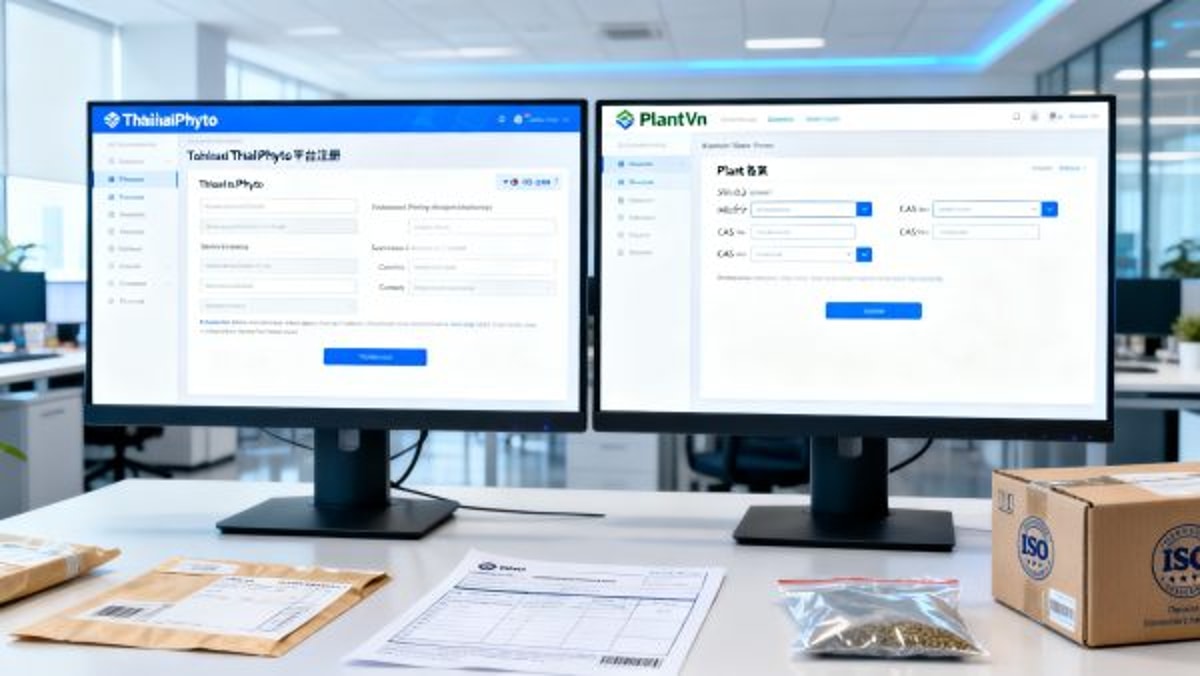
Starting 1 June 2026, Thailand and Vietnam will require electronic phytosanitary certificates (e-Phyto) for all agrochemical imports — replacing paper-based certificates entirely. This shift directly impacts Chinese exporters of crop protection products, formulation manufacturers, and logistics providers serving Southeast Asian markets. The deadline for system registration is 31 May 2026; failure to comply may result in port detention of full containers.
Event Overview
Under the International Plant Protection Convention (IPPC) framework, Thailand’s Ministry of Agriculture and Cooperatives and Vietnam’s Plant Quarantine Department jointly announced that, effective 1 June 2026, all agrochemical imports into Thailand and Vietnam must be accompanied by an e-Phyto certificate issued via official national platforms: ThaiPhyto (Thailand) and PlantVn (Vietnam). Exporters based in China must complete enterprise registration, product listing, and authorized inspection body designation on these platforms before 31 May 2026. Paper phyto-sanitary certificates will no longer be accepted for customs clearance.
Industries Affected
Direct Exporters of Agrochemicals
Companies exporting formulated pesticides, herbicides, fungicides, or insecticides from China to Thailand or Vietnam will face immediate operational impact. Without valid e-Phyto certification tied to registered entities and listed products, shipments cannot clear customs — leading to delays, storage fees, and potential rejection.
Formulation Manufacturers & Contract Formulators
Manufacturers supplying finished agrochemical products under private labels or OEM arrangements must ensure their own registration on ThaiPhyto/PlantVn — even if the export contract names a trading company as consignor. Product-specific备案 (product listing) is mandatory, including active ingredient composition and formulation type, which affects labeling consistency and regulatory alignment.
Supply Chain & Logistics Service Providers
Cargo forwarders, customs brokers, and freight agents handling agrochemical shipments to Thailand or Vietnam must verify e-Phyto status prior to vessel loading. Their documentation workflows now require integration with ThaiPhyto/PlantVn outputs — not just traditional phytosanitary forms — increasing pre-departure verification steps and liability exposure for non-compliant filings.
Key Actions for Affected Enterprises
Confirm registration deadlines and platform access requirements
Chinese exporters must register individually on both ThaiPhyto and PlantVn before 31 May 2026. Each platform has distinct user authentication protocols and document upload formats; early testing of account setup and data submission is advised to avoid last-minute technical bottlenecks.
Validate product listings against national chemical registration databases
Both Thailand and Vietnam require alignment between e-Phyto product entries and locally registered agrochemical products. Exporters should cross-check active ingredients, CAS numbers, and formulation codes against existing registrations in each country — discrepancies may trigger review delays or rejection during e-Phyto issuance.
Coordinate with authorized inspection bodies
e-Phyto issuance requires endorsement by IPPC-accredited inspection agencies in China. Exporters must confirm which agencies are recognized by ThaiPhyto and PlantVn, and ensure those agencies have completed their own platform authorization — a prerequisite for issuing valid e-certificates.
Update internal SOPs and shipment checklists
Pre-shipment compliance checks must now include e-Phyto status verification, platform-generated certificate ID, and expiry date. Internal documentation systems — especially ERP or customs management modules — should be adapted to capture and archive e-Phyto metadata alongside commercial invoices and packing lists.
Editorial Perspective / Industry Observation
Observably, this mandate reflects a broader regional trend toward digital trade facilitation aligned with IPPC standards — not an isolated regulatory change. Analysis shows it functions primarily as an enforcement mechanism: the requirement itself is not new (phytosanitary certification has long been mandatory), but the shift to mandatory digital issuance tightens traceability and reduces administrative discretion. From an industry perspective, this is less a signal of upcoming market barriers and more a formalization of existing obligations — one that raises the bar for procedural rigor rather than substantive compliance. Current relevance lies in execution readiness: the policy is already confirmed, its timeline fixed, and its technical infrastructure publicly accessible. Continued attention is warranted not for potential revisions, but for implementation fidelity across national platforms and cross-border coordination between inspection agencies and customs authorities.
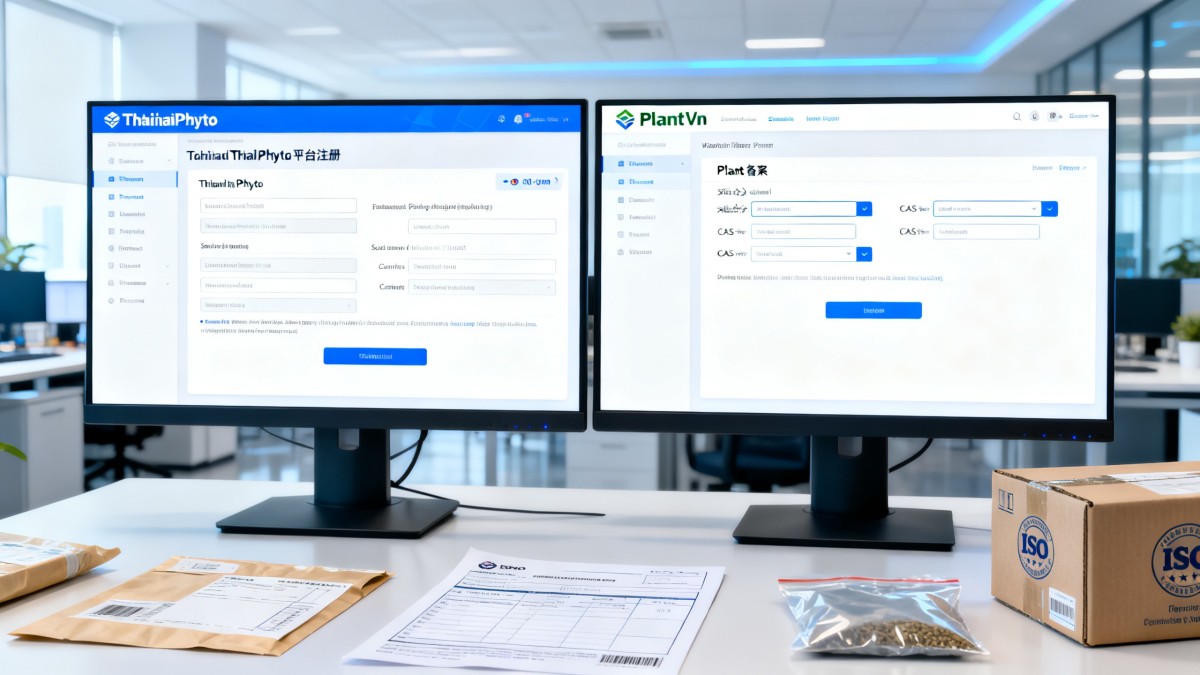
In summary, the e-Phyto requirement for agrochemicals entering Thailand and Vietnam represents a procedural hardening of existing phytosanitary controls — not a qualitative expansion of regulatory scope. Its significance lies in operational discipline: timely registration, accurate product mapping, and coordinated agency engagement determine whether shipments move or stall. It is best understood not as a future risk, but as an imminent process checkpoint requiring verified action before 31 May 2026.
Source: Official announcements from Thailand’s Ministry of Agriculture and Cooperatives and Vietnam’s Plant Quarantine Department, under the International Plant Protection Convention (IPPC) framework. Note: Platform-specific technical guidance (e.g., API integration, file format requirements) remains subject to updates; ongoing monitoring of ThaiPhyto and PlantVn official notices is recommended.
Related Intelligence
- Agrochemicalse-Phyto Mandate for Agrochemicals to Thailand/Vietnam from Jun 2026e-Phyto mandate for agrochemicals to Thailand & Vietnam starts Jun 2026 — avoid port detention! Register on ThaiPhyto/PlantVn by 31 May.
- AgrochemicalsWeed control fabric roll choices that lower replacement frequencyWeed control fabric roll buying guide: compare weight, UV resistance, permeability, and tear strength to reduce replacement frequency, cut maintenance, and choose longer-lasting landscape results.
- AgrochemicalsAgricultural plastic mulch film choices that change weed pressureAgricultural plastic mulch film choices can dramatically change weed pressure, durability, and field costs. Compare color, thickness, and scenario fit to choose smarter and grow more efficiently.
The Morning Broadsheet
Daily chemical briefings, market shifts, and peer-reviewed summaries delivered to your terminal.
