

The Authority in Global Agricultural Chemistry & Bio-Resources
FDA Issues Q2 2026 Import Alert for Botanical Extracts
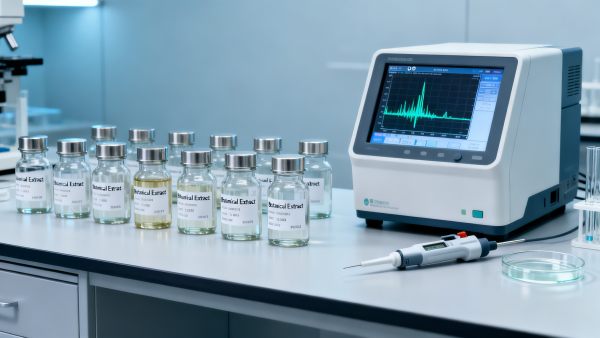
On May 7, 2026, the U.S. Food and Drug Administration (FDA) issued a quarterly import alert targeting botanical extracts, citing an 18.7% laboratory retest failure rate for mycotoxins—including aflatoxin B1 and ochratoxin A—in samples detained during Q1 2026. The alert carries implications for exporters, ingredient buyers, contract manufacturers, and logistics providers engaged in the global botanical ingredients supply chain.
Event Overview
The U.S. FDA published an import alert on May 7, 2026, reporting that 18.7% of botanical extract shipments subject to laboratory retesting in Q1 2026 failed for mycotoxin contamination—up 6.2 percentage points year-on-year. The alert specifically noted that 41% of samples originating from China lacked batch-level Good Manufacturing Practice (GMP) laboratory raw data submissions, identified as a primary cause of refusal.
Industries Affected by Segment
Direct Exporters & Trading Companies
Exporters shipping botanical extracts to the U.S. face heightened detention risk. The absence of per-batch GMP-compliant analytical records—especially for mycotoxins—is now a documented trigger for FDA refusal. This directly impacts customs clearance timelines, storage costs, and potential product destruction.
Raw Material Sourcing & Ingredient Buyers
Companies sourcing botanical extracts for dietary supplements, functional foods, or cosmetics must reassess supplier documentation rigor. Reliance on certificates of analysis (CoA) without traceable, batch-specific lab data may no longer suffice under current FDA scrutiny.
Contract Manufacturers & Finished Product Producers
Manufacturers using botanical extracts as inputs are exposed to downstream compliance risk. If incoming materials lack verifiable mycotoxin testing at the batch level, finished products may be deemed adulterated under FDA regulations—even if final product testing passes.
Supply Chain & Logistics Service Providers
Third-party logistics (3PL) firms and customs brokers handling botanical extract imports must now verify documentation completeness pre-entry. Incomplete GMP data packages increase the likelihood of FDA Form FDA 3539 issuance, leading to extended hold times and administrative burden.
Key Points for Enterprises and Practitioners to Monitor and Act Upon
Track official FDA updates and enforcement patterns
Monitor FDA’s Import Alert #11-15 (Botanical Extracts) for revisions, including any expansion to additional mycotoxins or new documentation requirements. The May 7 notice is a quarterly snapshot—not a static policy—but signals sustained regulatory focus.
Verify batch-level testing protocols with upstream suppliers
Confirm whether suppliers conduct and retain original laboratory data (e.g., chromatograms, instrument logs, analyst signatures) for each production batch—not just representative or composite testing. This aligns with FDA’s stated expectation for GMP-aligned traceability.
Distinguish between alert triggers and operational implementation
The 41% noncompliance figure reflects documented gaps in Chinese-origin submissions—not a universal ban or automatic rejection. However, it indicates a procedural vulnerability now embedded in FDA’s screening logic; proactive documentation alignment reduces exposure more effectively than reactive appeals.
Prepare documentation dossiers ahead of shipment
Assemble complete, batch-specific technical files—including validated test methods, LOD/LOQ statements, and analyst certifications—for every export consignment. Pre-submission review by qualified regulatory affairs personnel helps preempt inconsistencies flagged during FDA review.
Editorial Perspective / Industry Observation
Observably, this alert functions less as an isolated enforcement action and more as a calibrated signal: FDA is tightening evidentiary expectations for botanical ingredient safety, particularly where historical noncompliance rates have trended upward. Analysis shows the 6.2-percentage-point rise in mycotoxin failures—and the explicit linkage to documentation gaps—suggests a shift toward process accountability, not just outcome compliance. From an industry perspective, this reflects growing regulatory emphasis on data integrity across the botanical supply chain, especially for high-risk contaminants with well-established toxicological profiles. It is not yet a structural barrier, but it is becoming a predictable checkpoint.
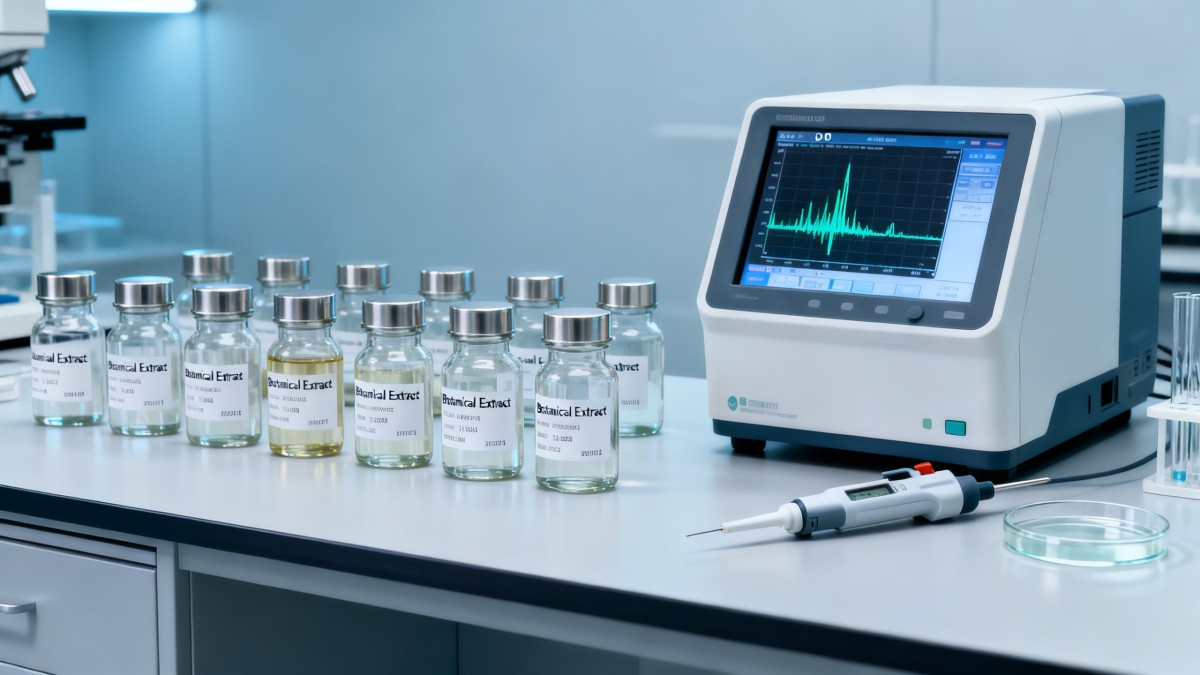
Conclusion: This FDA alert underscores that documentation quality—specifically batch-level, GMP-aligned mycotoxin test data—is now a material factor in U.S. market access for botanical extracts. It does not indicate a broad restriction on origin or category, but rather highlights a definable, addressable compliance gap. Current practice suggests it is best understood as an operational benchmark update—not a policy shock—with measurable implications for documentation workflows, supplier vetting, and pre-shipment readiness.
Source: U.S. FDA Import Alert #11-15 (issued May 7, 2026); FDA Quarterly Import Surveillance Report, Q1 2026. Note: Ongoing monitoring is advised for potential updates to alert scope or enforcement criteria beyond the May 7 notice.
Related Intelligence
- Botanical ExtractsFDA Issues Q2 2026 Import Alert for Botanical ExtractsFDA Q2 2026 Import Alert for Botanical Extracts: 18.7% mycotoxin failure rate—act now to ensure GMP-compliant, batch-level testing & avoid U.S. detention.
- Botanical ExtractsECHA Launches Nano-Carrier Review for Botanical ExtractsECHA's nano-carrier review for botanical extracts demands urgent action: exporters, formulators & labs must submit nano-toxicology dossiers by Aug 2026.
- Botanical ExtractsFDA Updates Botanical Extracts Import Checklist: Aflatoxin Testing Now MandatoryFDA now mandates aflatoxin testing for all botanical extracts entering the U.S. — learn how AFB1, OTA & ZEA compliance impacts your imports, supply chain, and market access.
The Morning Broadsheet
Daily chemical briefings, market shifts, and peer-reviewed summaries delivered to your terminal.
