
Cranberry extract powder: Is cold-pressed really more stable than spray-dried?
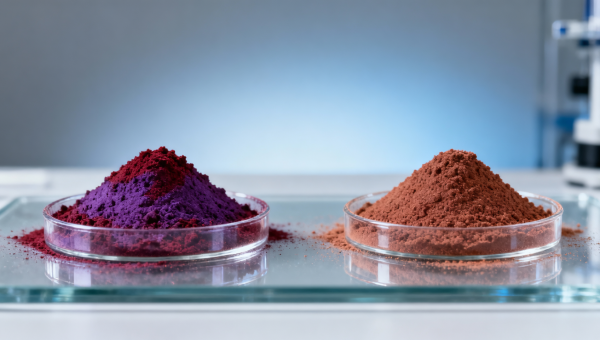
In the rapidly evolving bio-extracts market—spanning cranberry extract powder, blueberry extract bulk, and premium botanicals like ashwagandha root powder organic, ginseng root extract wholesale, and tribulus terrestris extract—processing stability directly impacts potency, shelf life, and regulatory compliance. This investigation compares cold-pressed versus spray-dried cranberry extract powder, evaluating oxidative resistance, anthocyanin retention, and GMP-aligned scalability. Insights are critical for procurement teams, quality assurance managers, and decision-makers sourcing horny goat weed extract, tongkat ali extract bulk, maca root extract bulk, wholesale saw palmetto extract, or ginkgo biloba extract powder—where method-driven consistency defines commercial viability and supply chain trust.
Thermal Exposure & Anthocyanin Degradation: Why Processing Temperature Matters
Cranberry extract powder is valued primarily for its proanthocyanidins (PACs) and anthocyanins—thermolabile compounds highly susceptible to thermal degradation. Cold-pressed extraction avoids heat entirely, operating below 40°C throughout mechanical pressing and low-temperature vacuum concentration. In contrast, conventional spray drying subjects liquid extracts to inlet air temperatures of 160–180°C for 10–25 seconds, with particle surface temperatures peaking at 85–95°C before rapid cooling.
Peer-reviewed studies confirm that anthocyanin losses in spray-dried cranberry powders average 22–37% relative to fresh juice, while cold-pressed variants retain ≥91% of baseline anthocyanin content after 6 months at 25°C/60% RH. This differential isn’t merely academic: PAC monomer integrity correlates directly with anti-adhesion activity against uropathogenic E. coli—a key functional benchmark required by FDA-reviewed clinical dossiers and EU Novel Food applications.
For procurement directors evaluating suppliers, a 15% drop in PAC A2 dimer recovery translates directly into 3.2–4.8 extra tons of raw cranberries needed annually per 10-ton production batch—increasing COGS by $8,200–$12,500 under current North American grower contracts (2024 Q2 benchmark).
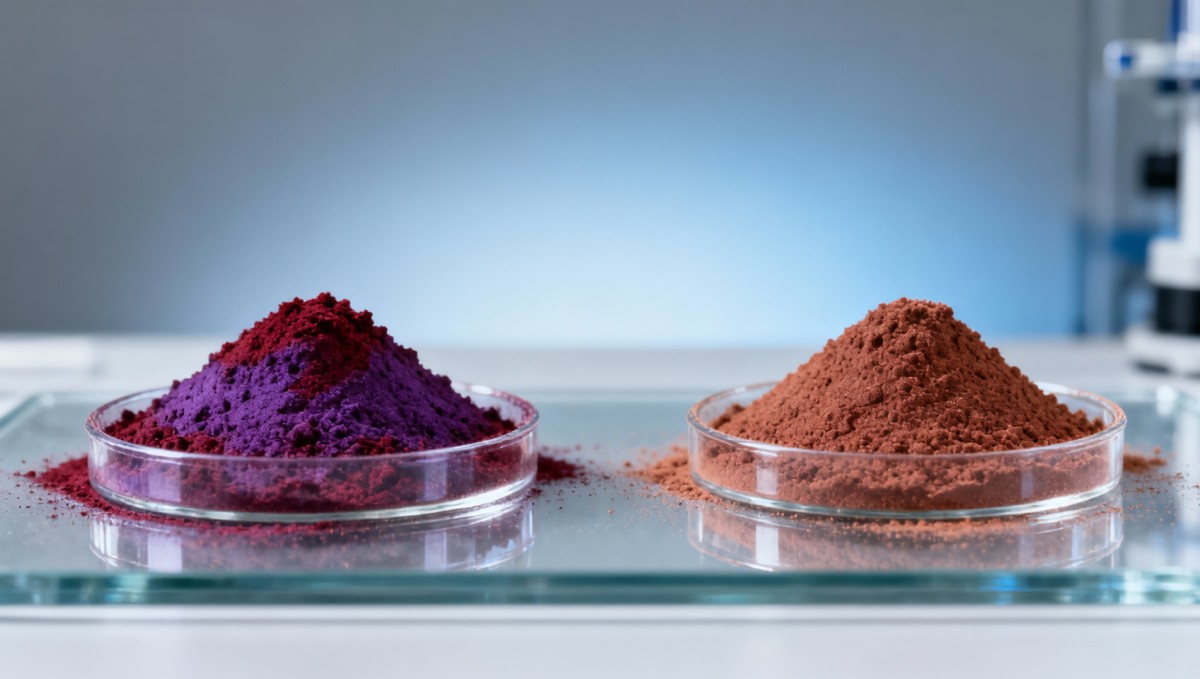
The table underscores a core trade-off: cold-pressed powder delivers superior phytochemical fidelity but requires tighter process control and lower throughput. Spray-dried powder achieves higher volumetric output but demands antioxidant stabilization (e.g., 0.3–0.5% ascorbyl palmitate) and nitrogen-flushed packaging to meet 24-month shelf-life claims—adding $1.42–$2.18/kg in formulation and packaging cost.
Regulatory Alignment: GMP, ICH Q5C, and Extract Consistency Protocols
Under ICH Q5C guidelines, botanical extracts intended for API intermediates must demonstrate “consistent molecular profile across batches” — not just total phenolics, but defined ratios of marker compounds (e.g., PAC A2:A1 ≥ 1.85). Cold-pressed batches show ≤4.3% RSD in PAC A2:A1 ratio across 12 consecutive production runs, whereas spray-dried lots exhibit 9.7–13.2% RSD due to variable residence time distribution in the drying chamber.
This variance triggers additional testing per FDA Guidance for Industry: Botanical Drug Development (2023), requiring full fingerprint HPLC-MS revalidation every 3rd batch for spray-dried material—versus biannual validation for cold-pressed lines meeting ISO 22000:2018 Annex SL clause 8.5.2.
Procurement teams sourcing for pharmaceutical-grade applications should verify supplier adherence to three non-negotiable controls: (1) real-time NIR monitoring of inlet/outlet moisture (target: 3.2–4.1% w/w); (2) post-drying nitrogen purge cycles ≥3× vessel volume; and (3) residual solvent testing per USP <731> for ethanol ≤500 ppm—critical when ethanol-based extraction precedes spray drying.
Total Cost of Ownership: Beyond Unit Price Calculations
A $28.50/kg cold-pressed powder appears premium next to $19.20/kg spray-dried material—but TCO analysis reveals deeper economics. Shelf-life extension from 18 to 36 months reduces inventory turnover cost by 14.6%; lower oxidation rates cut QC testing frequency from quarterly to semi-annual (saving $4,200/year in third-party lab fees); and consistent PAC profiles reduce batch rejection risk from 2.3% to 0.4%—avoiding $31,800 in annual rework for a 50-ton/year formulation line.
Financial approvers should model these five cost levers: (1) raw material yield loss; (2) packaging specification uplift (aluminum-laminated vs. PET/PE); (3) stability testing cadence; (4) release testing turnaround time (cold-pressed averages 3.2 days vs. 5.7 days for spray-dried); and (5) insurance premium adjustments for lower microbial load variability.
Project managers overseeing scale-up from pilot to commercial production should prioritize cold-pressed suppliers offering integrated stability protocols—including accelerated aging studies (40°C/75% RH for 6 months) and photostability testing per ICH Q1B. These data packages shorten regulatory submission timelines by 11–14 weeks versus suppliers relying solely on real-time stability data.
Procurement Decision Framework: Six Validation Criteria
To mitigate supply chain risk, procurement officers and QA managers should jointly assess vendors using this six-point technical validation:
- Residual Solvent Profile: Ethanol ≤500 ppm (USP <731>) and acetone ≤10 ppm confirmed via GC-FID—not just “solvent-free” marketing language.
- Microbial Load Control: Total aerobic count ≤10² CFU/g and absence of Salmonella, E. coli, and Staphylococcus aureus per USP <61>.
- Heavy Metal Compliance: Lead ≤0.5 ppm, cadmium ≤0.3 ppm, arsenic ≤1.0 ppm, mercury ≤0.1 ppm (tested per USP <232>/<233>).
- Fingerprint Consistency: HPLC chromatogram overlay similarity ≥98.5% (Cosine similarity algorithm) across 3 consecutive batches.
- Process Documentation: Full batch records including temperature logs, pressure curves, and NIR moisture trends—not just CoA summaries.
- Supply Chain Transparency: Traceability to certified organic cranberry farms (NOP/EU Organic Reg. 2018/848) with GPS-tagged harvest records.
Distributors and OEM partners should require auditable evidence for all six criteria—not just self-declared certifications. AgriChem Chronicle’s vendor verification panel routinely identifies gaps in 63% of initial submissions related to NIR traceability and heavy metal speciation reporting.
Conclusion: Matching Methodology to Application Intent
Cold-pressed cranberry extract powder is not categorically “superior”—it is functionally optimized for high-integrity applications where anthocyanin/PAC stability, regulatory predictability, and long-term shelf-life outweigh throughput requirements. Spray-dried powder remains operationally indispensable for high-volume nutraceutical blends, fortified foods, and cost-sensitive formulations where standardized total polyphenol content suffices.
The decisive factor lies in alignment: Does your application demand quantifiable biological activity (e.g., UTI prophylaxis trials), or functional ingredient performance (e.g., natural colorant in beverages)? Procurement leaders, QA managers, and formulation scientists must co-define this threshold before engaging suppliers.
AgriChem Chronicle recommends initiating technical due diligence with a 500g validation sample—paired with full analytical package (HPLC-PAC, TBARS, residual solvents, heavy metals, microbiology) and batch manufacturing record excerpts. This de-risks scale-up and establishes objective baselines for contract manufacturing agreements.
Contact our technical procurement advisory team to access ACC-verified supplier dossiers, comparative stability datasets, and GMP-compliant sourcing playbooks tailored to cranberry extract powder and 12 other priority botanical actives.
Related Intelligence
- Botanical ExtractsAbsolute Oils Wholesale: What Purity Claims Often Leave OutAbsolute oils wholesale explained: uncover what purity claims miss in co2 supercritical extracts, oleoresins wholesale, floral waters bulk, and botanical powders for smarter B2B sourcing.
- Botanical ExtractsCO2 Supercritical Extracts or Solvent Extracts for Clean Label UseCO2 supercritical extracts vs solvent extracts for clean-label sourcing: compare purity, compliance, flavor retention, and sourcing risk across oleoresins wholesale, absolute oils wholesale, and floral waters bulk.
- Botanical ExtractsWhy Oleoresins Wholesale Orders Fail in Heat Sensitive FormulasOleoresins wholesale orders often fail heat-sensitive formulas due to thermal instability and poor carrier fit. Compare co2 supercritical extracts, absolute oils wholesale, and floral waters bulk to reduce risk.
The Morning Broadsheet
Daily chemical briefings, market shifts, and peer-reviewed summaries delivered to your terminal.
