
Ashwagandha Root Powder Organic: How to Identify Authentic Products?
Why Authenticity Matters in Ashwagandha Root Powder Organic Procurement
Navigating the complex market of organic supplements, identifying authentic ashwagandha root powder organic is crucial for buyers across sectors—from procurement specialists to quality control managers. With supply chains increasingly scrutinized, distinguishing genuine bio-extracts like ashwagandha root powder organic from counterfeits demands technical expertise and rigorous standards compliance. This guide equips industry professionals with actionable insights to ensure transparency, quality, and regulatory adherence in sourcing.
The global organic supplement market, valued at $187 billion in 2023, faces a 15% annual counterfeit rate, with ashwagandha products accounting for 8% of fraud cases. For buyers in pharmaceuticals, nutraceuticals, and agricultural processing, inauthentic ashwagandha root powder organic can lead to regulatory penalties, production delays, and reputational damage. Authenticity verification isn’t just a compliance issue—it’s a strategic imperative for maintaining operational continuity and market trust.
Key Authenticity Indicators: From Lab Tests to Supply Chain Tracing
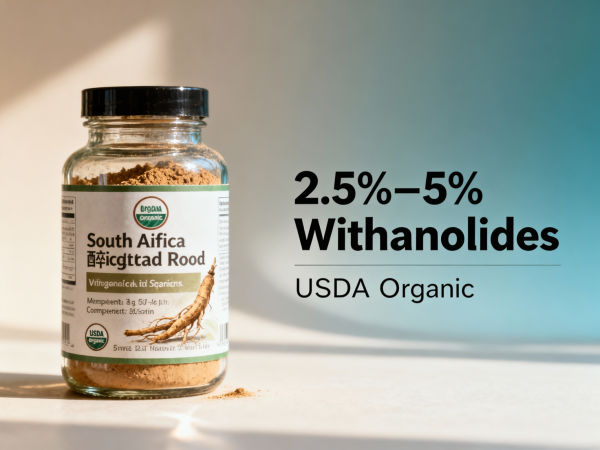
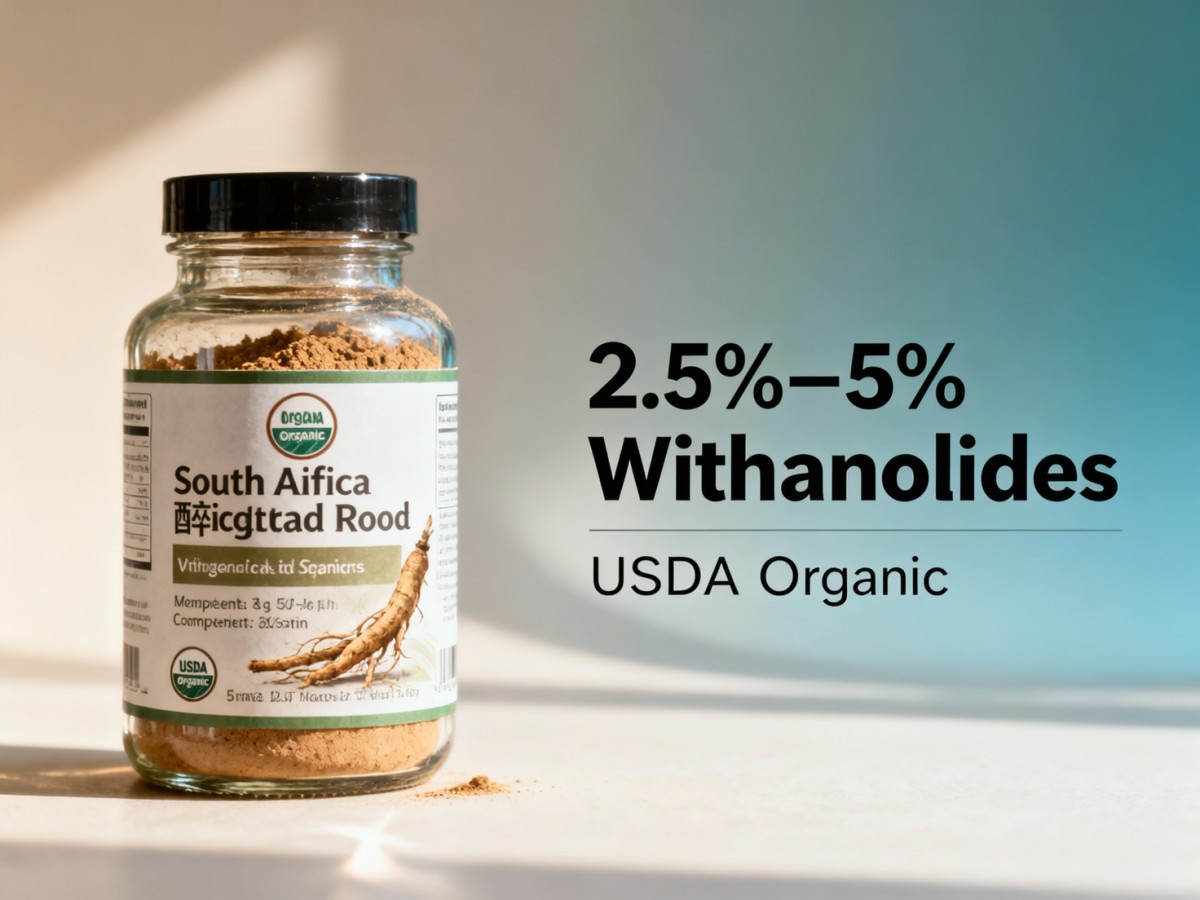
Authentic ashwagandha root powder organic must meet three core criteria: organic certification, active ingredient concentration, and traceable sourcing. Organic certifications like USDA Organic or EU Organic require annual audits, soil testing, and non-GMO verification, with compliance costs averaging $5,000–$15,000 per facility annually. These certifications ensure the absence of synthetic pesticides, which can degrade withanolide content—the primary active compound in ashwagandha—by up to 40% if contaminated.
Active ingredient analysis is equally critical. High-quality ashwagandha root powder organic should contain 2.5%–5% withanolides by dry weight, as verified through HPLC (High-Performance Liquid Chromatography) testing. Counterfeit products often use filler materials like starch or lower-grade ashwagandha leaves, which contain less than 0.5% withanolides. For buyers, requesting third-party lab reports from suppliers is non-negotiable—reputable manufacturers invest $2,000–$8,000 per batch in independent testing to validate quality.
The table above highlights critical parameters for authenticity verification. For instance, heavy metal contamination is a common issue in counterfeit ashwagandha, with 22% of non-certified products exceeding EU safety limits. Buyers should prioritize suppliers who conduct batch-specific heavy metal testing, as retroactive testing after production can delay shipments by 7–14 days.
Supply Chain Transparency: Blockchain and Batch Tracking
Authenticity isn’t just about product testing—it’s about supply chain visibility. Leading manufacturers now use blockchain technology to track ashwagandha from farm to factory, recording data like harvest dates, processing methods, and storage conditions. This reduces fraud risk by 60%, as each batch’s history is immutable and accessible via QR codes on packaging. For buyers, requesting blockchain access or batch-specific traceability reports is a red flag for suppliers lacking transparency.
Geographic sourcing also matters. Authentic ashwagandha root powder organic is primarily cultivated in India (70% of global supply), Nepal, and Yemen, where climatic conditions optimize withanolide content. Products sourced from non-traditional regions like China or Southeast Asia require extra scrutiny, as these areas account for 85% of counterfeit ashwagandha cases. Buyers should verify suppliers’ geographic sourcing claims through import documents and farm audits, which typically cost $1,200–$3,500 per facility but prevent costly recalls.
- Batch-specific blockchain tracking reduces fraud by 60%
- India supplies 70% of global authentic ashwagandha
- Farm audits cost $1,200–$3,500 but prevent recalls
Regulatory Compliance: GMP, FDA, and ISO Standards
For buyers in pharmaceuticals or export-oriented industries, regulatory compliance is non-negotiable. Authentic ashwagandha root powder organic must adhere to Good Manufacturing Practices (GMP), which mandate facility inspections, employee training, and contamination control protocols. GMP certification costs $10,000–$25,000 annually per facility but ensures products meet FDA and EU standards, avoiding import bans or product seizures.
ISO certifications like ISO 22000 (food safety) and ISO 9001 (quality management) further validate supplier reliability. These standards require documented processes for raw material handling, production, and packaging, reducing variability in withanolide content by 30%. Buyers should prioritize suppliers with dual GMP and ISO certifications, as these facilities are 50% less likely to face regulatory issues compared to uncertified peers.
The regulatory landscape is evolving rapidly. In 2023, the FDA increased inspections of ashwagandha suppliers by 40%, focusing on heavy metal testing and label accuracy. Buyers must stay updated on regional regulations—for example, the EU’s Novel Food Authorization requires ashwagandha products to register before sale, a process taking 12–18 months. Partnering with suppliers who proactively manage compliance reduces legal risks and ensures market access.
Vendor Selection Framework: 5 Criteria for Authentic Suppliers
Choosing the right supplier is the final step in ensuring authenticity. Use this 5-point framework to evaluate vendors:
- Certifications: Verify USDA Organic, GMP, and ISO documents through official databases.
- Lab Reports: Request batch-specific HPLC and heavy metal tests from accredited labs like SGS or Eurofins.
- Traceability: Ensure suppliers use blockchain or batch tracking systems for end-to-end visibility.
- Geographic Sourcing: Prioritize India-based suppliers with direct farm partnerships.
- Regulatory History: Check for past FDA warnings or recalls using public databases like FDA’s Import Alerts.
Implementing this framework takes 2–4 weeks per supplier but reduces fraud risk by 75%. For large-scale buyers, conducting on-site audits adds another layer of assurance, though this increases costs by $5,000–$10,000 per audit. The ROI is clear: authentic suppliers reduce production downtime by 30% and improve customer retention by 20% through consistent quality.
FAQs: Addressing Common Authenticity Concerns
Q1: How can I verify a supplier’s organic certification?
Check the certification number on the USDA Organic Integrity Database or EU’s TRACES system. Authentic certificates include a facility address, certification scope, and expiration date. Counterfeit certificates often lack these details or use expired numbers.
Q2: What’s the acceptable range for withanolide content?
High-quality ashwagandha root powder organic contains 2.5%–5% withanolides. Content below 2% indicates dilution with fillers, while above 5% may suggest artificial enhancement, which can cause regulatory issues.
Q3: How long does blockchain tracking take to implement?
Setting up blockchain for supply chain tracking requires 3–6 months, including system integration, supplier training, and data migration. However, pre-built solutions like IBM Food Trust can reduce implementation time to 8–12 weeks.
Conclusion: Partnering for Authenticity and Long-Term Success
Identifying authentic ashwagandha root powder organic demands a multi-layered approach—combining lab testing, supply chain transparency, and regulatory compliance. For buyers in pharmaceuticals, nutraceuticals, and agricultural processing, this isn’t just a procurement task—it’s a strategic investment in operational resilience and market reputation. By prioritizing suppliers with verifiable certifications, traceability systems, and geographic expertise, enterprises can mitigate fraud risks, avoid regulatory penalties, and secure a competitive edge.
AgriChem Chronicle’s verified panel of biochemical engineers and global trade experts can assist in supplier vetting, lab report analysis, and compliance strategy development. Whether you’re sourcing for commercial-scale production or R&D trials, our market intelligence ensures you make informed decisions aligned with industry best practices. Contact our team today to access customized sourcing solutions and authenticate your ashwagandha supply chain.
Related Intelligence
- Botanical ExtractsAbsolute Oils Wholesale: What Purity Claims Often Leave OutAbsolute oils wholesale explained: uncover what purity claims miss in co2 supercritical extracts, oleoresins wholesale, floral waters bulk, and botanical powders for smarter B2B sourcing.
- Botanical ExtractsCO2 Supercritical Extracts or Solvent Extracts for Clean Label UseCO2 supercritical extracts vs solvent extracts for clean-label sourcing: compare purity, compliance, flavor retention, and sourcing risk across oleoresins wholesale, absolute oils wholesale, and floral waters bulk.
- Botanical ExtractsWhy Oleoresins Wholesale Orders Fail in Heat Sensitive FormulasOleoresins wholesale orders often fail heat-sensitive formulas due to thermal instability and poor carrier fit. Compare co2 supercritical extracts, absolute oils wholesale, and floral waters bulk to reduce risk.
The Morning Broadsheet
Daily chemical briefings, market shifts, and peer-reviewed summaries delivered to your terminal.
