
The Authority in Global Agricultural Chemistry & Bio-Resources
ANVISA Extends Traceability Exemption for Botanical Extracts to Dec 2026
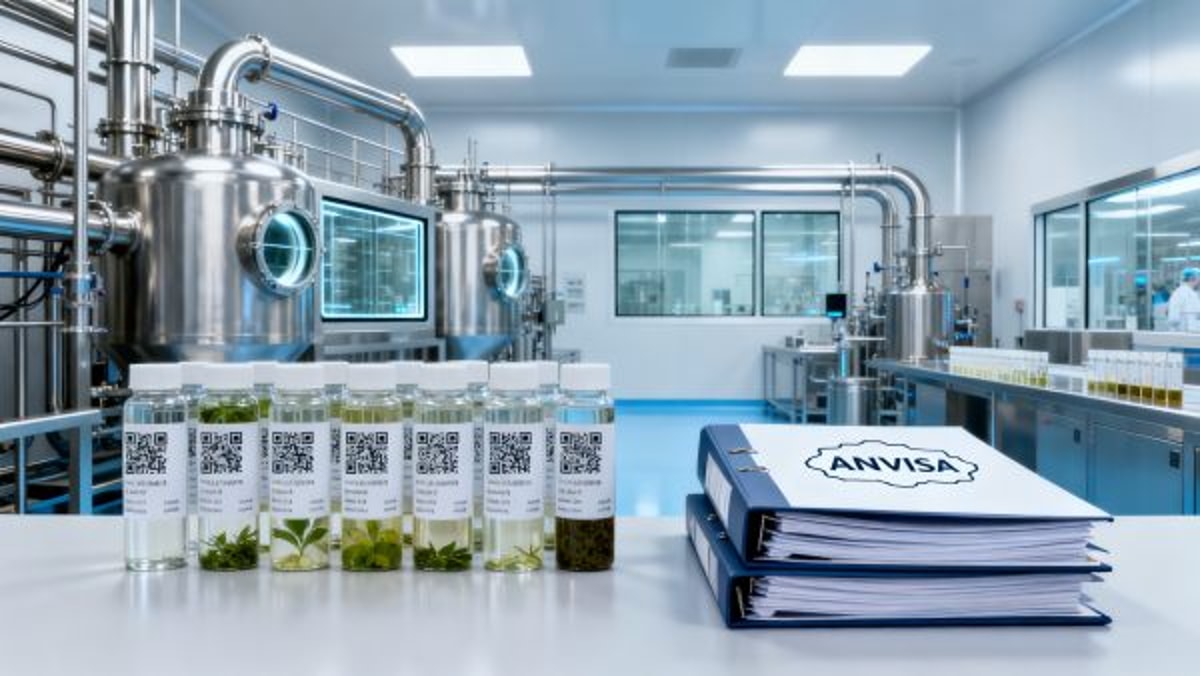
On May 2, 2026, Brazil’s National Health Surveillance Agency (ANVISA) issued Administrative Instruction No. 117/2026, extending the deadline for mandatory secondary traceability—covering cultivation sites and primary processing facilities—for imported botanical extracts from June 30, 2026 to December 31, 2026. This update directly affects exporters, importers, and supply chain stakeholders in the natural ingredients, dietary supplement, cosmetics, and herbal medicine sectors operating with or supplying to the Brazilian market.
Event Overview
On May 2, 2026, ANVISA published Administrative Instruction No. 117/2026. The instruction postpones the enforcement deadline for the secondary traceability requirement (i.e., documentation linking botanical extracts to their cultivation site and primary processing facility) from June 30, 2026 to December 31, 2026. The instruction confirms that all newly registered products submitted on or after July 1, 2026 must include full traceability documentation at registration; existing registered products may submit such documentation during the extended exemption period.
Which Subsectors Are Affected
Direct Trading Enterprises (e.g., Exporters & Importers)
These entities are directly responsible for submitting registration dossiers to ANVISA and ensuring compliance with traceability requirements. Under the updated timeline, exporters—including those based in China—must now ensure traceability files are ready for any new product submissions starting July 1, 2026. For existing registrations, the extension provides additional time to collect, verify, and submit documentation without immediate risk of non-compliance penalties or registration suspension.
Raw Material Sourcing Enterprises (e.g., Ingredient Suppliers, Contract Manufacturers)
Suppliers of botanical extracts must provide verifiable evidence of origin and initial processing—such as farm location records, harvest logs, and primary extraction facility licenses—to their trading partners. The extension does not relax documentation standards; it only delays the enforcement date. Therefore, sourcing enterprises face intensified pressure to formalize upstream data collection systems before year-end 2026, especially if they serve multiple export markets with diverging traceability expectations.
Manufacturing & Formulation Companies (e.g., Dietary Supplement & Cosmetics Producers)
Companies incorporating botanical extracts into finished goods for the Brazilian market rely on their suppliers’ traceability compliance to support their own product registrations. Delays in upstream documentation submission may delay final product approval timelines. With the July 1, 2026 cutoff for new registrations, formulation companies must now align procurement planning and supplier qualification cycles with the stricter documentation gate.
Supply Chain & Regulatory Support Providers
Consultancies, testing labs, and regulatory affairs service providers supporting ANVISA submissions will likely see increased demand for traceability verification support—including document review, gap analysis, and audit preparation—in the second half of 2026. However, the extension reduces near-term urgency for emergency remediation services, shifting focus toward structured, scalable compliance readiness rather than crisis response.
What Relevant Enterprises or Practitioners Should Focus On — And How to Respond Now
Monitor official updates on implementation guidance and documentation templates
ANVISA has not yet published detailed specifications for acceptable traceability formats (e.g., whether third-party certifications or internal records suffice). Enterprises should track ANVISA’s official notices and technical bulletins—particularly any clarifications issued before July 2026—to avoid misalignment in dossier preparation.
Prioritize traceability readiness for high-volume or high-risk botanical categories
Not all botanical extracts carry equal regulatory scrutiny. Enterprises should identify which materials are most frequently flagged in ANVISA reviews (e.g., Paullinia cupana, Uncaria tomentosa, or standardized extracts with pharmacological claims) and allocate verification resources accordingly—starting with cultivation site mapping and primary processor validation.
Distinguish between policy signal and operational reality
The extension signals ANVISA’s recognition of implementation challenges—not a reduction in regulatory intent. From a practical standpoint, the July 1, 2026 start date for new registrations means the requirement is already active for future submissions. Treating the exemption period solely as “extra time” risks underestimating the lead time required for cross-border documentation coordination, translation, and verification.
Initiate supplier engagement and internal alignment now—not later this year
Traceability documentation requires collaboration across tiers: farms, dryers, extractors, traders, and registrants. Initiating conversations with upstream partners in Q2 2026 allows time to resolve inconsistencies (e.g., mismatched lot numbers, unverified addresses) before year-end deadlines. Internal teams—including regulatory, procurement, and quality—should also harmonize definitions and responsibilities for traceability data ownership and retention.
Editorial Perspective / Industry Observation
Observably, this extension functions less as a policy reversal and more as a calibrated adjustment to allow for phased implementation—especially given the complexity of verifying decentralized agricultural origins across global supply chains. Analysis shows that ANVISA continues to treat traceability as a foundational element of product safety assessment, not an optional administrative step. Current practice suggests the agency is prioritizing compliance sustainability over speed: the six-month buffer permits deeper stakeholder engagement but does not indicate long-term flexibility. From an industry perspective, this development is better understood as confirmation that traceability is now a permanent, non-negotiable component of market access—not a transitional measure.
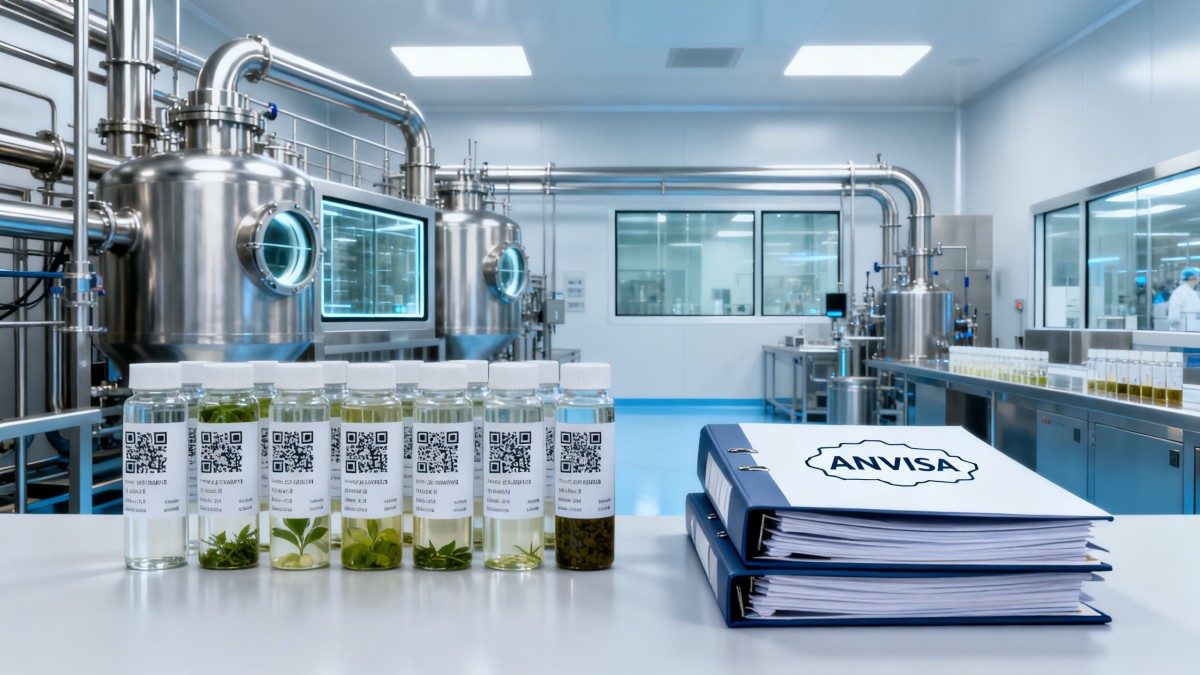
Concluding, this update reinforces—not relaxes—the regulatory expectation for transparency in botanical ingredient sourcing for the Brazilian market. It marks a procedural pause, not a strategic pivot. Enterprises should interpret the extension as an opportunity to institutionalize traceability practices, not as a reprieve from compliance obligations. The current situation is best understood as a managed transition toward fully enforced traceability, with clear inflection points beginning July 1, 2026.
Source: ANVISA Administrative Instruction No. 117/2026, published May 2, 2026.
Further clarification on acceptable documentation formats and verification procedures remains pending and is subject to ongoing observation.
Related Intelligence
- Botanical ExtractsWhat Sets a Reliable Ginseng Extract Manufacturer Apart?Ginseng extract manufacturer selection starts with traceability, GMP controls, and consistent ginsenosides. Learn how to compare suppliers, reduce risk, and secure long-term value.
- Botanical ExtractsHemp Extract Bulk: Full Spectrum or Isolate for New Products?Hemp extract bulk: compare full spectrum vs isolate for new products. Learn how each option affects compliance, formulation, sourcing, and market fit before bulk buying.
- Botanical ExtractsBulk Maca Extract Quality Issues That Show Up After SourcingBulk maca extract quality problems often emerge only after sourcing. Discover the key warning signs—assay drift, residues, adulteration, and document gaps—before they disrupt compliance, cost, and supply.
The Morning Broadsheet
Daily chemical briefings, market shifts, and peer-reviewed summaries delivered to your terminal.
