
Wholesale Water Pumps for Farming Compared
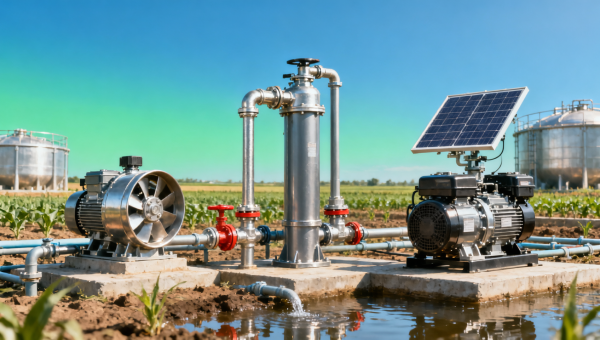
Choosing wholesale water pumps for farming now demands more than price comparison. From solar water pumps agricultural systems to submersible deep well pumps, buyers must assess durability, flow efficiency, power compatibility, and supply reliability alongside related tractor implement parts and agricultural diesel engines. This comparison helps procurement teams, technical evaluators, and distributors identify practical options for large-scale farming operations.
How should buyers compare wholesale water pumps for farming in real procurement scenarios?
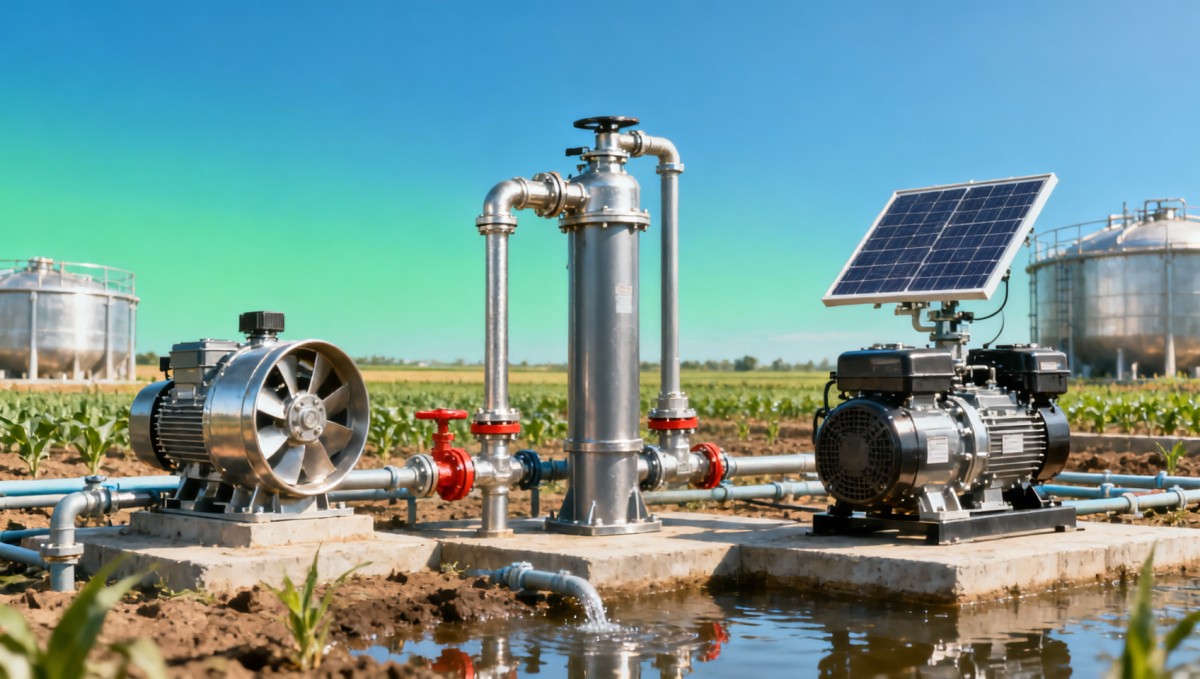
In agricultural procurement, a water pump is rarely a standalone purchase. It sits inside a larger operating system that may include irrigation lines, filtration, agricultural diesel engines, generator backup, and tractor-driven support equipment. That is why wholesale water pumps for farming should be compared through operating conditions, not catalog slogans. A pump that performs well at 30 meters of head may fail commercial expectations at 80 meters or under long daily duty cycles of 8–16 hours.
For information researchers and technical assessment teams, the first step is to distinguish whether the project is surface transfer, borehole extraction, pressure boosting, fertigation support, pond circulation, or emergency drainage. Each use case changes the preferred pump type, motor configuration, sealing standard, and maintenance interval. For procurement officers and financial approvers, this early classification reduces the risk of overbuying capacity or choosing a low-cost unit that causes high replacement frequency within 1–2 seasons.
In the broader industrial agriculture and primary processing environment, supply chain reliability is as important as nameplate performance. AgriChem Chronicle consistently emphasizes this procurement reality across agricultural machinery and regulated industrial supply chains: technical suitability, documentation clarity, and replacement-part continuity must be evaluated together. A pump with acceptable flow but uncertain spare parts can create longer downtime than a slightly higher-priced alternative backed by stable component support.
For distributors, project managers, and dealer networks, the comparison process also needs to account for after-sales practicality. Can seals, impellers, bearings, and control components be sourced within 7–15 days? Is the motor compatible with local voltage and frequency conditions? Can the supplier provide pump curves, materials information, and routine inspection guidance? These are often the questions that determine whether a wholesale farming pump becomes a repeat-order product or a warranty burden.
The 4 core evaluation dimensions used by serious B2B buyers
- Hydraulic fit: required flow rate, total dynamic head, suction conditions, and seasonal water-level variation must align with the pump curve rather than nominal horsepower alone.
- Power fit: buyers should confirm whether the site uses single-phase, three-phase, solar drive, PTO-linked systems, or diesel-powered operation with typical ranges such as 2 kW–30 kW.
- Material durability: cast iron, stainless steel, bronze, engineered polymer, and shaft-seal choices matter when water contains sand, fertilizer residue, or mild chemical content.
- Supply chain support: lead time, spare parts, documentation, inspection records, and export packing standards affect the true commercial value of wholesale water pumps for farming.
Why simple price comparison often leads to poor field performance
Low headline pricing often hides mismatches in motor insulation class, shaft quality, bearing grade, seal design, or actual efficiency under load. A pump that looks cheaper in the quotation can become more expensive after 3–6 months if it consumes more fuel, requires frequent priming, or loses output during peak irrigation windows. In projects where crop watering depends on tight timing, downtime can be more costly than the initial hardware difference.
This matters even more in operations where pumps are paired with agricultural diesel engines. Fuel use, starting reliability, and vibration tolerance affect total cost of ownership. A procurement review that combines hydraulic data, power source compatibility, and maintenance burden is far more useful than a spreadsheet sorted only by unit price.
Which pump types are usually compared for farming, and where does each one fit?
Most wholesale water pumps for farming fall into a few practical categories: centrifugal surface pumps, submersible deep well pumps, solar water pumps agricultural systems, diesel-engine-driven transfer pumps, and mixed-use booster sets. The right option depends on water source depth, irrigation method, mobility requirements, and how predictable the power supply is across the farm or processing site.
Technical evaluators should compare not only the pump body but also the entire duty arrangement. For example, a submersible unit reduces suction problems in deep wells, while a surface centrifugal pump can simplify service access in canal or reservoir applications. Solar water pumps agricultural projects may lower running costs in off-grid regions, but they require realistic assessment of irradiation patterns, storage needs, and pumping schedule flexibility.
Project managers often benefit from classifying sites into 3 groups: shallow source and short distance, medium head with stable grid access, and deep source or remote-field operation. This segmentation speeds up comparison and prevents unsuitable cross-category bidding. It also helps dealers and distributors build a more coherent product portfolio instead of stocking many overlapping pump variants.
The table below summarizes the common options procurement teams usually compare when buying wholesale water pumps for farming at commercial scale.
This comparison shows why no single pump type is universally preferable. A deep-well farm operation may prioritize submersible reliability and pressure stability, while a mixed-crop distributor serving smaller sites may need flexible surface or diesel sets. The better procurement choice is the one that fits water source depth, duty hours, service access, and local energy economics together.
Application scenarios that often change the buying decision
Drip and fertigation networks
These systems usually need stable pressure more than extreme flow. Buyers should review pressure fluctuation, filtration compatibility, and chemical exposure. If fertilizers are injected, seal and wetted-part material become more important than entry-level price.
Flood irrigation and high-volume transfer
This application often favors larger flow ranges and easier maintenance access. Surface pumps and diesel-driven sets can be practical where head is moderate and mobility matters. Typical review points include hose coupling standard, priming time, and continuous operation across 6–12 hour watering cycles.
Remote wells and livestock water supply
Submersible deep well pumps and solar water pumps agricultural systems are common here. The buying focus shifts toward bore diameter, cable run, controller protection, dry-run safeguards, and seasonal reliability where technician access may be limited.
What technical parameters matter most before approving a farming pump order?
Technical performance should be reviewed in a sequence, not as isolated numbers. Start with required flow and total dynamic head, then confirm power source, duty cycle, solids content, and installation conditions. Many selection errors occur because teams approve a pump by outlet size or motor rating without checking whether the unit can sustain the target operating point over an irrigation season.
For most farm procurement files, 5 technical checks are essential: flow rate, head, efficiency band, motor compatibility, and water quality tolerance. If the source contains sand, suspended matter, or trace chemical content, buyers should ask for material and seal details early. If the pump will run daily through a harvest period, the thermal and bearing design also deserve closer review.
A practical range-based approach works well when comparing multiple bids. Common agricultural projects review head bands such as 10–30 m, 30–80 m, or above 80 m, and power arrangements from small solar-driven systems to three-phase or diesel-linked units. These ranges help decision-makers narrow options quickly without assuming that higher power always means better field performance.
The table below offers a structured parameter checklist that procurement teams, quality reviewers, and engineering project leads can use when comparing wholesale water pumps for farming.
The main lesson is simple: parameters must be matched to the operating point and water conditions, not judged independently. ACC’s industry-focused analysis is particularly useful here because serious buyers increasingly need a bridge between commercial quotations and technical due diligence. The right review process helps align procurement, engineering, and finance instead of forcing late-stage corrections.
A 3-step technical screening method for cross-functional teams
- Define the duty point: record source depth, distance, elevation change, expected delivery volume, and target pressure.
- Match the power architecture: decide whether the site is best served by grid, solar, hybrid, or diesel operation over the expected seasonal schedule.
- Validate supportability: request pump curves, parts list availability, maintenance intervals, and likely lead time for common replacements.
This method is especially helpful when purchase decisions involve technical evaluators, financial approvers, and local distributors at the same time. It reduces disagreement because each stakeholder can review the same evidence set through a different lens.
How do cost, compliance, and delivery affect the final wholesale decision?
Commercial buyers often underestimate the role of delivery certainty and documentation quality when comparing wholesale water pumps for farming. A lower unit price can lose its advantage if the supplier cannot confirm inspection procedures, export packaging, replacement-part schedules, or electrical documentation. This is particularly important in cross-border sourcing, where site downtime and customs delays can affect planting and irrigation cycles.
Cost should be separated into 3 layers: acquisition cost, operating cost, and interruption cost. Acquisition includes the pump, motor, controller, and accessories. Operating cost covers electricity or fuel, consumables, and planned maintenance over 12–24 months. Interruption cost includes lost irrigation time, emergency repair logistics, and labor redeployment when the system fails during peak demand.
Compliance also plays a larger role than many buyers expect. While pump requirements vary by market and application, prudent teams should verify routine manufacturing documentation, electrical conformity where applicable, material declarations when needed, and safe-use instructions. In installations touching food, feed, aquaculture, or regulated agro-processing environments, internal quality systems may require more detailed traceability and hygiene-sensitive material review.
In the sectors covered by AgriChem Chronicle, this disciplined approach reflects a wider procurement trend: industrial buyers increasingly favor suppliers that combine technical clarity with supply chain transparency. Whether the product is fine chemicals, machinery, or water-handling equipment, the market now rewards documented reliability more than vague claims of performance.
What should be checked before issuing a purchase order?
- Confirm expected lead time, including production, inspection, packing, and shipping. For many standard configurations, buyers often work within 2–6 weeks, but site-critical orders may need earlier reservation.
- Review the spare-parts package for the first operating cycle, especially seals, bearings, couplings, impellers, and controller-related components.
- Ask for operation manuals, wiring or installation guidance, and pump performance curves before payment approval to avoid post-delivery ambiguity.
- Check whether the supplier can support adaptation to local power standards, pipe connections, or system integration with tractor implement parts and agricultural diesel engines where relevant.
Common misconceptions in farming pump sourcing
“Higher horsepower always means better irrigation results.”
Not necessarily. If the pump curve does not align with the system head and flow requirement, more power may simply increase operating cost or stress the installation.
“Solar pumping is always cheaper than diesel or grid power.”
It can be cost-effective in off-grid settings, but only if daytime availability, storage approach, and seasonal demand match the system design. Otherwise, a hybrid solution may be more practical.
“Any submersible pump can handle a deep well.”
Depth alone is not the only factor. Buyers must also review bore diameter, drawdown, water abrasiveness, cable quality, and expected duty cycle across the irrigation season.
FAQ for procurement teams, distributors, and farm project managers
How do I choose between a solar water pump agricultural system and a diesel pump set?
Start with the site’s energy reality. If the field is remote, fuel delivery is difficult, and irrigation can be scheduled around daylight, solar may be attractive. If water demand is concentrated, mobility is essential, or pumping must continue regardless of weather, diesel may still be the practical option. Many large farms compare both over a 12-month operating horizon rather than only the purchase price.
What are the most important documents to request from a wholesale pump supplier?
Ask for the pump curve, motor or controller data, materials information, installation guidance, routine inspection or test records where available, packing details, and spare-parts list. For cross-border orders, commercial teams should also confirm shipment terms and documentation timing before final approval.
How long is the usual delivery cycle for wholesale water pumps for farming?
For standard configurations, buyers often plan around 2–6 weeks depending on quantity, test requirements, and shipping route. Custom voltage, special material requests, or bundled accessories can extend that cycle. It is wise to align ordering with crop calendars and reserve production earlier for seasonal peaks.
When should a buyer favor submersible deep well pumps?
Choose them when the water source is deep, suction lift would be problematic for a surface pump, or stable pressure from a borehole is required. Before ordering, verify static and dynamic water levels, bore size, expected sand content, and lifting-service practicality for maintenance planning.
Why work with AgriChem Chronicle when evaluating suppliers and pump solutions?
AgriChem Chronicle serves industrial buyers that cannot rely on superficial product summaries. Our editorial focus across agricultural machinery, biochemical supply chains, aquaculture systems, and primary processing means we understand how equipment decisions are shaped by compliance pressure, technical detail, and procurement risk at the same time. That perspective is valuable when comparing wholesale water pumps for farming in serious B2B settings.
For procurement teams, technical evaluators, and distributors, we help frame the right questions before budget approval: Which pump type fits the water source? Which parameters should be confirmed first? What spare-parts risks are acceptable? How should solar water pumps agricultural systems be compared against diesel or grid-powered alternatives? These questions reduce delays and improve negotiation quality.
If you are reviewing suppliers, preparing a sourcing list, or comparing submersible deep well pumps with surface or diesel-driven options, you can consult us on concrete issues rather than generic promotion. Typical inquiry topics include parameter confirmation, product selection logic, delivery cycle expectations, spare-parts planning, certification and documentation requirements, sample or specification support, and quotation communication for distributor or project tenders.
Contact AgriChem Chronicle if your team needs a clearer evaluation path for farming pump procurement. We can help you structure supplier comparison, define technical checkpoints, and align engineering, commercial, and compliance priorities before the order is placed.
Related Intelligence
- Aeration & Water Tech2026 Shanghai Fastener Show Adds Aeration & Water Tech ZoneAeration & Water Tech Zone debuts at 2026 Shanghai Fastener Show—featuring corrosion-resistant fasteners for aquaculture & wastewater systems. Discover engineered, smart connection solutions.
- Aeration & Water Tech2026 Shanghai Fastener Show Highlights Aeration & Water TechAeration & Water Tech takes center stage at the 2026 Shanghai Fastener Show — discover energy-efficient, IoT-enabled aeration systems, global procurement trends, and smart infrastructure integration.
- Aeration & Water TechCIBF2026 Marks Earth Day: Zero-Carbon Factory Policy & Battery Recycling AccelerateZero-carbon factory policy & battery recycling take center stage at CIBF2026—key for lithium battery, PV, smart greenhouse, and RAS exporters targeting EU/US markets.
The Morning Broadsheet
Daily chemical briefings, market shifts, and peer-reviewed summaries delivered to your terminal.
