
Submersible Deep Well Pumps Buying Mistakes
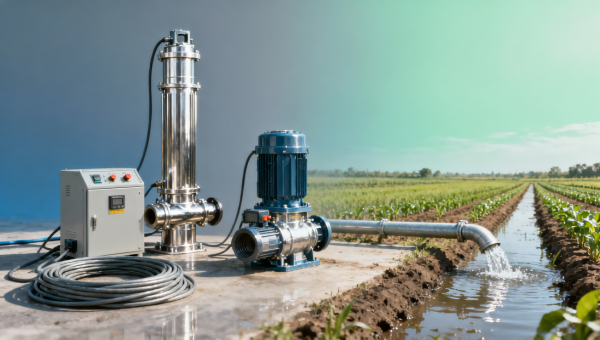
Avoiding costly errors when sourcing submersible deep well pumps starts with understanding performance, compliance, and total lifecycle value. For procurement teams comparing solar water pumps agricultural systems, wholesale water pumps for farming, or related tractor implement parts and agricultural diesel engines, this guide highlights the most common buying mistakes, technical evaluation points, and supplier risks that can directly affect efficiency, safety, and long-term ROI.
Why do buyers still make expensive mistakes with submersible deep well pumps?
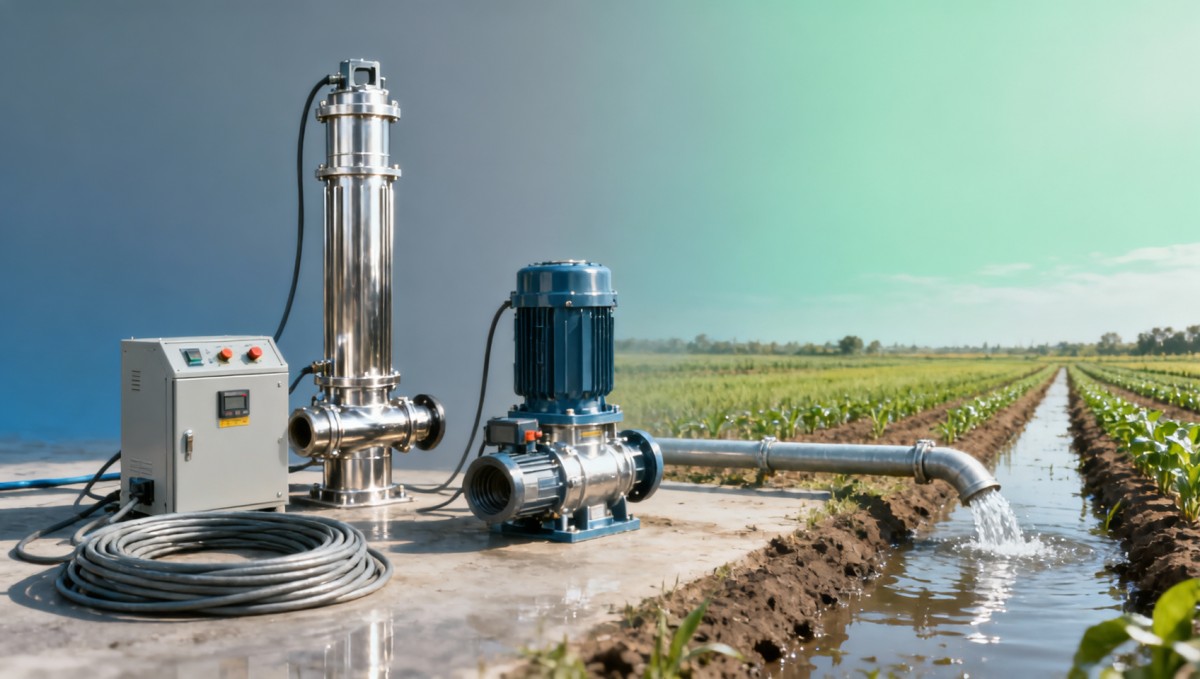
In agricultural irrigation, aquaculture water transfer, rural water supply, and industrial fluid handling, a submersible deep well pump is rarely a standalone purchase. It connects with bore depth, power availability, pipe sizing, control panels, water quality, and maintenance capacity. Many organizations focus on upfront price in the first 7–10 days of sourcing, then discover later that the selected unit cannot sustain the required flow at the actual total dynamic head.
This mistake becomes more serious in B2B settings where technical evaluators, purchasing managers, finance approvers, and project owners each review different criteria. One team may compare only kilowatts, another only delivery lead time, while quality or safety personnel ask about insulation class, seal materials, and motor protection. Without a shared evaluation framework covering at least 5 key checkpoints, the purchasing process can drift toward incomplete or misleading comparisons.
For readers of AgriChem Chronicle, this issue sits inside a broader supply-chain reality. Primary industries and fine-chemical operations increasingly work under tighter documentation, stricter environmental controls, and higher downtime costs. A poorly selected deep well pump can disrupt irrigation scheduling, fish pond oxygen management, washdown systems, and process water circulation, creating secondary losses far beyond the pump invoice itself.
The most common buying mistakes are not random. They usually come from three gaps: weak field data, weak supplier validation, and weak lifecycle costing. Buyers who correct these three areas can often reduce avoidable rework during installation, prevent early motor failures in the first 6–12 months, and improve long-term asset planning across multiple sites.
- Mistake 1: Selecting by nominal horsepower only, without confirming required flow rate, operating head, and voltage stability.
- Mistake 2: Ignoring water chemistry, sand content, chloride exposure, or seasonal drawdown that affects material choice and wear rate.
- Mistake 3: Comparing quotations without checking included accessories such as cable length, non-return valve, control box, or protection devices.
- Mistake 4: Accepting incomplete compliance documents when the pump will serve regulated agricultural or processing environments.
What technical data should procurement teams verify before requesting quotations?
A reliable RFQ for submersible deep well pumps should begin with field conditions, not catalog browsing. At minimum, the buyer should confirm well depth, static water level, pumping water level, target flow, discharge pipe diameter, power supply, and daily operating duration. In many farm and project environments, run time falls in the 4–12 hour range per day, but seasonal water demand may increase sharply during dry periods, so design should not rely on average conditions only.
Technical assessment becomes more critical when buyers also compare solar water pumps agricultural setups with diesel-supported systems or grid-powered installations. A pump that performs adequately on stable three-phase power may respond very differently under variable solar input or generator fluctuations. That is why project managers should review both hydraulic performance and power compatibility during the same evaluation cycle.
The table below summarizes core data points that procurement, engineering, and quality teams should align on before supplier discussions. This helps avoid underpowered equipment, mismatched motor protection, and unrealistic delivery assumptions.
This information does more than support pump selection. It improves quote comparability. When all bidders receive the same hydraulic and electrical parameters, finance teams can compare total package value more accurately, and technical reviewers can identify where a low quote excludes essential protection features or uses unsuitable materials.
The 5 checks that prevent most specification errors
Even experienced buyers sometimes overlook one critical site variable. A practical review method is to validate five areas in sequence: hydraulic demand, power conditions, water chemistry, installation constraints, and service access. If one of these is missing, the selected submersible deep well pump may still fit the catalog but fail in the field.
Field and engineering checklist
- Confirm actual pumping head during the low-water season, not only after drilling or rainy months.
- Verify voltage fluctuation tolerance if the site depends on solar inverters or agricultural diesel engines.
- Review bore diameter, cable routing, and drop pipe design before locking the motor diameter and stage configuration.
- Check whether dry-run, overload, phase loss, or surge protection is included in the package.
- Document service intervals, spare parts lead time, and warranty response expectations for the first 12–24 months.
This sequence is especially useful for distributors, project contractors, and cross-border buyers who need to standardize procurement across several farms or processing sites. It also reduces communication gaps between commercial teams and technical reviewers during bid clarification.
Which buying mistakes create the highest lifecycle cost?
The cheapest quote often becomes the most expensive asset when installation corrections, downtime, and early replacement are included. In deep well pump procurement, lifecycle cost is shaped by energy consumption, motor reliability, maintenance intervals, spare parts access, and how well the pump curve matches real duty conditions. A unit that runs outside its efficient operating range for 8–10 hours a day can create ongoing energy waste and accelerated wear.
This is particularly relevant in agriculture and primary processing, where pumps may support seasonal irrigation campaigns, fish farm circulation, feed plant water supply, or cleaning operations. A single mismatch in head calculation or abrasive-water resistance can increase operating interruptions during peak production windows. For finance approvers, the key issue is not only purchase price but cost per operating season and expected replacement timeline.
The comparison below shows how common sourcing shortcuts translate into hidden costs. It is designed for procurement teams reviewing wholesale water pumps for farming, replacement planning, or multi-site expansion projects.
The table makes one procurement principle clear: lifecycle value depends on system fit, not just equipment cost. Buyers should therefore ask suppliers to separate the quotation into pump, motor, cable, controller, protection devices, and recommended spare parts. This structure reveals hidden exclusions and supports clearer budget approval.
How to compare solar, grid, and diesel-supported pumping options
Not every site should use the same power architecture. In remote agricultural areas, solar water pumps agricultural systems can reduce fuel logistics and routine operator intervention. However, where high flow is required during low-sun periods, hybrid systems or generator backup may still be necessary. Grid-powered systems may offer simpler control where electrical service is stable, while diesel-supported arrangements remain common for temporary worksites or unreliable rural networks.
Decision-makers should compare at least four factors over a 3–5 year horizon: energy cost pattern, maintenance burden, seasonal duty profile, and site accessibility. This broader view is often more useful than debating only motor efficiency or initial package cost.
What compliance, documentation, and supplier checks matter most?
For industrial buyers, documentation quality often predicts execution quality. A supplier that cannot provide a clear data sheet, material information, motor protection details, or test documentation may also struggle with after-sales response and spare-parts consistency. In regulated or quality-sensitive environments, buyers should also review whether the offered equipment aligns with applicable electrical safety, environmental, and process documentation expectations.
AgriChem Chronicle’s readership frequently works in sectors where procurement decisions are evaluated across compliance and operational risk, not only price. That is why supplier review should include production traceability, export packaging standards, document responsiveness, and technical communication quality. A vendor who answers clearly within 24–72 hours and provides structured documentation usually lowers project friction during approval and installation.
The checklist below helps commercial and quality teams evaluate whether a pump supplier is prepared for serious B2B procurement, especially when multiple stakeholders must sign off before release of payment or shipment.
- Ask for complete performance curves, not only nominal flow and power figures.
- Confirm motor insulation, ingress protection, cable specification, and recommended control devices.
- Request material details for wetted parts if water contains sand, salt, fertilizer residue, or corrosive components.
- Review packing, lead time, spare-part availability, and claim handling process before contract finalization.
- Verify whether the supplier can support project files needed by engineering, procurement, and quality teams in one document set.
Common standards and references may include electrical safety requirements, motor efficiency considerations, and documentation that supports environmental or water-use compliance in the destination market. The exact requirement varies by country and application, so buyers should align legal review with end use before shipment. This matters even more when the pump is part of a broader package including tractor implement parts, fertigation lines, or farm processing utilities.
A practical 4-step supplier screening flow
From inquiry to approval
- Step 1: Send a complete application brief with head, flow, water condition, and power details.
- Step 2: Request a structured quote with exclusions, optional accessories, and estimated lead time, often 2–4 weeks for standard configurations.
- Step 3: Conduct technical and commercial review together, including warranty terms, testing scope, and shipping method.
- Step 4: Confirm pre-shipment documents, installation guidance, and spare-parts support before final payment release.
This simple flow reduces misunderstandings and helps cross-functional teams move from inquiry to decision without losing critical technical detail. It also creates a better paper trail for procurement audits and project closeout.
How should different buyer groups make the final decision?
A strong final decision does not come from one perfect parameter. It comes from weighted judgment across performance, risk, serviceability, and commercial fit. Technical evaluators may prioritize pump curve accuracy and material durability. Finance reviewers may look at operating cost over 12, 24, or 36 months. Project managers care about installation timing, while distributors may focus on spare-part commonality and repeat-order consistency.
To avoid deadlock, buyers should assign a practical decision framework using 4 dimensions: technical suitability, supplier reliability, total cost of ownership, and implementation readiness. Even a basic scoring model helps teams compare multiple submersible deep well pumps more objectively than informal discussion alone.
Below are role-based priorities that often improve decision quality across agricultural, aquaculture, and light industrial projects.
Role-based decision priorities
- Information researchers should collect application evidence, installation limits, and alternative power options early, before suppliers shape the specification.
- Technical reviewers should confirm hydraulic match, cable and controller compatibility, and acceptable operating window under real site conditions.
- Procurement teams should compare package completeness, shipment readiness, Incoterm clarity, and spare-parts commitments rather than base price only.
- Finance approvers should ask for expected maintenance frequency, service parts exposure, and energy implications across at least one full operating season.
- Quality and safety personnel should review protection devices, applicable documentation, installation instructions, and water-contact material suitability.
FAQ for B2B buyers
How do I know if a submersible deep well pump is oversized?
If the pump delivers far more flow than the well can sustainably supply or the system can use, cycling, drawdown problems, and energy waste may occur. Oversizing is common when buyers choose by motor power only. Match the pump curve to actual duty point and seasonal water level changes before ordering.
What is a realistic lead time for standard orders?
For standard configurations, many suppliers quote around 2–4 weeks, while custom voltage, material, or controller combinations may take longer. Buyers should also add time for document review, export packing, and inland transport if the project schedule is tight.
Are solar water pumps agricultural systems always cheaper long term?
Not always. They can reduce fuel expense and site labor, but performance depends on irradiance profile, storage strategy, and peak water demand timing. A hybrid solution may be more practical where irrigation is critical during cloudy periods or where large daily volumes are required.
What should distributors ask before taking on a new pump line?
They should ask about spare-parts standardization, warranty process, technical response time, training materials, and whether pump, controller, and cable packages remain consistent across batches. Stable documentation and repeatable supply matter as much as first-order margin.
Why work with AgriChem Chronicle when evaluating pump suppliers and market options?
AgriChem Chronicle serves readers who operate in complex, regulated, and capital-sensitive sectors where equipment decisions must stand up to technical scrutiny and commercial review. That editorial position is valuable when evaluating submersible deep well pumps, agricultural machinery components, and related fluid-handling systems because it connects procurement questions with broader supply-chain, compliance, and operational realities.
Our strength is not generic product promotion. We focus on verified technical interpretation, sourcing risk visibility, and decision-useful market context for industrial buyers, OEM partners, distributors, and enterprise operators. For teams comparing wholesale water pumps for farming, solar pumping packages, or integrated systems involving agricultural diesel engines, this approach helps reduce ambiguity before budget commitment.
If your team is preparing a new procurement round, replacement program, or distributor evaluation, you can engage around specific issues rather than broad sales talk. Typical consultation topics include parameter confirmation, head and flow matching, package completeness, likely delivery windows, documentation expectations, spare-parts planning, and how to compare standard versus customized configurations.
Contact AgriChem Chronicle if you need structured support for supplier shortlisting, technical content positioning, or market-facing communication built around real procurement concerns. You can also inquire about selection criteria for submersible deep well pumps, solar water pumps agricultural projects, lead-time expectations, certification-related documentation, sample or specification review, and quotation discussion points that matter to institutional buyers and engineering-led procurement teams.
Related Intelligence
- Aeration & Water Tech2026 Shanghai Fastener Show Adds Aeration & Water Tech ZoneAeration & Water Tech Zone debuts at 2026 Shanghai Fastener Show—featuring corrosion-resistant fasteners for aquaculture & wastewater systems. Discover engineered, smart connection solutions.
- Aeration & Water Tech2026 Shanghai Fastener Show Highlights Aeration & Water TechAeration & Water Tech takes center stage at the 2026 Shanghai Fastener Show — discover energy-efficient, IoT-enabled aeration systems, global procurement trends, and smart infrastructure integration.
- Aeration & Water TechCIBF2026 Marks Earth Day: Zero-Carbon Factory Policy & Battery Recycling AccelerateZero-carbon factory policy & battery recycling take center stage at CIBF2026—key for lithium battery, PV, smart greenhouse, and RAS exporters targeting EU/US markets.
The Morning Broadsheet
Daily chemical briefings, market shifts, and peer-reviewed summaries delivered to your terminal.
