
How to Select Agricultural Diesel Engines
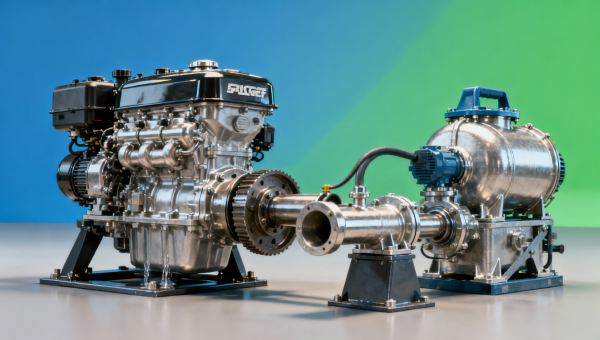
Selecting agricultural diesel engines requires more than comparing horsepower or price. For buyers sourcing agricultural diesel engines alongside tractor implement parts, pto drive shafts bulk, agricultural tires wholesale, or solar water pumps agricultural, the real benchmark is lifecycle efficiency, compliance, and field reliability. This guide helps technical evaluators, procurement teams, and decision-makers assess engine performance, operating costs, and compatibility with modern farming systems.
What should buyers evaluate first when selecting agricultural diesel engines?
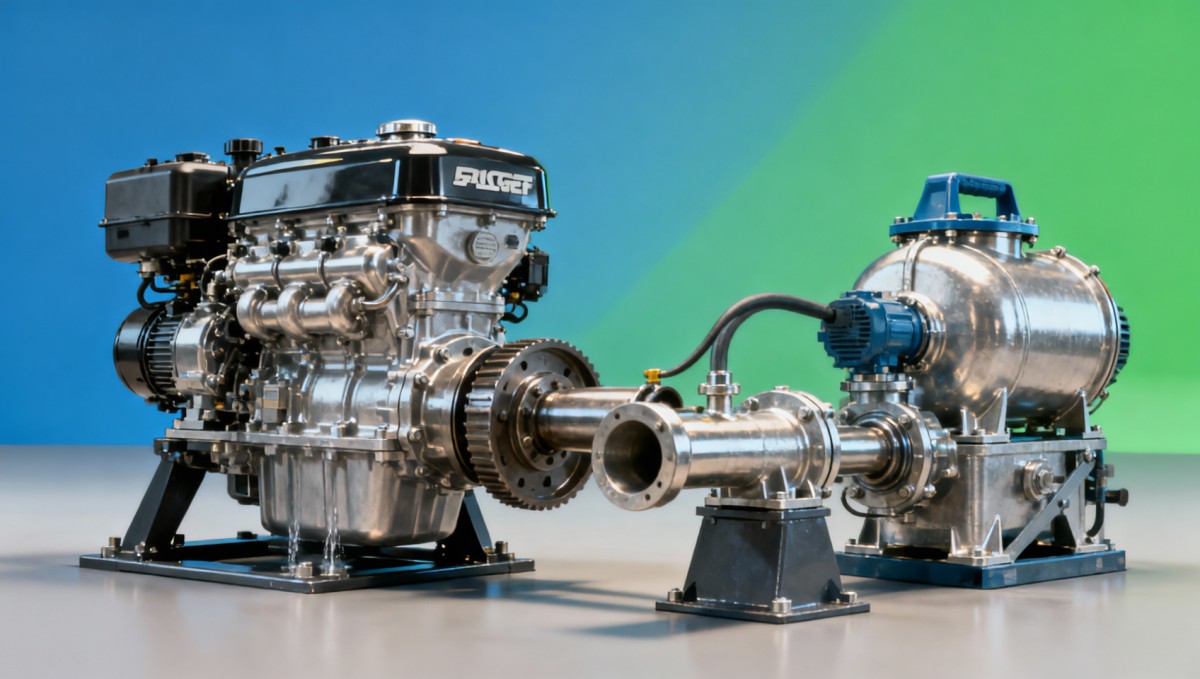
Agricultural diesel engines sit at the center of field productivity because they must handle variable load, dust exposure, seasonal operating peaks, and long idle periods between tasks. In practical procurement, the first screening step is not brand preference but duty profile. A 20–40 hp engine for compact irrigation or spraying does not face the same thermal and torque demands as a 75–150 hp engine used in tillage, transport, or grain handling.
Technical assessment teams should begin with 3 core dimensions: required power band, torque behavior under fluctuating load, and installation compatibility with existing machinery. This is especially important when the engine must work with PTO-driven equipment, hydraulic systems, or mixed fleets that include older tractors and newer implements. A mismatch in shaft speed, mounting points, or cooling design can create expensive retrofit delays of 7–15 days or more.
Procurement staff and finance approvers also need a lifecycle view. A lower upfront price may be offset by higher fuel consumption, shorter maintenance intervals, and limited spare parts availability. For many farm operators and distributors, the useful comparison window is 3–5 years, not the invoice date. Over that period, service access, filter availability, and downtime risk often matter more than a small initial discount.
For readers of AgriChem Chronicle, this matters beyond machinery purchasing alone. The same disciplined sourcing logic used in regulated biochemical and industrial supply chains applies here: verify technical documentation, confirm compliance pathway, review parts support, and understand the total operating environment before approving a vendor or platform.
A practical first-round screening checklist
- Define the primary application: pumping, traction, threshing, transport, generator duty, or multi-purpose field work.
- Map the power requirement by range, such as under 30 hp, 30–60 hp, 60–100 hp, or above 100 hp.
- Check operating conditions including ambient temperature, altitude, dust load, and expected continuous run time of 4–8 hours or 8–12 hours.
- Confirm integration points: PTO compatibility, fuel tank arrangement, radiator size, air filtration, mounting base, and transmission interface.
- Review support requirements including consumables, field service response, and parts lead time over 2–4 weeks.
This first-round filter shortens evaluation time and helps distributors, project managers, and engineering leads eliminate technically unsuitable options before commercial negotiation begins.
How do engine parameters translate into real field performance?
Many buyers focus on rated horsepower, yet agricultural diesel engine selection is more accurate when torque curve, fuel consumption behavior, cooling stability, and service interval are reviewed together. In the field, engines rarely operate in a perfectly stable condition. Soil resistance changes, pump head varies, and harvest systems create repeated load spikes. An engine with usable low-speed torque may deliver better working output than a higher-rated unit that struggles under transient load.
Another key issue is the engine’s operating speed band. Some applications perform best with a relatively stable speed for PTO implements or irrigation pumps, while others need flexibility across broader RPM ranges. When pairing engines with tractor implement parts or pto drive shafts bulk procurement, RPM compatibility can reduce vibration, wear, and power loss. This is one reason technical teams should ask for performance maps, not just a one-line specification sheet.
Cooling and filtration deserve equal weight. In dusty harvesting or feed processing environments, air intake protection and radiator access can determine whether the engine maintains output for an 8-hour shift or starts derating after a few hours. Similarly, easy filter replacement and routine maintenance access can lower service labor and reduce stoppages during seasonal peaks.
The table below summarizes the technical parameters most buyers should compare before final selection of agricultural diesel engines.
A parameter table is only useful if teams interpret it in application context. For instance, a pump set running at stable load may prioritize fuel efficiency and long service intervals, while a traction application may prioritize torque reserve and cooling resilience. Technical performance should therefore be reviewed against the actual work cycle rather than in isolation.
Why torque reserve often matters more than headline horsepower
Torque reserve is the engine’s ability to maintain work when resistance suddenly rises. In deep soil preparation, grain movement, or feed processing, load can shift in seconds. Engines with stronger mid-range torque generally recover faster, reduce stall risk, and improve operator control. This is especially relevant for project managers responsible for uptime during short harvest windows.
Questions to ask suppliers
- At what RPM is peak torque delivered, and how does the engine behave under partial load?
- What service points must be checked every 250 hours, 500 hours, or each season?
- Can the engine documentation show emissions status, test conditions, and compatibility notes for attachments?
Which agricultural diesel engine fits which application scenario?
Selection becomes easier when buyers classify use cases by load pattern and operating environment. A diesel engine for a mobile irrigation trailer has different priorities than one for orchard tractors, rice field machinery, grain conveying equipment, or backup power for storage facilities. This scenario-based approach helps information researchers and purchasing teams align technical choice with business goals.
Engines used with solar water pumps agricultural systems in hybrid setups, for example, may run fewer hours but need dependable startup and stable output during low-solar periods. By contrast, engines supporting feed and grain processing often require steady continuous duty, cleaner combustion, and easier maintenance scheduling. In mixed operations, one standard platform across several assets may simplify training and spare parts stocking.
Distributors and dealers should also consider resale serviceability. A technically strong engine with weak parts logistics may create after-sales pressure across multiple regions. In many markets, replacement filters, injectors, belts, and seals should be available within 48–72 hours during peak season to avoid customer dissatisfaction.
The following comparison table helps match agricultural diesel engines to common agricultural and primary processing scenarios.
This scenario matrix is useful because it links engine traits to procurement priorities. It also helps cross-functional teams speak the same language. Engineering can define operating needs, procurement can screen vendor capability, and finance can estimate where fuel use or service burden will affect total ownership cost.
Application-based shortlisting in 4 steps
- List the main and secondary uses over a 12-month cycle instead of judging by one peak task.
- Estimate daily runtime bands such as under 4 hours, 4–8 hours, or above 8 hours.
- Identify environmental stress factors including dust, water exposure, transport vibration, and storage conditions.
- Compare service network strength before finalizing the technical shortlist.
A structured shortlist prevents overbuying, which raises capital cost, and underbuying, which raises failure and downtime risk.
What procurement, compliance, and documentation checks should not be skipped?
In B2B sourcing, technical fit alone is not enough. Agricultural diesel engines often move through international trade channels, OEM integration projects, or distributor networks where documentation quality affects both approval speed and operational risk. Quality control personnel and safety managers should verify whether the supplier can provide clear specifications, maintenance manuals, parts lists, test references, and serial traceability details.
Compliance expectations vary by market, but common review items include emissions status, labeling, packaging for transport, and any applicable environmental or safety documentation. Where engines are incorporated into larger systems, buyers should also examine interface drawings and operating instructions to reduce installation error. A missing document can delay customs clearance, commissioning, or internal sign-off by 1–3 weeks.
AgriChem Chronicle’s audience often works in sectors where regulatory rigor and supply chain transparency are routine. That perspective is valuable in agricultural machinery procurement as well. A disciplined supplier review should ask not only “Can this engine run?” but also “Can this engine be verified, supported, and deployed without hidden risk?”
The table below highlights practical documentation and compliance checkpoints for agricultural diesel engine selection.
These checkpoints are especially useful for enterprise decision-makers, finance teams, and project owners who need evidence before approving larger orders. Clear documentation is not paperwork for its own sake; it is a practical control mechanism for technical accuracy, delivery planning, and commercial accountability.
Common procurement risks
- Choosing by nominal horsepower without checking torque behavior and implement compatibility.
- Approving a supplier before reviewing spare parts lead time for filters, injectors, belts, and seals.
- Ignoring service manuals and installation drawings, which can trigger avoidable commissioning problems.
- Assuming all destination markets accept the same emissions status or labeling format.
How should buyers compare cost, serviceability, and alternatives?
The best agricultural diesel engine is not always the cheapest unit or the one with the highest output. It is the engine that balances capital cost, fuel consumption, service burden, and uptime across the actual duty cycle. For budget holders and financial approvers, the useful lens is total cost of ownership over 3–5 years, including fuel, routine maintenance, downtime exposure, and retrofit expense.
Alternatives also deserve attention. In some low-duty or remote applications, hybrid solutions combining diesel backup with solar water pumps agricultural systems may reduce running hours and fuel dependence. In other cases, a standardized engine family across multiple machines can simplify inventory and technician training. These are not always direct replacements, but they can shift the economics in a favorable way.
Buyers should create a cost model using at least 5 inputs: purchase price, estimated fuel use, planned service interval, spare parts spend, and expected downtime cost. For high-season operations, one day of lost field work may cost more than a modest price difference between two engine options. This is why operational context should lead the cost discussion.
A useful decision framework includes the following points.
Cost and alternative evaluation framework
- For intensive field duty above 8 hours per day, prioritize proven fuel efficiency and cooling durability over the lowest purchase price.
- For seasonal or intermittent use, compare storage resilience, start reliability, and ease of recommissioning after long idle periods.
- For distributor stock planning, choose platforms with predictable parts turnover and clear replacement references.
- For remote sites, weigh diesel-only systems against hybrid backup models that reduce engine runtime and service frequency.
When this framework is applied early, commercial teams can negotiate more effectively because they know which cost elements are flexible and which are operationally critical.
FAQ: practical questions from technical and procurement teams
The following questions reflect common search intent around agricultural diesel engines, especially from engineers, sourcing managers, distributors, and project stakeholders comparing multiple suppliers.
How do I choose the right power range for agricultural diesel engines?
Start with the actual load, not a generic estimate. Small pumping or spraying systems may fit lower output ranges, while traction, hauling, and harvesting often need broader torque support and higher horsepower bands. Review the main duty cycle, expected daily runtime, and any future attachment plans over the next 12–24 months so the engine is neither undersized nor unnecessarily oversized.
What matters more: horsepower or torque?
For many agricultural tasks, torque and torque delivery across working RPM ranges matter more than headline horsepower. Horsepower indicates potential output, but torque determines how well the engine handles resistance changes in soil, conveyors, pumps, or threshing systems. A balanced review of both figures is the safer procurement approach.
What documents should I request before purchase approval?
Request specification sheets, dimensional drawings, maintenance schedules, spare parts references, installation instructions, and any applicable compliance or emissions information for the destination market. If the engine will integrate with other machinery, ask for interface details and pre-shipment inspection records as well.
How long is the usual delivery and approval cycle?
The timeline varies by configuration, quantity, and destination, but buyers often plan in stages: technical review, commercial alignment, and logistics confirmation. For non-standard combinations or documentation-heavy exports, internal approval and supplier coordination may add 2–4 weeks beyond the base manufacturing or shipment plan.
Why consult AgriChem Chronicle for sourcing intelligence and next-step evaluation?
AgriChem Chronicle serves decision-makers in agricultural machinery, biochemical manufacturing, aquaculture technology, fine chemicals, and primary processing where technical precision and supply chain visibility are not optional. That editorial discipline is highly relevant when evaluating agricultural diesel engines, especially for cross-border procurement, OEM integration, and institutional buying teams that require more than marketing claims.
Our coverage framework helps buyers compare agricultural diesel engines in a structured way: application fit, documentation quality, operating economics, compliance readiness, and support capacity. This is useful for information researchers building an initial vendor list, technical evaluators validating compatibility, procurement teams checking commercial risk, and financial reviewers assessing total cost exposure.
If your team is reviewing engines together with tractor implement parts, pto drive shafts bulk orders, agricultural tires wholesale requirements, or hybrid irrigation systems, ACC can help narrow the field before formal RFQ activity begins. We focus on actionable evaluation criteria rather than generic product promotion.
Contact us to discuss parameter confirmation, application-based product selection, expected delivery windows, documentation and certification checkpoints, sample or specification review, and quotation communication support. For distributors, OEMs, and large farm operators, we can also help frame a comparison matrix that aligns engineering requirements with procurement and approval workflows.
Related Intelligence
- Heavy Agri MachineryIndia Launches Anti-Dumping Review on Chinese TractorsIndia's anti-dumping review on Chinese tractors may raise duties from 22.3% to 28.5% — critical for exporters, distributors & supply chain teams. Act now.
- Heavy Agri MachineryIndia Launches AD Review on Chinese Tractors, Tariff May Rise to 28.5%India's AD review on Chinese tractors may raise tariffs to 28.5% — critical insights for exporters, importers & agri-machinery stakeholders.
- Heavy Agri MachineryIndia Launches Anti-Dumping Review on Chinese TractorsIndia's anti-dumping review on Chinese tractors (≥50HP, smart hydraulic suspension) may raise duties to 22.5–28.5%. Exporters, CKD assemblers & suppliers: act now to assess risk and compliance.
The Morning Broadsheet
Daily chemical briefings, market shifts, and peer-reviewed summaries delivered to your terminal.
