

The Authority in Global Agricultural Chemistry & Bio-Resources
Water treatment chemicals bulk orders: where costs usually rise
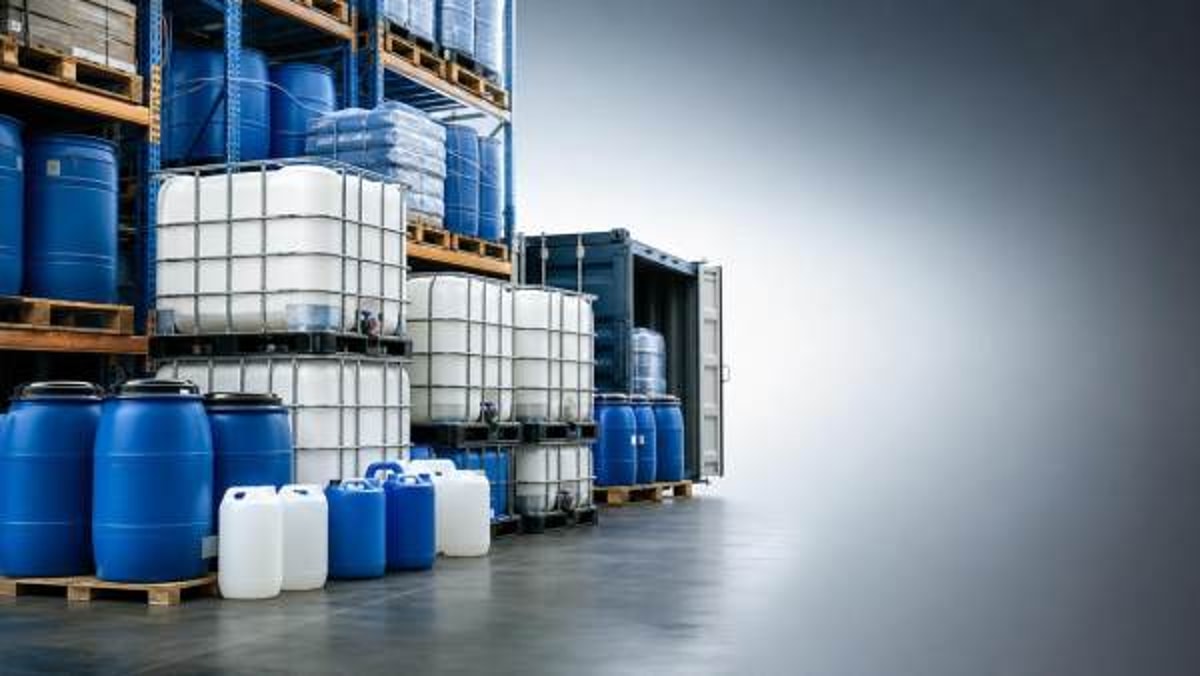
For finance approvers, water treatment chemicals bulk purchasing rarely becomes expensive because of the quoted unit price alone. Costs usually rise through freight volatility, compliance documentation, storage losses, inconsistent quality, and supplier risk hidden deep in contract terms. This article examines where budgets typically expand, helping procurement teams identify avoidable cost drivers before large-volume orders turn into long-term financial pressure.
In industrial agriculture, aquaculture, food processing, biochemical production, and primary manufacturing, water treatment chemicals bulk orders are often treated as routine spend. Yet once annual volume moves from 20 tons to 200 tons, the financial profile changes. Small inefficiencies start compounding across freight, warehousing, dilution control, product stability, and contract enforcement. For finance teams evaluating working capital exposure, landed cost matters more than the ex-works price on the supplier quotation.
The most common mistake is to approve a bulk chemical order based on a single per-kilogram comparison. In practice, procurement teams need a broader cost lens: delivered cost per effective treatment unit, documentation reliability, storage turnover, acceptable quality variance, and supplier response time during disruption. This is especially relevant when buying coagulants, flocculants, biocides, pH adjusters, antiscalants, defoamers, and disinfectant inputs for regulated or high-throughput operations.
Where water treatment chemicals bulk orders usually become more expensive
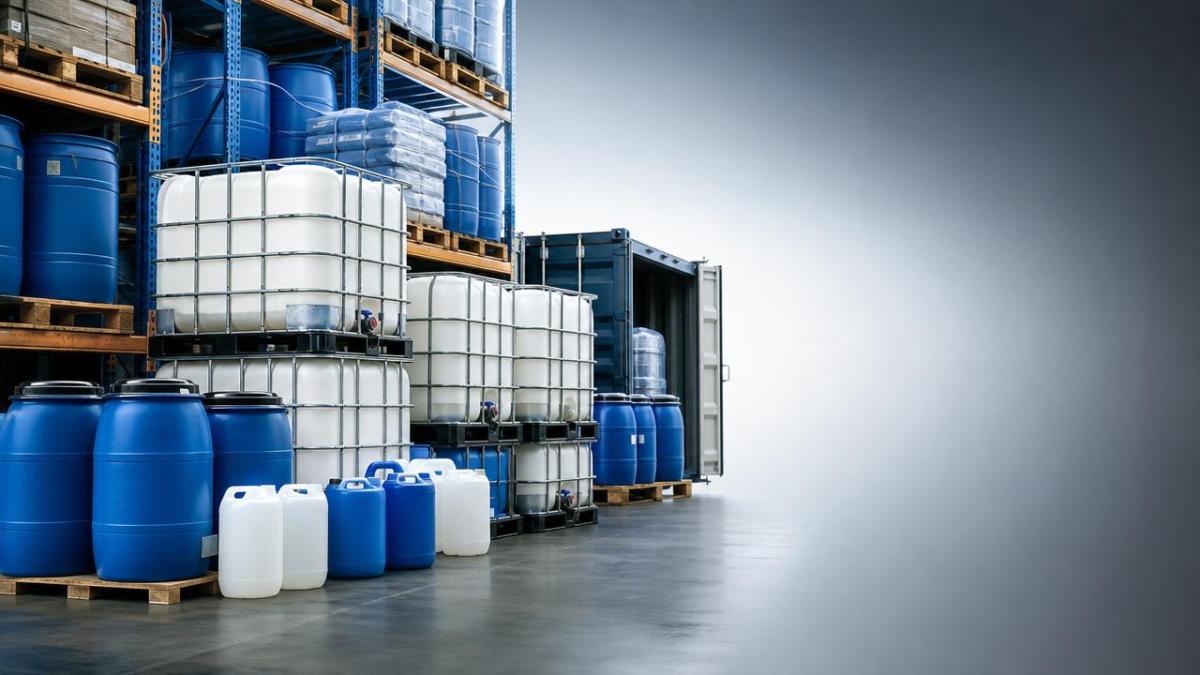
When costs rise, they usually do so in five layers rather than one. The first is logistics, especially for corrosive or hazardous classes that require specialized packing, route restrictions, or additional declarations. The second is compliance, where missing SDS versions, labeling mismatches, or delayed customs files can add 3–10 days to clearance. The third is storage and handling loss, which is often underestimated in finance approvals.
The fourth layer is quality inconsistency. A low-priced batch with active content drifting outside an acceptable range, such as ±2% to ±5%, can increase dosage rates enough to erase any nominal saving. The fifth is supplier risk embedded in payment terms, lead-time exceptions, packaging substitutions, or force majeure language that transfers operational burden back to the buyer.
1. Freight and packaging costs rise faster than unit price savings
For water treatment chemicals bulk procurement, shipping economics can change sharply depending on whether the order moves in drums, IBCs, flexitanks, or isotanks. A nominal 4% unit-price discount can be neutralized if the shipment format reduces payload efficiency by 8%–12% or triggers hazardous cargo surcharges. Inland transport also matters, especially for plants located 300–800 km from port or chemical distribution hubs.
Packaging choice affects not only freight but also labor and waste disposal. Drums may simplify partial use, but they usually increase per-ton packaging cost and handling time. IBCs improve dosing convenience but require return management or disposal planning. For finance approvers, the relevant question is not just “What is the cheapest package?” but “Which package minimizes delivered cost and residual waste per usable ton?”
The comparison below shows how common cost drivers often appear in water treatment chemicals bulk purchasing decisions.
For budget control, this means the procurement review should model at least four landed-cost scenarios rather than relying on a single quote. A 25-ton order and a 100-ton order may have very different exposure profiles even when the supplier and product specification appear identical.
2. Documentation and compliance costs are often hidden until shipment stage
Many finance approvers assume documentation is an administrative detail. In regulated sectors, it is a direct cost line. Water treatment chemicals bulk imports may require updated safety data sheets, certificate of analysis formats aligned with local expectations, dangerous goods declarations, container compatibility records, and in some markets environmental or potable-water-use statements. A missing document can delay production schedules or trigger emergency local purchases at much higher spot prices.
For buyers serving feed mills, fishery systems, food plants, or biochemical operations, documentation also affects audit readiness. If one large order cannot be fully traced by lot, concentration, and delivery date, internal controls become weaker. Finance teams then carry a second-order cost: extra audit work, higher risk reserves, or more conservative reorder policies that increase inventory.
Compliance items that should be checked before approval
- Whether the latest SDS revision matches the shipping country and receiving country requirements
- Whether the certificate of analysis includes the active range, impurities, and batch identity
- Whether packaging labels and UN-related declarations are consistent across all documents
- Whether shelf-life starts at manufacture date or dispatch date
- Whether the supplier can provide document corrections within 24–48 hours if customs queries arise
3. Storage losses are small on paper but large across annual volume
A finance approver may see a 2% storage loss as operational noise. Across 120 tons per year, that is 2.4 tons of non-performing spend before disposal and labor are included. Sensitive chemistries can degrade under heat, sunlight, contamination, or prolonged storage in unsuitable tanks. Even stable products create cost if the plant cannot rotate inventory fast enough within a 60-day, 90-day, or 180-day shelf-life window.
Bulk ordering becomes less efficient when internal consumption patterns are irregular. Seasonal irrigation operations, aquaculture cycle shifts, or variable industrial throughput can all distort reorder assumptions. In these cases, a larger discount at order stage may still produce a worse annual cost profile than staggered deliveries every 4–6 weeks.
How finance teams can evaluate the true cost of large-volume chemical buying
The most useful approval method is to move from quoted price to total effective treatment cost. This means measuring not just the price per ton, but the cost per unit of usable performance after freight, dilution, dosage variance, storage, and payment conditions are included. For water treatment chemicals bulk procurement, this approach gives finance teams a clearer basis for comparing two suppliers whose price sheets look similar but operational profiles differ.
Build a five-part cost model before authorizing annual or quarterly volume
A practical internal model can be built with five categories: product price, logistics, compliance, inventory carrying cost, and performance variance. Even a simple 12-month spreadsheet can reveal where a low bid becomes expensive. If payment is 30% advance and 70% before shipment, the working capital load is different from terms such as net 30 or net 60 after receipt and acceptance.
- Calculate ex-works or FOB price per ton.
- Add freight, port, insurance, inland delivery, and packaging disposal.
- Estimate holding cost for 30, 60, and 90 days of stock.
- Model dosage variance if active concentration shifts by 2%–5%.
- Add contingency cost for delays, retesting, and emergency spot purchases.
If one supplier appears 6% cheaper on paper but requires 45-day higher average inventory and shows less stable concentration, the effective annual cost can easily exceed that of a higher quote. This is why finance and technical procurement should review the same decision file rather than working in parallel.
The table below provides a practical framework for approval-stage assessment of water treatment chemicals bulk orders.
This framework helps transform a purchasing conversation from “Which supplier quoted lowest?” to “Which offer produces the lowest controllable total cost over one quarter or one fiscal year?” That shift is critical in sectors where treatment continuity directly affects throughput, environmental discharge, or crop and livestock outcomes.
Review contract terms that can quietly inflate future costs
Contract language is where many hidden liabilities sit. Water treatment chemicals bulk supply agreements should be reviewed for tolerance language, substitution rights, delivery windows, inspection periods, and remedy procedures. If the seller can substitute packaging format without prior approval, receiving costs may rise. If claims must be filed within 3 days but internal lab verification takes 5–7 days, the buyer may lose recovery rights before nonconformity is confirmed.
Finance approvers should also check whether price validity is linked to feedstock indices, freight clauses, or currency movements. A fixed quote that excludes “exceptional logistics adjustments” is not fully fixed. Even modest exchange swings of 3%–5% can materially affect annual chemical budgets when order frequency is high.
Four clauses worth escalating before signature
- Broad supplier rights to alter shipping schedule by more than 14 days
- Undefined concentration tolerance or no remedy for under-spec batches
- Claims windows shorter than the buyer’s normal receiving and laboratory cycle
- Price adjustment wording tied to undefined freight or raw material events
Common buying mistakes and better alternatives for cost control
The pressure to secure discounts often pushes teams toward larger one-time orders. That strategy works only when storage, cash flow, and consumption are stable. In many cases, the better solution is structured bulk procurement: annual volume commitment with scheduled monthly or bi-monthly releases, dual-source backup for critical chemistries, and clearer acceptance criteria at receipt.
Mistake 1: Buying too much to chase a small unit discount
A 3% price reduction may look attractive, but if average on-site inventory doubles from 30 days to 60 days, the plant absorbs more storage risk, more tied-up capital, and more potential degradation. This is especially relevant where demand is seasonal or treatment dosage varies with water quality fluctuations. Buying 3 shipments of 25 tons over 12 weeks may outperform a single 75-ton purchase.
Mistake 2: Treating all suppliers as interchangeable after specification match
Two products may meet the same headline specification but differ in filtration behavior, dissolution profile, impurity level, or consistency between lots. That is why approval should include a technical-commercial bridge: lab verification, pilot dosage records, and supply-chain checks. For higher-volume use, even a 1%–2% dosage difference can become material over 6 or 12 months.
Mistake 3: Ignoring internal handling cost
Handling cost includes unloading time, transfer labor, personal protective equipment requirements, cleaning, and packaging disposal. These costs are rarely visible on the purchase order, yet they affect the true economics of water treatment chemicals bulk management. A product delivered in a format that saves 20 minutes per transfer event may create measurable annual labor savings when dosing frequency is high.
A better approval checklist for finance and procurement
- Verify delivered cost per ton under at least 2 logistics scenarios.
- Confirm shelf life against planned monthly consumption.
- Request batch variability information and acceptance limits.
- Check all compliance documents before deposit payment.
- Align claim periods with receiving inspection and lab release timing.
- Compare full-year cash flow impact, not just first-shipment price.
What decision-ready buyers should ask suppliers before approving bulk volume
For finance approvers, the most efficient way to reduce overspend is to ask sharper pre-award questions. The goal is not to create more paperwork, but to surface commercial and operational risks before they become budget leakage. In water treatment chemicals bulk negotiations, the quality of supplier answers often predicts the quality of future execution.
Key supplier questions that improve financial visibility
- What is the normal lead time range: 2–3 weeks, 4–6 weeks, or longer under peak demand?
- What concentration tolerance is guaranteed on the certificate of analysis?
- What is the recommended storage temperature and maximum storage duration after delivery?
- Can delivery be split under one contract without repricing each release?
- What documents will be provided before shipment and again at arrival?
- How are quality claims handled if plant testing finishes after customs release but within 7 days?
These questions help distinguish a quote that is merely cheap from a supply arrangement that is financially controllable. They also support more accurate forecasting for quarterly purchasing plans and reduce friction between procurement, operations, quality, and finance.
For organizations operating across agriculture, aquaculture, feed processing, biochemical production, or primary industry utilities, the economics of water treatment chemicals bulk buying are decided by process discipline as much as by supplier pricing. The best approvals are based on usable performance, reliable documentation, controlled logistics, and contract terms that match internal risk tolerance. If you are reviewing large-volume chemical sourcing and want a clearer framework for supplier comparison, cost control, and procurement strategy, contact AgriChem Chronicle to explore tailored market intelligence, technical sourcing support, and more decision-ready solutions.
Related Intelligence
- Aeration & Water TechOcean Alliance Raises Aeration & Water Tech Freight Rates by 18%Aeration & Water Tech freight rates surge 18% by Ocean Alliance—impacting aerators, pumps & smart monitoring gear. Act now to mitigate costs & delays.
- Aeration & Water TechWater treatment chemicals bulk supply: signs a vendor may not be stableWater treatment chemicals bulk buyers: learn the warning signs of an unstable vendor, from price swings and quality drift to weak compliance and delivery risk.
- Aeration & Water TechSwimming pool chlorine tablets wholesale: is slower dissolve always better?Swimming pool chlorine tablets wholesale: discover why slower dissolve is not always better, and how smart buyers compare dosing performance, compliance, and total operating cost.
The Morning Broadsheet
Daily chemical briefings, market shifts, and peer-reviewed summaries delivered to your terminal.
