
Solar Water Pumps Agricultural Sizing Guide
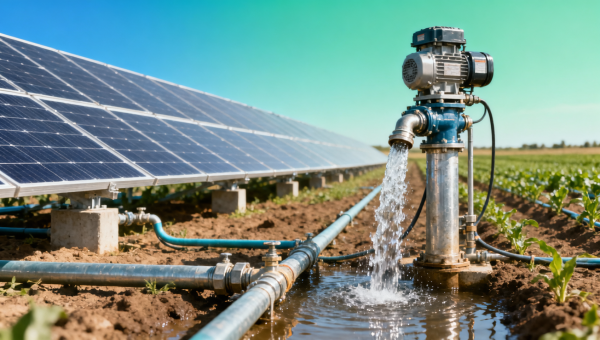
Selecting the right solar water pumps agricultural setup requires more than matching flow and head figures—it demands a clear view of field conditions, power availability, lifecycle cost, and compliance. For buyers comparing submersible deep well pumps, wholesale water pumps for farming, and related tractor implement parts or agricultural diesel engines, this guide outlines the core sizing factors that influence irrigation efficiency, operating risk, and long-term procurement value.
How should buyers size solar water pumps agricultural systems from the start?
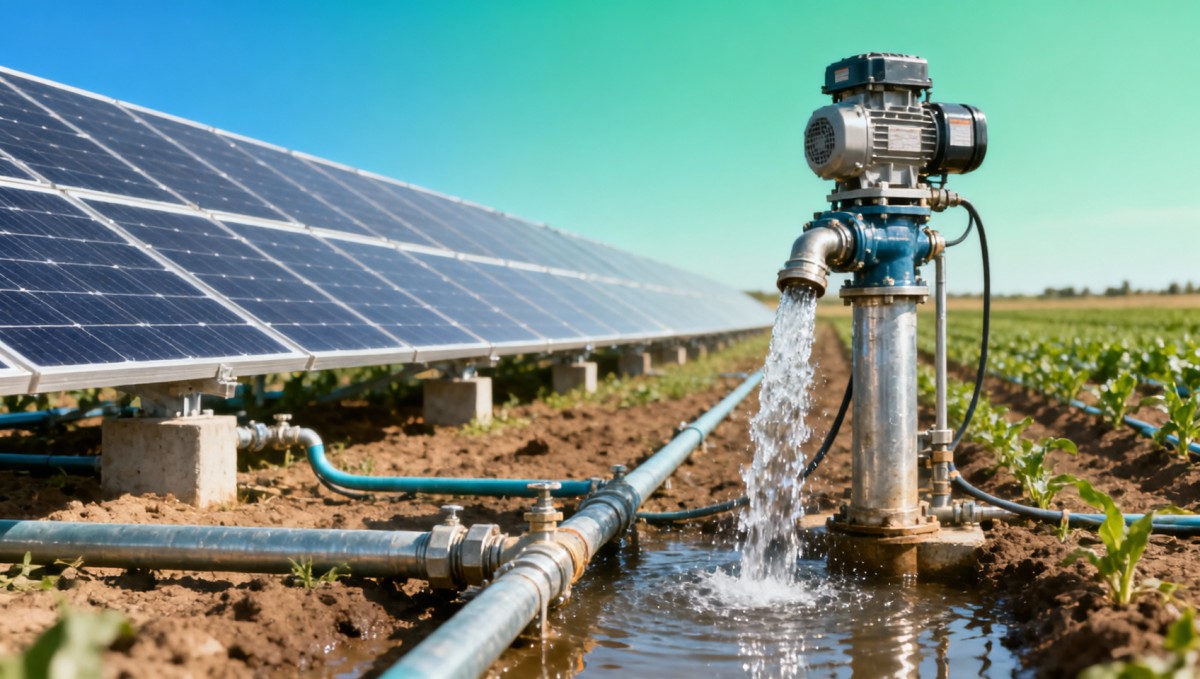
In agricultural procurement, poor pump sizing usually shows up in 3 ways: insufficient water at peak sunlight hours, overinvestment in oversized solar arrays, or unstable operation when seasonal water levels change. A sound solar water pumps agricultural evaluation starts with daily water demand, total dynamic head, pumping window, and the actual irrigation method rather than with motor power alone.
For technical evaluators and project managers, the first question is simple: how many cubic meters must be delivered per day, and within how many effective solar hours? In many farming regions, practical design assumes 4–6 peak sun hours per day, not 10–12 hours of nominal daylight. That difference alone can materially change panel count, controller selection, and storage strategy.
Buyers also need to distinguish between static head and total dynamic head. A borehole that looks manageable at 25 m depth may still require a much stronger pumping system once friction loss, discharge elevation, and pressure needs for sprinklers or drip lines are included. In field practice, friction and distribution losses can add another 10%–25% depending on pipeline length, fittings, and diameter.
This is where AgriChem Chronicle adds decision value. ACC’s editorial strength lies in translating technical variables into procurement logic for industrial buyers, agronomists, and compliance-focused teams. Instead of treating solar water pumps agricultural sizing as a simple catalog exercise, ACC frames it as a systems decision tied to operating continuity, serviceability, and supply chain transparency.
The 4 core sizing inputs every procurement team should verify
- Daily water demand: confirm volume in m³/day based on crop type, planting density, irrigation interval, and expansion plans for the next 1–3 seasons.
- Total dynamic head: include water source depth, drawdown, vertical lift, friction loss, and required outlet pressure for field distribution.
- Solar resource and pumping window: use realistic peak sun hour assumptions and define whether pumping happens directly to field, tank, or hybrid storage.
- Water quality and duty cycle: check sand content, salinity, suspended solids, and expected run time such as 4–8 hours or 8–12 hours per day.
When these 4 inputs are documented early, procurement teams avoid comparing pumps on price alone. That matters especially for distributors, dealers, and financial approvers who need a defendable basis for quotation review, supplier comparison, and expected operating expenditure.
Which technical parameters matter most in real field conditions?
A solar water pumps agricultural system is only as reliable as its weakest parameter match. Flow rate and head are the obvious starting points, but field performance also depends on motor type, pump curve behavior, controller protection logic, pipe layout, and source variability. In procurement practice, teams should evaluate at least 6 technical dimensions before approving a configuration.
Submersible deep well pumps are commonly selected for boreholes and deeper groundwater sources because they reduce suction limitations and improve stable delivery under higher head. Surface pumps may still be suitable for canals, ponds, or shallow reservoirs, particularly where suction lift remains limited and maintenance access is important. The correct choice depends less on preference and more on source geometry and maintenance conditions.
Controller capability is often underestimated. A dedicated solar pump inverter with dry-run protection, overvoltage control, soft start, and low-irradiance adaptation can materially improve uptime. For farms operating in remote areas, the difference between a basic controller and a protected variable-frequency drive can affect failure rates, service intervals, and spare parts planning over 2–5 years.
Water quality is another practical sizing factor. Sand-bearing wells or high suspended solids may require different hydraulic designs, intake protection, or filtration stages. Quality and safety teams should not treat water chemistry as a downstream issue; it directly affects seal wear, impeller life, and maintenance predictability.
Parameter ranges that help structure early evaluation
The table below gives a practical framework for assessing common solar water pumps agricultural sizing scenarios. These are not fixed design values, but they help procurement and engineering teams align discussion before requesting supplier drawings, pump curves, and bill-of-material details.
For procurement teams, these ranges make quote comparison far more rigorous. If one supplier proposes lower motor power but assumes a shorter duty cycle or lower head, the apparent cost advantage may not translate into delivered irrigation performance.
Why pump curves and system curves must be reviewed together
A frequent sourcing mistake is comparing only nominal flow or rated power. In reality, a pump that performs well at one head can become inefficient or unstable at another point on the curve. Project engineers should request the duty point, expected efficiency zone, and low-irradiance behavior rather than relying on headline specifications.
If the system includes long pipe runs, elevation change, or filtration equipment, the system curve becomes more demanding than many buyers initially assume. A robust review should cover at least startup behavior, dry-season drawdown, and partial-load operation. These checks reduce the risk of rework after installation.
How do solar pumping options compare with diesel and grid-backed alternatives?
Many buyers do not evaluate solar water pumps agricultural systems in isolation. They compare them with agricultural diesel engines, grid-powered pumps, or hybrid arrangements. That comparison is especially relevant for business evaluators and finance approvers who need to balance upfront capital, operating stability, fuel exposure, and maintenance burden over a realistic ownership period.
Solar pumping often reduces recurring fuel dependence and can simplify operation in remote fields where grid access is weak or absent. However, it may require a larger upfront investment in modules, mounting structures, and control systems. Diesel systems can offer flexible runtime but usually introduce variable fuel costs, more frequent servicing, and stricter logistics around fuel handling and engine maintenance.
Hybrid systems deserve attention in regions with seasonal irrigation peaks or intermittent cloud cover. For example, a farm may use solar as the primary source during 4–6 strong sun hours and retain diesel or grid backup for emergency irrigation, fertigation timing, or critical nursery applications. This can reduce risk without forcing full dependence on a single energy source.
From an ACC perspective, the stronger procurement model is not “solar versus diesel” in abstract terms, but “which power architecture best matches crop timing, field infrastructure, compliance conditions, and service capacity.” That distinction is crucial for large farms, equipment dealers, and industrial operators managing multiple sites.
Comparison framework for decision-makers
The table below summarizes a practical comparison between common pumping approaches used in farming and primary industry applications. It helps procurement teams move from simple cost discussion to total-use-case evaluation.
The key takeaway is that the cheapest quotation rarely represents the lowest risk. Buyers should compare each option over a 2–5 year operating horizon, with attention to fuel exposure, service accessibility, spare part lead time, and downtime cost during critical irrigation windows.
When is a hybrid arrangement the better procurement choice?
Typical decision triggers
- The farm has seasonal demand spikes that exceed normal daytime solar pumping capacity for 2–8 weeks each year.
- Crop value is high enough that missed irrigation carries material commercial risk.
- The site is remote, but diesel or grid backup is still available for contingency operation.
- Project teams need a phased deployment model, starting with solar and adding backup later.
For distributors and EPC-style partners, hybrid planning can also improve bid competitiveness. It gives end users a more realistic roadmap when budget is constrained in year 1 but reliability requirements remain high.
What should procurement, compliance, and finance teams check before approval?
In B2B sourcing, technical suitability alone is not enough. Procurement teams need document clarity, finance teams need lifecycle visibility, and quality or safety managers need confidence that the installation and operating environment have been properly considered. For a solar water pumps agricultural project, this means reviewing not just hardware, but also the evidence chain behind the proposal.
At minimum, buyers should request a documented sizing basis, pump performance data, electrical architecture, material details for wetted parts, and a list of protection functions. If the system will be used near regulated processing environments or in operations with strict environmental oversight, teams should additionally verify relevant local electrical, water-use, and environmental requirements before site execution.
Lead time and service planning are also critical. Depending on component mix and market conditions, a practical delivery window may range from 2–6 weeks for standard configurations and longer for custom mounting, controls integration, or export documentation. Procurement managers should align payment milestones with inspection points rather than approving solely on shipment promises.
ACC’s value in this stage is editorial rigor. Because its readership includes industrial farming operators, technical reviewers, and global trade professionals, the platform is naturally positioned to support due diligence, supplier assessment logic, and cross-functional decision clarity instead of superficial product promotion.
A practical approval checklist for cross-functional teams
- Confirm the sizing sheet includes water demand, total dynamic head, duty cycle, and assumed peak sun hours.
- Review pump curves and ensure the expected operating point sits within a reasonable efficiency zone.
- Check controller protections such as dry-run, overload, overvoltage, and low-water-level response.
- Assess spare parts availability, field service access, and typical response time for breakdown support.
- Verify documentation needed for customs, installation acceptance, and internal capex approval.
This 5-point structure helps financial approvers and project leaders reduce hidden cost exposure. It also provides a clear basis for comparing wholesale water pumps for farming when multiple suppliers appear similar on headline specifications.
Common risks that delay projects or increase operating cost
One recurring problem is approving equipment before confirming actual borehole drawdown. A well that performs acceptably during a short test may behave very differently during continuous irrigation over 6–8 hours. Another issue is underestimating pipe friction and then compensating later with larger motors or higher panel counts.
Buyers should also avoid treating installation accessories as minor details. Mounting structures, cable quality, non-return valves, sensor placement, and basic filtration can have a direct impact on safety, reliability, and maintenance intervals. In many projects, the cost of corrective field work exceeds the apparent savings from an incomplete initial scope.
FAQ: what do buyers most often ask about solar water pumps agricultural projects?
How do I know whether a submersible deep well pump is necessary?
A submersible deep well pump is generally more suitable when groundwater depth, drawdown, or required discharge pressure makes suction-based operation impractical. If the total dynamic head reaches beyond shallow-source limits or water level varies significantly by season, submersible designs often offer more stable performance. The exact choice should be based on source depth, expected run time, and maintenance access, not just on pump catalog labels.
What is the most common sizing mistake in agricultural solar pumping?
The most common mistake is using instantaneous flow requirements without converting them into a realistic daily pumping plan based on 4–6 effective solar hours. This often leads to either oversized capital investment or underperforming field output. A second frequent error is ignoring friction loss and pressure requirements for drip or sprinkler systems.
Are wholesale water pumps for farming always the lowest-cost choice?
Not necessarily. Lower purchase price can be offset by shorter service life, limited documentation, delayed spare parts, or weak controller protection. Procurement teams should compare total delivered value across at least 4 dimensions: hydraulic suitability, electrical protection, service support, and documentation quality. This is especially important for distributors or resellers who carry reputational risk after installation.
How long does a typical project take from evaluation to deployment?
For standard projects, a practical sequence may include 3 stages: site data collection, technical confirmation, and delivery plus installation planning. Depending on customization level, this can take around 2–6 weeks before full deployment readiness. Projects involving export compliance, remote-site logistics, or hybrid integration may require additional coordination time.
Why work with ACC when evaluating suppliers, configurations, and market direction?
For institutional buyers and industrial farming operators, reliable information is often the difference between efficient deployment and expensive revision. AgriChem Chronicle supports that need by bringing together sector analysis, technical interpretation, and supply chain perspective across agricultural machinery, biochemical processing, and regulated industrial contexts. That breadth is especially useful when solar pumping decisions intersect with broader equipment planning, water management, or primary processing operations.
If your team is comparing solar water pumps agricultural options, ACC can help frame the right questions before you commit budget. That includes parameter confirmation, supplier evaluation logic, trade documentation concerns, configuration comparison, and the practical differences between standalone solar, hybrid, and conventional pumping routes.
For procurement managers, technical reviewers, finance approvers, and project leaders, the most productive next step is not a generic inquiry. It is a structured discussion around 5 items: required flow, total head, site power conditions, delivery timeline, and compliance or documentation needs. With those inputs, quotation review becomes faster, more comparable, and less exposed to rework.
Contact ACC to discuss solar water pump sizing, submersible deep well pump selection, wholesale water pumps for farming comparisons, expected lead times, documentation requirements, and market-facing publishing opportunities for qualified manufacturers or OEMs. This gives your team a clearer path from early research to defensible procurement decisions.
Related Intelligence
- Aeration & Water Tech2026 Shanghai Fastener Show Adds Aeration & Water Tech ZoneAeration & Water Tech Zone debuts at 2026 Shanghai Fastener Show—featuring corrosion-resistant fasteners for aquaculture & wastewater systems. Discover engineered, smart connection solutions.
- Aeration & Water Tech2026 Shanghai Fastener Show Highlights Aeration & Water TechAeration & Water Tech takes center stage at the 2026 Shanghai Fastener Show — discover energy-efficient, IoT-enabled aeration systems, global procurement trends, and smart infrastructure integration.
- Aeration & Water TechCIBF2026 Marks Earth Day: Zero-Carbon Factory Policy & Battery Recycling AccelerateZero-carbon factory policy & battery recycling take center stage at CIBF2026—key for lithium battery, PV, smart greenhouse, and RAS exporters targeting EU/US markets.
The Morning Broadsheet
Daily chemical briefings, market shifts, and peer-reviewed summaries delivered to your terminal.
