
Tractor Implement Parts That Fail Most Often
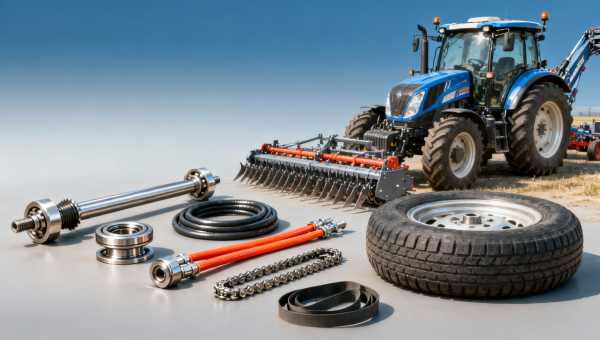
From pto drive shafts bulk demand to recurring failures in tractor implement parts, knowing which components break first can reduce downtime, protect margins, and improve procurement decisions. This guide examines the most failure-prone parts across working fleets, with practical context for buyers evaluating agricultural tires wholesale, agricultural diesel engines, square baler machine, round baler machine, and related farm equipment systems.
Which Tractor Implement Parts Fail Most Often in Real Working Conditions?
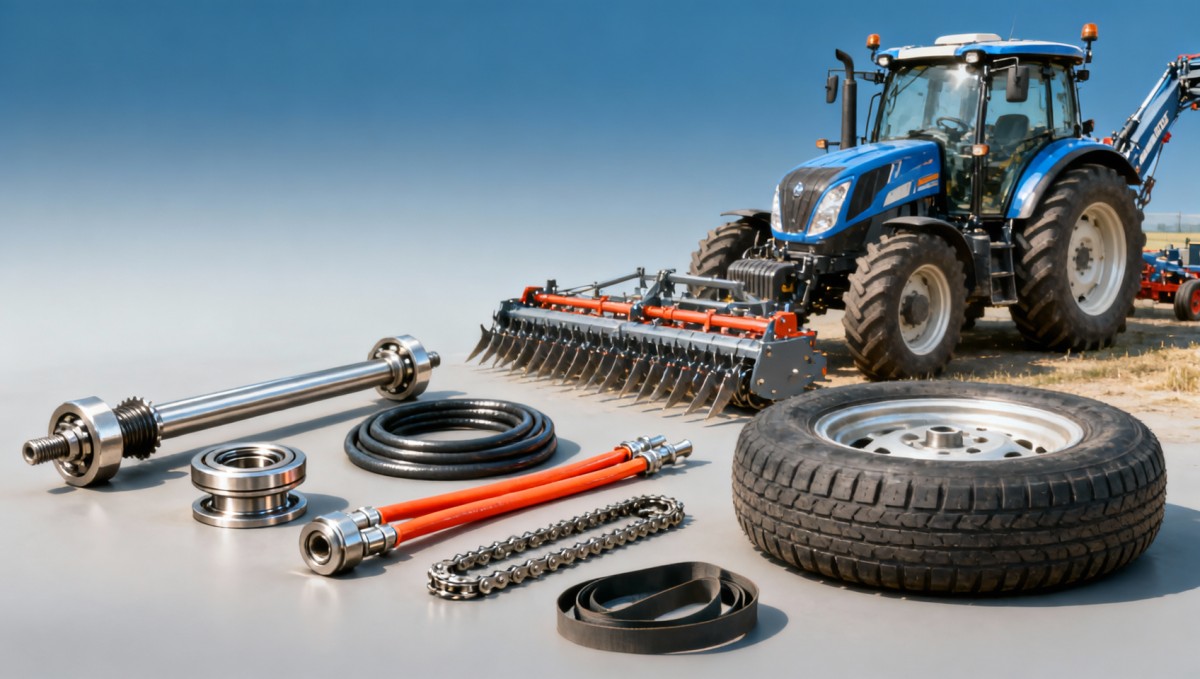
In field operations, tractor implement parts rarely fail at random. Most breakdowns follow predictable stress patterns linked to torque load, contamination, vibration, seasonal overuse, and deferred maintenance. For procurement teams, this matters because the highest-risk parts are often low-cost items individually, yet they can stop a machine for 6–24 hours and disrupt labor planning, fuel usage, and harvest timing.
Across balers, mowers, tillage tools, spreaders, and trailer systems, the most failure-prone components usually include PTO shafts, universal joints, bearings, seals, hydraulic hoses, cutting elements, belts, chains, tires, and wear bushings. These parts sit at the interface between motion and resistance. When field debris, uneven terrain, overload starts, or poor lubrication are present, failure frequency rises quickly over a single planting or harvest cycle.
Technical evaluators should separate catastrophic failure from consumable wear. A bearing running hot after 300–800 operating hours is different from a PTO yoke cracking under shock load. The first is a maintenance planning issue. The second may indicate a mismatch in shaft rating, driveline angle, operator training, or implement setup. That distinction is central to cost control and supplier accountability.
For distributors, project managers, and financial approvers, the useful question is not only “what breaks?” but “what breaks early, what halts production, and what can be standardized across fleets?” In mixed-fleet environments, parts rationalization can reduce SKU complexity by 15%–30% when common wear categories are mapped correctly.
High-frequency failure categories buyers should track
- Driveline parts: PTO shafts, safety clutches, universal joints, telescoping tubes, and yokes exposed to torque spikes and angle misalignment.
- Rotating support parts: bearings, hubs, seals, and bushings affected by dust ingress, water washout, and missed grease intervals every 8–50 hours depending on duty.
- Hydraulic parts: hoses, couplers, valve seals, and cylinders vulnerable to abrasion, pressure cycling, and contamination from poor handling.
- Ground-contact and crop-contact parts: knives, tines, pickup teeth, chains, sprockets, belts, and agricultural tires subject to abrasion and impact.
This prioritization is especially relevant for organizations sourcing square baler machine and round baler machine parts in volume. Both machines combine rotation, compression, crop ingestion, and variable load, making them sensitive to wear progression that can move from a low-value part to a gearbox or chamber failure if not intercepted early.
How Do Failure Patterns Differ by Implement Type and Workload?
Different implements fail differently because their stress profile is different. A mower faces blade impact and high-speed rotation. A baler sees intermittent slug feeding, chain load, pickup wear, and knotting or wrapping pressure. A tillage implement absorbs shock through shanks, hubs, and frame joints. That is why parts planning should be application-specific rather than built around a generic “tractor spare parts” list.
For information researchers and procurement officers, a useful benchmark is to classify failure exposure into three operating bands: light seasonal use, moderate weekly use, and intensive daily use. The same bearing or hose may perform acceptably for 2–3 seasons in light service but need replacement inside 1 season in high-dust or heavy-acreage work.
The table below helps compare which tractor implement parts fail most often by machine category and what usually causes the issue first. It is designed for buyers balancing stock depth, lead time, and emergency replacement risk across multiple implement families.
The comparison shows why field performance cannot be judged by part price alone. A low-cost pickup tooth is operationally important if it causes feed inconsistency, while a mid-cost hose becomes critical when a hydraulic leak stops a machine in peak harvest. Buyers should evaluate replacement urgency, not just invoice value.
What changes under heavy-duty use?
When implements run for 8–12 hours per day across a compressed 2–6 week season, maintenance intervals become shorter and error tolerance drops. Bearings that survive under moderate use may run hotter due to dust packing. PTO shafts may fail sooner if operators turn too sharply under load. Chains stretch faster when lubrication is inconsistent or crop residue traps abrasive material.
This is where duty cycle mapping helps. A fleet buyer should ask whether the machine works intermittently, continuously, or under repeated shock load. The answer determines whether to favor standard replacement stock, upgraded sealing, higher torque driveline parts, or bundled preseason service kits.
Three field signals that predict early parts failure
- Unusual heat near bearings, hubs, or gearbox interfaces after 1–2 hours of operation.
- Visible vibration, chain slack, belt tracking problems, or irregular crop feed before productivity drops.
- Recurring grease purge contamination, hose scuffing, or PTO guard damage that suggests installation or alignment issues.
What Should Procurement Teams Check Before Ordering Replacement Parts?
For B2B sourcing, replacement speed is only one part of the decision. Technical compatibility, supplier documentation, interchangeability, and inventory strategy matter just as much. Procurement teams often lose time when ordering by visual similarity instead of torque rating, bore size, seal type, pressure class, or implement duty profile. That mistake is common in pto drive shafts bulk purchasing and mixed-brand fleet support.
A practical rule is to screen every critical tractor implement part against five checkpoints: fit, load, environment, maintenance interval, and lead time. If any of these are unclear, the lowest quoted price may become the highest total ownership cost. Financial approvers and commercial evaluators should insist on this technical-commercial linkage before issuing repeat orders.
The next table is useful for spare parts selection, vendor comparison, and internal approval. It focuses on common replacement categories such as PTO components, bearings, hoses, tires, and engine-adjacent accessories linked to agricultural diesel engines and attached implement systems.
A structured buying process reduces rushed substitutions. In most cross-border or multi-site projects, buyers should allow 7–15 days for routine spare consolidation and 2–4 weeks where custom hose assemblies, non-standard PTO lengths, or mixed implement kits are involved. Planning by season rather than by emergency order usually produces better pricing and fewer compatibility errors.
A 4-step procurement screen for critical wear parts
- Collect machine data: implement type, tractor horsepower range, connection dimensions, and work intensity.
- Classify by urgency: shutdown-critical, productivity-reducing, or routine consumable.
- Check supplier evidence: drawings, interchange notes, material specification, packaging traceability, and lead time commitment.
- Approve stocking model: central warehouse, seasonal field stock, or dealer-based replenishment every 30–90 days.
For quality and safety managers, this workflow also supports audit readiness. Parts that affect guarding, hydraulic containment, braking, or rotating assemblies should never be sourced without basic dimensional confirmation and use-case review. Even where no brand-specific certification is mandated, documented specification control remains essential.
How Can Buyers Reduce Downtime, Cost, and Compliance Risk?
The most effective cost reduction strategy is not simply buying cheaper tractor implement parts. It is separating fast-moving wear items from high-consequence components and then aligning service intervals, stock levels, and supplier communication. A failed $20 sealing element can lead to a larger loss if a baler or trailer sits idle during a narrow weather window. Downtime cost often outweighs part cost within the same day.
For project managers and distributors, a sensible inventory model uses three bands. Band one covers daily or weekly wear items such as pickup teeth, common bearings, hoses, and chain connectors. Band two covers monthly or seasonal replacements like complete PTO shaft assemblies or tire replacements. Band three covers low-frequency but critical items that require confirmed compatibility before purchase.
In regulated or compliance-sensitive supply chains, documentation also matters. Agricultural equipment procurement may intersect with safety guarding requirements, hydraulic fluid containment expectations, transport regulations, and import documentation. ACC’s editorial focus on agricultural and primary processing sectors is especially valuable here because technical content and sourcing guidance must work together, not separately.
Common cost-control mistakes
- Buying on unit price only, without estimating the 1-day or 3-day downtime impact during peak operation.
- Treating all bearings or hoses as interchangeable despite clear differences in sealing, temperature, and pressure class.
- Ignoring storage conditions for rubber, seals, belts, and hose assemblies, which can degrade before installation.
- Ordering agricultural diesel engines or engine-linked accessories without matching cooling, filtration, and duty cycle to attached implement load.
A practical preventive approach
Set inspection intervals by risk, not habit. High-speed rotating parts may need review every 8–20 operating hours in dusty use. Hydraulic hose routing should be checked weekly during intensive seasons. Tires, hubs, and wheel hardware should be inspected before transport runs and after impacts. This type of schedule is more useful than a generic maintenance calendar because it reflects actual failure modes.
For enterprises managing multiple farms, dealers, or contractors, the biggest gains often come from standardizing 10–20 top failure items and building a replacement matrix by implement family. That makes emergency approval faster, keeps procurement language consistent, and simplifies supplier comparisons.
FAQ: What Do Technical Evaluators and Buyers Ask Most Often?
The questions below reflect common search intent around tractor implement parts, replacement planning, and fleet reliability. They are especially relevant for buyers comparing pto drive shafts bulk orders, agricultural tires wholesale options, and wear-part stocking for balers, mowers, and tillage implements.
How do I identify whether a PTO shaft is failing or just needs service?
Look for vibration, joint looseness, damaged guards, irregular noise under load, and visible wear on telescoping tubes. If greasing restores smooth travel and there is no cracking or play, service may be enough. If the shaft shows twist marks, yoke damage, guard failure, or repeated heating after short operation, replacement is the safer decision. In bulk procurement, always verify both ends, length range, and torque class.
Which parts should be stocked before the season starts?
Focus on the 5–10 parts that combine high failure probability with short shutdown tolerance. For many fleets, these include common bearings, seals, hydraulic hoses, chain links, pickup teeth, belts, tire repair items, and at least one matched PTO assembly for critical implements. Pre-season stocking is most valuable when delivery risk exceeds 7–10 days or field access is remote.
Are agricultural tires a major source of implement downtime?
Yes, especially on transport-heavy implements and mixed field-road use. Tire issues may not be as frequent as bearing wear, but they can be highly disruptive. Sidewall cuts, underinflation damage, hub stress, and uneven tread wear can halt movement or create safety issues. Buyers of agricultural tires wholesale should match load and terrain rather than choosing by size alone.
What is the most common procurement mistake for baler parts?
Ordering by visual similarity and not by operating function. On a square baler machine or round baler machine, a chain, bearing, belt, or pickup element may look interchangeable but differ in tensile requirement, sealing design, or installation geometry. This creates repeat failures and hidden labor cost. Request dimensional confirmation, application notes, and replacement mapping before approving volume purchases.
Why Work with AgriChem Chronicle When Evaluating Failure-Prone Equipment Parts?
For institutional buyers and industrial farming operators, the challenge is rarely just finding a part number. The challenge is deciding which tractor implement parts deserve stock priority, which supplier claims are technically meaningful, and which replacements fit both operational and compliance expectations. AgriChem Chronicle addresses that gap through sector-focused analysis across agricultural machinery, processing systems, and regulated industrial supply chains.
Because ACC serves readers ranging from agronomists and procurement directors to project leaders and distributors, the emphasis stays practical: failure points, technical context, sourcing risk, and commercial consequence. That is especially useful when comparing agricultural diesel engines, baler systems, PTO assemblies, hydraulic components, and other interdependent equipment categories rather than reviewing parts in isolation.
If you are reviewing recurring failures, planning pto drive shafts bulk procurement, checking agricultural tires wholesale options, or building a preventive stock list for square baler machine and round baler machine fleets, ACC can support the decision process with structured topic coverage and industry-grounded evaluation criteria.
Contact us for decision support that is specific and usable
You can consult ACC for parameter confirmation, replacement category analysis, supplier comparison logic, lead-time planning, and application-specific content development. If your team needs support around torque matching, hose specification review, wear-part stocking strategy, delivery cycle assessment, documentation expectations, or quotation comparison, ACC provides a stronger basis for technical and commercial alignment.
This is particularly valuable for procurement teams, quality managers, and distributors who must justify decisions across performance, budget, and risk. A clearer view of which tractor implement parts fail most often helps you reduce emergency purchases, improve forecast accuracy, and make more defensible sourcing choices before the next high-pressure season begins.
Related Intelligence
- Heavy Agri MachineryIndia Launches Anti-Dumping Review on Chinese TractorsIndia's anti-dumping review on Chinese tractors may raise duties from 22.3% to 28.5% — critical for exporters, distributors & supply chain teams. Act now.
- Heavy Agri MachineryIndia Launches AD Review on Chinese Tractors, Tariff May Rise to 28.5%India's AD review on Chinese tractors may raise tariffs to 28.5% — critical insights for exporters, importers & agri-machinery stakeholders.
- Heavy Agri MachineryIndia Launches Anti-Dumping Review on Chinese TractorsIndia's anti-dumping review on Chinese tractors (≥50HP, smart hydraulic suspension) may raise duties to 22.5–28.5%. Exporters, CKD assemblers & suppliers: act now to assess risk and compliance.
The Morning Broadsheet
Daily chemical briefings, market shifts, and peer-reviewed summaries delivered to your terminal.
