
How to Avoid Low-Grade Wholesale Farm Tires
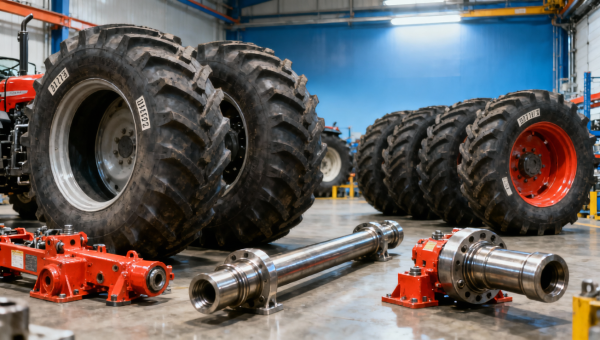
Sourcing reliable farm equipment starts with knowing how to avoid low-grade wholesale farm tires that undermine safety, uptime, and total cost. For buyers comparing agricultural tires wholesale options alongside tractor implement parts, pto drive shafts bulk, solar water pumps agricultural systems, submersible deep well pumps, and agricultural diesel engines, this guide outlines the technical, compliance, and supplier-verification factors that separate durable products from costly procurement mistakes.
Why do low-grade wholesale farm tires create hidden procurement risks?
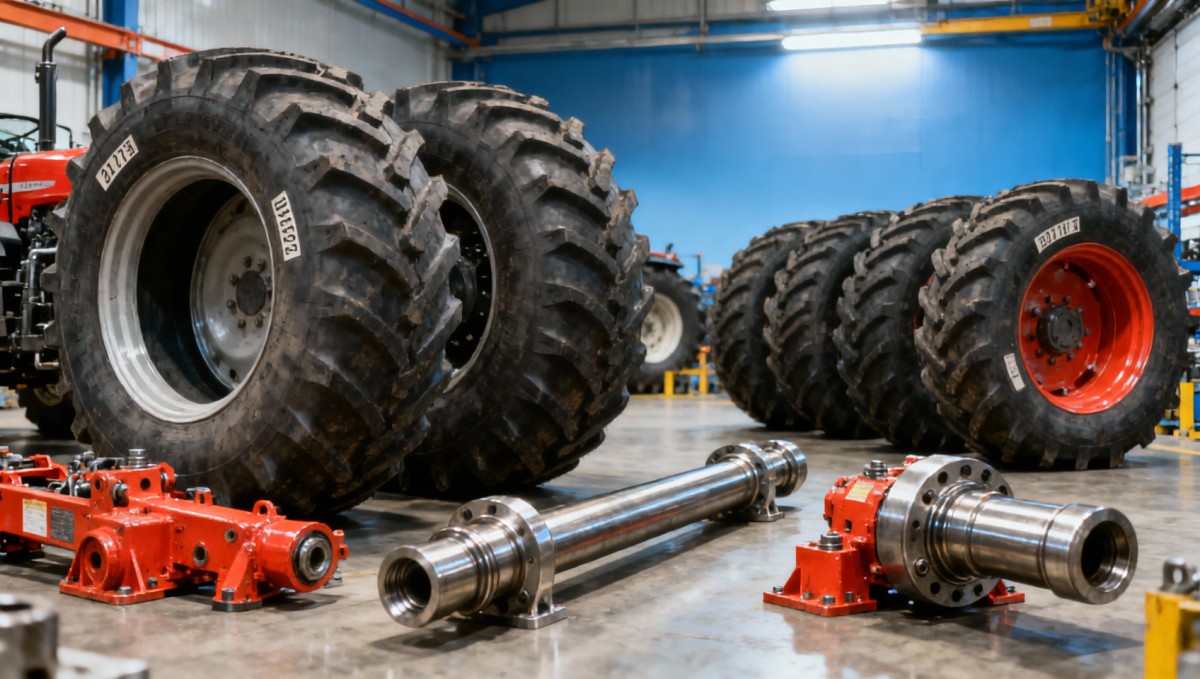
In agricultural and primary industry procurement, the price of a tire is only one part of the decision. Low-grade wholesale farm tires often fail through bead separation, weak sidewalls, irregular tread wear, or poor heat resistance. These failures can appear within one planting or hauling cycle, especially under heavy loads, road-field transitions, and long operating hours that commonly exceed 6–10 hours per day during peak season.
For technical evaluators and quality managers, the risk is not limited to replacement cost. A substandard tire can reduce traction, increase soil compaction, strain axles, and delay field schedules by 1–3 days if spare stock is unavailable. For finance and project teams, this means a low purchase price can quickly turn into a higher total cost of ownership through downtime, labor loss, transport delays, and emergency sourcing.
This issue matters across integrated procurement programs. Buyers rarely source farm tires in isolation. They often evaluate wholesale farm tires together with tractor implement parts, pto drive shafts bulk supply, agricultural diesel engines, and water pumping equipment. If one category fails basic durability or traceability checks, it can indicate broader supplier instability across the machinery portfolio.
For information researchers and commercial teams, the key lesson is simple: avoid judging agricultural tires wholesale offers by unit price alone. In regulated and performance-sensitive supply chains, reliable sourcing depends on material integrity, tested specifications, lot consistency, and transparent manufacturing records. This is exactly where a specialist publication such as AgriChem Chronicle adds value by connecting machinery buying decisions with technical review and supply chain intelligence.
- Operational risk: punctures, casing damage, tread chunking, and irregular wear under mixed field-road duty cycles.
- Procurement risk: inconsistent batch quality, missing technical data, unclear origin, and vague warranty terms.
- Financial risk: unplanned replacement intervals, machine idle time, and higher logistics cost for urgent replenishment.
- Compliance risk: incomplete labeling, weak documentation, and insufficient traceability for institutional buyers.
What should buyers check first when evaluating agricultural tires wholesale offers?
The fastest way to avoid low-grade wholesale farm tires is to standardize the first-round screening process. Procurement teams should review at least 5 core checkpoints before comparing quotations: tire size accuracy, ply or load rating, tread pattern suitability, material consistency, and supplier documentation. Without this baseline, even experienced buyers can end up comparing non-equivalent products that only look similar in the quotation sheet.
Technical teams should also confirm the application profile. A tire intended for row-crop tractors, trailers, irrigation support vehicles, or mixed on-road hauling will have different design priorities. Typical variables include load range, inflation pressure window, lug depth, stubble resistance, and sidewall flexibility. If a supplier cannot ask these questions within the first 2–3 conversations, that is a warning sign.
The table below helps procurement, engineering, and commercial stakeholders identify whether a wholesale farm tire offer is technically usable, commercially comparable, and operationally safe. It is especially useful when evaluating suppliers that also offer tractor implement parts or pto drive shafts bulk packages as part of a bundled deal.
A practical reading of this table is that technical fit and documentation should be screened before price ranking. When batch traceability is weak or fitment data is incomplete, the negotiation may still look attractive, but the operational risk remains high. In wholesale purchasing, one incorrect tire specification repeated across 20–50 units can become a very expensive mistake.
Three first-round qualification questions
Before requesting final pricing, ask suppliers three direct questions. First, what load and speed conditions does this tire support in actual agricultural use? Second, can the supplier provide batch-level inspection or production references? Third, what is the typical lead time for repeat orders: 7–15 days from stock or 3–6 weeks for production? Clear answers save time in later approvals.
If the supplier responds only with catalog photos and basic dimensions, do not move too fast. Serious agricultural tires wholesale suppliers should be able to discuss tread type, recommended application, material controls, packaging method, and claim handling procedure. That level of clarity separates trading activity from dependable industrial supply.
For distributors and agents, this first-round review is also a brand protection step. Selling low-grade wholesale farm tires under local channel relationships can create warranty disputes and reputational damage that are much harder to repair than the initial margin gained from a cheaper order.
Which technical indicators reveal tire quality before you place a bulk order?
In bulk procurement, visible appearance is not enough. Buyers need a technical checklist that reveals whether a tire will perform under load, in mud, on stubble, or during transport. At minimum, review 6 technical indicators: tread depth consistency, bead construction, sidewall thickness behavior, load rating, inflation recommendation, and heat management under continuous service. These points are especially relevant for fleets working through seasonal peaks of 2–4 months.
The highest-risk quality failures usually begin where stress concentrates. The bead area must seat properly on the rim without deformation. The sidewall must flex without cracking under repeated field turns. The tread lugs should show uniform geometry rather than sharp inconsistencies that can signal poor molding or inadequate curing. When any of these indicators are weak, service life shortens quickly.
For project managers and equipment integrators, technical evaluation should also consider how tires interact with machine configuration. Agricultural diesel engines, pto drive shafts bulk assemblies, and implement loads all influence torque transfer and ground pressure. A tire that is technically underspecified can affect driveline efficiency and field output, even if it does not fail immediately.
The following comparison table can support cross-functional review. It is structured for buyers who need a fast distinction between low-grade, acceptable, and procurement-ready wholesale farm tires without relying on brand claims alone.
This comparison becomes more useful when combined with physical sample review and a supplier document pack. If two offers are within a narrow price gap of 3%–8%, choose the one with clearer technical support and better repeat-order consistency. That decision usually delivers better value over 12–24 months of equipment operation.
How to assess fit by operating scenario
Not every farm tire should be judged by the same standard. Row-crop work often emphasizes traction and lower soil disturbance. Trailer duty may prioritize load and transport stability. Irrigation support and utility vehicles can face more road transitions and puncture exposure. A supplier that cannot map tire choice to these scenarios may be pushing generic inventory rather than solving field conditions.
Scenario-based checks for mixed equipment fleets
- For tractors paired with heavy implement loads, verify load reserve under turning and uneven terrain, not just static capacity.
- For transport trailers running field-to-road cycles, confirm heat control and tread wear behavior during continuous travel windows of 1–3 hours.
- For equipment operating near solar water pumps agricultural installations or submersible deep well pumps, consider puncture exposure, wet soil grip, and seasonal idle periods.
This scenario method helps technical and commercial teams speak the same language. Instead of arguing over catalog terms, they can evaluate whether the tire supports the actual operating environment, maintenance schedule, and fleet utilization plan.
How can you verify supplier reliability, compliance, and delivery discipline?
Avoiding low-grade wholesale farm tires is not only about the product. It is also about supplier control. In industrial and cross-border procurement, one reliable shipment is not enough. Buyers should check whether the supplier can maintain quality over multiple lots, support repeat documentation, and communicate lead times honestly. A dependable vendor usually presents a stable process, not just a low quotation.
For quality and safety managers, documentation depth matters. Request specification sheets, inspection references, packaging details, and warranty boundaries. For importers and distributors, confirm labeling consistency, country-of-origin documentation, and batch identifiers. For project-based buyers, ask how the supplier handles changes in order quantity, for example from 30 units to 120 units within one season.
AgriChem Chronicle’s editorial strength is especially relevant here because modern procurement sits inside regulated, multi-category supply chains. The same discipline used to evaluate machinery, fine chemicals, and process equipment also improves farm tire sourcing: traceability, technical review, compliance awareness, and evidence-based vendor comparison. That cross-sector lens helps buyers see risks that are easy to miss in surface-level catalog sourcing.
A practical supplier audit does not need to be overly complicated. In most cases, a 4-step qualification flow is enough to filter out weak candidates before commercial negotiation becomes too deep.
- Document screening: confirm specifications, batch marking format, warranty terms, and packaging method within the first review cycle.
- Sample or image verification: inspect sidewall marking, tread consistency, bead finish, and visible manufacturing quality.
- Delivery validation: verify standard lead time, such as 7–15 days from stock or 20–45 days for production, plus packing and loading method.
- Repeat-order confidence: ask how specification consistency is maintained across at least 2–3 future lots.
Where compliance is part of the tender process, buyers should use general international good practice: require clear technical labeling, safe packaging, transparent origin data, and commercially reasonable after-sales procedures. Even when no single farm tire certification dominates every market, documentation discipline remains a strong predictor of supply reliability.
Red flags that usually justify supplier rejection
Reject or downgrade a supplier if they repeatedly avoid technical details, cannot explain fitment differences, or keep changing specification language between messages. Other warning signs include incomplete product markings, no batch reference, unstable lead time statements, and quotations that omit packaging, claim handling, or replacement terms.
Another common issue is over-bundling. Some sellers combine wholesale farm tires with tractor implement parts, pto drive shafts bulk inventory, and water pump products in one broad offer, but provide weak technical depth in each category. Bundled sourcing can be efficient, but only if each product line survives technical review on its own merits.
For enterprise decision-makers, this is where disciplined media intelligence and technical content matter. Sound procurement is built on verified comparisons, not on catalog convenience. A trusted industrial journal can reduce internal review time by helping teams frame the right questions before they reach the quotation stage.
What mistakes do buyers make most often, and how should they compare cost versus value?
The most common mistake is equating low upfront price with savings. In reality, low-grade wholesale farm tires often shorten replacement intervals and increase service calls. A tire that costs 8% less but lasts one season instead of two can become the more expensive option once labor, transport, downtime, and emergency replacement are included. This is especially relevant for fleets operating across planting, irrigation, and harvest cycles.
A second mistake is copying another project’s specification without checking machine load, field conditions, and transport frequency. A trailer running mostly on paved or compacted roads needs a different evaluation than a tractor spending most of its time in wet fields. Buyers should compare total use profile over 12 months, not just identical nominal size.
A third mistake is treating service response as secondary. In B2B procurement, a replacement process that takes 2 days versus 2 weeks changes operating economics. This is why distributors, agents, and project leads should rank after-sales clarity, spare availability, and repeat-order support alongside price and specification.
The cost-value view below helps finance approvers and procurement teams compare offers more realistically when sourcing agricultural tires wholesale for fleets, dealer stock, or project installations.
- Direct cost: unit price, inland freight, packaging, and replacement stock planning.
- Operating cost: downtime hours, labor for replacement, fuel efficiency impact, and machine utilization loss.
- Risk cost: claim disputes, inconsistent repeat batches, delayed projects, and channel reputation damage.
- Strategic value: supplier responsiveness, documentation discipline, and fit with multi-category procurement planning.
FAQ for B2B buyers comparing wholesale farm tires
How many samples should we review before a bulk purchase?
For standard wholesale farm tire procurement, reviewing 1–3 representative samples or a verified production batch reference is usually a practical starting point. If the order covers several sizes or multiple machine types, expand the review to each critical specification. The goal is not statistical certification; it is to confirm consistency before committing to a wider lot.
What delivery lead time is normal for agricultural tires wholesale orders?
A normal range can be 7–15 days for ready stock and 3–6 weeks for production-based orders, depending on size mix, season, and export arrangements. Buyers should always ask whether the quoted lead time covers only factory release or the full packing and dispatch process. That distinction affects project scheduling.
Is a bundled machinery quotation automatically more efficient?
Not always. Bundling wholesale farm tires with tractor implement parts, pto drive shafts bulk items, solar water pumps agricultural equipment, or agricultural diesel engines can reduce transaction time, but only if each category has separate technical clarity and support. Efficiency without specification discipline usually shifts risk downstream.
What is the best way to reduce low-grade sourcing risk?
Use a structured review with 3 layers: product fitment, supplier traceability, and repeat-order capability. If any one of these layers is weak, pause the purchase. This method is more reliable than relying on price, photos, or generic claims about durability.
Why work with a specialized industrial intelligence partner before you buy?
When procurement decisions affect uptime, compliance, and budget approval, buyers need more than a list of vendors. They need a framework for technical comparison and supply chain judgment. AgriChem Chronicle supports that need by bringing together sector-specific analysis across agricultural and forestry machinery, feed and grain processing, aquaculture technology, and tightly regulated industrial supply chains where documentation and traceability are not optional.
For information researchers, ACC helps narrow the market and identify what questions actually matter. For technical evaluators, it clarifies performance criteria and risk indicators. For procurement and finance teams, it improves alignment between price review, lifecycle cost, and supplier credibility. For decision-makers and distributors, it reduces exposure to weak sourcing choices that can disrupt field operations or channel reputation over the next 1–2 operating seasons.
If you are comparing wholesale farm tires alongside related agricultural equipment categories, ACC can support more informed decisions around parameter confirmation, application matching, delivery timelines, documentation expectations, and supplier screening logic. This is particularly useful when internal teams must coordinate technical review, business approval, and project scheduling within a short procurement window.
Contact us if you need help with tire specification review, agricultural tires wholesale comparison, supplier shortlisting, lead-time assessment, bundled sourcing evaluation, documentation requirements, sample review priorities, or quotation analysis for multi-category procurement. A focused discussion at the start of the process can prevent expensive sourcing errors later.
Related Intelligence
- Heavy Agri MachineryIndia Launches Anti-Dumping Review on Chinese TractorsIndia's anti-dumping review on Chinese tractors may raise duties from 22.3% to 28.5% — critical for exporters, distributors & supply chain teams. Act now.
- Heavy Agri MachineryIndia Launches AD Review on Chinese Tractors, Tariff May Rise to 28.5%India's AD review on Chinese tractors may raise tariffs to 28.5% — critical insights for exporters, importers & agri-machinery stakeholders.
- Heavy Agri MachineryIndia Launches Anti-Dumping Review on Chinese TractorsIndia's anti-dumping review on Chinese tractors (≥50HP, smart hydraulic suspension) may raise duties to 22.5–28.5%. Exporters, CKD assemblers & suppliers: act now to assess risk and compliance.
The Morning Broadsheet
Daily chemical briefings, market shifts, and peer-reviewed summaries delivered to your terminal.
