
Agricultural Tires Wholesale Cost Breakdown
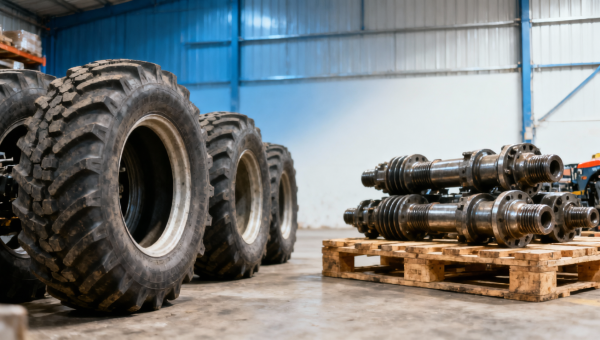
Understanding the real cost of agricultural tires wholesale requires more than comparing unit prices. For procurement teams evaluating tractor implement parts, pto drive shafts bulk supply, and supporting systems such as solar water pumps agricultural or agricultural diesel engines, total ownership cost depends on materials, logistics, compliance, durability, and supplier reliability. This breakdown helps buyers, technical reviewers, and decision-makers assess pricing with greater confidence.
What actually shapes agricultural tires wholesale pricing?
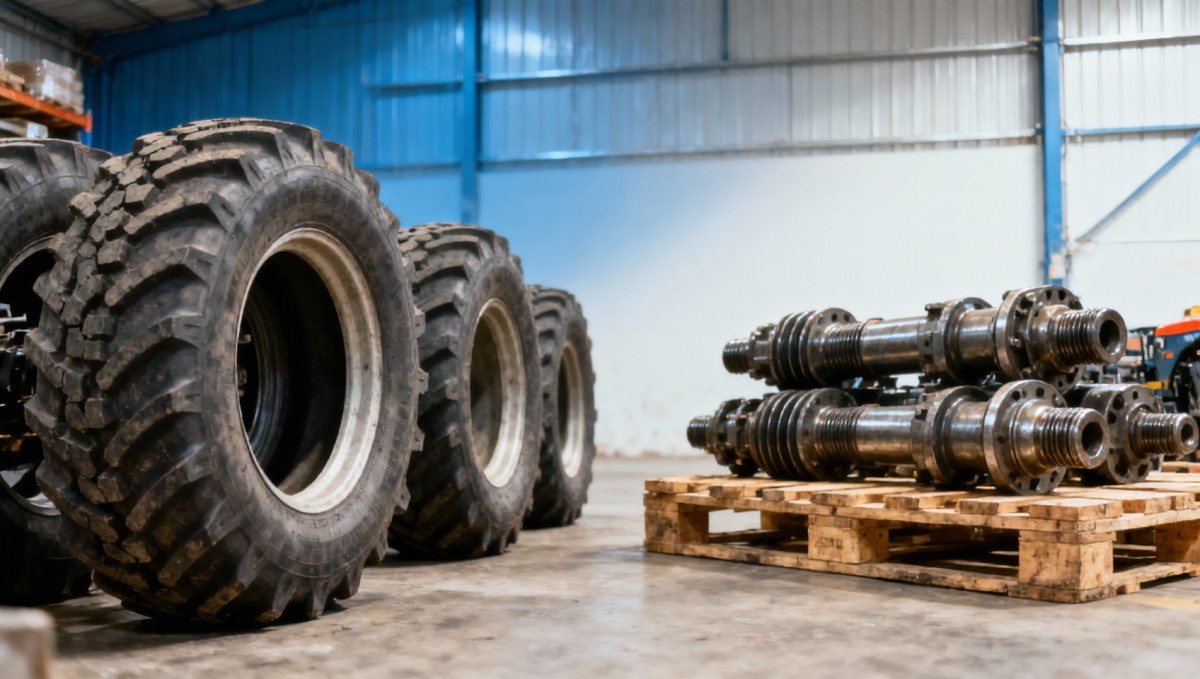
Agricultural tires wholesale pricing is built from several layered cost drivers, not only rubber weight or tread size. In most B2B purchasing cycles, the final landed cost includes carcass construction, raw material volatility, mold complexity, load rating, packaging, freight mode, customs exposure, and after-sales risk. For buyers managing farm equipment fleets or distributor inventory, a 5% lower ex-works price can still lead to a higher total cost after service claims and premature replacement.
This matters even more in mixed procurement environments. Many industrial buyers source agricultural tires alongside tractor implement parts, pto drive shafts bulk supply, and engine-driven field systems. When these components operate under similar duty cycles, tire failure can stall the entire equipment chain. A wholesale decision should therefore compare cost per operating season, not only cost per tire. Typical review windows range from 2–4 weeks for standard orders and 4–8 weeks when custom tread or labeling is required.
At AgriChem Chronicle, cost interpretation is approached through supply-chain intelligence rather than list-price comparison. That perspective is relevant for procurement officers, technical evaluators, finance approvers, and distributors who need a defensible purchasing rationale. In regulated and globally sourced sectors, visibility into sourcing consistency, documentation practices, and production discipline often has the same commercial value as a lower invoice line.
A practical way to break down agricultural tires wholesale cost is to separate it into 4 layers: manufacturing inputs, logistics and trade costs, compliance and quality assurance, and lifecycle performance in the field. Once these layers are visible, cross-functional teams can make faster decisions and reduce disputes between engineering, sourcing, and finance.
Four cost layers procurement teams should isolate
- Manufacturing inputs: natural and synthetic rubber mix, bead wire, reinforcing fabric, sidewall thickness, and curing stability all influence factory cost and durability.
- Trade and logistics: container utilization, pallet density, route seasonality, port congestion, and inland delivery can change landed cost within 7–15 days.
- Compliance and quality control: inspection reports, batch traceability, test routines, and claim-handling procedures add cost but reduce downstream risk.
- Field lifecycle: traction retention, puncture resistance, stubble tolerance, and wear profile determine replacement frequency across 1–3 working seasons or more depending on use.
Cost breakdown by component: where does the wholesale budget go?
For budget planning, buyers often need a structured view of where agricultural tires wholesale spending is concentrated. Exact percentages vary by tire type, order volume, origin, and contract terms, so the most reliable approach is to use typical cost bands rather than assume a single universal formula. This allows purchasing teams to compare suppliers on a like-for-like basis during RFQ review.
The table below outlines common cost categories used in B2B agricultural tire purchasing. It is especially useful when technical teams need to explain to finance why a lower visible unit price may hide weaker construction, reduced traceability, or higher replacement risk. These ranges are indicative planning references, not fixed market quotations.
The key takeaway is that manufacturing quality and logistics usually dominate the cost discussion, but compliance and claim handling should not be treated as optional overhead. For distributors and project managers, weak documentation can consume more time than the original price difference, especially when deliveries must support harvest windows or multi-site deployment plans.
When the sourcing scope also includes agricultural diesel engines or pto drive shafts bulk supply, integrated procurement reviews become even more valuable. A delayed tire shipment can idle mounted implements, while incorrect tire specification can affect torque transfer, traction efficiency, and fuel consumption in field operations. In other words, tire cost interacts with the economics of the wider machine system.
Why similar-looking tires can carry different wholesale prices
Two tires with the same nominal size may differ in ply rating, tread depth, bead stability, sidewall composition, and operating suitability on hard road segments versus soft field conditions. Those differences may not be obvious in a basic catalog. Technical reviewers should request load data, recommended pressure ranges, compound notes where available, and batch inspection practices before accepting a low-price offer.
Pricing differences also reflect supplier maturity. Producers with controlled process documentation, stable export packaging, and repeatable QC routines may quote higher at the start, but they often reduce hidden losses across 3 key areas: inbound rejection, in-field service events, and claim resolution time. For corporate buyers, that reduction can support better annual budget predictability.
ACC’s editorial advantage in this area is the ability to frame equipment buying inside broader primary-industry sourcing realities. Agricultural and biochemical supply chains share a common need for traceability, standards awareness, and procurement defensibility. That lens helps readers move beyond price tables and toward decisions that can survive technical and financial scrutiny.
How should buyers compare low-cost, mid-range, and premium wholesale offers?
Not every project requires the same tire tier. A distributor building stock for mixed regional demand may prioritize broad fitment and predictable replenishment, while a large farming operator may focus on compaction control, wear life, and seasonal uptime. The best agricultural tires wholesale strategy is therefore context-based: match price level to workload severity, service expectations, and replacement planning horizon.
The comparison below helps teams classify quotations more accurately. It can be used during supplier shortlisting, financial approval, or dealer assortment planning. Rather than treating low-cost as automatically risky or premium as automatically justified, the goal is to understand where each offer fits in operational reality.
In many cases, the mid-range category provides the strongest procurement value, especially when annual usage is moderate to high and service support matters. A buyer may pay more upfront than a basic offer, but if replacement intervals extend by even one working season or claim rates drop materially, the cost per operating hour can improve. That is the metric many sophisticated purchasing teams now prefer.
Three questions that expose the real value behind a quote
1. What operating profile is this tire built for?
Ask whether the tire is intended for predominantly field use, mixed road transfer, or trailer and implement service. Duty profile shapes heat buildup, lug wear, and sidewall fatigue. A tire used across 6–10 hours per day on mixed terrain may need a different construction balance than one used only for seasonal field passes.
2. What does the supplier include beyond the shipment itself?
Important extras include inspection reports, packing lists aligned with SKU counts, batch traceability, claim-response procedures, and replacement policy boundaries. These items matter greatly for importers, distributors, and project managers handling multi-location deliveries.
3. How stable is replenishment over 2–3 purchase cycles?
A strong first order does not guarantee supply continuity. Review lead time stability, mold availability, labeling consistency, and whether the supplier can support repeat orders in the same specification during peak agricultural months. This is critical when agricultural tires wholesale contracts support dealer networks or framework agreements.
What should technical and procurement teams check before approving an order?
Approval failures usually happen when purchasing and technical review are separated. Procurement may focus on landed price and shipment date, while engineers care about fitment, inflation, load behavior, and field conditions. A better method is to build a 5-point review process that screens commercial and operational risk together before deposit release or purchase order confirmation.
This is also where ACC’s industry perspective is useful. In sectors ranging from machinery to fine chemicals, disciplined sourcing depends on verification, not assumptions. For agricultural tires wholesale, that means examining specification alignment, supplier process maturity, and documentation completeness with the same rigor used in other compliance-sensitive procurement categories.
A practical 5-point review checklist
- Confirm exact size, ply or load class, rim compatibility, and intended vehicle or implement use. Small mismatches can create mounting or wear issues after delivery.
- Verify operating conditions such as soil type, stubble exposure, road-transfer distance, and seasonal temperature range. These factors influence carcass and tread requirements.
- Request commercial details: Incoterms, batch quantities, production lead time, and packaging method. Standard lead times often fall within 20–45 days depending on size mix and factory load.
- Check documentation package: inspection records, labeling, origin paperwork, and any relevant test references or declarations required by destination markets.
- Define claim and replacement workflow before ordering. A 3-step process covering notice period, evidence submission, and commercial remedy reduces future disputes.
Quality and safety managers should pay particular attention to traceability and storage condition upon arrival. Tires stored under poor ventilation, excessive heat, or direct sunlight for extended periods may degrade before use. Even when product quality is acceptable, weak warehousing practices can distort field performance and create misleading supplier complaints.
For project-based procurement, such as irrigation modernization or integrated farm equipment rollout, tire approval should align with the schedule for related assets like solar water pumps agricultural units and agricultural diesel engines. When multiple systems are commissioned within a 30–60 day window, delayed tire release can postpone vehicle readiness and affect broader project milestones.
Common misconceptions, risk points, and buyer questions
Many purchasing errors in agricultural tires wholesale come from assumptions that seem reasonable but fail in practice. A lower unit price does not necessarily reduce total fleet cost. A premium quote does not automatically mean longer life. And a supplier that performs well for one tire size may not show the same consistency across a wider size matrix. The right decision comes from use-case evidence, not category labels.
Another common mistake is ignoring the commercial effect of timing. If a shipment arrives 2–3 weeks late during planting or harvest preparation, the operational cost of delay may exceed the original price advantage. This is why experienced buyers compare not just price and specification, but also order confidence, replacement responsiveness, and replenishment predictability.
FAQ for agricultural tires wholesale evaluation
How do I know if a low quote is truly competitive?
Compare at least 5 points: specification match, packing method, lead time, documentation package, and claim terms. If any of these are unclear, the quote may not be directly comparable. Ask for a landed-cost view over 1 order cycle and a service-risk view over 2–3 replacement cycles.
What lead time is typical for wholesale agricultural tires?
For standard, stocked, or frequently produced sizes, planning horizons often fall around 2–4 weeks before shipment readiness. Mixed-size orders, private labeling, or specialized tread configurations may extend that to 4–8 weeks. Ocean and inland transit are additional variables and should be evaluated separately.
Should I buy tires together with other agricultural components?
Bundled sourcing can improve coordination when the same project includes tractor implement parts, pto drive shafts bulk supply, or agricultural diesel engines. However, it works best when each category still receives its own technical validation. Commercial convenience should never replace specification control.
What is the biggest hidden cost in agricultural tires wholesale?
In many cases, the biggest hidden cost is operational disruption rather than the tire itself. Early wear, fitment mismatch, delayed replenishment, or unresolved claims can create idle equipment time, emergency local replacement, and internal coordination cost across procurement, maintenance, and finance teams.
Why consult AgriChem Chronicle before supplier shortlisting?
AgriChem Chronicle supports decision-makers who need more than a product brochure. Our editorial framework connects agricultural machinery sourcing with the wider realities of regulated, globally distributed industrial supply chains. That is valuable for teams buying agricultural tires wholesale because tire selection increasingly intersects with compliance review, logistics planning, and asset uptime targets.
Our readership includes agronomic leaders, procurement directors, equipment operators, and trade-facing businesses that evaluate not only technical fit, but also supply reliability and documentation integrity. This multi-perspective lens helps readers ask sharper questions during supplier engagement and avoid oversimplified price comparisons. In complex purchasing environments, clearer questions often save more money than aggressive negotiation alone.
If you are assessing agricultural tires wholesale options, we can help structure the conversation around parameters that matter: size and application fit, workload profile, expected lead time, inspection requirements, documentation needs, and commercial risk allocation. We can also support content partnerships for manufacturers and OEMs seeking to present verified capabilities to institutional buyers through a high-authority industry publishing environment.
Contact us to discuss quotation benchmarking, parameter confirmation, supplier shortlisting logic, delivery-cycle expectations, documentation and certification questions, or a custom content plan that positions your equipment offering in front of serious B2B procurement audiences. For teams comparing multiple vendors, a structured review of specification, lifecycle cost, and trade practicality can materially improve the final purchasing decision.
Related Intelligence
- Heavy Agri MachineryIndia Launches Anti-Dumping Review on Chinese TractorsIndia's anti-dumping review on Chinese tractors may raise duties from 22.3% to 28.5% — critical for exporters, distributors & supply chain teams. Act now.
- Heavy Agri MachineryIndia Launches AD Review on Chinese Tractors, Tariff May Rise to 28.5%India's AD review on Chinese tractors may raise tariffs to 28.5% — critical insights for exporters, importers & agri-machinery stakeholders.
- Heavy Agri MachineryIndia Launches Anti-Dumping Review on Chinese TractorsIndia's anti-dumping review on Chinese tractors (≥50HP, smart hydraulic suspension) may raise duties to 22.5–28.5%. Exporters, CKD assemblers & suppliers: act now to assess risk and compliance.
The Morning Broadsheet
Daily chemical briefings, market shifts, and peer-reviewed summaries delivered to your terminal.
