
Aqua tech upgrades that cut energy use without hurting yield
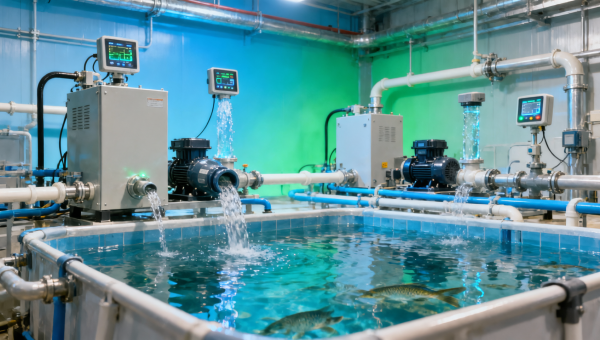
For industrial buyers and technical teams evaluating Aqua Tech investments, the biggest challenge is reducing energy use without compromising output. In modern aquaculture systems, smarter aeration, pumping, and monitoring upgrades can lower operating costs while protecting fish health, feed efficiency, and yield. This article examines practical options that matter to operators, project leaders, and decision-makers across fishery supplies and industrial agriculture.
Which aqua tech upgrades reduce energy use without putting yield at risk?
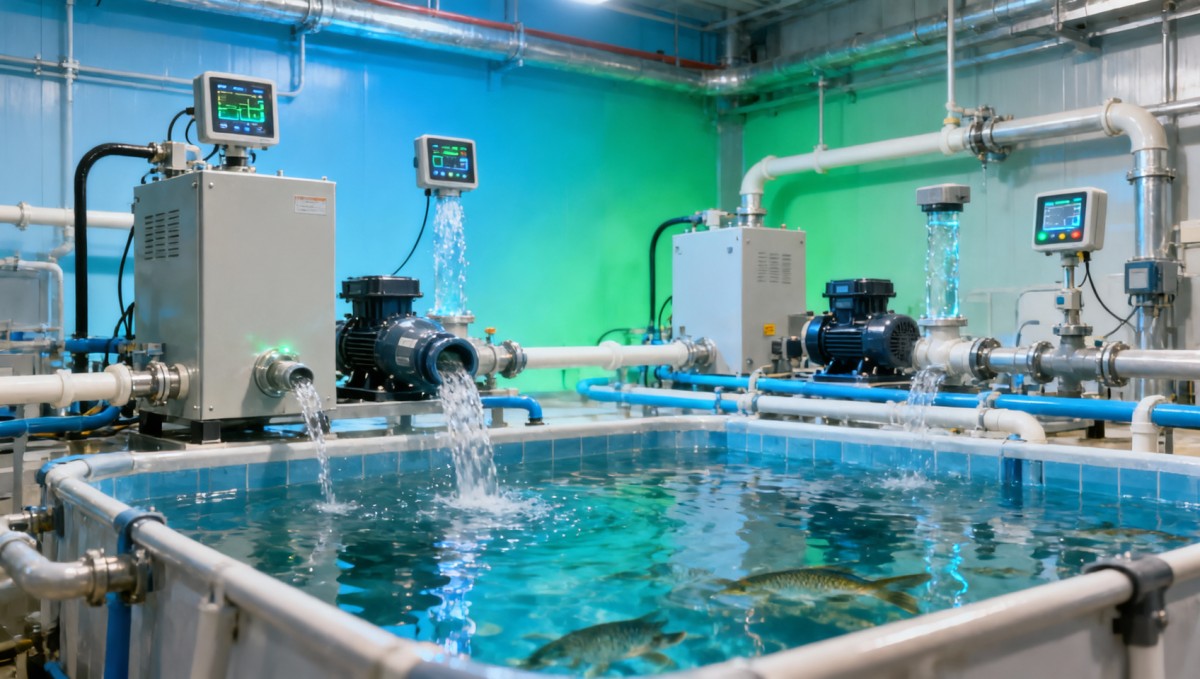
The short answer is this: the most reliable energy-saving upgrades are not the most aggressive ones, but the ones that improve control. In commercial aquaculture, yield usually suffers when energy reduction comes from under-aeration, unstable water movement, poor solids handling, or delayed response to water quality changes. By contrast, upgrades that match energy use to actual biological demand often cut power costs while maintaining or even improving production performance.
For most facilities, the strongest candidates include high-efficiency blowers, variable frequency drives (VFDs) for pumps and aeration equipment, improved dissolved oxygen control, better hydraulic design, low-loss piping upgrades, automated monitoring, and heat recovery where temperature management is important. These measures matter because aeration and pumping typically account for a large share of electricity consumption in recirculating aquaculture systems, hatcheries, shrimp farms, and intensive fish production sites.
From a business perspective, the best projects are usually those that deliver three outcomes at once: lower kilowatt-hour consumption, tighter process stability, and reduced biological risk. That combination is what decision-makers should prioritize when comparing aqua tech upgrades.
Where does aquaculture energy use really come from?
Before investing in equipment, buyers need to identify the biggest loads in the system. In many operations, the top energy consumers are:
- Aeration and oxygen transfer systems, especially where dissolved oxygen targets are maintained continuously
- Water circulation and transfer pumps, including intake, recirculation, and filtration loops
- Solids removal and filtration, such as drum filters, backwash systems, and sludge handling
- Heating or cooling equipment in temperature-sensitive production environments
- Lighting and support systems, though these are often secondary compared with process loads
This is why blanket energy-cutting measures can be dangerous. If a site reduces pump speed or aeration run-time without understanding carrying capacity, biomass density, feed loading, and oxygen demand curves, the result may be slower growth, elevated feed conversion ratio, higher stress, or mortality events. A useful rule is simple: optimize the load first, then optimize the equipment, then automate the control logic.
Why aeration upgrades often deliver the fastest savings
Aeration is one of the most important opportunities because it directly affects both energy use and fish performance. In many systems, older blowers and diffusers waste power by delivering more air than required or by transferring oxygen inefficiently. Upgrading to high-efficiency blowers, fine-bubble diffusion where appropriate, or demand-based oxygen control can materially improve energy performance.
However, technical teams should avoid evaluating aeration upgrades on power draw alone. The more relevant question is energy per unit of effective oxygen transfer under real site conditions. Water depth, salinity, fouling, biomass density, and maintenance quality all influence actual performance.
For operators and engineering leads, key checks include:
- Whether dissolved oxygen stays stable across peak feeding periods
- Whether oxygen distribution is uniform across tanks or ponds
- Whether blower sizing matches real operating range instead of worst-case oversizing
- Whether diffusers are prone to fouling that gradually erodes efficiency
- Whether control systems can adjust output by zone rather than by whole facility
In practical terms, smarter aeration saves energy because it prevents over-aeration during low-demand periods while still protecting fish health during spikes in biological load. That is the balance industrial buyers should seek.
How pump and hydraulic upgrades cut electricity without reducing water quality
Pumping systems are another major area where facilities can reduce energy use without hurting yield. In aquaculture, pumps often operate continuously, so even modest efficiency gains can have a strong annual impact. Common upgrade paths include replacing legacy motors with premium-efficiency models, adding VFDs, resizing pumps to actual duty points, reducing friction losses in piping, and redesigning layouts that create unnecessary head pressure.
One of the most common hidden problems is oversizing. Many systems were designed conservatively, then operated inefficiently for years at fixed speed. A pump that is too large for normal operation wastes energy and may also create unstable flow conditions that affect filtration and tank hydraulics.
When reviewing pump upgrades, technical evaluators should compare:
- Actual flow and pressure requirements versus original design assumptions
- Motor efficiency under real operating hours
- Seasonal load changes and production-stage variability
- Interaction with filtration, UV, biofiltration, and oxygenation subsystems
- Maintenance burden, seal reliability, and downtime risk
For financial approvers, the important point is that pump upgrades often produce measurable, verifiable savings with relatively low biological risk, provided minimum flow requirements for water quality are preserved.
Can automation and monitoring improve both efficiency and yield?
In many modern aquaculture systems, the answer is yes. Automation is often the bridge between lower energy use and stable production because it allows the facility to respond to real-time conditions instead of fixed schedules. Sensors for dissolved oxygen, temperature, pH, oxidation-reduction potential, ammonia-related indicators, water level, and flow can support more precise control of aeration, pumping, and alarms.
This matters because yield losses are frequently caused not by average conditions, but by short periods of poor control. A temporary oxygen drop, flow interruption, or filtration issue may not be visible in monthly energy reports, but it can affect growth and survival. Monitoring systems reduce that risk by making operating conditions visible and actionable.
For project leaders, the highest-value automation upgrades usually include:
- Closed-loop dissolved oxygen control
- VFD-linked pump and blower management
- Alarm systems with escalation logic
- Trend dashboards for energy, water quality, and biomass performance
- Remote visibility for multi-site management and auditability
Well-designed monitoring also improves internal decision quality. It helps quality teams verify that energy-saving measures are not compromising environmental conditions, and it gives managers clearer evidence when defending capital expenditure.
What should buyers check to avoid false savings?
Not every “efficient” upgrade protects output. Some projects lower electricity use on paper but shift costs into slower growth, higher feed usage, more labor, or greater process instability. To avoid this, buyers should evaluate energy projects against both utility metrics and biological metrics.
The most useful assessment framework includes:
- Energy metrics: kWh per cubic meter circulated, kWh per kilogram of biomass produced, blower or pump efficiency, peak demand reduction
- Production metrics: survival rate, growth rate, feed conversion ratio, harvest consistency, biomass carrying performance
- Water quality metrics: dissolved oxygen stability, ammonia control, solids retention, temperature consistency
- Operational metrics: maintenance frequency, downtime, labor input, alarm events, spare parts dependence
If a supplier only discusses nameplate energy reduction without addressing fish health, system resilience, and operating variability, the proposal is incomplete. Industrial procurement teams should ask for site-specific performance assumptions, not generic savings claims.
Which upgrades usually offer the best return by facility type?
The best investment path depends on system design, scale, species, and operating intensity. Even so, several patterns are common across commercial fishery and aquaculture operations.
- RAS facilities: aeration control, pump optimization, sensor integration, heat recovery, and hydraulic redesign often provide strong returns because energy intensity is high
- Hatcheries: precise oxygen control, reliable backup systems, and stable temperature management are especially valuable because biological sensitivity is high
- Intensive pond or raceway systems: efficient aerators, motor upgrades, and load-based scheduling can yield practical savings with manageable complexity
- Shrimp farms: targeted aeration zoning, paddlewheel optimization, and monitoring upgrades often reduce overuse while maintaining dissolved oxygen profiles
For enterprise decision-makers, this means capital should not be allocated based only on the most visible equipment category. The stronger approach is to identify the process bottleneck where energy waste and production risk overlap.
How should decision-makers prioritize aqua tech investments?
A practical capital planning sequence is to start with an energy and process audit, identify the largest controllable loads, rank upgrades by payback and production sensitivity, then pilot changes where possible before full deployment. This reduces the risk of approving projects that save energy but create hidden operational costs.
In most cases, priority should go to upgrades that have the following characteristics:
- Large share of site energy consumption
- Low risk of disrupting fish health or yield
- Good compatibility with existing infrastructure
- Clear maintenance and training requirements
- Measurable pre- and post-installation KPIs
It is also important to factor in compliance, resilience, and supply-chain support. For industrial aquaculture buyers, a technically efficient component is not enough if service access, spare parts continuity, controls integration, or environmental performance documentation are weak.
Conclusion: lowering aquaculture energy use is possible, but control matters more than simple cutbacks
Aqua tech upgrades can reduce energy consumption without hurting yield when they improve process precision rather than merely reducing run-time or equipment output. For most facilities, the safest and most effective opportunities are in aeration efficiency, pump optimization, hydraulic improvements, and monitoring-driven automation.
The central decision principle is straightforward: choose upgrades that reduce wasted energy while preserving stable oxygen levels, water movement, filtration performance, and temperature control. When evaluated against both biological and financial outcomes, these investments can lower operating costs, strengthen production consistency, and support better long-term returns.
For buyers, engineers, and project stakeholders, the real question is not whether energy can be cut. It is whether the site can become more efficient while staying biologically stable. The right aqua tech strategy does both.
Related Intelligence
- Aeration & Water Tech2026 Shanghai Fastener Show Highlights Aeration & Water TechAeration & Water Tech takes center stage at the 2026 Shanghai Fastener Show — discover energy-efficient, IoT-enabled aeration systems, global procurement trends, and smart infrastructure integration.
- Aeration & Water TechCIBF2026 Marks Earth Day: Zero-Carbon Factory Policy & Battery Recycling AccelerateZero-carbon factory policy & battery recycling take center stage at CIBF2026—key for lithium battery, PV, smart greenhouse, and RAS exporters targeting EU/US markets.
- Aeration & Water Tech2026 Shanghai Fastener Show Highlights Aeration & Water TechAeration & Water Tech takes center stage at the 2026 Shanghai Fastener Show — discover AI-powered aeration systems, DO control solutions, and smart water infrastructure for global aquaculture markets.
The Morning Broadsheet
Daily chemical briefings, market shifts, and peer-reviewed summaries delivered to your terminal.
