
What drives aquaculture production costs up or down?
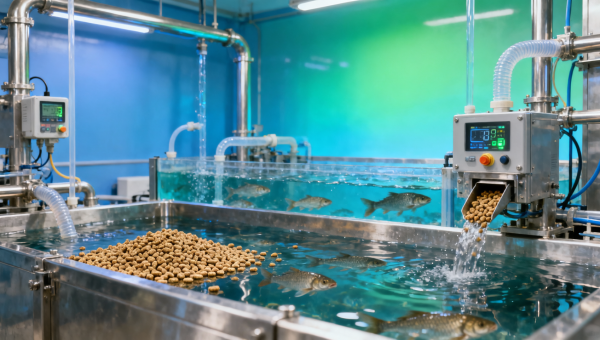
Aquaculture production costs rise or fall with a tight mix of feed efficiency, energy use, labor, regulation, and technology investment. For buyers and operators evaluating aquaculture products, aquaculture equipment, and Aquaculture Tech, understanding how Feed Ingredients, FDA Standards, and supply chain volatility interact is essential. This Peer Analysis outlines the key cost drivers shaping margins, compliance, and long-term competitiveness across modern aquaculture production.
For research teams, farm managers, procurement leaders, finance approvers, QA personnel, and project engineers, production cost is not a single line item. It is a moving system shaped by biology, infrastructure, raw material pricing, water quality control, maintenance routines, and market access. A 3% shift in feed conversion ratio, a 10% increase in power tariffs, or a 2-week delay in juvenile supply can materially change operating margins.
In commercial fish and shrimp farming, the cost base often splits across feed, seed, utilities, labor, health management, compliance, logistics, and depreciation. The exact ratio varies by species and production model, but operators that track cost by production stage usually make faster corrective decisions than those reviewing costs only at harvest.
Feed, seed, and biological performance: the largest cost lever
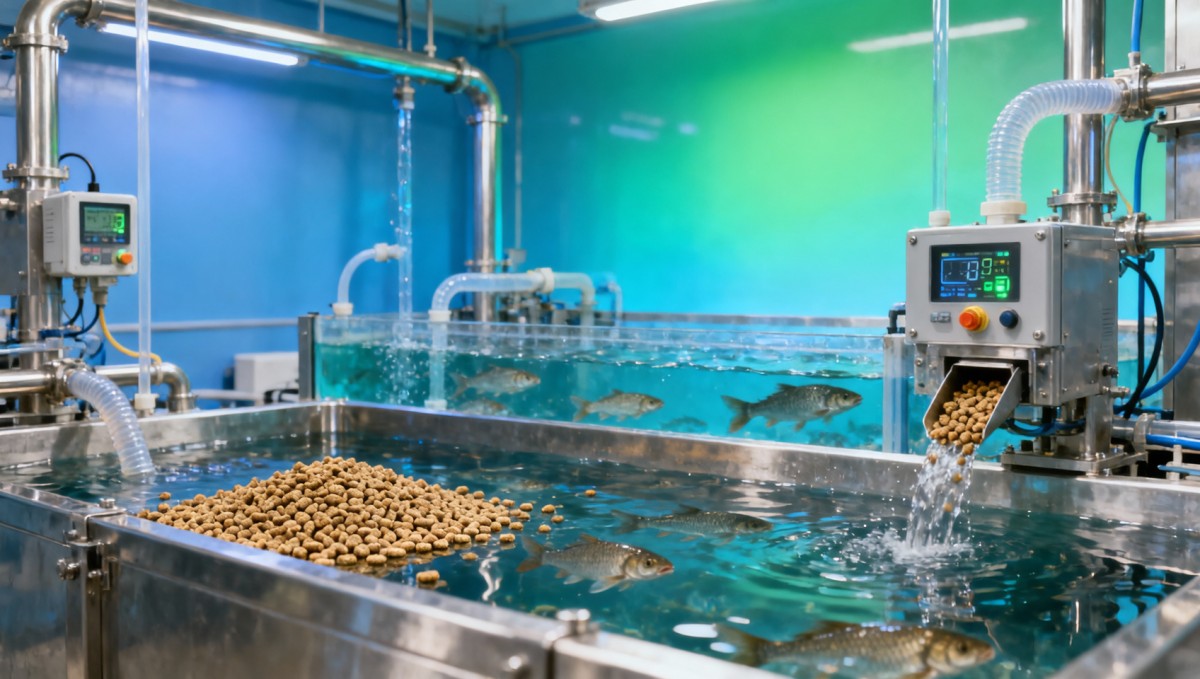
In many aquaculture systems, feed remains the largest operating cost, commonly representing 40% to 65% of total production expense. For intensive shrimp ponds and recirculating aquaculture systems, that share can rise further when specialized Feed Ingredients, higher protein formulations, or imported additives are required. Small changes in feed quality or feeding discipline can therefore move the cost curve quickly.
Feed conversion ratio, or FCR, is one of the most practical metrics for operators and financial reviewers. If a farm improves FCR from 1.8 to 1.5, the cost saving per ton of harvested biomass can be significant, especially when feed prices are elevated. The reverse is equally true: poor pellet stability, overfeeding, low dissolved oxygen, or disease pressure can push FCR above expected ranges within 2 to 4 production weeks.
Seed quality also matters. Weak fry, fingerlings, or post-larvae may appear cheaper at purchase, yet mortality rates of 10% to 20% above target can erase any initial savings. For hatchery-dependent operations, survival through the first 30 to 45 days is a stronger cost indicator than purchase price alone. Buyers should evaluate health screening, transport duration, acclimation protocol, and batch consistency before approving supply contracts.
Biological performance links directly to cost predictability. Growth rate, survival, feed response, and harvest uniformity determine whether infrastructure and labor are used efficiently. A farm harvesting with wide size variation often incurs extra grading, delayed sales, and higher feed carry cost. This is why aquaculture products that improve feeding accuracy, oxygen stability, or animal monitoring can influence economics well beyond their purchase price.
Key biological cost indicators to monitor weekly
- FCR trend by pond, tank, or cage, rather than farm-wide average only.
- Mortality rate by 7-day interval, with cause classification where possible.
- Average daily gain and size uniformity at sampling intervals of 7 to 14 days.
- Feed wastage indicators such as uneaten feed, turbidity spikes, or sludge buildup.
- Juvenile source performance across at least 2 to 3 production cycles.
The table below shows how biological variables typically influence cost direction in commercial aquaculture planning and procurement reviews.
For procurement teams, the practical lesson is clear: the cheapest feed or juveniles are not always the lowest-cost option. Cost control improves when supply is assessed against biological outcomes over at least 1 full production cycle, not just the initial invoice.
Energy, water management, and equipment utilization
Energy is often the second or third largest operating expense, especially in aerated pond systems, hatcheries, cold-water farming, and RAS facilities. Aerators, blowers, pumps, filtration units, chillers, oxygen generation, lighting, and automated feeders all contribute to power demand. Depending on production intensity, utilities may account for 8% to 25% of total costs, and even higher in fully controlled indoor systems.
Water quality instability drives cost upward in two ways. First, it directly affects animal performance through stress, low feed intake, or mortality. Second, it increases the frequency of corrective actions such as emergency aeration, water exchange, chemical dosing, sludge removal, and maintenance labor. Parameters like dissolved oxygen, ammonia, nitrite, pH, salinity, and temperature should be tracked on a defined schedule, often 2 to 4 times per day in intensive systems.
Equipment utilization also determines whether capital investment lowers or raises total production cost. A feeder, oxygen cone, drum filter, or sensor network delivers value only when it is sized correctly, integrated into workflows, and maintained at planned intervals. Underused equipment increases depreciation per ton. Oversized equipment raises purchase cost, power load, and spare-parts inventory without equivalent output gains.
For project managers and engineering leads, system design should be evaluated against stocking density, target species, water source variability, and local power reliability. A farm in a region with unstable grid supply may need backup generation capacity sized for 30% to 100% of critical loads, depending on oxygen sensitivity and response time requirements. Ignoring that risk can transform a modest capex saving into a severe operating loss during an outage.
Where equipment reduces cost most effectively
- Automated feeding systems that reduce overfeeding and improve timing consistency across multiple ponds or tanks.
- Monitoring sensors that provide early warning when dissolved oxygen or pH approaches critical thresholds.
- Efficient blowers and variable-frequency drives that match energy use to actual oxygen demand.
- Mechanical solids removal in intensive systems to reduce water deterioration and labor burden.
The next table helps buyers compare common utility-related cost drivers when evaluating aquaculture equipment or facility upgrades.
A recurring mistake is evaluating equipment on purchase price alone. In many cases, a 10% to 15% premium for efficient motors, stronger materials, or better controls can be recovered through lower power use, fewer breakdowns, and more stable biomass performance over 12 to 24 months.
Labor, compliance, and quality assurance costs
Labor cost rises when farming systems depend on manual feeding, manual water testing, frequent emergency response, or unplanned maintenance. In lower-intensity operations, labor may represent 10% to 15% of total cost, while in fragmented multi-pond facilities or processing-linked farms it can reach 20% or more. Labor efficiency is therefore a process design issue, not only a wage issue.
Compliance adds another layer. Aquaculture operators selling into regulated markets must consider traceability, residue control, water discharge rules, biosecurity records, and documentation linked to FDA Standards or comparable import requirements. Even where the farm itself is not directly under pharmaceutical-style controls, feed sourcing, treatment protocols, and post-harvest handling may need documented verification to satisfy buyers, auditors, or export partners.
Quality assurance and safety management are often seen as overhead, but poor QA usually creates larger downstream costs. Incomplete batch records, missed calibrations, weak sanitation control, and inconsistent chemical handling can trigger product rejection, delayed shipment, or reputational damage. For high-value species, one rejected lot can offset the apparent savings from months of reduced documentation or training.
Well-structured SOPs reduce both compliance risk and labor waste. Standardized checklists for water testing, feed storage, mortality logging, and harvest sanitation can reduce decision variability across shifts. Training cycles every 3 to 6 months, combined with role-based signoff, are often more cost-effective than relying on informal knowledge transfer.
Common compliance items that influence operating cost
- Batch traceability for feed, additives, seed origin, and treatment records.
- Calibration records for probes, meters, and dosing equipment at fixed intervals.
- Water discharge monitoring and documentation aligned with local environmental permits.
- Biosecurity controls for visitor access, vehicle movement, and pond-to-pond contamination risk.
- Storage controls for chemicals, disinfectants, and temperature-sensitive inputs.
Why finance and QA teams should review cost together
Finance teams often focus on monthly spend variance, while QA teams focus on deviations and corrective action. The strongest cost governance comes when both functions review the same dashboard: feed usage, mortality spikes, water quality excursions, maintenance delay, and rejected shipments. This integrated view helps distinguish temporary overspend from structural inefficiency.
For institutional buyers and larger farming groups, supplier qualification should include documentation quality, not just price lists. A vendor that consistently provides certificates, batch details, usage guidance, and lead-time visibility can lower internal inspection time and reduce approval delays by several days per purchase cycle.
Supply chain volatility, input pricing, and procurement strategy
Even efficient farms can lose margin when raw material and logistics conditions shift abruptly. Feed Ingredients derived from fishmeal, plant proteins, oils, amino acids, minerals, or specialty binders are exposed to seasonal harvests, freight rates, currency movements, and regulatory review. Equipment lead times may also lengthen when motors, control components, filtration media, or fabricated parts face import bottlenecks.
For procurement managers, the key question is not only current price, but price visibility across the next 3 to 9 months. A farm that locks in all volume at the peak of the market may overpay, while one that buys too late may face stockouts. Balanced procurement often combines contract coverage for critical inputs with flexible spot purchasing for less sensitive materials.
Lead time discipline matters. If a facility needs 6 to 12 weeks for imported equipment or 2 to 6 weeks for specialized feed additives, purchasing must align with biomass planning and harvest schedules. Last-minute procurement usually increases freight cost, substitutes lower-performing materials, or forces operators to stretch inventory beyond safe limits.
Supplier diversification can reduce risk, but too many vendors also increase audit burden and quality inconsistency. In practice, many commercial operators prefer 2 qualified suppliers for critical feed or oxygen-related components, and 1 to 3 approved alternates for general maintenance items. This approach gives resilience without turning purchasing into a fragmented control problem.
Procurement criteria that affect total cost of ownership
The following decision table is useful for enterprise buyers, technical evaluators, and project owners comparing suppliers for aquaculture products or system inputs.
The lowest quoted price rarely reflects the full operating outcome. Total landed cost, storage profile, rejection rate, technical documentation, spare-parts availability, and service responsiveness all influence whether a procurement decision lowers or raises production cost over time.
How technology investment can lower long-term aquaculture production costs
Technology investment increases cost in the short term, but it can reduce cost volatility over the medium term when applied to the right bottlenecks. The strongest payback cases usually come from areas with measurable waste: feed loss, low oxygen events, manual record errors, pump inefficiency, disease detection delays, and inconsistent harvest planning.
A useful framework is to divide investment into three tiers. Tier 1 includes basic monitoring and reliable aeration. Tier 2 adds automation such as feeders, alarms, and dosing control. Tier 3 includes integrated data analysis, remote monitoring, biomass estimation, and predictive maintenance. Not every farm needs Tier 3 immediately, but most intensive farms benefit from at least Tier 1 and selected Tier 2 tools.
Payback periods vary. An automatic feeder may show return within 6 to 12 months if feed use is high and labor is stretched. Sensor systems may justify investment by preventing just 1 or 2 severe water quality failures per cycle. In larger projects, digital records can also shorten audit preparation time and improve confidence for export buyers or financing partners.
Still, technology must fit site reality. A remote site with limited technical staff may achieve better results from robust, easy-to-maintain controls than from complex analytics platforms. For project leads and operations managers, the decision should focus on adoption risk, maintenance needs, spare-parts access, and operator training load over the first 12 months.
Practical steps for evaluating aquaculture tech investments
- Identify one measurable loss area such as high FCR, repeated oxygen stress, or excessive manual labor hours.
- Estimate baseline cost over a full cycle, not just one month.
- Request installation, training, consumables, and maintenance details from suppliers.
- Run a pilot in 1 zone, 1 pond cluster, or 1 production line before full rollout.
- Review outcomes after 60 to 90 days using the same KPI definitions used at baseline.
FAQ: What buyers and operators usually ask
How much of aquaculture production cost typically comes from feed?
In many commercial systems, feed represents roughly 40% to 65% of total production cost. The share is usually higher in intensive systems and lower where land, labor, or energy burden is dominant. The key metric is not feed price alone, but cost per kg of harvested biomass after FCR and survival are considered.
Which costs are most likely to spike unexpectedly?
The most volatile items are often feed raw materials, electricity, oxygen supply, disease-related treatment, and emergency logistics. These costs rise quickly when water quality is unstable, procurement planning is weak, or seasonal freight congestion affects imported items.
How should finance teams evaluate aquaculture equipment proposals?
Review total cost of ownership over 12 to 24 months. Include energy use, spare parts, maintenance interval, operator training, expected downtime reduction, and impact on feed use or survival. A higher upfront quote can be justified if operating savings are measurable and implementation risk is low.
What is the most common mistake in cost reduction programs?
Cutting visible expenses while ignoring biological and process consequences. Cheaper juveniles, underpowered aeration, delayed maintenance, or reduced monitoring may lower invoices temporarily but raise total cost through mortality, poor growth, and inconsistent harvest results.
Aquaculture production costs move up or down based on a connected set of decisions: feed and seed quality, water and energy control, labor design, compliance discipline, supply chain planning, and targeted technology adoption. Operators that measure these variables by production stage usually gain stronger cost predictability, while buyers that assess total operating outcome rather than purchase price alone make more resilient procurement decisions.
For organizations evaluating aquaculture products, aquaculture equipment, Feed Ingredients, and Aquaculture Tech, the most reliable path is a structured review of biological performance, utility demand, documentation quality, service responsiveness, and long-term ownership cost. To explore tailored solutions, benchmark suppliers, or refine your next project specification, contact AgriChem Chronicle for deeper market intelligence and application-focused guidance.
Related Intelligence
- RAS SystemsSASO Opens Fast VOC Channel for RAS Systems in Saudi ArabiaSASO RAS VOC fast track now live: Get Saudi VOC certification in 10 days with CNAS reports & ISO 22000 — accelerate exports of integrated aquaculture systems.
- RAS SystemsSASO Accelerates RAS Systems Local Certification for Chinese FirmsSASO accelerates RAS systems local certification for Chinese firms—leverage CNAS & ISO 22000 to skip retesting and get VOC in 7 days!
- RAS SystemsSASO Streamlines RAS Systems VOC for Chinese ExportersSASO Streamlines RAS Systems VOC for Chinese exporters: Get mandatory Saudi VOC in just 12 days with CNAS testing & ISO 22000 — faster clearance, smarter compliance.
The Morning Broadsheet
Daily chemical briefings, market shifts, and peer-reviewed summaries delivered to your terminal.
