
Aquaculture equipment buying mistakes to avoid in 2026?
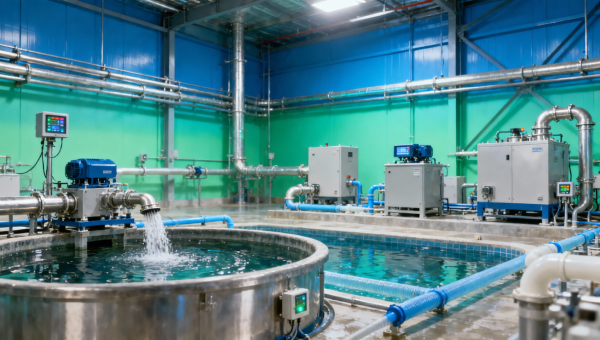
Buying aquaculture equipment in 2026 demands more than price comparison. From Aquaculture Tech compatibility and aquaculture production targets to FDA Standards, Feed Ingredients handling, and lifecycle cost control, small procurement mistakes can trigger major operational losses. This guide uses Peer Analysis to help operators, project leaders, and decision-makers avoid common errors when sourcing aquaculture products while aligning performance, compliance, and long-term return.
For research teams, farm operators, financial approvers, quality managers, and engineering leads, the procurement challenge is no longer limited to selecting tanks, aerators, feeders, pumps, or filtration units. In 2026, aquaculture equipment buying decisions sit inside a wider framework that includes biosecurity planning, power efficiency, digital monitoring, water quality control, spare-parts access, operator training, and regulatory documentation.
A poor decision at the quotation stage can easily create 12–36 months of avoidable cost pressure. Typical failures include mismatched system sizing, underestimated maintenance intervals, poor material selection for salinity conditions, weak after-sales support, and undocumented production assumptions. The result is usually lower survival rates, unstable feed conversion, higher energy draw, and expensive retrofit work.
The most effective aquaculture equipment buying process starts with operational clarity. Buyers need to define species, stocking density, annual tonnage targets, expected water turnover, available utilities, and compliance constraints before they compare vendor claims. Without that foundation, even technically advanced aquaculture products may underperform in real farm conditions.
Start with production reality, not catalog specifications
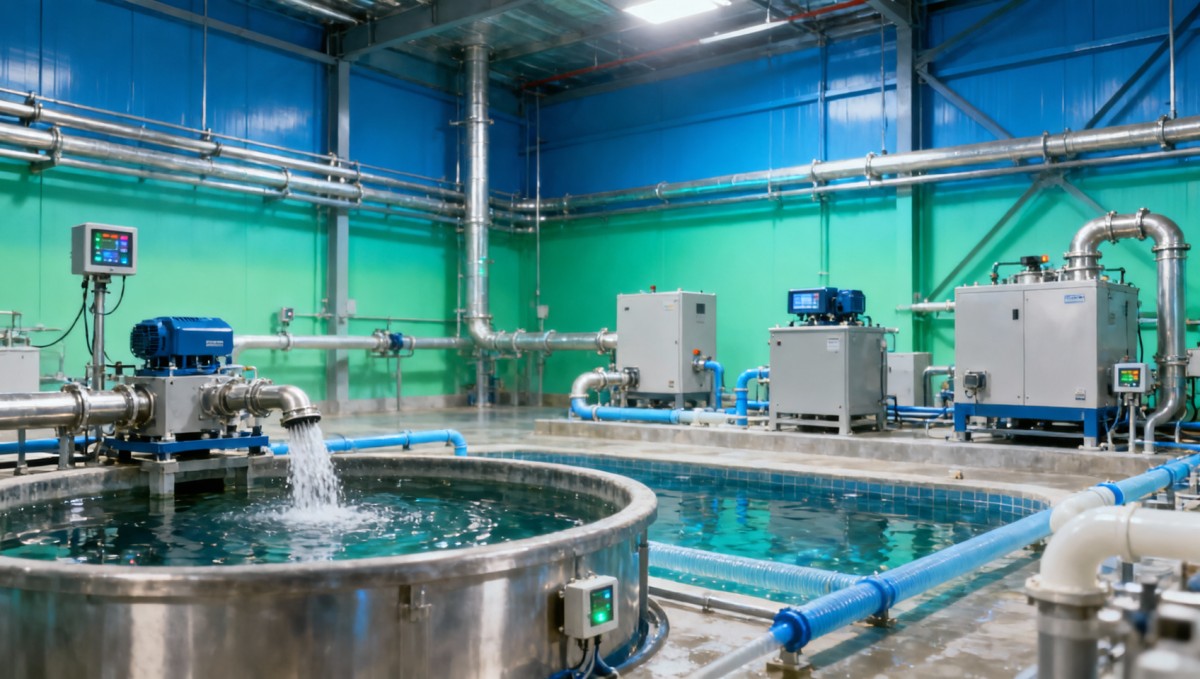
One of the most common aquaculture equipment buying mistakes is starting from product brochures instead of production goals. A system that looks efficient on paper may fail if it is not built around species-specific requirements such as dissolved oxygen demand, waste load, feeding behavior, and temperature range. A shrimp hatchery, a tilapia grow-out farm, and a salmon recirculating system can share equipment categories, but they do not share the same sizing logic.
Decision-makers should translate production objectives into measurable engineering inputs. At minimum, that means defining target output over 12 months, average harvest size, feed volume per day, water exchange rate, filtration load, and backup power requirements. If a supplier cannot map equipment capacity to those operational figures, the quotation is incomplete regardless of price.
Another frequent error is buying with peak optimism and no contingency allowance. Farms often size infrastructure for ideal stocking density without accounting for seasonal stress, disease management events, variable water quality, or utility interruptions. In practice, a 10%–20% capacity buffer in aeration, pumping, and filtration can protect output more effectively than buying the lowest-cost configuration.
For project managers, the specification phase should include a cross-functional review between operations, engineering, finance, and quality control. That review should test whether the selected aquaculture products support the real throughput plan rather than a vendor’s generic benchmark.
Questions to define before requesting quotations
- What is the target annual output in tons, and what is the monthly production rhythm over 12 months?
- What are the acceptable dissolved oxygen, pH, salinity, and temperature ranges for the species being farmed?
- How many hours can the site tolerate downtime before biomass risk becomes critical: 15 minutes, 2 hours, or 8 hours?
- Will the site run a flow-through system, partial recirculation, or a high-control RAS layout?
- What operator skill level is available for calibration, cleaning, and troubleshooting during the first 6 months?
The table below shows how production planning should drive equipment selection logic. It helps buyers compare operational assumptions before they commit capital.
The key takeaway is simple: production metrics come first, component selection comes second. Buyers who reverse that order often end up paying twice—once for equipment that looked economical, and again for upgrades needed to reach stable output.
Do not underestimate compliance, traceability, and material suitability
A second major aquaculture equipment buying mistake is treating compliance as a paperwork issue rather than a design issue. In commercial aquaculture, especially where product enters regulated food chains, equipment choices affect sanitation routines, contamination control, material longevity, and audit readiness. Quality and safety teams should be involved before purchase orders are signed, not after equipment arrives on site.
This is especially relevant when systems interact with Feed Ingredients, medicated inputs, harvest water, chemical cleaning agents, or enclosed recirculation loops. Surfaces, seals, hoses, tanks, and dosing lines should be assessed for corrosion resistance, cleanability, and compatibility with expected operating chemistry. A lower-cost component may fail rapidly in saline, acidic, or high-biofilm environments, creating both cost and safety issues within 6–18 months.
Where buyers reference FDA Standards, EPA expectations, or broader food and environmental controls, they should ask vendors for documentation that supports intended use, materials of construction, cleaning recommendations, and process traceability. This does not mean every item needs the same document set, but every critical component should have enough technical evidence to support responsible approval.
A weak document trail also slows site acceptance. Project teams often lose 2–4 weeks when manuals, wiring diagrams, parts lists, calibration steps, and recommended operating ranges are incomplete. That delay affects commissioning, staff training, and early production ramp-up.
High-risk compliance oversights
Material mismatch
Using unsuitable plastics, coatings, or metals in saltwater or aggressive cleaning regimes can shorten service life by 30% or more. Buyers should verify whether the selected materials are intended for freshwater, brackish water, or marine environments.
Missing validation documents
If a supplier cannot provide installation guidance, sanitation procedures, spare-parts references, and operating thresholds, the burden shifts to the buyer. That increases startup risk and weakens audit preparedness.
Poor traceability between system and process
Equipment that cannot be linked to process records, maintenance logs, or cleaning schedules creates quality gaps. This is especially serious in integrated operations where feed handling, water treatment, and harvest preparation share the same site controls.
The following checklist helps procurement and quality teams align technical review with compliance expectations.
In practice, buyers that incorporate compliance review early tend to experience fewer commissioning disputes, fewer sanitation surprises, and more stable long-term operating conditions. That is a stronger financial result than chasing the lowest initial quote.
Evaluate lifecycle cost, energy profile, and service support
A third buying mistake is focusing on capital expenditure while ignoring lifecycle cost. In many aquaculture systems, energy, maintenance, wear parts, downtime, and operator intervention over 3–5 years can exceed the original purchase price of certain components. This is especially true for blowers, pumps, feeders, sensors, and UV or ozone support modules in intensive operations.
Financial approvers should ask for a 36-month operating view, not just a delivered equipment quote. Even a small difference in power draw, such as 1.5 kW on a continuously running unit, adds significant cost over 8,000-plus hours per year. A cheaper motor or pump may therefore become the more expensive choice within 18–24 months.
The same principle applies to service support. If critical spare parts require 4–8 weeks of lead time, the financial risk of downtime may outweigh the savings achieved at purchase. Procurement teams should classify equipment into critical, important, and non-critical categories, then align spare inventory and supplier obligations accordingly.
Another overlooked issue is training. A digitally enabled system with remote monitoring can improve control, but only if site personnel understand alarm logic, cleaning cycles, calibration frequency, and data interpretation. A high-spec system with weak onboarding often performs worse than a simpler system supported by good training and predictable maintenance.
Lifecycle cost review points
- Estimate annual runtime for pumps, blowers, feeders, and control systems in hours per year.
- Compare energy draw under normal load and peak load, not only nameplate power.
- Map consumables and wear parts to replacement cycles such as 3 months, 6 months, or 12 months.
- Ask for average lead time on critical spares and remote support response, ideally within 24–72 hours.
- Include operator training cost and recommissioning support in the total procurement budget.
The table below shows why purchase price alone is a poor decision tool in aquaculture equipment buying.
For CFOs and plant managers alike, the better question is not “What does this unit cost today?” but “What will this decision cost us over the next 1,000 operating days?” That framing usually leads to better aquaculture products selection and lower operational volatility.
Avoid integration mistakes in automation, utilities, and installation planning
Even well-selected aquaculture equipment can fail commercially if site integration is poorly planned. One common mistake is buying standalone equipment without confirming compatibility with existing electrical supply, pipe layout, control systems, water treatment logic, and emergency backup infrastructure. Integration gaps often appear during installation, when change orders become expensive and project timelines slip.
Project leaders should verify utility assumptions early. Required voltage, phase configuration, pump head, pipe pressure, drainage slope, automation protocol, and floor loading can all affect deployment. A unit that seems ready to install may still need additional valves, variable frequency drives, sensor interfaces, structural support, or software bridging. Those extras can add 8%–20% to the real project budget.
Automation is another area where buyers overestimate plug-and-play capability. Sensors for dissolved oxygen, ORP, pH, temperature, and ammonia proxy monitoring can improve response time, but only if calibration intervals, alarm thresholds, and maintenance routines are realistic for the site. If a farm cannot support weekly checks or monthly sensor servicing, the data layer may become unreliable within a single quarter.
Installation planning should also cover commissioning sequence. Tanks, filters, pumps, feeders, and control cabinets do not create value just because they are delivered. The system needs FAT or pre-shipment verification where appropriate, staged arrival planning, utility validation, wet testing, operator training, and performance sign-off.
A practical 5-step implementation path
- Define process loads, utilities, and site limitations before final technical approval.
- Confirm interface points for piping, power, controls, alarms, and backup systems.
- Review installation drawings and spare-parts strategy 2–6 weeks before shipment.
- Run commissioning tests for flow, aeration, feeding accuracy, and alarm functionality.
- Close the project with operator handover, maintenance schedules, and acceptance records.
Where integration failures usually happen
- Electrical mismatch between equipment specification and available site power.
- Insufficient floor space for safe maintenance access around pumps or filters.
- Control panels that cannot communicate with the site’s monitoring environment.
- Underdesigned backup systems for oxygenation and emergency circulation.
Buyers who manage integration as an engineering workstream, rather than a final installation detail, usually achieve faster startup, fewer modification costs, and more reliable production during the first 90 days.
FAQ: practical questions buyers ask before signing off
How should buyers compare aquaculture equipment suppliers in 2026?
Compare suppliers across at least 4 dimensions: technical fit, documentation quality, service response, and lifecycle cost. A complete comparison should also review lead time, spare-parts policy, startup assistance, and the supplier’s ability to explain capacity assumptions in measurable terms.
What is a reasonable lead time for commercial aquaculture products?
Lead time varies by complexity. Standard pumps, feeders, or aeration components may ship in 2–6 weeks, while integrated filtration, control, or recirculation systems can require 8–16 weeks. Buyers should also ask whether commissioning support is available immediately after delivery or only by advance scheduling.
Which metrics matter most during technical evaluation?
Focus on capacity at real operating conditions, power consumption under load, maintenance frequency, material compatibility, alarm and control logic, and parts replacement intervals. For feeding systems, dosage consistency and distribution control matter. For pumps and filtration, flow stability and serviceability are critical.
When does automation make financial sense?
Automation usually makes more sense when labor is constrained, biomass value is high, or water quality swings create frequent intervention. If a site can reduce manual checks from 6 times per day to 2 while improving response speed, the return can be meaningful. But if the team cannot maintain sensors and control logic, the investment may not deliver expected value.
Avoiding aquaculture equipment buying mistakes in 2026 requires disciplined specification, realistic budgeting, strong compliance review, and careful installation planning. The right aquaculture equipment is not simply the cheapest or the most advanced option; it is the option that fits species biology, production targets, utility conditions, maintenance capability, and quality expectations over the full operating lifecycle.
For institutional buyers, farm operators, and project teams seeking better procurement outcomes, a structured review process can reduce risk before capital is committed. If you need support evaluating aquaculture products, comparing technical solutions, or building a more defensible sourcing strategy, contact us to get a tailored procurement framework, discuss product details, or explore more solutions for compliant, efficient aquaculture operations.
Related Intelligence
- RAS SystemsSASO Accelerates RAS Systems Local Certification for Chinese FirmsSASO accelerates RAS systems local certification for Chinese firms—leverage CNAS & ISO 22000 to skip retesting and get VOC in 7 days!
- RAS SystemsSASO Streamlines RAS Systems VOC for Chinese ExportersSASO Streamlines RAS Systems VOC for Chinese exporters: Get mandatory Saudi VOC in just 12 days with CNAS testing & ISO 22000 — faster clearance, smarter compliance.
- RAS SystemsWhich Aquaculture Hardware Is Worth Buying First?Aquaculture accessories and aquaculture utilities worth buying first: discover aquaculture hardware that boosts water quality, uptime, and compliance for faster, safer farm growth.
The Morning Broadsheet
Daily chemical briefings, market shifts, and peer-reviewed summaries delivered to your terminal.
