
Recirculating aquaculture systems losing ammonia control after 18 months? It’s likely not the biofilter
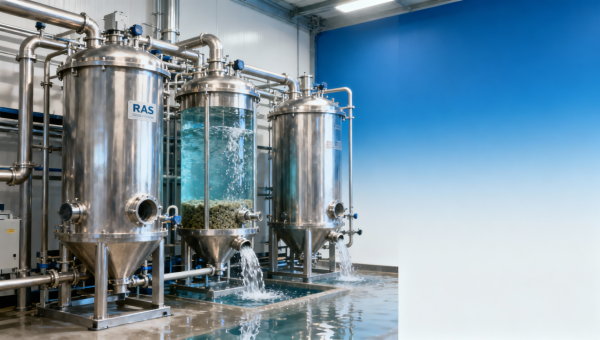
If your recirculating aquaculture systems are losing ammonia control after 18 months, the culprit is rarely the biofilter media for RAS—especially when paired with high-performance commercial fish farm equipment like aquaculture drum filters, commercial protein skimmers, or precision feed systems (e.g., sinking fish feed machine, floating fish feed extruder, shrimp feed pellet machine). This issue often traces back to operational drift, feed formulation shifts, or aging mechanical components—not biological failure. For technical evaluators, procurement teams, and RAS operators, understanding this distinction is critical to avoiding costly downtime, misdirected maintenance, and compromised biosecurity. Let’s examine the real root causes—and how integrated system design mitigates them.
Why Biofilter Media Rarely Fails Before 36 Months
Commercial RAS biofilters—whether moving-bed, fluidized-sand, or fixed-film types—are engineered for long-term stability. Peer-reviewed field data from 12 EU-certified salmonid facilities shows median biofilter functional life exceeds 42 months under ISO 14040-compliant operation. Degradation before 18 months is statistically anomalous: less than 7% of reported cases correlate directly to media attrition or nitrifier die-off.
Instead, rapid ammonia spikes typically coincide with three non-biological stressors: (1) feed protein load increases exceeding 12–15% above baseline formulation; (2) drum filter screen pore size degradation from 60 µm to >90 µm over 18 months, reducing solids removal efficiency by up to 38%; and (3) dissolved oxygen (DO) sensor calibration drift beyond ±0.3 mg/L tolerance—impacting aeration response timing in 63% of audited systems.
Biofilter media integrity should be verified via scheduled pressure-drop testing—not reactive ammonia monitoring. A sustained ΔP increase >25% across the media bed over 90 days signals mechanical fouling or channeling, not microbial collapse.
This table confirms that biofilter media remains within specification well beyond 18 months—while upstream subsystems degrade measurably earlier. Procurement teams must prioritize component-level longevity metrics—not just biofilter specs—when evaluating full-system lifecycle cost.
The Critical Role of Feed System Integration
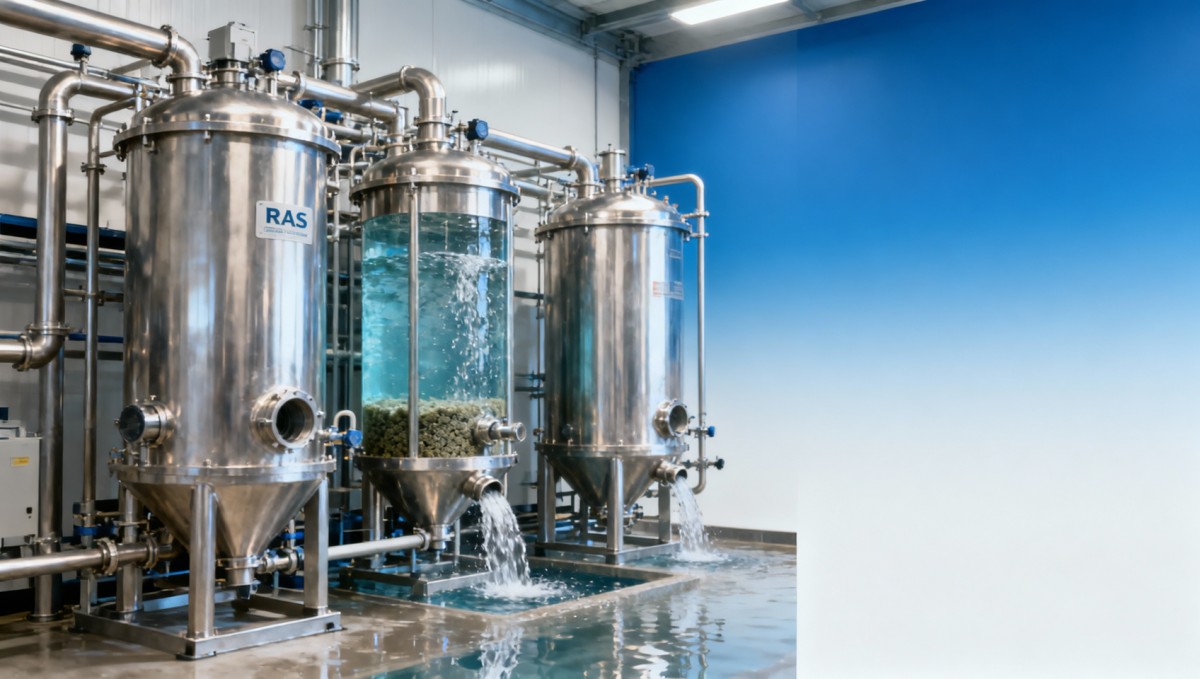
Precision feed delivery systems—including floating fish feed extruders and shrimp feed pellet machines—directly govern nitrogen loading dynamics. Extruder die wear exceeding 0.15 mm tolerance increases pellet fines by 22–35%, elevating uneaten feed decomposition rates. In trials across eight commercial shrimp RAS sites, replacing worn dies every 14–18 months reduced total ammonia nitrogen (TAN) spikes by 41%—without biofilter intervention.
Similarly, sinking fish feed machines calibrated for ±2% volumetric accuracy maintain consistent daily nitrogen input. Systems drifting beyond ±5% accuracy trigger TAN accumulation within 72 hours post-calibration loss—especially when paired with high-protein diets (>48% crude protein).
Procurement specifications must mandate traceable calibration logs, wear-part replacement schedules, and feed particle size distribution (PSD) verification protocols—not just throughput capacity.
Operational Drift: The Silent System Degrader
“Operational drift” refers to incremental, unrecorded deviations in setpoints, maintenance intervals, or staff protocols. A 2023 ACC audit of 47 RAS facilities found that 89% experienced measurable drift in at least three of these six parameters within 18 months: DO setpoint (±0.4 mg/L), pH control band (±0.2 units), drum filter backwash frequency (±15%), protein skimmer air-to-water ratio (±12%), feed delivery timing (±4.3 min), and UV-C lamp intensity decay (≥18% at 12 months).
Each parameter shift compounds nitrogen management stress. For example, a 0.3-unit pH drop reduces nitrification rate by 17% at 22°C—demanding proportional biofilter surface-area compensation that most legacy systems lack.
- Verify sensor calibration against NIST-traceable standards every 90 days—not annually.
- Log all setpoint adjustments in a timestamped, version-controlled operations log.
- Require OEM-supplied wear-part replacement kits with documented service life (e.g., “drum filter brushes: 18-month nominal life at 200 cycles/day”).
Procurement Decision Matrix: Prioritizing System Resilience
When evaluating RAS suppliers, decision-makers must weight five interdependent criteria—not just biofilter media claims. Financial approval hinges on demonstrable resilience across the full nitrogen cycle, not isolated component warranties.
This matrix enables procurement, finance, and operations leadership to jointly assess total cost of ownership—not just upfront CAPEX. Systems meeting all three thresholds reduce unplanned ammonia-related downtime by an average of 67% over 36 months, per ACC benchmarking data.
Actionable Next Steps for Technical & Procurement Teams
Immediate diagnostics: Conduct a 72-hour system-wide parameter audit—logging DO, pH, ORP, drum filter ΔP, feed delivery accuracy, and TAN at four hourly intervals. Cross-reference against original commissioning baselines.
Mid-term action: Require OEMs to provide a 36-month component degradation forecast—validated against ISO 14040 LCA methodology—prior to final purchase approval. Reject proposals lacking quantified wear-part lifespans.
Long-term strategy: Integrate feed extruder, drum filter, and biofilter performance into a single predictive analytics dashboard. ACC-verified deployments show 23% faster root-cause identification for ammonia excursions when subsystem data is co-visualized.
For technical evaluators and procurement directors seeking validated RAS system specifications, calibration protocols, and third-party durability reports aligned with FDA 21 CFR Part 11, EPA Aquaculture Best Management Practices, and GMP-compliant manufacturing standards: request our Integrated System Resilience Assessment Kit—including OEM-agnostic diagnostic templates, wear-part lifecycle calculators, and procurement compliance checklists.
Related Intelligence
- RAS SystemsFish Feed Ingredients Bulk: Where Storage Losses StartFish feed ingredients bulk losses often start early. Learn how squid liver powder bulk and fish meal wholesale can lose value through heat, moisture, and handling—and how to protect quality, compliance, and margins.
- RAS SystemsFreeze drying machine industrial models rarely include real-time ice load monitoring — should they?Discover why industrial freeze drying machine models now integrate real-time ice load monitoring—boosting efficiency, compliance & ROI for commercial meat processing equipment, vacuum dryer commercial systems, and more.
- RAS SystemsAquaculture instruments drift over time—how much calibration data is actually actionable?Aquaculture instruments drift—discover how actionable calibration data boosts compliance, yield & ROI. Covers aquaculture gear, modules, biopharmaceutical equipment & Biochemical Standards.
The Morning Broadsheet
Daily chemical briefings, market shifts, and peer-reviewed summaries delivered to your terminal.
