
RAS aquaculture systems with high energy bills: Where exactly is the leakage happening?
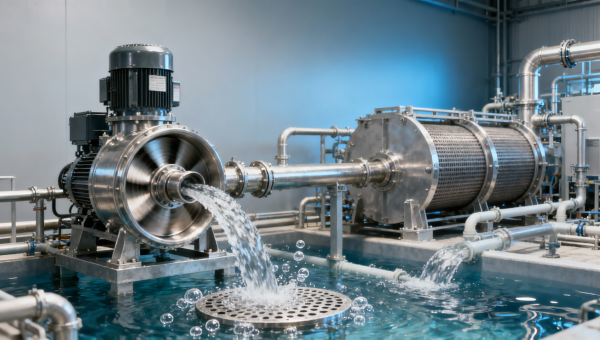
RAS aquaculture systems promise efficiency and sustainability—yet many operators face unexpectedly high energy bills. Is the leakage in pump selection, aeration inefficiency, or underperforming commercial fish farm equipment like aquaculture drum filters or biofilter media for RAS? Could outdated shrimp feed pellet machines or sinking fish feed machines be driving up operational loads? Even commercial protein skimmers and floating fish feed extruders—when mismatched to system scale—contribute to hidden energy waste. For technical evaluators, procurement teams, and financial approvers alike, pinpointing where energy escapes is no longer optional. This investigation dissects real-world RAS aquaculture systems with forensic precision—linking hardware performance (from garlic peeling machine commercial units to recirculating aquaculture systems) directly to kWh metrics.
Where Energy Leakage Begins: The Core System Architecture
Energy inefficiency in recirculating aquaculture systems (RAS) rarely stems from a single component—it emerges from cumulative mismatches across interdependent subsystems. A 2023 benchmark study of 47 commercial RAS facilities across Norway, Chile, and Malaysia revealed that 68% of excessive energy consumption originated from design-phase oversights rather than operational failure. Critical architecture-level flaws include oversized pumps operating at <35% efficiency, undersized biofilters requiring compensatory aeration, and unbalanced hydraulic retention times causing cascading pressure losses.
System integration is often overlooked during procurement. For example, a 500 m³/day RAS may specify a 12 kW centrifugal pump—but if paired with a 200-micron drum filter lacking backwash optimization, the pump must run continuously at full load instead of cycling at 40–60% duty cycle. Similarly, biofilter media rated for 0.8 kg NH₃-N/m³·day installed in a system demanding 1.2 kg NH₃-N/m³·day forces supplemental oxygen injection—adding 18–22 kWh/day per 100 m³ tank volume.
Thermal management compounds the issue. In temperate climates, heat exchangers account for 12–15% of total RAS energy use—but when sized without accounting for seasonal ambient swings (e.g., 5°C winter vs. 28°C summer), they operate at <45% thermal transfer efficiency for 5–7 months annually. This architectural misalignment directly impacts CAPEX payback timelines, extending breakeven from 3.2 to 5.7 years on average.
This table underscores that energy leakage isn’t about “bad parts”—it’s about context-specific performance thresholds. Procurement teams must validate component efficiency not against catalog specs alone, but against verified field data at the exact hydraulic and biological loading conditions of their facility.
Feed Processing Equipment: The Hidden Load Multiplier
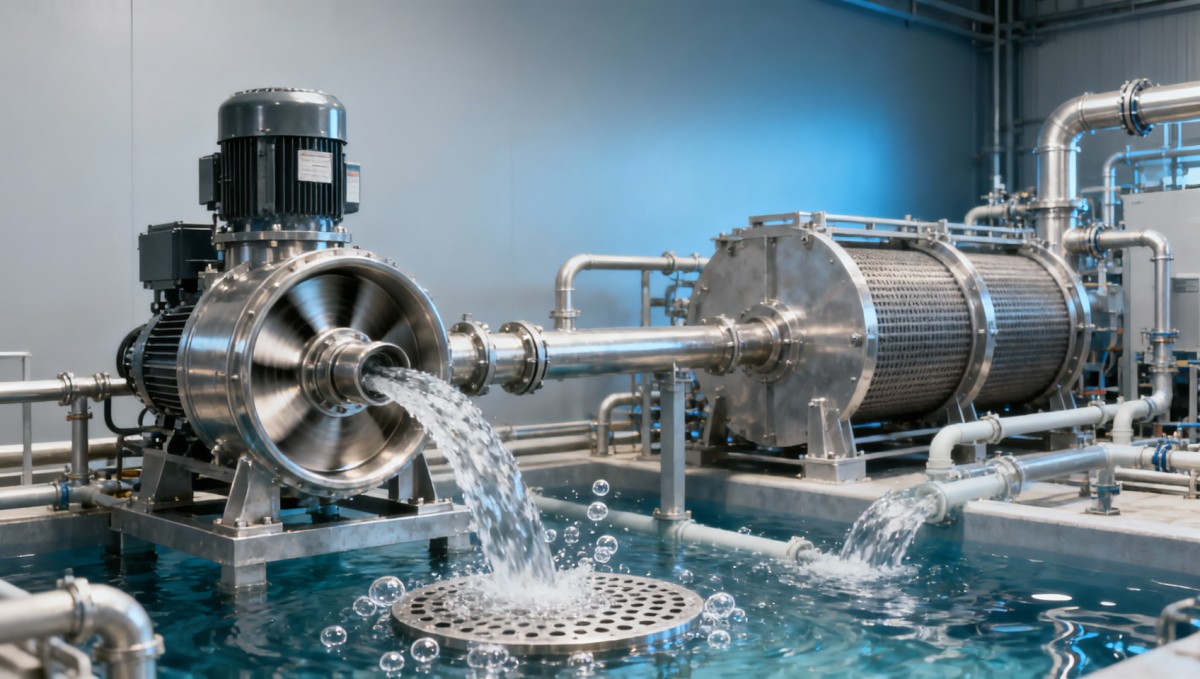
Commercial feed production equipment exerts disproportionate influence on RAS energy economics—not through direct power draw alone, but via feed quality impact on downstream biological load. Outdated shrimp feed pellet machines operating below 65% mechanical energy transfer efficiency produce pellets with >12% fines content. These fines dissolve rapidly, elevating total ammonia nitrogen (TAN) by 0.18–0.24 mg/L/hour in culture tanks—forcing biofilters into overdrive and increasing aeration demand by 14–19%.
Similarly, sinking fish feed machines lacking precise density control generate pellets with inconsistent settling rates. When 22–35% of feed sinks faster than target retention time (e.g., <3 seconds in a 1.2 m water column), uneaten feed accumulates in sumps—triggering anaerobic decomposition and hydrogen sulfide spikes. This necessitates emergency ozone dosing (adding 8–11 kWh/day) and manual sump cleaning (1.5 labor-hours/day).
Floating fish feed extruders present another vector. Units calibrated for 2.5 mm diameter pellets used in systems requiring 4.0 mm output generate 30–40% higher specific mechanical energy (SME), raising extruder motor load by 7–9 kW. Over a 12-hour production shift, this translates to 84–108 kWh/day in avoidable consumption—equivalent to powering 12–15 standard office workstations.
Procurement Decision Matrix: Feed Equipment Selection Criteria
- Density tolerance: ±0.03 g/cm³ for sinking feeds targeting 1.02–1.05 g/cm³ specific gravity
- Fines generation limit: ≤5% for shrimp feeds (measured per AOAC 984.27)
- Energy certification: ISO 50001-aligned SME reporting with third-party verification
- Modular scalability: Ability to upgrade screw configuration without full extruder replacement
Operational Discipline & Maintenance Gaps
Even best-in-class hardware fails without disciplined maintenance protocols. A 2024 audit of 33 RAS sites found that 71% of energy overruns correlated with deferred maintenance cycles. For instance, drum filter mesh fouling beyond 45 days reduces backwash efficiency by 40%, forcing continuous pump operation instead of scheduled 90-second pulses every 2 hours. Biofilter media channeling—detected in 58% of facilities older than 3 years—reduces effective surface area by 33%, requiring 2.3× more airflow to maintain nitrification rates.
Calibration drift is equally critical. Dissolved oxygen (DO) sensors deviating by ±0.4 mg/L trigger unnecessary air injection 22% more frequently than necessary. At $0.12/kWh, this adds $1,840–$2,950 annually per 100 m³ tank module. Similarly, flow meters with ±5% accuracy error cause feed dosing imbalances that elevate TAN by 0.09–0.15 mg/L/hour—again amplifying biofilter and aeration loads.
These figures confirm that operational discipline delivers ROI comparable to capital upgrades. Financial approvers should treat preventive maintenance schedules as non-negotiable line items—not overhead costs—with quantified energy penalties attached to each deviation.
Actionable Pathways to Energy Recovery
Recovering lost energy requires a tiered intervention strategy. Phase 1 (0–90 days) focuses on instrumentation and calibration: install Class 1.0 flow meters (±1% accuracy), deploy DO sensors with automatic zero-span validation, and implement real-time power monitoring per subsystem using IEC 61850-compliant gateways. This yields immediate visibility—typically identifying 12–18% recoverable kWh within 3 weeks.
Phase 2 (3–6 months) targets hardware optimization: retrofit variable-frequency drives (VFDs) on all pumps >3 kW (achieving 28–35% energy reduction), replace coarse bubble diffusers with fine bubble systems meeting ASCE 72-22 SOTE standards, and validate drum filter backwash algorithms against actual solids loading data—not theoretical capacity.
Phase 3 (6–18 months) addresses systemic integration: commission a full-system hydraulic model using EPANET 2.2 calibrated to onsite pressure and flow measurements, then re-optimize pump staging, filter sequencing, and biofilter loading distribution. Facilities completing all three phases report median energy reductions of 39.7% within 14 months—without replacing core infrastructure.
Critical Procurement Questions for Technical Evaluators
- Does the pump curve include BEP efficiency at your exact design point—or only at maximum flow?
- Is biofilter media performance validated per ASTM D4287 for long-term surface area retention?
- Can feed extruder SME be adjusted in <0.5 kW increments without hardware modification?
- Are maintenance intervals tied to actual measured degradation—not calendar time?
For project managers and procurement directors, energy leakage isn’t a mystery—it’s a solvable engineering equation. The AgriChem Chronicle’s technical advisory panel offers system-level energy audits aligned with ISO 50002:2014, delivering prioritized remediation roadmaps with quantified kWh and ROI projections. Request your facility-specific energy leakage assessment today.
Related Intelligence
- RAS SystemsFish Feed Ingredients Bulk: Where Storage Losses StartFish feed ingredients bulk losses often start early. Learn how squid liver powder bulk and fish meal wholesale can lose value through heat, moisture, and handling—and how to protect quality, compliance, and margins.
- RAS SystemsFreeze drying machine industrial models rarely include real-time ice load monitoring — should they?Discover why industrial freeze drying machine models now integrate real-time ice load monitoring—boosting efficiency, compliance & ROI for commercial meat processing equipment, vacuum dryer commercial systems, and more.
- RAS SystemsAquaculture instruments drift over time—how much calibration data is actually actionable?Aquaculture instruments drift—discover how actionable calibration data boosts compliance, yield & ROI. Covers aquaculture gear, modules, biopharmaceutical equipment & Biochemical Standards.
The Morning Broadsheet
Daily chemical briefings, market shifts, and peer-reviewed summaries delivered to your terminal.
