
How Integrated Aquaculture Systems Cut Energy Costs by 30%
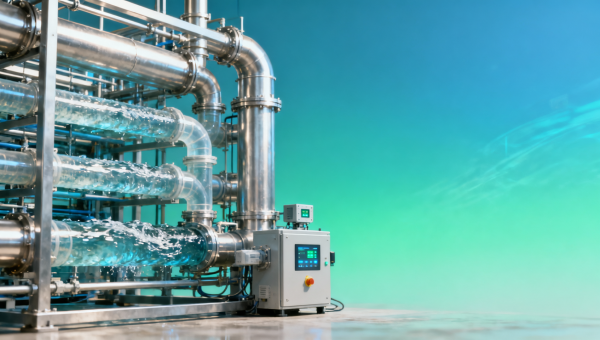
Integrated aquaculture systems are redefining agricultural tech and biochemical engineering by merging energy-efficient water management with precision feed formulation. For industrial buyers and decision-makers in agrochemicals, fishery supplies, and agri machinery, this evolution in aqua tech delivers verified data on how sustainable aquaculture systems can cut operational energy costs by up to 30%. At AgriChem Chronicle, we explore the intersection of innovation and accountability that drives industrial agriculture toward a smarter, cleaner production era.
Market Overview: The Economic Logic Behind Aquaculture Efficiency
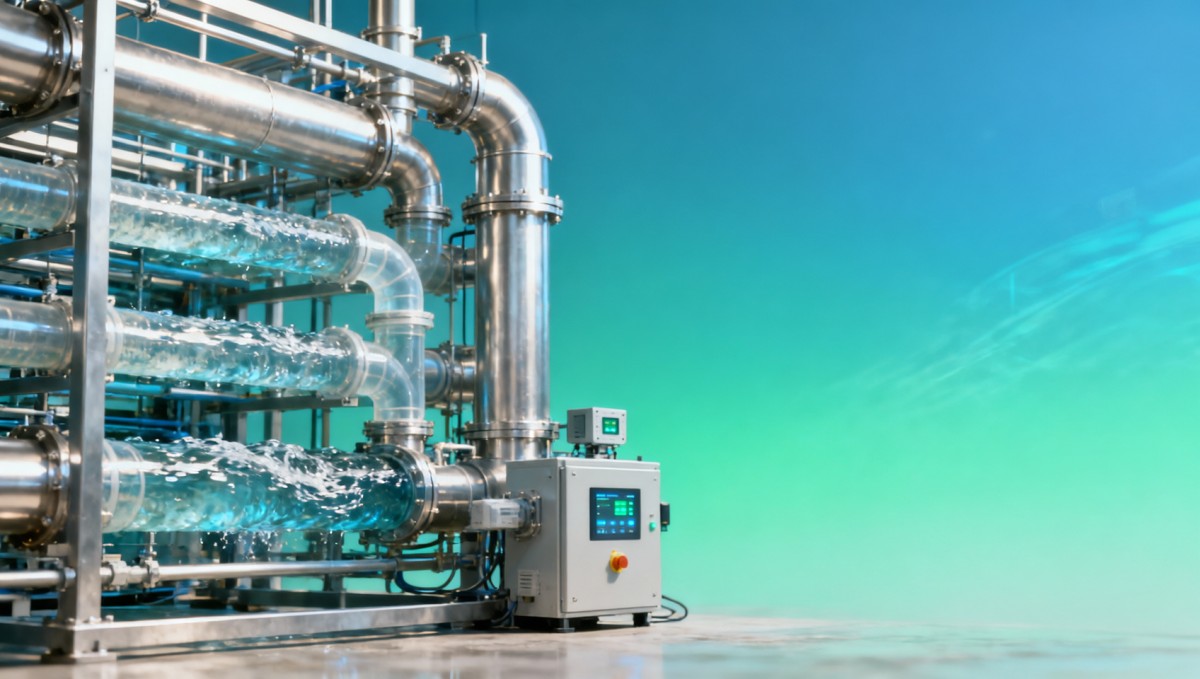
Over the past decade, integrated aquaculture has transitioned from experimental adoption to a strategic investment tool for vertically aligned producers. Between 2015 and 2023, the global aquaculture infrastructure market expanded at an average annual rate of 7.8%, driven by soaring demand for high-protein feedstocks and stricter energy compliance frameworks across 50+ countries. The energy component—typically accounting for 20–40% of total farm operational costs—became the prime target for reduction through engineering innovation.
Traditional recirculating aquaculture systems (RAS) depend heavily on constant aeration, filtration, and temperature regulation consuming between 15 kWh and 35 kWh per ton of fish produced. Integrated systems, by coupling bioenergy recovery and modular automation, can lower that range to 10–22 kWh, delivering measurable savings of approximately 30% on electricity bills per production cycle.
For agribusiness CFOs and project managers, these cost curves translate into shorter payback periods—often 2.8–3.5 years compared to 5–6 years with legacy systems. Consequently, sustainability now aligns with profitability, moving aquaculture adoption from environmental compliance to strategic capital optimization.
The demand for integrated aquaculture is particularly notable among feed and biochemical ingredient manufacturers operating under GMP and EPA frameworks, where energy intensity and traceability form part of quarterly audit requirements.
Technical Performance and System Architecture
An integrated aquaculture system combines water recirculation, waste-to-energy conversion, and data-driven feeding. It is typically constructed around four functional modules: biofiltration, nutrient recovery, thermal regulation, and control automation. Each operates within defined parameter ranges to optimize throughput and reduce energy waste.
Key engineering parameters include dissolved oxygen maintenance at 6–8 mg/L, water reuse rates over 90%, and heat exchange efficiency between 65%–78%. With variable frequency drives (VFDs) on pump systems, power draw can be trimmed by 1.5–3 kW per loop compared with fixed-speed setups.
The table below outlines benchmark efficiency levels observed in modern integrated modules for cross-sector comparison:
When scaled to production volumes of 100–200 tons per year, these composite savings equate to roughly 125,000 kWh annually—enough to offset capital expenditure in under 36 months for mid-tier installations.
Maintenance cycles are also reduced, with automated sensor calibration intervals extended to every 90 days versus 30 days previously, freeing valuable labor hours and improving uptime ratios to 97% or higher.
Procurement and Decision Framework for Industrial Buyers
Procurement teams evaluating integrated aquaculture solutions must weigh total cost of ownership against regulatory demands and capacity targets. Given the multi-disciplinary nature of aqua tech—spanning mechanical, biochemical, and environmental elements—buying decisions benefit from a criteria-based matrix involving at least five core assessment metrics.
Decision-makers typically assess vendor performance across delivery timeframes (three to six months), certification portfolios (GMP, ISO 14001, or EPA registration), scalability ranges, post-installation service protocols, and digital monitoring integration. The following table summarizes standard evaluation dimensions and corresponding benchmarks observed across global suppliers:
Procurement officers should also examine the supplier’s documentation transparency—data logging intervals (every 15–30 minutes) and traceability depth—as key differentiators for QA and compliance audits, particularly when integrated systems are operated within GMP-regulated aquafeed chains.
In decision workshops, cross-department alignment between engineering teams and financial controllers ensures energy savings are factored into net-present-value calculations rather than treated as incidental benefits.
Implementation Workflow and Compliance Alignment
Deploying an integrated aquaculture system follows a four-phase project pathway: feasibility analysis (2–3 weeks), pilot commissioning (6–8 weeks), energy optimization (3–5 weeks), and performance validation (2 weeks). Each stage incorporates checkpoints for compliance verification and process tuning.
Common compliance frameworks include EPA water discharge permits, ISO 50001 energy management systems, and local environmental bureau approvals. Alignment with these regulations must be proven through documented energy baselines and test data accuracy within ±2% tolerance.
Stepwise Implementation Checklist
- Verify initial energy audits covering 30-day consumption averages.
- Establish real-time monitoring connections using industrial IoT gateways.
- Conduct hydraulic mapping of ponds and channels for optimal flow balance.
- Apply nutrient recovery modeling to establish feed conversion ratios (FCR: 1.1–1.3).
- Document verification reports in line with GMP and ISO 14040 LCA standards.
Integrated systems not only facilitate energy efficiency but can also enhance biowaste valorization—using fish sludge for biogas generation or fertilizer base material—returning 5–10% of total farm energy requirements back to the loop.
FAQs: Common Challenges in Aquaculture Integration
How long does it take to reach breakeven after upgrading?
Most facilities achieve breakeven between the third and fourth operational year. Smaller pilot ponds of 50–80 tons annual capacity often recover investment in under 30 months when electricity prices exceed $0.12 per kWh.
What are the key indicators to track daily efficiency?
Monitor pump rpm load (target 70–85% rated speed), aeration hours (<10h/day), feed conversion ratios around 1.2:1, and water reuse above 88%. Deviations beyond 5% should trigger automated system recalibration.
Which sectors benefit most from integration?
Fish processing plants, pharmaceutical API precursor farms, aquafeed mills, and bio-ingredient suppliers gain synergies because nutrient recovery yields additional biochemical feedstock suitable for secondary production lines.
What are the common procurement mistakes?
Many buyers underestimate calibration costs or fail to include automation licenses in initial budgeting. A best practice is to allocate 8–12% of system cost for software and sensor lifecycle management over five years.
Call to Action: Partner with AgriChem Chronicle for Verified Insight
At AgriChem Chronicle, our editorial partnership program bridges data analytics, regulatory intelligence, and procurement relevance. For manufacturers, chemical synthesizers, and equipment OEMs engaged in aquaculture or feed-ingredient sectors, aligning your innovation narratives with verified energy-performance data amplifies trust among institutional procurement teams.
You can consult our experts for:
- Detailed parameter validation for aquaculture energy reduction models.
- Equipment selection and specification mapping to match GMP or EPA criteria.
- Custom market outlooks connecting biochemical recovery and energy metrics.
- Supply chain transparency audits ensuring traceable, compliant system adoption.
Contact AgriChem Chronicle to access technical briefings, whitepapers, and verified supplier directories. Let your next integrated aquaculture investment deliver measurable energy savings and enduring market credibility across the primary industries landscape.
Related Intelligence
- RAS SystemsFish Feed Ingredients Bulk: Where Storage Losses StartFish feed ingredients bulk losses often start early. Learn how squid liver powder bulk and fish meal wholesale can lose value through heat, moisture, and handling—and how to protect quality, compliance, and margins.
- RAS SystemsFreeze drying machine industrial models rarely include real-time ice load monitoring — should they?Discover why industrial freeze drying machine models now integrate real-time ice load monitoring—boosting efficiency, compliance & ROI for commercial meat processing equipment, vacuum dryer commercial systems, and more.
- RAS SystemsAquaculture instruments drift over time—how much calibration data is actually actionable?Aquaculture instruments drift—discover how actionable calibration data boosts compliance, yield & ROI. Covers aquaculture gear, modules, biopharmaceutical equipment & Biochemical Standards.
The Morning Broadsheet
Daily chemical briefings, market shifts, and peer-reviewed summaries delivered to your terminal.
