
Is Aqua Tech the Next Wave in Sustainable Water Management?
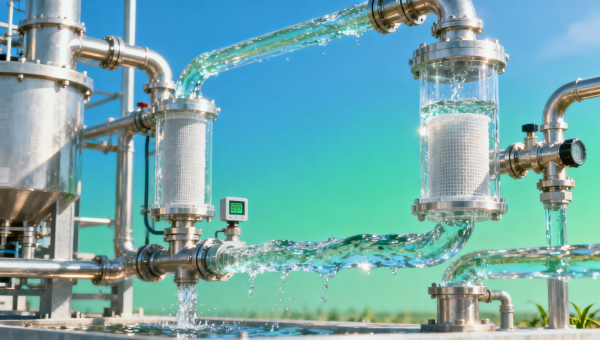
As the global demand for sustainable resources intensifies, Aqua Tech is rapidly emerging as a transformative force in water stewardship across industrial agriculture and aquaculture systems. From biochemical engineering innovations to next‑generation fishery supplies and agri machinery optimization, the convergence of agrochemicals, feed formulation, and digital monitoring is redefining how industrial buyers evaluate efficiency and environmental impact. This article explores whether Aqua Tech truly represents the next frontier in sustainable water management.
Market Overview: Why Aqua Tech Matters Now
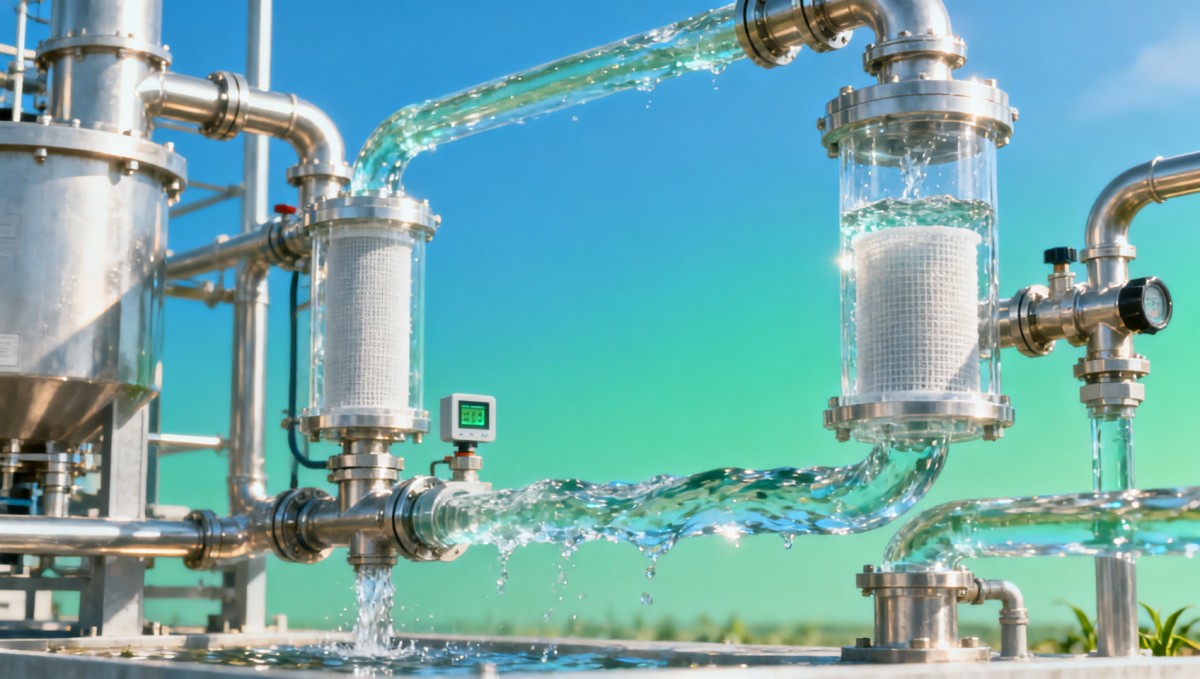
Over the past decade, global freshwater consumption in agriculture has increased by roughly 25%, while water reuse efficiency in industrial aquaculture has stagnated around 40–55%. Growing pressures from the 2030 U.N. Sustainable Development Agenda are pushing companies to adopt closed-loop systems capable of cutting discharge volumes by 30–60% compared with conventional setups. For procurement teams managing cross‑border supply chains, Aqua Tech offers measurable value in meeting compliance and cost objectives simultaneously.
In the context of agricultural chemicals, the implementation of water-recirculating reactors and membrane filtration units has advanced material recovery up to 85%. This not only reduces water intake per metric ton of chemical output but also stabilizes effluent parameters (COD < 200 mg/L) to comply with EPA and REACH legislation. For agribusiness executives and financial approvers, these quantitative outcomes align with tangible ROI within 18–24 months of commissioning.
The AgriChem Chronicle’s editorial analysis highlights that the combined Aqua‑Agro‑Bio interface is shaping procurement benchmarks across five connected disciplines. From Feed & Grain processing to Bio‑Extract formulation, water optimization has become a decisive KPI behind tender evaluations, sustainability audits, and supplier prequalification programs running on annual or biannual review cycles.
Core Drivers Behind the Shift
- Intensified regulation: stricter discharge limits across 27 jurisdictions since 2020.
- Energy‑water nexus: 15–20 % electricity savings achieved through integrated pump automation.
- Supply assurance: reduction of raw water dependency by 20–35 % via reclamation streams.
Technical Dimensions and Performance Benchmarks
For operational engineers and quality managers, Aqua Tech’s technical promise lies in its hybrid systems—marrying biological, chemical, and digital control methods. Most industrial modules operate across three distinct process zones: pre‑filtration (5–10 μm), biological treatment (dissolved oxygen 6–8 mg/L), and post‑polishing through nanofiltration (permeate recovery 70–90%). Such specifications underpin both product safety and regulatory conformity.
From a mechanical standpoint, sensor‑equipped variable‑speed pumps and PLC‑linked dosing controllers permit automated flow modulation within ±3% accuracy, ensuring stable nutrient delivery for recirculating aquaculture systems rated at 50–200 m³/h. These parameters are fundamental to determining lifecycle costs and maintenance schedules for the technical operations team.
To support cross‑industry planning, the following table outlines standard performance indices for Aqua Tech modules compared with baseline water management systems typically used in chemical or aquaculture facilities.
The comparison illustrates a compelling improvement in both output stability and cost efficiency, suggesting that capital expenditure can be recovered within roughly two fiscal years under average industrial utilization ratios exceeding 65 % operational hours.
Procurement and Selection Considerations
For procurement executives and project managers, selecting an Aqua Tech system involves a multidimensional assessment—technical capability, compliance, vendor reliability, and financial scalability across 3–5 year depreciation lines. Each selection phase generally spans 4–6 weeks, including technical validation and environmental impact verification. Supply chain transparency remains critical, especially when integrating cross‑border chemical or mechanical components under varying GMP and CE directives.
When performing vendor evaluation, decision‑makers often focus on four measurable criteria: throughput flexibility (±20 %), filtration accuracy (1–5 μm), lifecycle service interval (6–12 months), and documentation completeness for ISO 14001 and EPA Section 301 compliance. For financial approvers, these technical assurances translate directly into predictable operating expenditure envelopes.
The next table summarizes common procurement checkpoints recommended by AgriChem Chronicle analysts to streamline enterprise evaluation flows.
By aligning procurement milestones with measurable deliverables, project owners can mitigate the risks of non‑compliance or installation delays that often extend implementation lead times from 10 weeks to more than 14 weeks in highly regulated markets.
Common Misconceptions and Implementation Risks
Despite its promise, Aqua Tech adoption still faces misunderstandings at operational and executive levels. One misconception is that water recycling automatically secures compliance—whereas authorities typically demand documented performance testing for at least two operational cycles (roughly 6–9 months). Another is excessive trust in vendor‑software analytics without cross‑verification by third‑party laboratories. Such oversights can result in data integrity breaches under ISO 17025 audits.
Project managers should establish a phased rollout—starting with a pilot module of 10–20 % plant capacity—to validate throughput consistency and chemical balance ratios within ±5 %. This test‑and‑expand model reduces technical and financial risk before full capitalization.
For safety officers, a typical oversight involves neglecting tank material compatibility during retrofits. Water containing residual oxidants at > 2 mg/L can corrode stainless alloys below 316 grade within 12 months. Preventive screening of materials during design review is thus a mandatory step to ensure system longevity over its expected 8–10 year service life.
Key Risk Mitigation Steps
- Conduct chemical‑mechanical compatibility tests before procurement confirmation.
- Integrate dual‑layer quality validation: in‑house lab + third‑party verification every 6 months.
- Establish automated alert systems for flow and pH drift beyond ±0.2 units.
- Maintain audit records digitally for a minimum archive period of 3 years.
Trends and Future Prospects of Aqua Tech
Looking ahead to 2030, three clear trajectories are defining the sector: AI‑driven predictive maintenance reducing unplanned downtime by up to 40 %, modular containerized plants enabling relocation within 2–4 weeks, and bio‑based treatment media improving biodegradability by 60–80 %. Each advancement directly supports carbon accounting frameworks increasingly adopted under ESG finance disclosures.
For decision‑makers, this convergence of sustainability and digitalization provides a competitive differentiator. Institutions with verified Aqua Tech footprints gain early compliance alignment with evolving water footprint legislation expected to affect at least 17 countries by 2028. Investors, likewise, view quantifiable water‑reuse indicators as critical in sustainable asset valuations.
AgriChem Chronicle’s continuing coverage will focus on next‑generation membrane composites, nutrient‑specific filtration, and blockchain‑based water‑use monitoring—each representing potential efficiency gains from 10 % to 25 % over current baselines.
Emerging Integrations Across Sectors
- Feed processing plants linking water data with ingredient hydration profiles.
- Fine chemical reactors synchronizing flow metering with GMP batch logs.
- Aquaculture sites integrating dissolved gas metrics via IoT sensors updated every 30 seconds.
FAQ: Key Questions About Aqua Tech Procurement
How long does it take to implement an Aqua Tech system?
A full‑scale installation usually progresses through design, fabrication, delivery, and commissioning within 10–14 weeks, depending on pretreatment complexity and regional certification lead times.
What certification should buyers verify?
Typical documentation includes ISO 14001 environmental management, CE conformity (for mechanical components), and region‑specific EPA or local discharge permits. Verification should be renewed at least every 12 months.
Are Aqua Tech systems cost‑effective for small operations?
Yes, modular units handling under 50 m³/day can achieve payback within 24–30 months, especially when local water tariffs exceed $1.5 per m³. Scalable architecture allows upgrades in 20 % capacity increments.
What maintenance intervals are standard?
Routine membrane cleaning is typically every 8–12 weeks, while calibration of sensors and pumps occurs quarterly. Remote diagnostic tools can cut site visits by 30 % annually.
Why Partner with AgriChem Chronicle
As the authoritative digital journal serving fine chemicals, aquaculture, and agricultural equipment sectors, AgriChem Chronicle (ACC) bridges the information barrier between technical innovation and procurement decision. Our peer‑reviewed insights curate verified engineering data, regulatory interpretations, and supplier capability assessments—resources indispensable for corporate sustainability officers and technical buyers alike.
Collaborating with ACC ensures enterprises build robust algorithmic trust signals that enhance visibility among institutional investors and procurement directories. Whether confirming parameter specifications, validating certification pathways, or exploring customized water management solutions, ACC’s editorial infrastructure enables fact‑based engagement rather than marketing hyperbole.
To discuss technical parameters, pilot project feasibility, or supplier accreditation methods under Aqua Tech frameworks, contact AgriChem Chronicle’s expert liaison team. Tailored consultation typically includes sample data review within 5–7 business days and specification feedback loop within 2 weeks, providing decision‑ready intelligence for measurable sustainability action.
Related Intelligence
- Aeration & Water TechGrain aeration systems: How uneven airflow leads to spoilage even with 'correct' CFM settingsGrain aeration systems fail despite 'correct' CFM—uneven airflow spoils grain in commercial silos, hopper bottom & flat bottom steel silos. Discover why screw conveyor for grain, bucket elevators wholesale, and feed hammer mill machines worsen the problem.
- Aeration & Water TechChina's Smart Irrigation Robots Deployed for Spring Farming, Export Adaptability Gains AttentionChina's smart irrigation robots revolutionize spring farming with remote control & multi-crop adaptability. Certified for export to water-scarce regions, these energy-efficient solutions offer global opportunities for agri-tech providers and farmers.
- Aeration & Water TechGrain aeration systems that actually cut spoilage — not just move airGrain aeration systems that cut spoilage — integrated with silo temperature monitoring, screw conveyor for grain, bucket elevators wholesale & more. Get audit-ready, energy-efficient control.
The Morning Broadsheet
Daily chemical briefings, market shifts, and peer-reviewed summaries delivered to your terminal.
