

The Authority in Global Agricultural Chemistry & Bio-Resources
Five Ministries Launch Battery Recycling Enforcement for Exports
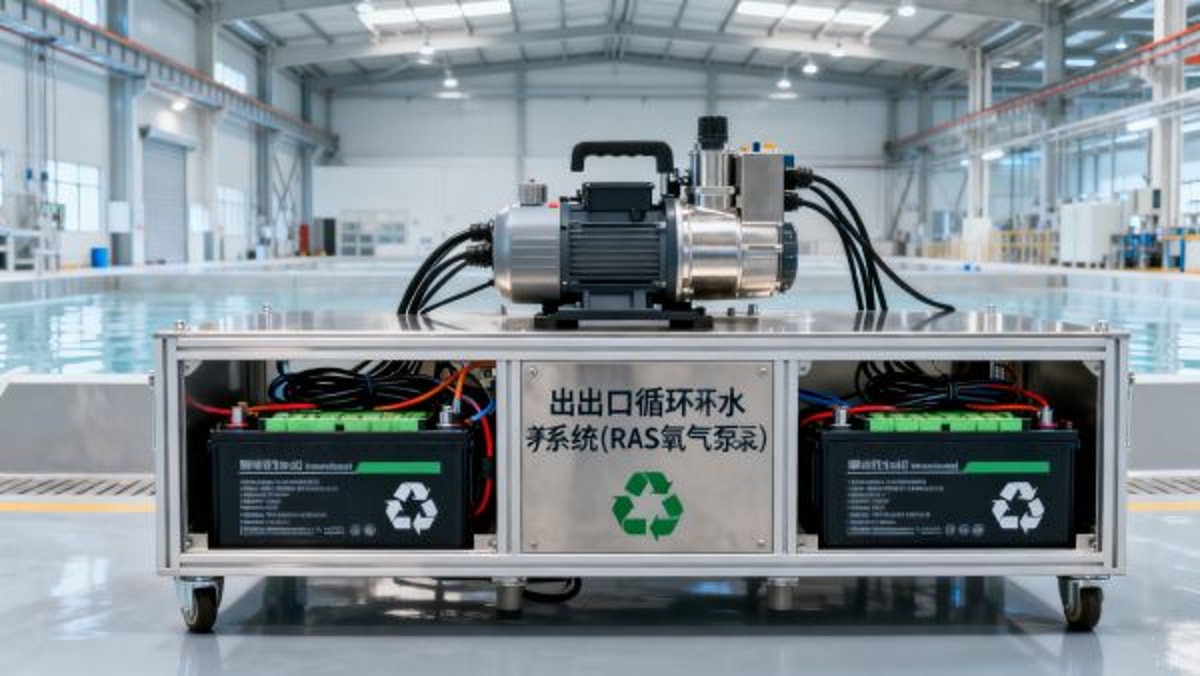
On May 4, five Chinese government departments—including the Ministry of Industry and Information Technology—jointly issued a notice launching a coordinated law enforcement campaign targeting the recycling and reuse of spent power batteries. This initiative directly affects exporters of equipment containing such batteries, including RAS (Recirculating Aquaculture Systems) oxygenation pumps and mobile power units used in aeration and water treatment technologies. Companies engaged in cross-border trade of these products must now verify battery compliance pathways, making this development highly relevant to exporters, equipment manufacturers, and supply chain service providers in the aquaculture, wastewater treatment, and industrial power sectors.
Event Overview
On May 4, the Ministry of Industry and Information Technology, along with four other departments, jointly released the Notice on Launching a Special Joint Law Enforcement Campaign to Standardize the Recycling and Utilization of Spent Power Batteries. The notice explicitly includes lithium-ion power batteries embedded in exported equipment—such as RAS oxygenation pumps and aeration & water technology mobile power units—within its full-chain regulatory scope. Exporters are required to submit a battery source compliance statement and a recycling responsibility commitment letter. Failure to provide these documents may impact the renewal of customs AEO (Authorized Economic Operator) Advanced Certification.
Which Subsectors Are Affected
Direct Export Trading Enterprises
These enterprises face new documentation requirements before shipment. Since the notice links battery compliance to AEO Advanced Certification renewal—a key facilitator for customs clearance—their export efficiency and certification status may be directly impacted if declarations are incomplete or delayed.
Equipment Manufacturers (e.g., RAS & Aeration System Producers)
Manufacturers integrating power batteries into their systems—especially those designing portable or off-grid units—must now trace battery sourcing and clarify end-of-life responsibilities. Their product design, procurement contracts, and technical documentation may require updates to meet the new accountability framework.
Supply Chain & Logistics Service Providers
Firms offering export compliance support, customs brokerage, or logistics coordination will need to incorporate battery-related verification steps into their service workflows. This includes reviewing supplier declarations, validating battery origin claims, and advising clients on documentation timelines ahead of customs submission.
What Relevant Enterprises or Practitioners Should Focus On—and How to Respond
Monitor official implementation guidance and sector-specific FAQs
The notice is a framework-level directive; detailed operational procedures—including acceptable formats for compliance statements and definitions of ‘recycling responsibility’—are not yet publicly available. Enterprises should track updates from MIIT and General Administration of Customs, particularly any sectoral clarifications for aquaculture or water tech equipment.
Identify and map battery-integrated products in current export portfolios
Companies should audit their exported goods to determine which models contain removable or built-in power batteries meeting the definition of ‘power battery’ under Chinese regulations (e.g., lithium-ion, ≥1 kWh capacity). RAS oxygenation pumps and mobile aeration units are explicitly cited, but similar portable power systems may fall under scrutiny.
Engage upstream battery suppliers early to secure traceability documentation
Compliance hinges on verifiable battery origin. Exporters and manufacturers should request written confirmation from battery suppliers—including batch numbers, production dates, and recycling program participation—well before shipment planning begins. Internal recordkeeping systems may need adjustment to retain this data for audit readiness.
Review AEO Advanced Certification renewal timelines and prepare contingency plans
Since non-compliance may affect AEO renewal, firms scheduled for recertification in late 2024 or early 2025 should treat battery documentation as part of their pre-audit preparation—not an afterthought. Allocating internal resources for cross-departmental coordination (R&D, procurement, compliance, logistics) is advisable.
Editorial Perspective / Industry Observation
Observably, this notice signals a tightening of environmental accountability across China’s export control system—not just for standalone batteries, but for batteries embedded in finished equipment. Analysis shows the move reflects a broader policy trend: extending extended producer responsibility (EPR) principles to downstream applications, especially where energy storage enables critical infrastructure functions (e.g., aquaculture oxygenation, emergency water treatment). It is currently more of a regulatory signal than an immediately enforceable regime, as implementation details remain pending. From an industry perspective, the emphasis on documentation over technical standards suggests near-term impact will be procedural rather than technological—but procedural delays can still disrupt shipping schedules and certification continuity. Continued monitoring is warranted, particularly for how enforcement priorities evolve across equipment categories beyond the named examples.
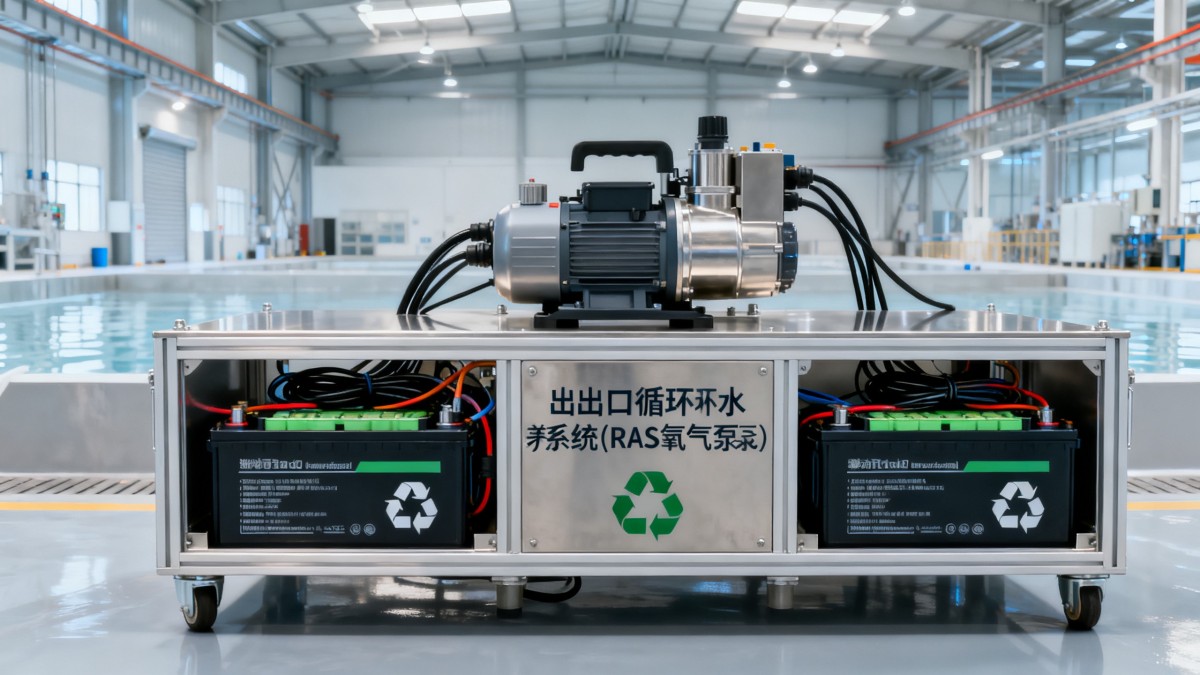
This notice marks a formal integration of battery lifecycle governance into China’s export compliance architecture. Its immediate significance lies not in new technical restrictions, but in the institutionalization of battery traceability and stewardship obligations for exporters—even when batteries are components, not final products. Current understanding should focus on preparedness: verifying product coverage, securing upstream documentation, and aligning internal processes with emerging administrative expectations.
Source: Joint Notice issued by the Ministry of Industry and Information Technology and four other departments on May 4 (title: Notice on Launching a Special Joint Law Enforcement Campaign to Standardize the Recycling and Utilization of Spent Power Batteries).
Note: Specific implementation guidelines, enforcement thresholds, and eligibility criteria for compliance documentation remain pending and are subject to further official clarification.
Related Intelligence
- RAS SystemsFive Ministries Launch Battery Recycling Enforcement for ExportsBattery recycling enforcement is now live for exports—learn how the Five Ministries' new rules impact RAS pumps, mobile power units & AEO certification.
- RAS SystemsFAO Adds 3 Chinese RAS Integrators to Global Priority ListFAO adds 3 Chinese RAS integrators to its 2026 Global Priority List—boosting credibility for aquaculture equipment exporters, AI-driven tech providers, and modular system suppliers targeting Middle East & arid-region markets.
- RAS SystemsAquaculture & Fishery equipment upgrades that pay back soonerAquaculture & Fishery equipment upgrades that pay back sooner: discover high-ROI improvements in feeding, energy, monitoring, and compliance to cut costs and support smarter capital decisions.
The Morning Broadsheet
Daily chemical briefings, market shifts, and peer-reviewed summaries delivered to your terminal.
