

The Authority in Global Agricultural Chemistry & Bio-Resources
Aquaculture & Fishery equipment upgrades that pay back sooner
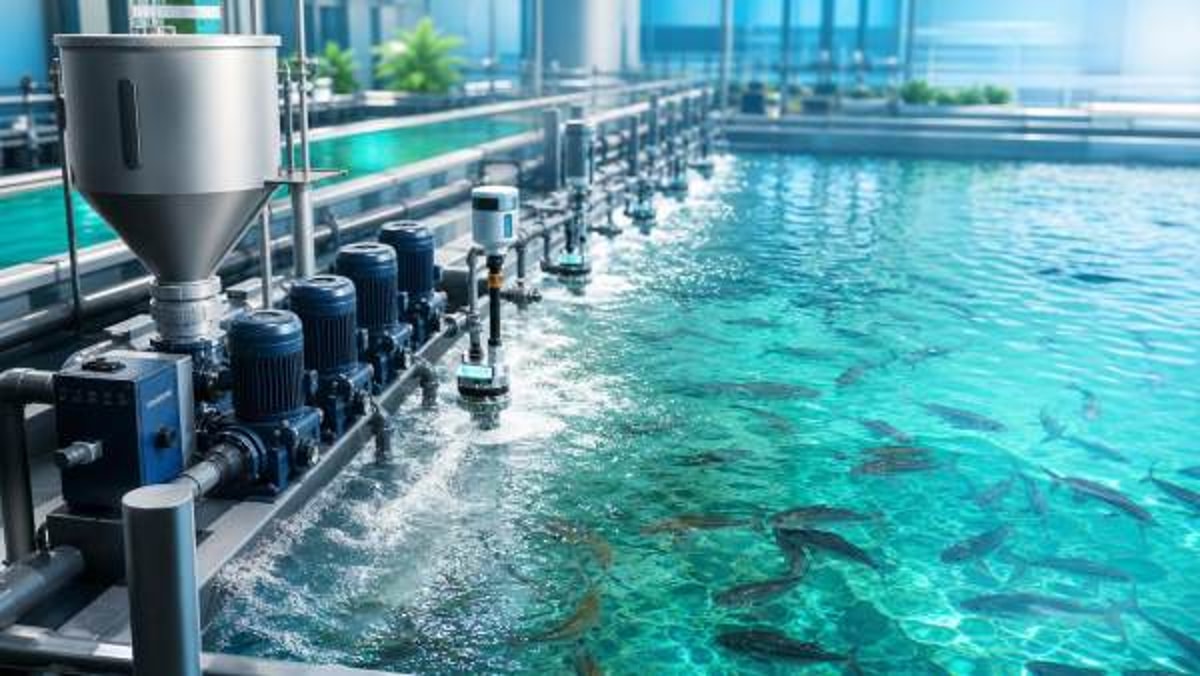
For finance decision-makers, Aquaculture & Fishery equipment upgrades are no longer just technical improvements—they are capital decisions that can shorten payback periods, reduce operating costs, and strengthen compliance performance. This article examines which upgrades deliver faster returns, how to evaluate total lifecycle value, and where procurement teams can capture measurable gains without overextending budgets.
Why a checklist approach works better for capital approval
In quaculture & Fishery operations, many upgrade proposals sound attractive because they promise automation, efficiency, or sustainability. Yet financial approval depends less on technical enthusiasm and more on disciplined screening. A checklist-based review helps decision-makers compare upgrades by payback speed, risk exposure, maintenance burden, and compliance impact rather than by vendor claims alone.
This matters especially in mixed primary-industry businesses where cash is allocated across machinery, feed systems, storage, processing, and environmental controls. Finance teams need a method to identify which Aquaculture & Fishery investments produce near-term savings, which ones protect against regulatory cost, and which should be delayed until operating conditions justify them.
First-pass screening: the upgrade checklist finance teams should use
Before reviewing specifications, start with the following approval checks. These questions help separate essential upgrades from expensive but slow-return projects in quaculture & Fishery facilities.
- Does the upgrade reduce a major recurring cost such as feed loss, energy use, labor hours, mortality, water treatment chemicals, or unplanned maintenance?
- Can the savings be measured within 3 to 12 months using current operating data rather than estimated future growth assumptions?
- Does it lower compliance risk related to discharge, biosecurity, food safety, worker safety, or reporting obligations?
- Can the new equipment integrate with existing tanks, ponds, cages, pumps, power systems, or monitoring software without major retrofitting?
- Is uptime protection included through spare parts access, local service support, training, and clear preventive maintenance intervals?
- Will the upgrade improve output quality, survival rate, grading consistency, or harvest predictability in a way buyers will pay for?
- Is the payback dependent on ideal operating behavior, or can it still perform under normal staffing and seasonal variability?
Upgrades that usually pay back sooner in Aquaculture & Fishery operations
Not all equipment upgrades return capital at the same pace. For most operators, the faster-payback category is the one tied directly to daily waste reduction, energy efficiency, or labor compression. The following areas deserve priority review.
1. Smart feeding and feed delivery control
Feed is often the largest variable cost in quaculture & Fishery production. Upgrades such as automated feeders, sensor-linked feeding control, camera-assisted appetite monitoring, and dosage calibration typically produce measurable returns because they reduce overfeeding, improve feed conversion ratios, and limit nutrient discharge. If a site has inconsistent manual feeding practices, this category often delivers one of the shortest payback periods.
2. Aeration, oxygenation, and energy-efficient pumping
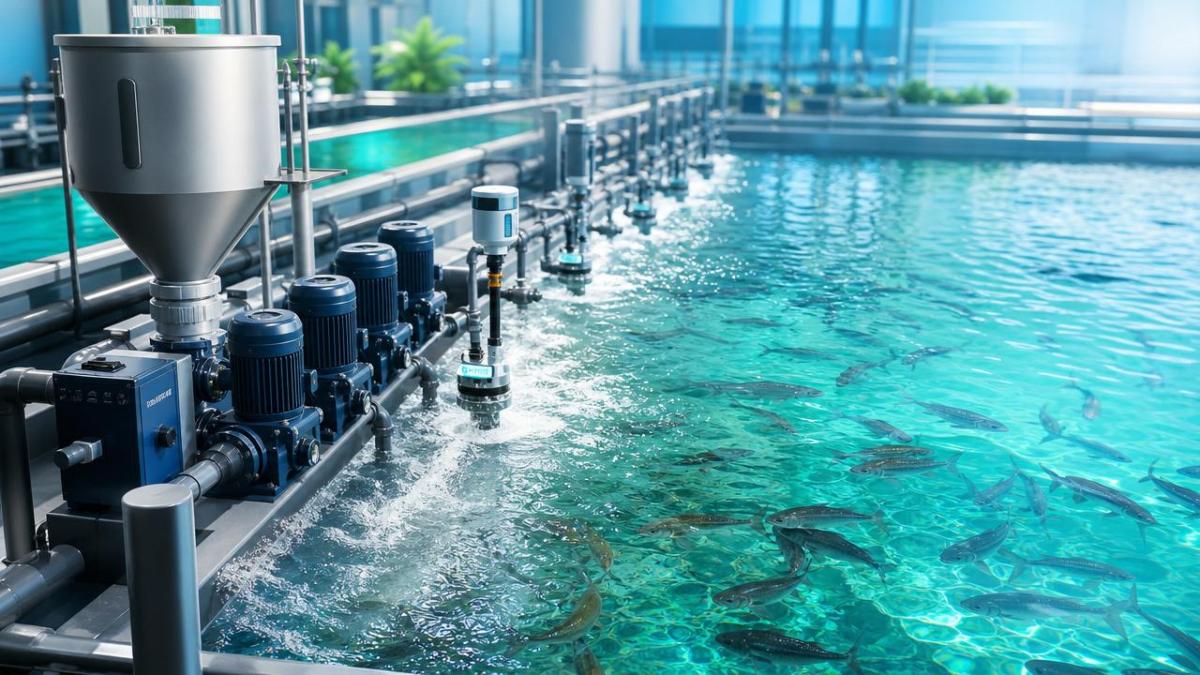
Electricity is another major operating expense, especially in intensive systems. High-efficiency blowers, variable frequency drives, upgraded impellers, oxygen control systems, and optimized pump packages can reduce energy draw while stabilizing water quality. These projects become especially attractive where utility tariffs are rising or where power instability creates production risk.
3. Water quality monitoring and alert systems
Sensors for dissolved oxygen, pH, temperature, turbidity, ammonia, and salinity may not always look like headline capital items, but they often prevent losses that dwarf their purchase cost. For finance approvers, the value case is strongest when historical data shows mortality spikes, inconsistent growth, or staff shortages during off-hours. Remote alerts and dashboard visibility can reduce the cost of delayed response.
4. Grading, sorting, and harvest handling equipment
Post-growth losses are frequently underestimated. Fish handling systems, graders, pumps designed for lower stress transfer, and harvest logistics equipment can improve yield quality and reduce bruising or mortality during movement. This matters where contract pricing is sensitive to uniform sizing or condition at delivery.
5. Biosecurity and waste management improvements
Disinfection units, filtration upgrades, sludge handling, solids removal, and containment improvements often generate returns indirectly. They may not cut labor dramatically, but they reduce disease events, discharge penalties, and cleanup costs. In regulated markets, these upgrades support both operational continuity and audit readiness.
How to judge payback beyond the purchase price
For quaculture & Fishery capital planning, simple payback should never be calculated from vendor savings claims alone. A stronger approval model combines direct cost reduction, production stability, and risk avoidance.
A useful rule is to score every proposal on three timelines: immediate savings within 12 months, medium-term resilience within 24 months, and strategic compliance value over the asset life. In Aquaculture & Fishery, the best upgrades often perform well in at least two of these three windows.
Scenario-based priorities: where different operators should focus first
For intensive recirculating or tank-based systems
Prioritize oxygen control, filtration efficiency, backup power integration, and real-time monitoring. These environments are capital-dense and sensitive to system failure, so small equipment improvements can have outsized financial impact. The key approval question is whether the upgrade reduces the probability of a high-cost event.
For pond-based operations
Aeration efficiency, feeding automation, water movement optimization, and mobile testing systems often come first. Here, savings usually come from energy control and improved feed use rather than heavy process automation.
For cage and open-water operations
Focus on feeding accuracy, remote surveillance, mooring integrity support equipment, and harvest handling systems. The strongest financial gains often come from reduced feed waste, lower service trips, and better survival during transfer and harvesting.
For integrated fishery processing businesses
Do not evaluate farm equipment in isolation. In quaculture & Fishery supply chains connected to grading, chilling, packaging, or feed processing, the return can improve when upstream equipment stabilizes downstream throughput. A slightly higher farm-side investment may be justified if it reduces sorting labor, product rejects, or delivery inconsistency later in the chain.
Commonly overlooked cost items that distort ROI
Many underperforming capital projects are not bad technologies; they were simply approved with incomplete financial assumptions. Watch these items carefully:
- Installation modifications such as concrete work, pipe rerouting, electrical upgrades, or corrosion protection.
- Training time and early productivity loss while operators adapt to new control logic.
- Consumables, calibration kits, probes, membranes, filters, and software subscriptions.
- Spare parts lead times, particularly for imported Aquaculture & Fishery equipment with specialized components.
- Downtime during commissioning or seasonal timing conflicts that delay expected savings.
- Environmental exposure effects, including salinity, humidity, UV degradation, and biofouling.
A practical approval framework for procurement and finance
If your team is comparing multiple quaculture & Fishery upgrades, use a staged decision process instead of a single quote review.
- Establish the baseline: collect 12 months of feed cost, energy use, labor hours, maintenance records, mortality events, and compliance incidents.
- Define the value driver: specify whether the project is aimed at cost reduction, output stabilization, compliance, or a combination.
- Request evidence: ask suppliers for site-specific case data, not generic brochures. Similar species, water conditions, and production density matter.
- Stress test the forecast: model best-case, expected-case, and conservative-case payback scenarios.
- Check support quality: validate installation scope, local service access, training plans, and warranty terms.
- Approve in phases if needed: pilot one production block or one farm zone before full rollout.
Risk reminders before signing an equipment contract
The fastest way to destroy payback is to buy equipment that is technically advanced but operationally misaligned. In Aquaculture & Fishery settings, risk rises when digital systems depend on unstable connectivity, when spare parts are sourced from one region only, or when the workforce is not prepared for calibration and preventive maintenance. Finance leaders should also confirm whether compliance obligations may change over the asset life, since environmental and traceability rules can affect future operating cost.
FAQ for finance decision-makers evaluating quaculture & Fishery upgrades
Which upgrade usually has the fastest payback?
In many operations, feed management upgrades pay back fastest because they directly reduce one of the largest cost lines. Energy-control projects are often a close second where utility costs are high.
Should compliance-related equipment be judged differently from cost-saving equipment?
Yes. Some Aquaculture & Fishery investments are justified less by immediate savings and more by avoided fines, customer retention, audit success, and lower probability of shutdowns or disease events.
What is the most common mistake in approval reviews?
Relying on purchase price instead of total lifecycle cost. A cheaper system with weak support, poor durability, or high consumable cost can become the more expensive option within a short period.
What to prepare before requesting proposals
To accelerate a sound buying decision, prepare the current production profile, operating cost data, species or stock details, site constraints, utility tariffs, compliance requirements, maintenance logs, and target payback threshold. Suppliers can only propose suitable quaculture & Fishery solutions when they understand the actual production environment and financial priorities.
Final action guide
For financial approvers, the best Aquaculture & Fishery equipment upgrades are rarely the most complex ones. They are the projects that remove measurable waste, improve control over critical variables, and strengthen compliance without creating hidden maintenance exposure. Start with feed, energy, monitoring, handling, and biosecurity checks. Then test every proposal against realistic operating data, integration burden, and support quality.
If your organization is moving toward procurement, the next discussion should focus on five questions: which cost line the upgrade improves first, what proof exists under comparable site conditions, what implementation downtime is expected, what lifecycle support is guaranteed, and what payback range remains valid under conservative assumptions. Those answers will do more to protect capital than any feature list alone.
Related Intelligence
- RAS SystemsFive Ministries Launch Battery Recycling Enforcement for ExportsBattery recycling enforcement is now live for exports—learn how the Five Ministries' new rules impact RAS pumps, mobile power units & AEO certification.
- RAS SystemsFAO Adds 3 Chinese RAS Integrators to Global Priority ListFAO adds 3 Chinese RAS integrators to its 2026 Global Priority List—boosting credibility for aquaculture equipment exporters, AI-driven tech providers, and modular system suppliers targeting Middle East & arid-region markets.
- RAS SystemsAquaculture & Fishery equipment upgrades that pay back soonerAquaculture & Fishery equipment upgrades that pay back sooner: discover high-ROI improvements in feeding, energy, monitoring, and compliance to cut costs and support smarter capital decisions.
The Morning Broadsheet
Daily chemical briefings, market shifts, and peer-reviewed summaries delivered to your terminal.
