
Sunflower oil press machine output drops for reasons beyond seed quality
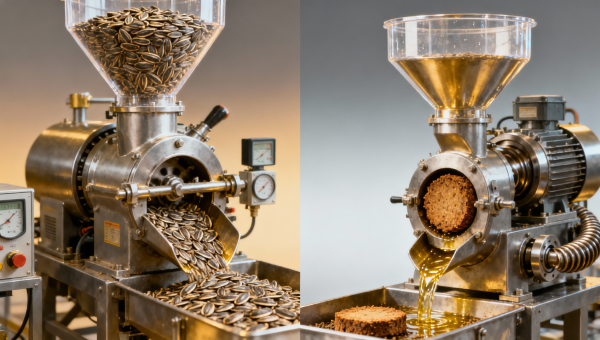
When a sunflower oil press machine delivers less output, the cause often extends far beyond seed quality. For operators, buyers, and technical evaluators comparing a cold press oil machine commercial setup or exploring seed oil expeller wholesale options, understanding wear, moisture control, feed stability, and maintenance is essential. This analysis explains the hidden factors that reduce efficiency and helps procurement teams make smarter processing equipment decisions.
In practical processing environments, output loss is rarely caused by one variable alone. A machine rated for 80-120 kg/h can underperform by 10% to 35% when feeding conditions, press chamber wear, temperature management, and operator settings drift away from the recommended range. That gap matters to plant managers calculating throughput, procurement teams reviewing return on investment, and quality personnel monitoring oil recovery and impurity levels.
For B2B buyers, lower output is not just an engineering issue. It affects labor cost per ton, energy consumption per kilogram of oil, raw material planning, downstream filtration loads, and delivery schedules. A disciplined review of root causes helps industrial users avoid premature replacement, poor supplier selection, and costly assumptions during capacity planning.
Why output drops even when seed quality looks acceptable
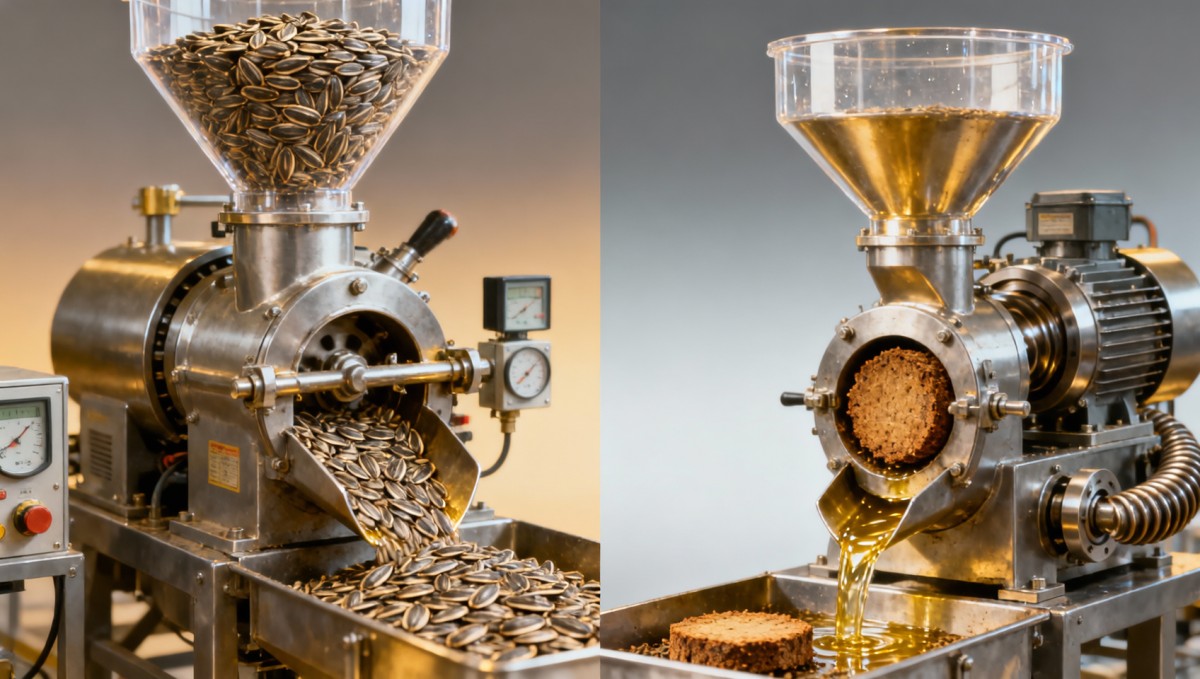
A sunflower oil press machine can lose performance even when seed cleanliness and oil content appear normal. In many facilities, the first warning sign is a gradual decline in hourly yield rather than a sudden breakdown. Operators may notice that the expeller requires more recirculation, the press cake remains wetter than usual, or the motor current becomes less stable during long shifts of 6-10 hours.
One major factor is moisture variation. Sunflower seed that is too dry can reduce plasticity in the pressing zone, while excess moisture can increase slippage and lower extraction efficiency. In many commercial lines, a workable moisture range often sits around 6% to 8%, though the exact target depends on seed variety, kernel ratio, and whether the line is configured for cold pressing or mild preheating.
Another issue is feed uniformity. Even a well-built cold press oil machine commercial system will struggle if feed size, shell content, or dosing rhythm changes from batch to batch. Surges in feed volume can overload the screw, while underfeeding can reduce compression consistency. The result is unstable oil flow, increased vibration, and uneven cake discharge.
Mechanical wear is equally important. Press screw flights, cage bars, bearings, and choke components gradually lose precision. A wear increase of just 1-2 mm in critical contact surfaces can reduce compression pressure enough to lower oil recovery noticeably. This is especially relevant for users sourcing seed oil expeller wholesale units without a clear spare-parts plan or wear-life estimate.
Temperature control also plays a direct role. If a unit runs too cool, oil viscosity stays high and flow resistance increases. If it runs too hot, oxidation risk rises and product positioning as cold-pressed may be compromised. In commercial practice, many operators monitor a controlled zone rather than one fixed number, balancing output, oil clarity, and oxidation sensitivity.
Typical hidden causes behind low extraction efficiency
- Moisture outside the process window, often below 6% or above 8% for common sunflower pressing scenarios.
- Inconsistent feed rate caused by manual loading, unstable conveyors, or hopper bridging.
- Screw and cage wear that reduces compression and raises residual oil in cake.
- Motor speed mismatch, belt slip, or transmission losses after long service cycles.
- Poor cleaning discipline leading to carbonized residue, blockage, and higher back pressure.
Quick diagnostic comparison for plant teams
The table below helps technical evaluators distinguish between raw material issues and machine-related losses. This is useful during supplier discussions, maintenance audits, and pre-purchase inspections of new or refurbished equipment.
The main takeaway is that low output usually reflects a process imbalance, not a single seed-quality failure. Buyers evaluating machinery should therefore request wear-part specifications, recommended moisture range, and expected residual oil performance rather than relying only on nameplate capacity.
How wear, friction, and chamber condition reduce press performance
In continuous oil extraction, the pressing chamber is the heart of the system. A sunflower oil press machine depends on precise compression geometry to move seed from feeding to oil release and cake discharge. Once screw flights lose edge definition or cage clearances become excessive, internal pressure falls and output begins to slide even if the motor and gearbox still operate normally.
Wear develops through abrasive contact, insufficient lubrication in bearing zones, and poor shutdown cleaning. Facilities processing high volumes, such as 2-5 tons per day, often see measurable efficiency decline sooner if shell content is high or if foreign particles are not screened out before pressing. Small stones, metal fragments, and hard husk accumulation accelerate component damage and can also trigger shaft imbalance.
Friction must be controlled rather than maximized. Excess friction raises temperature, damages oil quality, and creates unnecessary load on the drive system. Insufficient friction, however, reduces compression and causes slippage. That balance is one reason why experienced users do not judge a cold press oil machine commercial line by output alone. They also review cake dryness, ampere stability, noise pattern, and seal condition.
A common mistake during maintenance is replacing only one worn element. Installing a new screw into a heavily worn cage may deliver only partial recovery. In many cases, wear items should be reviewed as a set after a defined service interval, such as every 500-1,000 operating hours, depending on load, cleanliness of feed, and maintenance discipline.
Components that deserve close inspection
Press screw and choke point
The screw determines compression progression. Rounded flights, scoring, or uneven wear reduce pressure build-up. The choke point controls final resistance and strongly influences cake discharge consistency.
Cage bars and discharge gaps
If cage gaps become clogged or overly widened, oil drainage suffers. This can create either excess back pressure or poor separation, both of which lower net throughput.
Bearings, belts, and motor transmission
Drive losses may look small, but belt slip of 3% to 5% can compound with chamber wear and produce a visible output drop across a full production day. Bearing noise, heat rise, and lubricant discoloration are practical warning signs.
Maintenance priorities by failure mode
Procurement and operations teams often need a maintenance framework that links symptoms to likely actions. The following matrix supports both service planning and spare-parts budgeting.
This maintenance approach reduces the risk of treating low output as a raw-material problem when the root cause is mechanical. It also helps financial approvers compare the cost of planned wear-part replacement against the hidden cost of chronic underperformance.
Feed preparation, moisture control, and operating discipline
Even a robust seed oil expeller wholesale purchase will underperform if the upstream preparation stage is weak. For sunflower processing, consistent de-stoning, cleaning, and particle handling can be as important as the expeller itself. Uneven feed creates unstable compression, while excess fines or foreign matter can block drainage paths and increase frictional heat.
Moisture management deserves structured control rather than rough estimation. In commercial operations, a variation of just 1% to 2% can alter cake texture and oil flow. If seed is stored in changing ambient humidity without rechecking before production, operators may start a shift with a process window that no longer matches the machine setting used the day before.
Feeding discipline matters as much as seed condition. A hopper that bridges every 20-30 minutes creates intermittent starvation and pressure loss. On the other hand, aggressive overfeeding may increase motor load and clog the chamber. Stable metering, whether manual or automated, is one of the simplest ways to recover lost output without changing equipment.
Operator training is often underestimated during procurement. Two machines with similar rated capacity can produce different real-world results depending on startup sequence, preheating routine, cleaning interval, and adjustment accuracy. A practical commissioning plan should include at least 3 stages: installation verification, trial pressing with measured feed, and a stabilized production test over several hours.
Recommended process checks before blaming the machine
- Verify seed moisture within the intended process range and sample more than one lot if storage conditions vary.
- Check whether foreign matter, shell ratio, or fines content has changed compared with previous high-output batches.
- Observe feed continuity for at least 30 minutes to identify hopper bridging, conveyor pulsation, or manual loading inconsistency.
- Compare residual oil in cake from current and previous runs to determine whether extraction loss is truly increasing.
- Review motor current and surface temperature patterns to spot overload, slippage, or hidden chamber resistance.
Operational conditions and their likely effect
The table below is useful for plant operators and quality teams trying to link day-to-day production variation with measurable process conditions.
The practical lesson is clear: before replacing a machine or rejecting a supplier, users should audit feed preparation and daily operating consistency. In many cases, a 10% to 20% recovery in effective output comes from process discipline rather than capital expenditure.
How procurement teams should evaluate a commercial oil press system
For procurement teams, the goal is not simply to buy a sunflower oil press machine with the highest rated capacity. The more useful question is how much stable, repeatable output the system can deliver under real feed conditions over 12 months of service. A machine advertised at 150 kg/h means little without context on moisture tolerance, residual oil performance, maintenance intervals, and local technical support.
This is especially relevant when comparing a cold press oil machine commercial package with lower-cost seed oil expeller wholesale offers. Lower upfront pricing may exclude spare parts, commissioning guidance, filtration compatibility, or after-sales response. These omissions can increase downtime and total cost of ownership far beyond the purchase discount.
Technical evaluators should request performance data under defined conditions, such as seed type, moisture range, pressing temperature, and target cake residual oil. Quality and safety personnel should also review cleanability, contact-surface condition, guarding, electrical documentation, and whether the system fits local food-processing and workplace requirements.
Financial approvers often benefit from a structured matrix that compares production stability rather than marketing claims. For many plants, a 5% improvement in oil recovery or a reduction of 2 hours of downtime per week can justify a higher initial price if the machine supports steady output and easier maintenance.
Key procurement checkpoints
- Nameplate capacity versus tested capacity under defined moisture and feed conditions.
- Expected wear-part life and availability of screws, cages, bearings, seals, and choke components.
- Power rating, energy use pattern, and whether the drive system can hold stable load during long runs.
- Commissioning support, operator training, and troubleshooting response time, often targeted within 24-72 hours.
- Compatibility with filtration, settling, and downstream handling to avoid bottlenecks after pressing.
Procurement decision table for B2B buyers
The following framework helps distributors, processors, and industrial buyers compare offers on operational value rather than headline price alone.
This type of comparison supports better decisions for both first-time buyers and plants upgrading capacity. It also gives distributors and agents a clearer basis for positioning equipment to end users with different scale, budget, and quality priorities.
Implementation, troubleshooting, and long-term output protection
Once equipment is installed, protecting output requires a repeatable operating system rather than reactive fixes. Plants that achieve more stable oil recovery typically combine preventive maintenance, process logging, and operator accountability. A daily record covering feed moisture, output per hour, motor current, and cake condition can reveal gradual decline before it becomes a major cost issue.
A practical implementation model often follows 4 steps: baseline the machine during normal output, define inspection points, train operators on response thresholds, and review trends weekly. For example, if cake texture changes for 3 consecutive runs or if throughput falls by more than 8% against the baseline, maintenance and process checks should be triggered together rather than in isolation.
Troubleshooting should start with the least disruptive checks. Confirm feed continuity, inspect visible wear, verify drive tension, and check whether the chamber is partially blocked. Only after these steps should teams move toward component replacement or supplier escalation. This staged approach prevents unnecessary downtime and avoids replacing parts that are not actually responsible for the loss.
For growing processors, the most resilient strategy is to align machine selection with service capability. Spare-parts planning for 6-12 months, operator refresh training every quarter, and documented cleaning routines after each shift can preserve output consistency across seasonal seed variation and staffing changes.
FAQ for operators, buyers, and technical reviewers
How often should a sunflower oil press machine be inspected?
Daily checks should cover feed stability, motor load, noise, leakage, and cake condition. More detailed mechanical inspection is often scheduled every 250-500 operating hours, while wear-part review intervals depend on feed cleanliness, load intensity, and the number of production shifts.
Can a drop in output be solved without buying a new machine?
Yes, in many cases. If the root cause is moisture drift, unstable feeding, chamber buildup, or moderate wear, process correction and planned maintenance may restore a meaningful share of lost capacity. Replacement becomes more likely when wear is extensive or when the machine is fundamentally undersized for the target volume.
What should buyers ask suppliers before purchasing?
Ask for tested operating conditions, expected residual oil in cake, recommended moisture window, spare-parts list, lead time, and commissioning support scope. These details provide more value than a generic capacity figure alone.
Is cold press operation always better for output?
Not necessarily. Cold pressing may support product positioning and preserve certain sensory characteristics, but output depends on the full process balance. Some lines trade a portion of extraction efficiency for lower thermal stress, so buyers should evaluate market goals, oil quality targets, and downstream economics together.
A falling output rate in a sunflower oil press machine is usually a signal to examine the whole process, from feed preparation and moisture control to wear condition, operating discipline, and procurement assumptions. The most effective buyers and operators treat output as a system outcome, not a single-specification promise. If you are evaluating a cold press oil machine commercial solution, reviewing seed oil expeller wholesale options, or troubleshooting an existing line, now is the right time to request a technical assessment, compare configuration details, and get a solution matched to your actual production goals. Contact us to discuss equipment selection, maintenance planning, or a customized processing strategy.
Related Intelligence
- Heavy Agri MachineryIndia Extends Anti-Dumping Review on Chinese Tractors, SeedersIndia extends anti-dumping review on Chinese tractors and seeders—impacting exporters, OEMs, and agri-supply chains. Act now to navigate tariffs, compliance, and sourcing shifts.
- Heavy Agri MachineryWhy some cassava grating machines waste more starch than expectedCassava grating machines can waste starch through poor design and maintenance. Compare key loss factors alongside coffee processing machinery, palm oil extraction machine, and wheat flour milling plant solutions.
- Heavy Agri MachineryCassava grating machines and the hidden cause of uneven particle sizeCassava grating machines uneven particle size often stems from feed, moisture, and screen issues—not one part. Learn how this buying insight also applies to coffee processing machinery and wheat flour milling plant selection.
The Morning Broadsheet
Daily chemical briefings, market shifts, and peer-reviewed summaries delivered to your terminal.
