
Square Baler Machine or Round Baler Machine
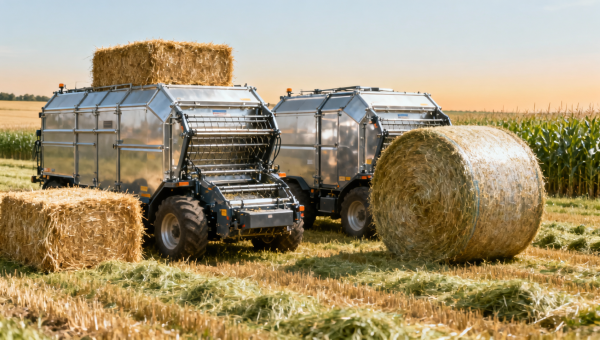
Choosing between a square baler machine and a round baler machine affects forage density, storage efficiency, transport costs, and field productivity. For buyers comparing grass forage chopper systems, tractor implement parts, pto drive shafts bulk sourcing, agricultural tires wholesale, and agricultural diesel engines, this guide outlines the technical and commercial factors that matter most for modern hay and silage operations.
How do square baler machines and round baler machines differ in real operations?
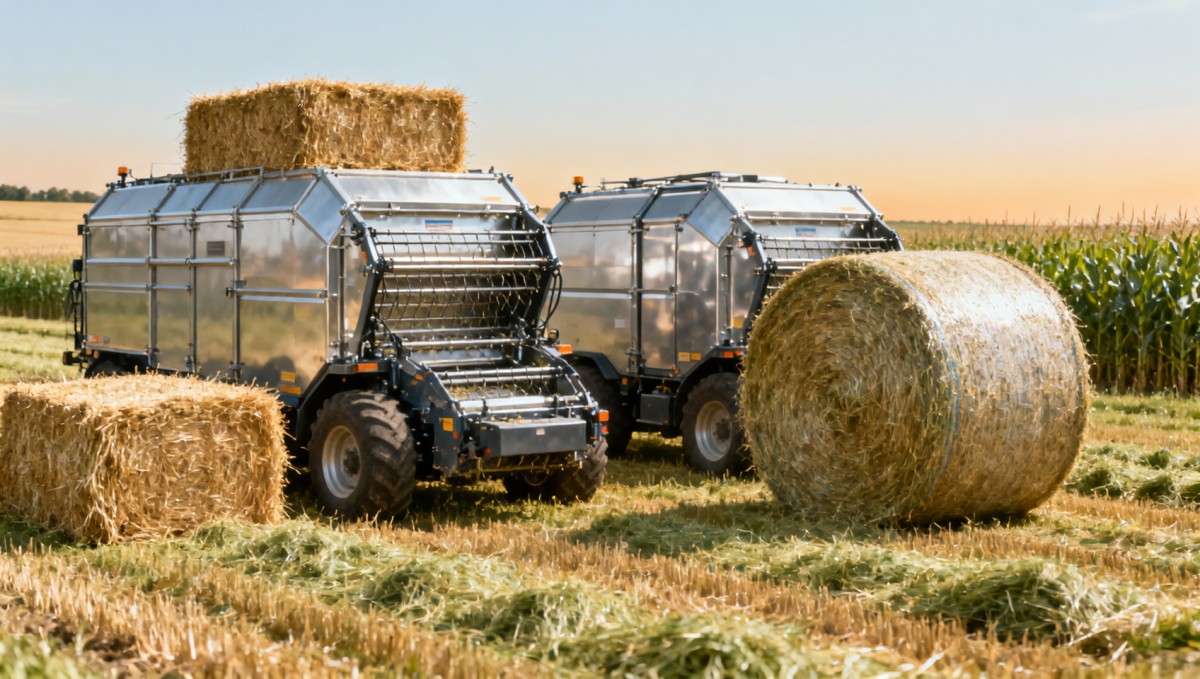
The core difference is not only bale shape. A square baler machine is usually selected when operators need stackable, transport-friendly output and more predictable bale dimensions. A round baler machine is often preferred where field flexibility, lower weather exposure during temporary storage, and simpler handling in mixed terrain matter more. In most commercial forage operations, the right choice depends on 3 practical variables: crop type, logistics distance, and feeding or resale method.
Technical evaluators usually compare throughput, bale density, pickup width, knotting or wrapping reliability, and tractor power demand. Procurement teams focus on total ownership cost over 3–5 seasons, spare parts availability, and the compatibility of the baler with local tractor fleets. Financial approvers often ask a more direct question: will the machine reduce handling hours, storage losses, or freight cost per ton?
Square bales are commonly easier to count, stack, and load into trucks or containers. Round bales can be faster to produce in some field conditions and are widely used for hay, straw, and silage where wrapping systems are already established. For distributors and project managers, the choice also influences downstream equipment, including loaders, wrappers, bale accumulators, and storage infrastructure.
For industrial readers following AgriChem Chronicle, the decision should be treated as a systems question rather than a single-machine purchase. Baler selection is linked to pto drive shaft specification, tractor hydraulic output, tire traction, fuel efficiency, and even site compliance issues such as fire risk, dust control, and safe seasonal storage planning.
The comparison below highlights practical differences that matter in sourcing, budgeting, and deployment across forage, feed, and primary processing environments.
This comparison shows why many buyers do not choose on bale shape alone. A square baler machine tends to benefit commercial transport and warehouse planning, while a round baler machine can simplify field recovery and reduce dependence on highly structured stacking workflows. The better option depends on the commercial process after baling, not just the harvesting step itself.
What matters most to technical and procurement teams?
A technical review should include at least 5 checks: pickup performance in uneven windrows, drive-line protection, bale chamber durability, tying or netting consistency, and service access time. In peak season, a delay of even 24–48 hours can affect forage quality, moisture management, and labor cost. That is why spare parts support and maintenance intervals matter as much as rated capacity.
For buyers managing multiple equipment categories, system compatibility becomes decisive. If the baler requires higher PTO stability, reinforced tractor implement parts, or more frequent tire replacement due to rough field access, the machine may create hidden operating cost. ACC’s editorial approach is especially useful here because machinery decisions are assessed alongside supply chain reliability and operating risk, not in isolation.
- Confirm tractor horsepower range and hydraulic capacity before shortlisting models.
- Check whether pto drive shafts, pickup teeth, belts, chains, rollers, or knotter parts are available locally within 7–15 days.
- Review whether bale dimensions align with warehouse doors, truck bed planning, and end-user feeding equipment.
Which machine fits hay, straw, silage, and commercial feed logistics better?
Application should drive selection. Hay exporters, feed processors, and large livestock operators usually evaluate bale consistency and transport density first. Dairy and mixed-farm operators may prioritize wrapped silage flow, loader convenience, and resilience in uneven moisture conditions. A round baler machine can be highly practical in short-cycle silage operations, while a square baler machine often supports larger-volume freight efficiency.
In straw recovery, field conditions often change quickly over 1–3 harvesting windows. If the target is rapid collection with moderate storage planning, round bales may integrate well with existing wrappers and loaders. If the target is organized resale, warehouse stacking, or long-distance truck movement, square bales generally improve loading geometry and inventory counting.
Project owners in integrated agricultural and primary processing chains should also evaluate how bale format affects contamination control. Cleaner bale handling, stable stacking, and reduced floor contact can help quality teams manage moisture migration, visible spoilage, and storage inspection cycles. In regulated supply environments, this operational discipline supports better documentation for downstream buyers.
The next table maps common scenarios to machine preference. It is not a rigid rule, but it helps business evaluators narrow options faster and avoid comparing machines that were built for different field realities.
The table makes one point clear: application fit often has more financial impact than nominal machine size. A machine that matches storage and logistics can reduce avoidable handling steps across an entire season. For distributors and dealers, this also improves customer retention because the recommendation aligns with real field economics rather than catalog preference.
How does bale format affect storage and transport cost?
Storage cost is influenced by shape, density, wrapping method, and whether material is kept indoors or field-staged. Square bales usually make better use of shed volume and truck deck space. Round bales can perform well when temporary field storage is necessary, especially if wrapped promptly and moved within planned intervals such as every 3–7 days after baling.
Transport teams should not ignore loading time. If manual repositioning, unstable stacking, or excess void space extends dispatch cycles, freight economics deteriorate quickly. For buyers with regional distribution networks, the better baler is often the one that lowers labor minutes per ton handled rather than the one with the lowest purchase price.
What technical specifications should buyers verify before purchase?
A serious procurement process should separate brochure claims from field-critical specifications. Start with 4 groups of data: bale size range, moisture operating window, power requirement, and wear-part design. Typical tractor matching may fall within broad horsepower bands depending on machine type, chamber design, and crop condition, so the baler must be assessed against the actual tractors already in fleet rotation.
Technical assessment also needs to include the drive system and crop flow path. Belt, chain, roller, and plunger arrangements create different maintenance profiles. Buyers sourcing tractor implement parts and pto drive shafts in bulk should check spline compatibility, overload protection, guarding, and lubrication requirements. A well-matched shaft is not a minor accessory; it is a risk-control component for seasonal uptime.
Agricultural tires wholesale decisions can also affect baler productivity. In wet or uneven fields, tire choice influences compaction, traction, and maneuverability. Likewise, agricultural diesel engines and tractor fuel efficiency should be reviewed against seasonal operating hours. If a baler requires sustained high load in dense forage, fuel and cooling performance become part of the true machine selection criteria.
Quality and safety managers should ask for documentation on guarding, emergency stop logic where applicable, lubrication points, and maintenance instructions. Even where local law differs, procurement teams generally benefit from aligning equipment evaluation with common machinery safety principles, documented operator training, and scheduled inspection routines before each harvest window.
A practical pre-purchase checklist
Instead of evaluating dozens of isolated features, many industrial buyers use a 6-point checklist to control risk and shorten review cycles.
- Confirm crop profile: dry hay, straw, silage, or mixed use across multiple harvest months.
- Verify tractor matching: PTO speed, horsepower range, hydraulic flow, and drawbar suitability.
- Review wear parts: lead time, interchangeability, and expected replacement frequency per season.
- Evaluate bale destination: direct feeding, wrapped storage, export loading, or warehouse stacking.
- Check safety and service access: shielding, routine maintenance points, and downtime recovery process.
- Request commercial clarity: quotation scope, spare-part list, warranty terms, and estimated delivery in 2–8 weeks depending on configuration.
This structured method is especially relevant for cross-functional teams. Engineers focus on technical fit, finance reviews lifecycle impact, and procurement checks contract clarity. ACC supports this kind of disciplined comparison because its readership often makes machinery decisions inside broader industrial supply frameworks, where one poor equipment choice can disrupt an entire processing or feed chain.
Typical specification ranges worth discussing with suppliers
Without assuming a specific brand or model, buyers should ask suppliers to provide operating ranges rather than only nominal ratings. Useful ranges include pickup width, bale chamber dimensions, net or twine consumption, recommended moisture window, hourly output under typical crop conditions, and scheduled maintenance intervals such as every 8–10 operating hours for daily checks or every 50–100 hours for deeper service tasks.
If suppliers cannot provide this level of operational detail, the risk of mismatch rises. In B2B equipment procurement, vague claims usually create problems later in deployment, parts planning, and warranty discussion.
How should buyers compare cost, risk, and long-term ownership value?
Purchase price is only the starting point. The more important calculation is total ownership cost across machinery life and harvest seasons. That includes fuel use, wear parts, twine or net wrap consumption, labor input, loading time, storage loss, and emergency repair exposure. In many cases, the lower-priced baler becomes more expensive if it creates repeated transport inefficiency or downtime during a 2–4 week harvest peak.
Commercial evaluators should also estimate soft costs. These include delayed delivery to livestock units, excess moisture claims from buyers, and the administrative burden of managing inconsistent bale dimensions. A square baler machine may justify higher initial spend when freight standardization is central. A round baler machine may show better value where labor flexibility and localized silage handling are more important than dense warehouse stacking.
For dealers and agents, aftermarket support strongly affects resale confidence. Machines supported by accessible spare parts, clear service documentation, and realistic delivery timelines usually perform better commercially than machines sold mainly on short-term price discount. This is one reason why market intelligence and technical publishing matter: purchasing teams need validated comparison criteria, not just sales language.
The table below can be used during internal approval meetings to compare visible and hidden cost drivers before placing an order.
A disciplined cost review often changes the decision outcome. Teams that compare only invoice price can miss the larger value of standardized handling, lower storage waste, and faster recovery from breakdowns. In modern agricultural and feed processing chains, ownership value is created by throughput stability and predictable logistics.
Common procurement mistakes to avoid
Several mistakes appear repeatedly in machinery sourcing. Buyers select by bale appearance instead of transport method, assume all PTO systems are interchangeable, ignore warehouse geometry, or fail to budget wear parts for the first season. Another frequent error is approving a machine before clarifying operator training and maintenance responsibility between farm staff, contractors, and dealers.
- Do not compare machines without defining whether the output is for on-site feeding, regional trade, or export-oriented logistics.
- Do not approve a quote that lacks clear spare-part scope, service intervals, or delivery timeline.
- Do not overlook field support equipment such as loaders, wrappers, and compatible tractor implement parts.
FAQ for buyers, engineers, and decision makers
The questions below reflect common search and procurement concerns from farms, dealers, and industrial operators reviewing a square baler machine or a round baler machine for commercial use.
Which machine is better for commercial transport?
In many cases, a square baler machine is better for commercial transport because rectangular bales are easier to stack and count. That can improve trailer utilization and warehouse organization. However, if the operation depends on local field storage, rapid wrapping, and flexible loader movement, a round baler machine may still offer the better overall workflow. The correct decision comes from transport method, storage layout, and labor model, not from bale shape alone.
What should procurement teams ask suppliers before ordering?
Ask for 5 essentials: operating specification ranges, tractor matching requirements, first-season spare-parts list, expected delivery timeline, and after-sales response process. It is also wise to request confirmation on pto drive shaft compatibility, routine maintenance intervals, and whether setup support is included. If a supplier cannot answer these points clearly, commercial risk increases immediately.
Are round bales always better for silage?
Not always. Round bales are widely used for wrapped silage because they fit many field-side workflows and handling systems. But some operations may still prefer square formats if storage, feeding systems, and transport routes are already standardized for them. The better question is whether your silage process requires rapid wrapping, short-distance movement, and decentralized storage, or centralized stacking and scheduled dispatch.
How long is the usual delivery cycle for balers and related parts?
Delivery cycles vary by region, season, and configuration. For common consumables and replacement parts, buyers often aim for local access within 7–15 days during peak season. For complete machines or customized configurations, lead times may extend to 2–8 weeks or longer depending on logistics and documentation requirements. This is why project managers should confirm delivery milestones before harvest planning is finalized.
How can quality and safety teams reduce operational risk?
Use a documented pre-start and post-shift inspection routine. Check shielding, lubrication points, tire condition, twine or net feed systems, and PTO guarding every operating day. During storage, monitor bale condition, moisture migration, and fire risk in enclosed areas. A practical control plan often includes daily machine checks, weekly wear review during active harvest, and clear escalation rules for abnormal vibration, tying failure, or overheating.
Why consult AgriChem Chronicle when evaluating baler solutions and supply partners?
AgriChem Chronicle serves professional readers who do not want generic machinery summaries. Its editorial focus connects agricultural and forestry machinery with the wider realities of regulated supply chains, industrial procurement, and technical due diligence. That matters when buyers must compare not only a square baler machine and a round baler machine, but also associated systems such as grass forage chopper lines, agricultural diesel engines, and tractor powertrain components.
For information researchers and technical assessment teams, ACC offers a structured environment for reviewing capabilities, technical papers, and manufacturing context across primary industries. For procurement managers and business evaluators, this supports cleaner comparison of supply credibility, practical field fit, and documentation quality. For decision makers and financial approvers, it reduces uncertainty by framing equipment choices in operational and commercial terms.
If you are comparing baler configurations, related implement parts, or upstream and downstream handling systems, ACC can support a more informed next step. You can use its platform to clarify parameter ranges, shortlist machine types, review likely delivery windows, compare storage and transport implications, and identify which certification or documentation questions should be raised before negotiation begins.
Contact us to discuss bale format selection, tractor matching, pto drive shaft requirements, spare-parts planning, delivery schedule expectations, custom application scenarios, or quotation alignment for your target market. If your team needs support with technical screening, supplier comparison, documentation review, or a publication strategy that strengthens industrial buyer confidence, AgriChem Chronicle provides a focused channel built for complex B2B procurement decisions.
Related Intelligence
- Heavy Agri MachineryIndia Launches Anti-Dumping Review on Chinese TractorsIndia's anti-dumping review on Chinese tractors may raise duties from 22.3% to 28.5% — critical for exporters, distributors & supply chain teams. Act now.
- Heavy Agri MachineryIndia Launches AD Review on Chinese Tractors, Tariff May Rise to 28.5%India's AD review on Chinese tractors may raise tariffs to 28.5% — critical insights for exporters, importers & agri-machinery stakeholders.
- Heavy Agri MachineryIndia Launches Anti-Dumping Review on Chinese TractorsIndia's anti-dumping review on Chinese tractors (≥50HP, smart hydraulic suspension) may raise duties to 22.5–28.5%. Exporters, CKD assemblers & suppliers: act now to assess risk and compliance.
The Morning Broadsheet
Daily chemical briefings, market shifts, and peer-reviewed summaries delivered to your terminal.
