
Square Baler Machine Buying Guide 2026
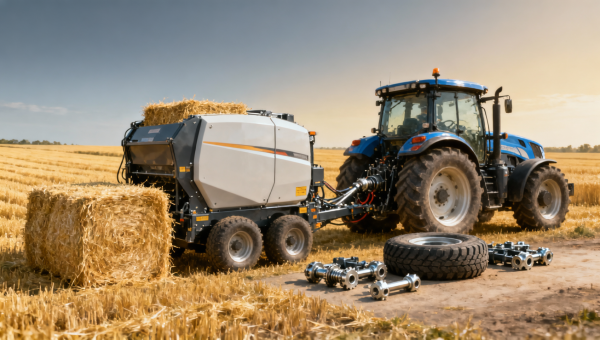
Selecting the right square baler machine in 2026 demands more than comparing output figures. Buyers must assess field compatibility, lifecycle cost, and integration with critical systems such as pto drive shafts bulk supply, tractor implement parts, agricultural tires wholesale, and agricultural diesel engines. This guide helps technical evaluators, procurement teams, and decision-makers benchmark square baler machine performance against round baler machine alternatives and broader farm equipment investment priorities.
Why square baler machine selection has become more complex in 2026
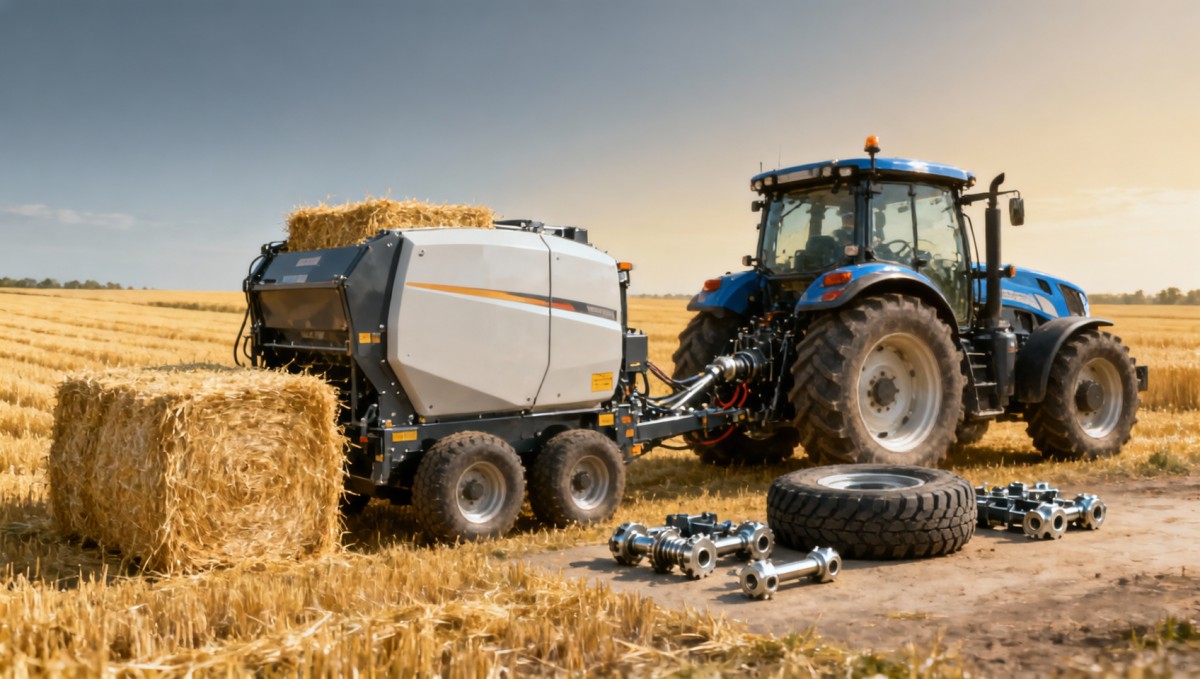
A square baler machine is no longer a standalone purchase. In most commercial operations, it sits inside a connected harvesting chain that includes tractors, PTO systems, pickup assemblies, tire configurations, engine capacity, transport trailers, and storage logistics. For procurement teams, this means the true buying decision involves at least 5 core dimensions: crop conditions, throughput target, maintenance access, operator skill level, and downstream bale handling requirements.
In 2026, buyers also face tighter budget scrutiny and more fragmented supply chains. A machine with a lower purchase price may still create higher total cost if knotter parts have long lead times of 2–6 weeks, if the PTO rating does not match the tractor fleet, or if bale density creates transport inefficiencies. This is why technical assessment and commercial assessment must be carried out together rather than in separate approval stages.
For information researchers and project managers, the challenge is to turn product specifications into field performance expectations. For finance approvers, the priority is capital efficiency over a 3–7 year ownership horizon. For quality and safety managers, operator protection, guarding integrity, and stable bale formation are often more important than headline output figures alone.
AgriChem Chronicle serves this audience by connecting machinery evaluation with broader primary industry intelligence. ACC’s editorial strength across agricultural machinery, feed and grain processing, and compliance-sensitive procurement makes it easier to compare suppliers, validate technical claims, and identify risks before RFQ release or dealer negotiation begins.
What a serious buyer should define before contacting suppliers
- Annual baling volume range, such as seasonal use, medium commercial use, or high-throughput contracting.
- Target bale dimensions, density consistency, and whether manual or automated stacking is required.
- Available tractor horsepower, PTO speed compatibility, and local access to tractor implement parts.
- Field conditions including terrain, crop moisture window, and transport distance from field to storage.
- Acceptable maintenance interval, spare parts lead time, and service support expectations within 24–72 hours.
When these points are documented early, procurement teams can issue cleaner technical inquiries and avoid supplier quotations that look attractive on paper but fail in actual operating conditions.
Square baler machine vs round baler machine: which one fits your operation?
The most common buying question is whether a square baler machine or a round baler machine better serves the farm, contractor, or distributor portfolio. The answer depends less on brand preference and more on storage geometry, logistics, labor structure, crop type, and bale handling equipment. In many cases, the square format delivers better stacking efficiency, while round bales may suit lower-labor or uneven field conditions.
For technical evaluators, the comparison should focus on bale uniformity, pickup behavior in variable windrows, knotting reliability, and compatibility with loading systems. For commercial buyers, the right question is whether the machine improves transport density, lowers storage loss, and matches available workforce. For dealers, the comparison must also include local service complexity and parts turnover rate.
The table below summarizes the operational difference between square baler machine and round baler machine choices in a procurement context. It is useful for shortlist meetings, internal approvals, and distributor portfolio planning.
In general, a square baler machine becomes more attractive when operations need repeatable bale dimensions, tighter storage density, and easier loading onto flatbed transport. A round baler machine may remain practical where labor is limited, bale stacking precision is not a priority, or weather windows are short and field flexibility matters more than cube efficiency.
Decision signals that usually favor square baler investment
Operational indicators
If your business ships hay, straw, or residue over medium to long distances, square bale geometry usually improves trailer loading and warehouse planning. This matters when every transport cycle and every storage bay affects delivered cost.
If your customers demand bale consistency for resale, feed formulation, or export presentation, a square baler machine often provides a better commercial outcome. That is particularly important for distributors and agents who sell into quality-sensitive regional markets.
If your fleet already supports compatible PTO speeds, service tools, and tractor implement parts, integration friction is lower. In that case, the machine can be evaluated on output and lifecycle value rather than on infrastructure upgrades.
What technical parameters matter most during square baler machine evaluation?
Many buyers ask for capacity first, but output alone is not enough. A useful technical review covers 6 checkpoints: bale size range, pickup width, plunger rate or chamber throughput behavior, knotter reliability, PTO compatibility, and service accessibility. Even before brand comparison, these six points usually determine whether a machine will operate smoothly in local field conditions.
Typical procurement discussions also include tractor power matching and drivetrain stability. If the selected square baler machine is paired with an undersized agricultural diesel engine or an unsuitable PTO shaft specification, field output may fluctuate, fuel consumption may rise, and component wear may accelerate. This is why baler selection should be reviewed together with pto drive shafts bulk supply planning and tractor fleet availability.
Another overlooked factor is ground interface. Tire condition, ballast, and agricultural tires wholesale sourcing can affect traction, flotation, and transport stability between field and storage zones. For operations working across dry soil, uneven stubble, or mixed terrain, machine performance is shaped by the support ecosystem as much as by baler chamber design.
The table below can help technical teams convert general machine descriptions into a structured shortlist. These parameters are suitable for bid comparison, engineering review, and dealer assessment.
A strong technical review should also request maintenance interval details for chains, knotters, bearings, and lubrication points. Even a 20–30 minute difference in daily service time becomes material across an entire harvest season, especially for contractors or large farms operating for several weeks without interruption.
A practical 4-step technical review process
- Match the baler to crop type, windrow variability, and expected operating hours per day.
- Confirm compatibility with tractor power, PTO shaft setup, and available implement parts inventory.
- Review access to knotter maintenance, twine handling, pickup wear parts, and dealer support response time.
- Test the machine in realistic field conditions or request documented commissioning and acceptance criteria.
This sequence helps project managers and engineering leads reduce the risk of selecting a machine that appears suitable in catalog form but performs poorly in mixed-field operation.
How should procurement teams compare cost, risk, and supply chain readiness?
Purchase price remains important, but B2B buyers should compare total acquisition impact across at least 4 cost layers: machine cost, supporting equipment compatibility, consumables and spare parts, and seasonal downtime risk. A lower upfront quote can become expensive if it requires nonstandard PTO components, frequent knotter adjustment, or imported wear parts with 3–8 week replenishment cycles.
Finance approvers often ask how to translate technical complexity into budget logic. The clearest method is to compare expected utilization rate, maintenance frequency, labor demand, and storage savings. In some operations, a square baler machine justifies its cost through better trailer loading, denser shed storage, and lower bale handling time across the season.
For distributors and regional dealers, supply chain readiness is equally important. Can the supplier support fast delivery of twine path parts, pickup teeth, chains, guards, and key driveline components? Can they coordinate with agricultural tires wholesale partners or agricultural diesel engines suppliers if the machine is sold as part of a bundled field equipment program? These questions shape after-sales risk more than brochure claims do.
The following matrix helps procurement and commercial teams compare offers beyond headline price. It is especially useful when three or more suppliers appear technically similar.
This cost view often changes the decision. A machine that is marginally higher in initial price may still represent lower commercial risk when service, parts coverage, and system compatibility are stronger. That is the kind of evaluation ACC encourages through evidence-based procurement analysis rather than price-led selection alone.
Common procurement mistakes
- Comparing baler output without checking whether field transport and storage can absorb the increased volume.
- Ignoring local support for pto drive shafts bulk supply and assuming standard driveline parts are universally interchangeable.
- Approving a machine before confirming operator training, safety guarding checks, and maintenance documentation.
- Treating agricultural tires wholesale and tractor implement parts as separate purchases when they directly affect system readiness.
These errors are common because procurement, technical, and finance teams often work from different criteria. A coordinated review process closes that gap.
What compliance, safety, and implementation questions should not be skipped?
A square baler machine purchase should include a basic compliance and safety review, especially for enterprises operating across multiple regions or under formal internal audit procedures. While exact obligations vary by market, buyers should confirm machine guarding, operator manuals, maintenance instructions, and any applicable declarations or conformity documentation required for sale or use in the destination region.
Quality control and safety managers should review at least 5 implementation topics before acceptance: protective covers, emergency stop access if applicable, lockout and maintenance procedure guidance, lubrication instructions, and bale discharge operating safety. If dealer commissioning is offered, the acceptance checklist should be documented and signed within the first 1–3 days of field startup.
For projects involving export, dealership transfer, or multi-site deployment, documentation discipline becomes even more important. Teams should request parts manuals, routine maintenance schedules, wear item lists, and recommended inspection intervals such as daily, every 50 hours, or seasonal shutdown review. This helps create traceable maintenance records and reduces disputes after handover.
ACC’s cross-sector perspective is valuable here because many industrial buyers already manage regulated purchasing in chemicals, APIs, feed processing, or environmental systems. That same discipline can be applied to agricultural machinery procurement: verify documentation, validate supply chain transparency, and align technical claims with implementation evidence.
FAQ for evaluators and purchasing teams
How do I know if a square baler machine is suitable for my operation?
Start with 3 checks: whether you need stackable bale geometry, whether your tractor fleet can support the baler, and whether your storage and transport process benefits from rectangular bale handling. If those answers are positive, a square baler machine usually deserves serious consideration.
What should procurement teams request in a quotation package?
Request machine scope, compatible tractor range, PTO requirements, recommended spare parts list, standard delivery content, startup support, maintenance schedule, and estimated lead time. Also ask which items are excluded, because missing accessories often create hidden costs after PO approval.
How long is a typical delivery and commissioning cycle?
It varies by supplier and market, but commercial buyers often plan in 2 stages: manufacturing or stock release, then transport and commissioning. For imported equipment, the combined process can extend from several weeks to multiple months depending on configuration and customs handling, so seasonal planning should begin early.
What is the biggest hidden risk in baler procurement?
The biggest hidden risk is system mismatch. A baler may be technically sound, yet still perform poorly if paired with the wrong tractor, PTO setup, tire condition, operator skill level, or spare parts support model. That is why integrated evaluation matters more than isolated machine comparison.
Why consult AgriChem Chronicle before final supplier selection?
AgriChem Chronicle is positioned for buyers who need more than catalog summaries. ACC connects machinery evaluation with wider primary industry intelligence, including supply chain risk, technical validation, and commercially relevant comparison frameworks. That is particularly useful for enterprise buyers, distributors, and cross-functional approval teams working under time pressure and budget control.
Because ACC covers agricultural and forestry machinery alongside feed and grain processing, fine chemicals, and broader industrial procurement topics, our editorial approach is built for decisions where technical performance and compliance discipline must align. This helps readers move from general market research to a sharper shortlist and a more defensible purchasing decision.
If you are reviewing a square baler machine in 2026, contact ACC for support with parameter confirmation, application matching, round baler machine comparison, lifecycle cost framing, supplier screening, delivery cycle evaluation, and documentation expectations. We can also help structure your inquiry around pto drive shafts bulk supply, tractor implement parts, agricultural tires wholesale, agricultural diesel engines, and other linked procurement factors that affect real operating value.
A productive consultation usually begins with 4 inputs: your crop and field conditions, existing tractor fleet details, expected annual usage, and required delivery window. With those basics in hand, your team can move faster toward shortlist validation, RFQ clarity, and more reliable commercial negotiations.
Related Intelligence
- Heavy Agri MachineryIndia Launches Anti-Dumping Review on Chinese TractorsIndia's anti-dumping review on Chinese tractors may raise duties from 22.3% to 28.5% — critical for exporters, distributors & supply chain teams. Act now.
- Heavy Agri MachineryIndia Launches AD Review on Chinese Tractors, Tariff May Rise to 28.5%India's AD review on Chinese tractors may raise tariffs to 28.5% — critical insights for exporters, importers & agri-machinery stakeholders.
- Heavy Agri MachineryIndia Launches Anti-Dumping Review on Chinese TractorsIndia's anti-dumping review on Chinese tractors (≥50HP, smart hydraulic suspension) may raise duties to 22.5–28.5%. Exporters, CKD assemblers & suppliers: act now to assess risk and compliance.
The Morning Broadsheet
Daily chemical briefings, market shifts, and peer-reviewed summaries delivered to your terminal.
