
Rendering Plant Equipment Costs Often Missed in Planning
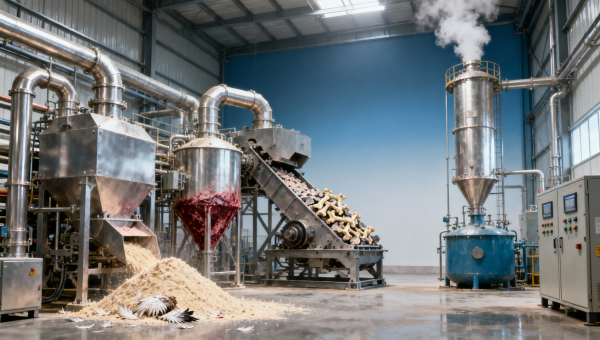
Planning a rendering facility around the sticker price of the main line is one of the most common budgeting mistakes in animal by-product processing. In practice, the quoted cost of core rendering plant equipment is only part of total capital and operating expenditure. Once teams add installation, utilities, odor control, wastewater treatment, civil works, automation, compliance, and commissioning, the real project budget can rise far beyond initial expectations. For buyers comparing a feather meal machine, a blood meal processing plant, or a commercial bone crusher, the key question is not “What does the machine cost?” but “What will it really take to install, run, and profit from this line safely and reliably?”
For procurement teams, engineers, finance approvers, and project owners, the most useful approach is to evaluate total project cost, throughput realism, utility demand, maintenance burden, and compliance risk before supplier selection. That is where hidden costs usually appear—and where ROI is either protected or quietly lost.
The biggest planning mistake: treating equipment price as total project cost
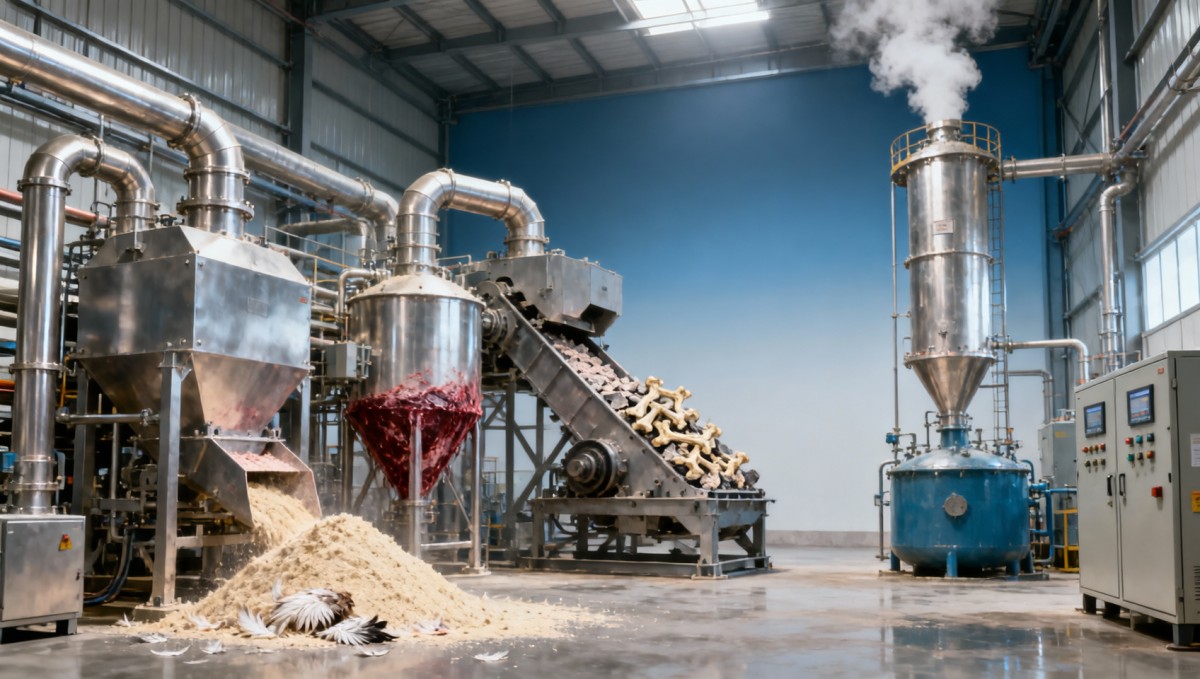
In rendering projects, headline quotations often cover the main process units only. A supplier may price the cooker, press, dryer, decanter, feather meal machine, blood meal processing plant modules, or commercial bone crusher, but many surrounding costs remain outside the quotation scope. This creates a dangerous gap between procurement expectations and actual project delivery.
For most buyers, the real cost structure includes five layers:
- Core process equipment: cookers, dryers, presses, grinders, conveyors, separators, tanks, pumps, and meal handling systems
- Utility systems: boilers, steam piping, condensate return, water supply, compressed air, electrical distribution, and backup power
- Environmental systems: odor control, scrubbers, biofilters, wastewater handling, sludge management, and emissions treatment
- Site and integration costs: foundations, steel structure, insulation, piping, cabling, drainage, and building modifications
- Operational readiness costs: automation, training, spare parts, commissioning, compliance documentation, and process optimization
If these are not identified early, project budgets may be understated by a significant margin. That is especially true in facilities handling mixed raw materials, high-moisture by-products, feathers, blood, or bone fractions, where process complexity drives up utility and environmental requirements.
Which hidden equipment-related costs are most often missed?
Buyers usually compare line items machine by machine, but hidden cost drivers tend to sit between machines. The following areas deserve close review during technical and commercial evaluation.
1. Material handling between process stages
Conveyors, screw feeders, bins, hoppers, drag chains, bucket elevators, and transfer pumps are often underestimated. In rendering, sticky, abrasive, wet, or fibrous material can require heavier-duty designs than expected. A feather meal machine, for example, may need specialized feed conditioning and discharge handling that is not obvious in a simplified quotation.
2. Wear parts and durability upgrades
A commercial bone crusher may look competitively priced, but actual lifecycle cost depends on rotor wear, liner replacement frequency, bearing protection, and downtime exposure. Hard bone and foreign matter can sharply increase maintenance cost if the crusher is not specified for real feed conditions.
3. Automation and controls integration
PLC systems, HMI screens, instrumentation, load cells, interlocks, remote monitoring, recipe logic, and alarm systems are essential for stable operation and traceability. Yet control scope is often only partially included. Integrating a blood meal processing plant into a wider rendering line can require additional automation engineering, sensor packages, and operator safety logic.
4. Insulation, heat tracing, and hygienic piping
Hot product lines, condensate systems, and fat transfer lines often need insulation and sometimes heat tracing. These costs can be substantial, especially in larger plants or colder climates. Poor planning here can also create product quality variability and cleaning problems.
5. Installation supervision and commissioning support
Some equipment quotes exclude field supervision, startup engineers, performance tuning, or operator training. Without experienced commissioning support, plants often suffer from unstable throughput, excess moisture in meal, odor events, and mechanical failures during ramp-up.
Utilities usually decide the real operating cost
Even when capital budgets are approved, rendering plants can underperform financially because steam, electricity, fuel, water, and wastewater loads were underestimated. This is one of the most important areas for technical evaluators and finance teams.
Steam and thermal energy
Rendering processes are energy intensive. Cookers, dryers, hydrolysis systems, and blood drying sections can consume large amounts of steam or thermal oil. If the boiler system is undersized, the plant may never reach design throughput. If oversized, capital and fuel costs rise unnecessarily. Utility planning should be based on actual raw material moisture, target product specification, and operating shift pattern—not idealized nameplate assumptions.
Electrical load
Motors for crushers, presses, fans, blowers, pumps, and conveyors add up quickly. Starting current, VFD requirements, cable runs, MCC design, and transformer capacity are all budget items that may sit outside the main equipment quote.
Water, effluent, and cleaning demand
Rendering facilities require water for cleaning, condensers, process support, and sanitation. The resulting effluent load may require screening, dissolved air flotation, equalization, biological treatment, or outsourced disposal. In many projects, wastewater infrastructure becomes one of the most underestimated costs of all.
Compliance, odor control, and safety can reshape the budget
For plant owners and project managers, hidden costs are not just technical—they are regulatory. Rendering operations face scrutiny related to emissions, odor, wastewater, sanitation, worker safety, and by-product handling. These requirements vary by jurisdiction, but they almost always affect capex and opex.
Odor abatement systems
Odor complaints can quickly become an operational and legal issue. Condensers, wet scrubbers, thermal oxidizers, biofilters, ducting, and negative-air management systems are often treated as secondary scope during planning, even though they are critical in practice.
Food, feed, and by-product compliance
Depending on the end market, the plant may need design features that support traceability, contamination control, cleaning validation, and product segregation. This is especially relevant for blood meal processing plant configurations serving feed or fertilizer applications with specific quality requirements.
Worker protection and process safety
Hot surfaces, rotating machinery, dust, pressure systems, and confined spaces introduce safety obligations. Guarding, emergency stops, lockout points, access platforms, fire protection, dust collection, and ventilation can materially affect budget and project schedule.
Why layout, civil works, and building constraints create surprise expenses
Many rendering projects are not greenfield builds. They are retrofits, expansions, or line replacements inside existing facilities. That creates a separate class of hidden costs that cannot be seen in a simple equipment quotation.
- Foundation reinforcement for heavy dynamic equipment
- Building height limitations affecting equipment configuration and material flow
- Drainage redesign for washdown and spill control
- Access routes for maintenance and component replacement
- Structural steel and platforms for safe operation and service access
- Demolition and relocation of existing lines, piping, or utilities
A commercial bone crusher or dryer may fit on a layout drawing but still require major structural adaptation, lifting access, or maintenance clearance. These are not minor details; they can materially alter installation cost and downtime during construction.
How to assess a supplier quote more accurately
For procurement teams and technical reviewers, the best defense against missed costs is a structured quote review process. Rather than comparing supplier totals alone, compare scope completeness.
Ask for a clear battery limit definition
Specify what is included and excluded: piping, cables, valves, supports, local panels, instruments, insulation, installation tools, startup chemicals, spare parts, and commissioning labor.
Request utility consumption under real operating conditions
Do not accept only theoretical or best-case figures. Ask for steam, power, water, compressed air, and effluent estimates based on your actual raw material mix and target throughput.
Check performance guarantees carefully
Throughput, moisture content, fat recovery, meal quality, and uptime should be tied to defined feedstock conditions. A feather meal machine, for instance, can perform very differently depending on feather cleanliness, moisture, and hydrolysis control.
Evaluate maintenance accessibility and spare parts strategy
Review wear components, service intervals, lead times, lubrication requirements, and recommended critical spares. Low purchase price often hides high maintenance exposure.
Confirm compliance support
Ask whether the supplier provides drawings, manuals, certifications, risk assessments, and operating documentation suitable for local regulatory review and internal quality systems.
A practical total cost checklist for rendering plant investment decisions
Before final approval, decision-makers should validate the project against a broader cost checklist:
- Core equipment purchase price
- Freight, duties, and inland transport
- Civil works and structural steel
- Mechanical installation and piping
- Electrical works and automation integration
- Boiler, steam, fuel, and condensate systems
- Water supply and wastewater treatment
- Odor and emissions control
- Safety systems and compliance upgrades
- Commissioning, training, and performance testing
- Initial spare parts and consumables
- Maintenance labor and planned downtime
- Utility costs per ton of raw material processed
- Product yield assumptions and market value
- Contingency for site-specific unknowns
This checklist gives finance approvers and project sponsors a more realistic basis for capex review, payback analysis, and supplier comparison.
Conclusion: the most valuable number is not equipment price, but total project reality
Rendering plant equipment costs are often missed in planning because teams focus too narrowly on the visible machinery and not enough on integration, utilities, compliance, and lifecycle performance. Whether the project includes a feather meal machine, a blood meal processing plant, or a commercial bone crusher, the smartest buying decision comes from understanding full installed cost and long-term operating burden.
For technical evaluators, the priority is scope clarity and process fit. For procurement, it is apples-to-apples quote comparison. For business leaders and finance teams, it is ROI under real operating conditions, not brochure assumptions. A rendering project becomes far more bankable when hidden costs are surfaced early, measured carefully, and built into the investment case from the start.
Related Intelligence
- Heavy Agri MachineryIndia Launches Anti-Dumping Review on Chinese Heavy Agri MachineryIndia's anti-dumping sunset review on Chinese heavy agri machinery — tractors & precision seeders — proposes duty hike to 28.5%. Act now to assess impact & prepare defense.
- Heavy Agri MachineryIndia Launches Anti-Dumping Review on Chinese Agri MachineryIndia's anti-dumping review on Chinese agri machinery (tractors & precision seeders) begins April 2026 — exporters, importers & assemblers must act now to mitigate tariff risks up to 28.5%.
- Heavy Agri MachineryIs an enclosed belt conveyor safer?Enclosed belt conveyor safety explained: reduce dust, spillage, and exposure while integrating with feed grading sieve, feed pellet cooler, and magnetic separator for feed.
The Morning Broadsheet
Daily chemical briefings, market shifts, and peer-reviewed summaries delivered to your terminal.
