
Blood Meal Processing Plant Layout Mistakes to Avoid Early
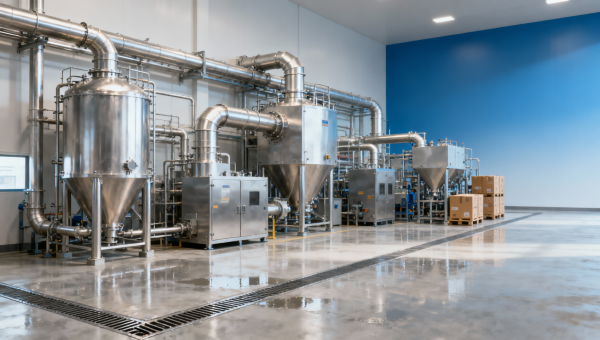
Early layout mistakes in a blood meal processing plant usually cost far more than teams expect. The biggest risks are not cosmetic inefficiencies but contamination pathways, maintenance dead zones, odor-control failures, poor material flow, and utility bottlenecks that force expensive redesign after commissioning. For investors, project managers, engineers, and plant operators evaluating rendering plant equipment, feather meal machine systems, or integration with poultry slaughterhouse equipment and cattle slaughtering line infrastructure, the practical conclusion is straightforward: layout decisions made early will directly affect compliance, throughput, operating cost, and product quality for years.
A good plant layout does three things at once: it separates clean and dirty zones, keeps raw material and finished product flows from crossing, and leaves enough space for sanitation, maintenance, expansion, and odor control. Many projects focus too heavily on equipment lists and rated capacity, while underestimating the layout logic that determines whether the plant can actually run safely and efficiently at design output.
Why early blood meal processing plant layout errors become expensive fast
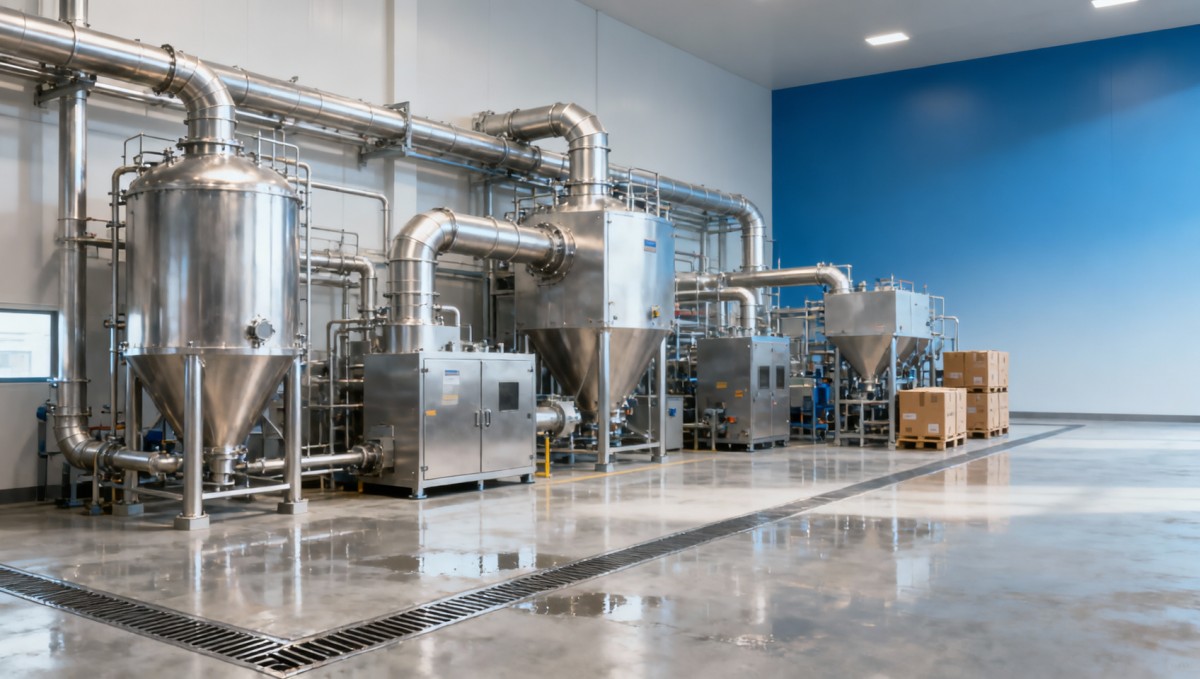
In blood meal processing, layout is not just an engineering drawing exercise. It determines whether blood can move quickly from collection to stabilization, whether operators can clean critical contact surfaces, whether vapor and odor can be contained, and whether downstream drying and packaging can remain isolated from high-risk raw zones.
When layout is poorly planned, the result is often a chain reaction:
- Longer raw blood residence time before processing, increasing spoilage risk
- Cross-traffic between raw handling and finished product areas
- Higher labor input due to awkward manual transfer points
- Cleaning delays caused by inaccessible equipment spacing
- Excessive moisture, condensate, or air imbalance in enclosed areas
- Future retrofit costs for piping, drainage, ventilation, and civil works
For procurement teams and financial approvers, this matters because a plant that looks cheaper on paper may become more expensive over its first 12 to 36 months if the layout creates recurring operating inefficiencies or compliance exposure.
The most common layout mistakes to avoid early
The most damaging mistakes usually happen in the conceptual and pre-engineering stages, when teams assume equipment can simply be fitted into an available building envelope.
1. Treating blood handling as a simple side stream instead of a time-sensitive process
Blood is highly perishable. If the collection point is too far from coagulation, storage, or drying systems, product quality deteriorates quickly. Long transfer routes also increase cleaning complexity and pumping requirements. In integrated facilities connected to poultry slaughterhouse equipment or cattle slaughtering line operations, blood collection should be planned as a controlled, rapid, and hygienic stream from the beginning.
2. Allowing raw and finished product paths to intersect
This is one of the most serious plant layout mistakes. Raw blood receiving, coagulation, pressing, drying, milling, cooling, and packaging should follow a clear one-way sequence. Crossovers between incoming raw material traffic and packaged blood meal movement create contamination risk and complicate hygiene audits.
3. Underestimating space for cleaning, inspection, and maintenance
A layout may appear compact and efficient during design review, but if operators cannot safely access pumps, conveyors, dryers, cyclones, ducting, filters, or valves, uptime suffers. Blood meal plants require regular washdown, inspection, and preventive maintenance. Tight equipment spacing often becomes a hidden production bottleneck.
4. Poor drainage and floor slope planning
Blood processing areas need controlled drainage to prevent pooling, backflow, and sanitation failures. If trenches, floor gradients, and washdown points are added late or designed inconsistently, the plant can face chronic hygiene problems. This is especially important where rendering plant equipment is installed in retrofitted buildings not originally designed for wet, high-organic-load processing.
5. Ignoring airflow and odor-control zoning
Blood meal processing generates moisture, heat, and odor-bearing vapors. Layouts that fail to separate negative-pressure raw zones from cleaner downstream areas can spread odor and aerosols throughout the plant. This affects worker conditions, environmental compliance, and nearby communities. Odor-control equipment should not be treated as an afterthought.
6. Designing for nameplate capacity only
Many teams choose equipment based on target throughput but fail to design buffer capacity, utility resilience, and movement corridors around that capacity. A plant may technically include a dryer and associated feather meal machine or rendering lines with sufficient rated output, yet still underperform because transfer, staging, storage, or packaging areas cannot support continuous flow.
7. Leaving no practical room for future expansion
Projects often begin with one product line and later add storage, drying, packaging, wastewater pre-treatment, or related protein recovery systems. If the original blood meal processing plant layout uses every available square meter, later expansion becomes expensive and disruptive. Even if expansion is uncertain, layout should preserve logical connection points.
What target readers should evaluate before freezing the layout
Different stakeholders will look at the plant from different angles, but several questions matter across engineering, procurement, operations, safety, and management.
For technical evaluators and project engineers
- Is the process flow linear, short, and hygienically segregated?
- Can raw material move quickly enough to protect yield and quality?
- Are drainage, ventilation, and utility routing resolved early?
- Is there enough service clearance around major equipment?
- Have odor control and wastewater interfaces been integrated into the layout?
For operators and maintenance teams
- Can equipment be cleaned without dismantling surrounding systems?
- Are operator walkways safe and logical?
- Can wear parts be changed without shutting down multiple adjacent units?
- Are access points available for inspection and sanitation verification?
For procurement and commercial teams
- Does the chosen layout reduce labor dependency and product loss?
- Will equipment footprints fit the actual building with utility access included?
- Are there hidden civil, ventilation, or retrofit costs not shown in supplier proposals?
- Can the plant support future product diversification or capacity increase?
For quality, safety, and compliance managers
- Can clean and dirty zones be defended during audits?
- Are contamination risks reduced by physical layout, not only by procedures?
- Does traffic flow support personnel hygiene controls?
- Are hazardous steam, hot surfaces, dust, and wet-floor risks properly contained?
A practical layout framework for blood meal plant planning
To avoid early design errors, teams should evaluate the plant as a sequence of functional zones rather than as isolated machines. A reliable layout framework typically includes the following areas:
- Raw collection and receiving zone: close to slaughter operations, with controlled transfer time and spill management.
- Pre-processing zone: storage, agitation, screening, or coagulation where applicable.
- Thermal processing and dewatering zone: cooked or concentrated material flow should remain direct and isolated.
- Drying and vapor handling zone: enough room for safe operation, insulation, ducting, and maintenance access.
- Milling, cooling, and packaging zone: cleaner environment with reduced exposure to raw-side contamination.
- Finished goods and dispatch zone: separated from wet processing traffic.
- Utilities and environmental control: boiler interface, condensate, ventilation, scrubbers, wastewater, and electrical access.
- Support circulation: operator movement, forklift routes, maintenance access, and spare-part handling.
This zoning approach helps teams judge whether the proposed blood meal processing plant layout is operationally sound, rather than merely space-efficient on a drawing.
How layout decisions affect ROI, product quality, and long-term plant reliability
For business decision-makers, the value of a better layout is measurable. It reduces rehandling, shortens cleaning cycles, lowers contamination risk, improves labor productivity, and supports stable throughput. It also helps preserve product consistency, which matters when blood meal is sold into feed and related industrial applications where moisture, protein stability, and microbiological control influence commercial acceptance.
A stronger layout can also protect capital efficiency in less obvious ways:
- Lower downtime from maintenance access problems
- Reduced product loss from spills, long transfers, or poor drainage
- Fewer modifications after startup
- Better worker safety and easier supervision
- Stronger audit readiness and easier SOP implementation
- More flexible integration with additional rendering plant equipment or adjacent processing lines
In facilities where blood meal production is part of a wider animal by-product operation, layout quality often determines whether the entire site functions as one coordinated system or as multiple disconnected bottlenecks.
Questions to ask equipment suppliers and plant designers before approval
Before signing off on a final design, stakeholders should ask direct, layout-specific questions:
- Can you provide a full material flow map from collection to packaging?
- Where are the clean-dirty separation boundaries?
- How much service clearance is required around each major machine?
- What are the utility loads and routing needs for steam, power, water, condensate, and exhaust?
- How is odor-control equipment connected to the main process flow?
- What floor loading, drainage, and civil requirements are assumed?
- Which future expansion points are preserved in the current layout?
- How will the layout affect cleaning time and operator movement?
- Has the design been adapted for integration with existing poultry slaughterhouse equipment, feather meal machine systems, or cattle slaughtering line infrastructure?
If a supplier can discuss machine specifications but not sanitation paths, access clearances, utility interfaces, and traffic flow, the proposal may still be incomplete from a plant performance standpoint.
Final takeaway
The earliest layout mistakes in a blood meal processing plant are often the most expensive because they lock in contamination risk, inefficient movement, weak maintainability, and avoidable retrofit work. The smartest approach is to judge the layout as a living operating system, not just a collection of machines inside a building.
For technical teams, that means validating hygienic flow, drainage, ventilation, and access before procurement is finalized. For management and investors, it means recognizing that a better layout usually delivers better uptime, lower lifecycle cost, safer operation, and stronger product quality. In blood meal processing, the right layout is not a secondary detail. It is one of the main factors that determines whether the plant performs as intended.
Related Intelligence
- Heavy Agri MachineryIndia Launches Anti-Dumping Review on Chinese Heavy Agri MachineryIndia's anti-dumping sunset review on Chinese heavy agri machinery — tractors & precision seeders — proposes duty hike to 28.5%. Act now to assess impact & prepare defense.
- Heavy Agri MachineryIndia Launches Anti-Dumping Review on Chinese Agri MachineryIndia's anti-dumping review on Chinese agri machinery (tractors & precision seeders) begins April 2026 — exporters, importers & assemblers must act now to mitigate tariff risks up to 28.5%.
- Heavy Agri MachineryIs an enclosed belt conveyor safer?Enclosed belt conveyor safety explained: reduce dust, spillage, and exposure while integrating with feed grading sieve, feed pellet cooler, and magnetic separator for feed.
The Morning Broadsheet
Daily chemical briefings, market shifts, and peer-reviewed summaries delivered to your terminal.
