
Industrial Farming Costs That Often Go Missing in Early Plans
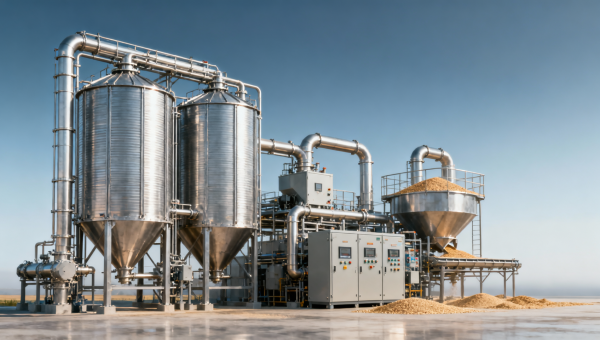
Early budgets for industrial farming projects often miss the costs that do the most damage later: compliance work, installation realities, utility demand, operator readiness, maintenance downtime, inventory carrying costs, and supplier-related delays. Whether the project involves grain storage, feed additives, agricultural processing lines, forestry equipment, or fishery equipment procurement, the pattern is the same: headline capex looks manageable, but hidden operating and implementation costs can materially weaken ROI. For operators, engineers, procurement teams, and financial approvers, the most practical way to avoid margin erosion is to model total cost of ownership early, validate regulatory and site assumptions before purchase, and stress-test the supply chain before execution begins.
For industrial farming businesses, the key question is not simply “What will the equipment cost?” but “What will this system actually cost to install, run, validate, maintain, and keep compliant over time?” That is where early plans are most often too optimistic.
Which industrial farming costs are most often missing from early plans?
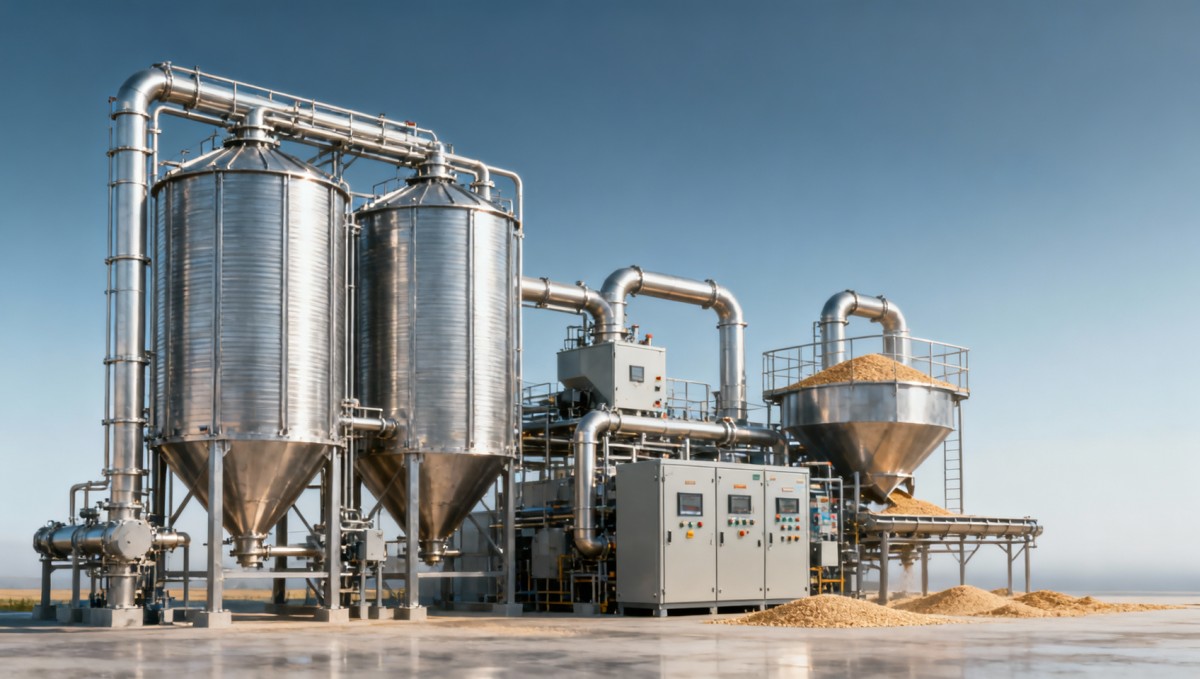
The most commonly overlooked costs are not obscure technicalities. They are predictable categories that sit between procurement, operations, compliance, and project execution. In many cases, these costs emerge only after budgets are approved, when changes become expensive and difficult to reverse.
The hidden cost categories most often missed include:
- Site preparation and civil works: foundations, drainage, flooring upgrades, ventilation structures, utility routing, access roads, and load-bearing modifications.
- Installation and commissioning: rigging, contractor supervision, calibration, test runs, performance validation, and troubleshooting during startup.
- Utilities and energy demand: electricity upgrades, fuel consumption, compressed air, steam, cooling water, water treatment, and backup power.
- Compliance and certification: GMP-related controls where relevant, EPA or FDA-related documentation, emissions controls, wastewater handling, traceability systems, and inspection preparation.
- Supply chain transparency measures: supplier qualification, audit costs, import/export compliance, batch documentation, and raw-material verification.
- Training and labor readiness: operator onboarding, safety certification, shift coverage, retention costs, and specialist technician support.
- Maintenance and spare parts: wear components, preventive maintenance plans, service contracts, inventory stocking, and emergency repair response.
- Yield loss and downtime: startup inefficiency, product loss during changeovers, contamination events, storage spoilage, and failed batches.
- Digital and control systems: PLC integration, sensors, traceability software, cybersecurity, data logging, and system interoperability.
- Insurance, financing, and contingency: premium changes, borrowing costs, currency risk, and reserve funding for delays or redesign.
For decision-makers, the implication is clear: if an early budget only includes purchase price, freight, and basic installation, it is not a reliable investment model.
Why do grain storage, feed additives, and processing systems so often go over budget?
These projects go over budget because planning teams tend to evaluate equipment as a standalone asset rather than as part of an operating system. Industrial farming infrastructure rarely works in isolation. Grain storage affects moisture control, energy use, pest management, quality retention, inventory turnover, and food safety exposure. Feed additive systems influence dosing accuracy, handling risks, worker safety, traceability, and batch consistency. Processing machinery changes throughput, labor allocation, waste generation, and maintenance schedules.
Common reasons budgets fail early include:
- Underestimating integration complexity: New machinery must connect with legacy conveyors, controls, storage, bagging lines, drying systems, or ERP platforms.
- Assuming nominal throughput equals actual throughput: Rated capacity under ideal conditions is often different from real performance with variable moisture, inconsistent input quality, or limited labor.
- Ignoring environmental and safety controls: Dust collection, explosion protection, chemical handling, ventilation, and wastewater management may be mandatory and expensive.
- Overlooking procurement delays: Long lead-time components, imported parts, customs clearance, and supplier substitution can delay commissioning.
- Missing lifecycle costs: Some lower-cost systems create higher total expense through energy inefficiency, frequent failures, or poor spare-parts availability.
In grain storage specifically, hidden costs often show up through aeration retrofits, moisture monitoring, fumigation controls, spoilage losses, and inventory shrink. In feed and grain processing, the bigger risks often come from dosing accuracy, contamination control, cleaning downtime, and mechanical wear under continuous operation.
What should financial approvers and project leaders evaluate before approving an industrial farming budget?
Financial approvers need more than a supplier quote. They need a decision framework that tests whether the project can meet operational and commercial targets under realistic conditions.
Before budget approval, ask these practical questions:
- What is the full total cost of ownership over 3 to 7 years?
Include capex, utilities, labor, maintenance, service contracts, consumables, compliance, insurance, and expected downtime. - What assumptions are driving the ROI model?
Check throughput, utilization, yield, energy price, labor availability, raw material quality, and maintenance intervals. - What site upgrades are required?
Confirm power, water, drainage, structural loads, dust control, ventilation, traffic flow, and environmental permitting. - What regulatory burden applies?
For projects involving fine chemicals, bio-extracts, feed additives, or sensitive processing environments, documentation and quality systems may be substantial cost drivers. - How resilient is the supplier network?
Assess spare-parts availability, alternate sourcing, local service support, batch traceability, and trade compliance exposure. - What is the cost of startup underperformance?
Model ramp-up losses, rejects, delayed output, and temporary manual workarounds. - Who owns execution risk?
Clarify responsibilities across OEMs, EPC contractors, internal engineering teams, and operations managers.
For enterprise decision-makers, this evaluation matters because hidden costs do not just affect project budgets. They affect payback period, audit readiness, production continuity, customer commitments, and long-term competitiveness.
How do compliance and quality requirements create hidden costs in industrial farming?
Compliance is one of the most underestimated cost areas, especially where industrial farming overlaps with feed additives, biochemical handling, primary processing, or export-oriented production. Teams may budget for equipment but fail to fund the systems required to operate that equipment legally, safely, and consistently.
Typical compliance-related costs include:
- Documentation systems for batch traceability and supplier verification
- Sampling, laboratory testing, and quality assurance protocols
- Hazard analysis, contamination prevention, and sanitation controls
- Environmental monitoring, emissions control, and wastewater handling
- Storage conditions for sensitive inputs, including temperature and humidity control
- Audit preparation, corrective actions, and recurring inspection support
- Employee safety training and chemical handling procedures
Where fine chemicals or bio-based ingredients are involved, supply chain transparency becomes especially important. A low-cost supplier may appear attractive in an early budget, but if documentation is weak, specifications are inconsistent, or trade compliance is poor, the true cost appears later through rejected shipments, production delays, quality events, or customer disputes.
For quality control and safety managers, the lesson is simple: compliance should be budgeted as a built-in operating requirement, not treated as an afterthought.
How can operators and engineers estimate the real cost more accurately?
The most effective approach is to move from equipment-price budgeting to scenario-based cost planning. This means building the budget around actual operating conditions rather than brochure specifications.
A practical method includes five steps:
- Map the full process flow:
From inbound materials to storage, dosing, processing, packaging, cleaning, waste handling, and dispatch. - Separate one-time costs from recurring costs:
Civil works, installation, and commissioning should be isolated from labor, energy, maintenance, and compliance expenses. - Model three operating cases:
Best case, expected case, and constrained case. Use realistic assumptions for downtime, variable input quality, and supply interruptions. - Validate assumptions with frontline staff:
Operators, maintenance teams, and site engineers often identify hidden practical issues earlier than finance or procurement teams. - Apply contingency by risk category:
Use separate contingency allowances for civil, regulatory, logistics, and commissioning risk instead of a single generic percentage.
Market forecasting also matters. If throughput assumptions depend on optimistic commodity pricing, export demand, or input availability, then the investment model needs sensitivity analysis. A technically sound system can still become financially weak if raw material volatility or downstream demand changes are ignored.
Where do adjacent sectors like forestry equipment, fishery equipment, and agricultural processing create similar budget blind spots?
The same hidden-cost logic appears across primary industries. Forestry equipment projects often underestimate terrain-related wear, transport logistics, hydraulic maintenance, and operator safety controls. Fishery equipment investments commonly miss water quality management, biosecurity measures, corrosion-related maintenance, and energy demand for pumps or aeration. Agricultural processing systems frequently underbudget dust management, sanitation downtime, line balancing, and utility scaling.
This cross-sector pattern matters because many industrial operators now manage diversified assets and hybrid supply chains. A company may purchase grain handling systems, feed processing equipment, and aquaculture support systems within the same investment cycle. If each budget is built differently, hidden costs are harder to compare and governance becomes weaker.
A more mature approach is to use a standardized evaluation model across asset classes, covering:
- Total installed cost
- Utility intensity
- Compliance burden
- Maintenance complexity
- Supplier transparency
- Training demand
- Downtime exposure
- Residual asset risk
This gives procurement leaders and project sponsors a clearer basis for prioritizing investment.
What is the most reliable way to avoid hidden industrial farming costs?
The most reliable way is to challenge the budget before procurement begins. That means conducting technical due diligence, site verification, supplier qualification, and operating-model review before final approval. If possible, involve finance, operations, engineering, quality, safety, and procurement in one structured review rather than sequential handoffs.
To reduce hidden-cost risk, teams should:
- Request a full installed-cost breakdown, not just equipment pricing
- Audit site readiness before purchase orders are issued
- Review compliance obligations by product, region, and end market
- Confirm spare-parts strategy and local service availability
- Test supplier claims against actual operating conditions
- Budget for startup losses and training time explicitly
- Build traceability and supply chain transparency into the project scope
In practice, the cheapest proposal is often not the lowest-cost project. The better investment is usually the one with clearer documentation, more dependable support, stronger compliance alignment, and a more realistic operating profile.
Industrial farming costs that go missing in early plans are rarely random. They usually come from predictable blind spots: integration, utilities, compliance, labor, maintenance, and supply chain uncertainty. For grain storage, feed additives, processing machinery, and wider agricultural processing systems, these overlooked costs can undermine project economics long before the asset reaches stable performance. The strongest budgets are built around total cost of ownership, realistic site conditions, and verified supplier capability. For operators, technical evaluators, and executive approvers alike, that is the difference between an affordable purchase and a sustainable investment.
Related Intelligence
- Heavy Agri MachineryIndia Launches Anti-Dumping Review on Chinese TractorsIndia's anti-dumping review on Chinese tractors (≥50HP, smart hydraulic suspension) may raise duties to 22.5–28.5%. Exporters, CKD assemblers & suppliers: act now to assess risk and compliance.
- Heavy Agri MachineryIndia Launches Anti-Dumping Review on Chinese Heavy Agri MachineryIndia's anti-dumping sunset review on Chinese heavy agri machinery — tractors & precision seeders — proposes duty hike to 28.5%. Act now to assess impact & prepare defense.
- Heavy Agri MachineryIndia Launches Anti-Dumping Review on Chinese Agri MachineryIndia's anti-dumping review on Chinese agri machinery (tractors & precision seeders) begins April 2026 — exporters, importers & assemblers must act now to mitigate tariff risks up to 28.5%.
The Morning Broadsheet
Daily chemical briefings, market shifts, and peer-reviewed summaries delivered to your terminal.
